Key takeaways
- Overnight fairway routes can free the same autonomous mowers for short daytime clubhouse lawn passes.
- Member sightlines, noise windows, and patio edges need their own map zones before you publish a schedule.
- Indoor locker room scrubbers belong in the same deployment plan as outdoor turf robots.
- Buy or lease financing and one service plan beat juggling separate vendors for turf and hard floors.
Why run clubhouse lawns on the same fairway fleet?
If you already committed to autonomous fairway mowing, the clubhouse lawn is often the next acre that still eats reel time every week. It is smaller, but it sits in front of members all day, so it cannot look ragged when the first cart rolls out.
Clubs in the UK are already testing this split schedule. GreenKeeping reported in May 2026 that St Ives (Hunts) Golf Club in Cambridgeshire runs five Toro Turf Pro 500 units on fairways overnight and has started using the same machines on clubhouse lawns during the day. Course manager Rob Duff told the magazine that Monday mornings now start with fairways already cut, which frees staff for detail work during peak growth.
The point for a US superintendent is not which OEM badge is on the mower. It is whether you can add mapped zones around the clubhouse without buying a parallel fleet or hiring another night crew.
What changes when members can see the robots?
Fairway mowing hides in the dark. Clubhouse lawns do not. Members drink coffee on the patio, kids cut across the approach, and league photos happen on the same grass you need to keep tight.
That visibility pushes three planning jobs to the front. First, set noise and start windows so early tee groups are not surprised by a deck running beside the pro shop. Second, draw keep out buffers around patios, fire lanes, and cart storage so a machine never squeezes through a gap you would not walk yourself. Third, decide who on staff gets push notifications when a unit stops on a high profile strip.
Gullane Golf Club in Scotland told Turf Business in August 2026 that four Turf Pro 500 units save roughly 30 to 40 labor hours a week on fairways across three championship courses. The lesson for clubhouse turf is the same discipline: guests should see results, not the work in progress.

How should you map clubhouse zones differently from fairways?
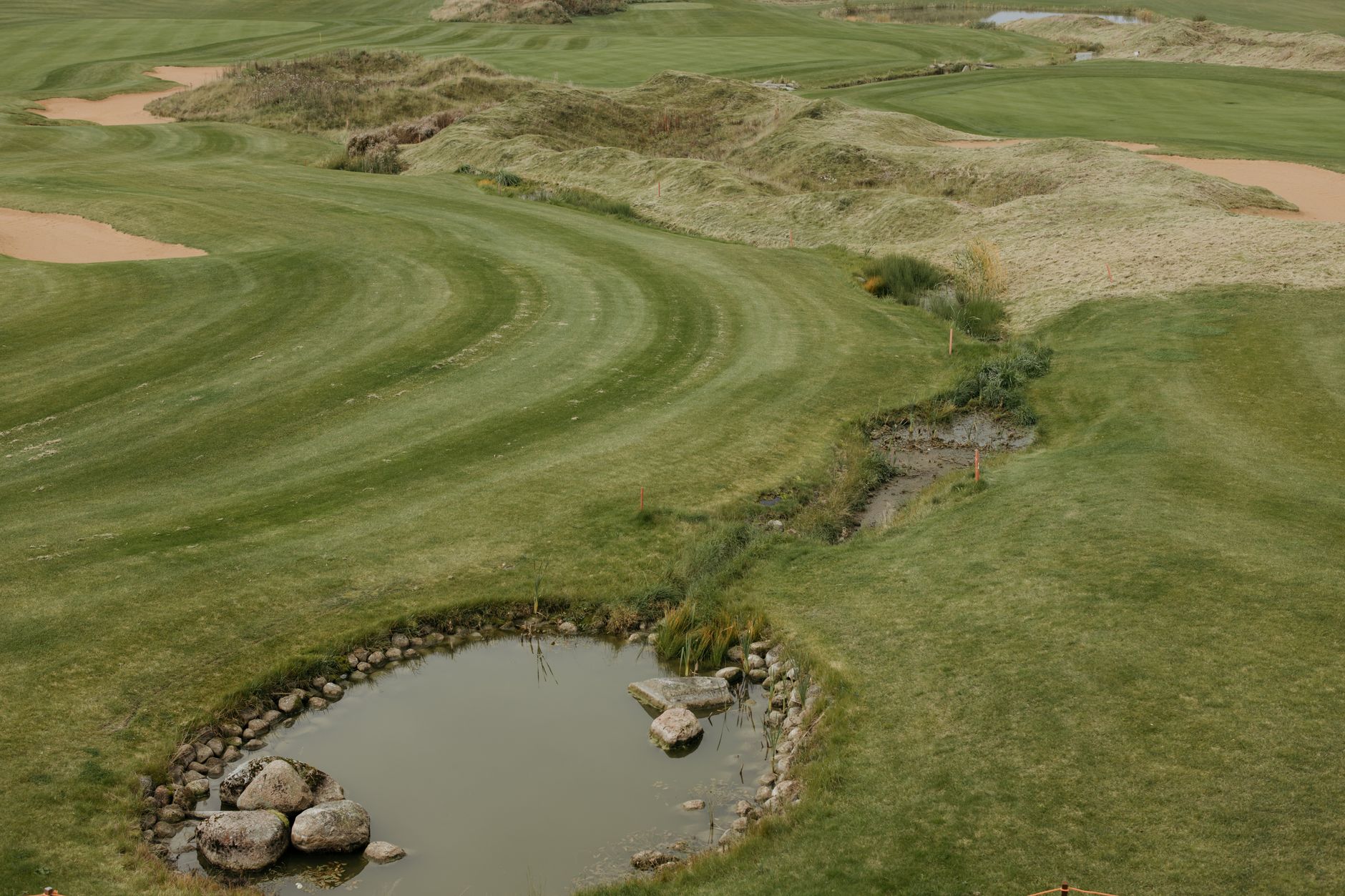
Fairway maps chase width and strip overlap. Clubhouse maps chase edges. You are mowing around curved beds, bunker noses that sit close to the building, and hardscape transitions where string trimmers used to finish the job.
Split the lawn into zones by risk, not just by grass type. A front apron zone might allow a slightly higher deck speed because it is open turf. A patio ring zone needs slower passes and more overlap where stone meets sod. A service yard zone might be off limits during member hours even if the grass looks fine.
Document who owns edits. Superintendents should control agronomy limits, while the general manager weighs member events and outdoor dining hours. When both groups share one map, you avoid the classic failure mode where a banquet setup overlaps a freshly drawn path.
- Mark sprinkler heads and low tree limbs before the first daytime pass.
- Set a rain delay rule that is different from fairways because patio drainage is tighter.
- Keep a photo log of trouble edges after the first two weeks.
- Train the pro shop to report moved furniture that blocks a boundary wire or GNSS line.
Can solar charging stretch daytime clubhouse hours?
St Ives cited solar panels feeding mower charging in the GreenKeeping piece, which matters when you add daytime cycles on top of overnight fairway work. More run hours mean more kilowatt hours, even if each individual lawn pass is short.
Landgoed Welderen in the Netherlands added remote charging with solar support when nine Husqvarna Ceora units spread across a large property, according to GreenInside. You may not copy their acreage, but the pattern is familiar: the clubhouse sits near power, while distant fairway depots do not.
For a US club, walk the math with your electrician before you promise members a noon cut. Confirm whether daytime charging competes with kitchen load, and whether battery swap is faster than waiting on a dock during a Saturday tournament.
Where do indoor scrubbers fit the same plan?
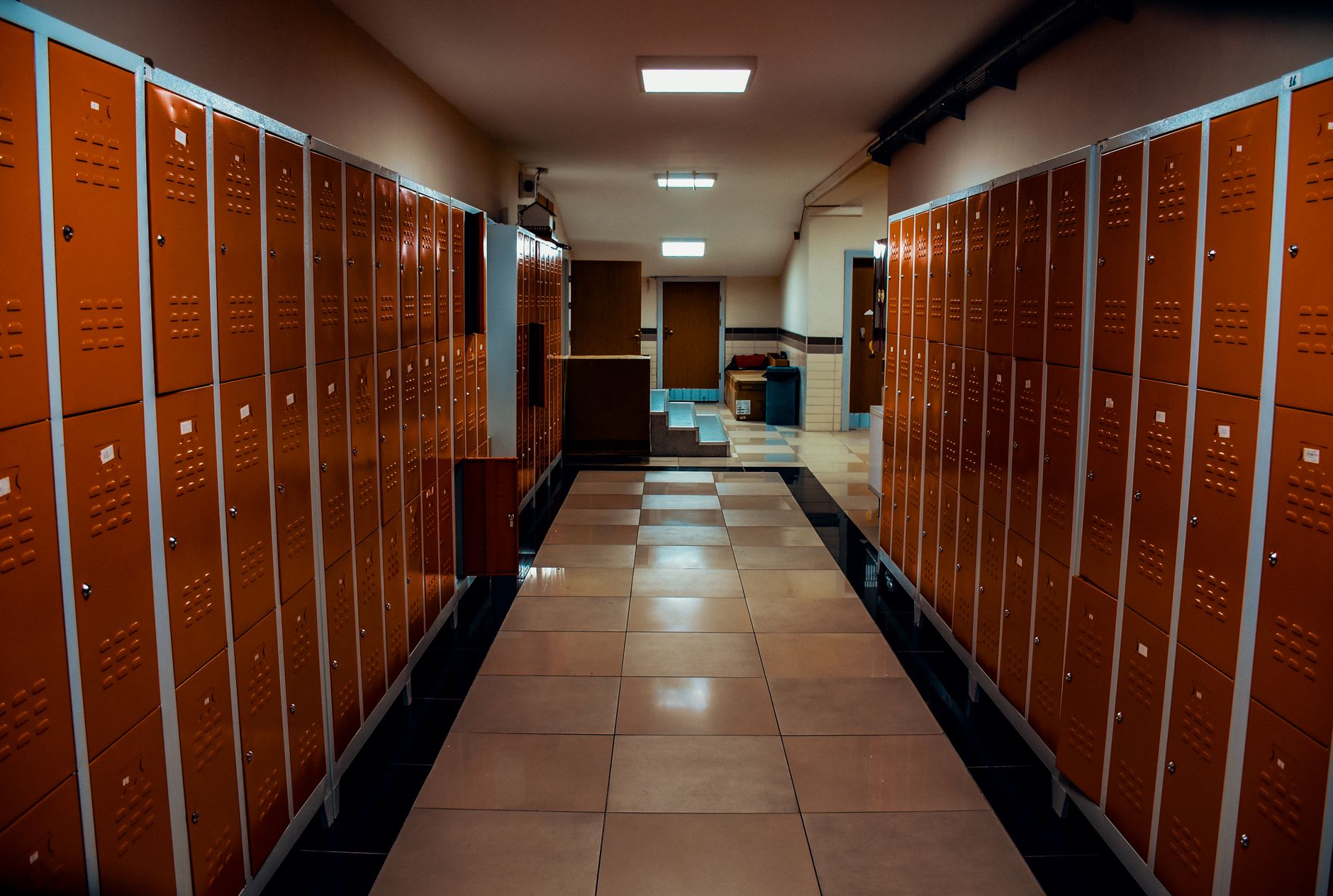
Clubhouse turf is only half the member impression. Locker room tile, pro shop hard floors, and bar spill zones still fall to night porters or outside janitorial crews that are as hard to hire as fairway operators.
Pairing outdoor turf robots with indoor autonomous scrubbers lets one integrator handle mapping, financing, training, and service. Service Robot Co. stays vendor neutral on both sides: we match the mower program you already run with scrubbers that fit locker room drains and narrow corridors.
Schedule scrubbers after the last league party, not while fairway units return to dock. Different teams may operate them, but the service plan, spare coverage, and escalation number should be the same.
What does buy or lease financing look like for a layered rollout?
Most clubs fund fairway automation first because the labor hours are obvious. Clubhouse lawn passes and indoor scrubbers are phase two because they touch member facing spaces, which raises the standard of proof.
Financing through lease or outright purchase should follow the map, not the calendar. Add clubhouse zones only after fairway routes prove stable for several weeks. Add scrubbers after you measure how many labor hours indoor floors still consume once turf is handled.
RoboCare service should cover both environments with clear response times. A mower stopped on a visible lawn and a scrubber stopped before a member guest day are both reputation issues, even if the mechanical systems differ.
When should you call in an integrator instead of DIY scheduling?
If your staff already manages fairway GNSS maps, clubhouse zones feel like a small add on. If fairway automation is new this season, stacking daytime lawns without help is how patios get clipped and bunkers get driven over.
Service Robot Co. maps turf and hard floor routes, sets buy or lease structures, trains operators, and backs both with a nationwide network of regional service engineers. We do not push a single mower or scrubber brand because the right unit depends on your slopes, deck height range, and indoor doorway widths.
Start with a site assessment that lists fairway acres, clubhouse lawn acres, and indoor square footage that still relies on manual mopping. The output should be a phased schedule you can show the board, not a glossy brochure.