Key takeaways
- Campus mail robots earn trust on fixed schedules and named stops, not ad hoc hallway wandering.
- Recipient authentication and secure compartments matter as much as navigation on mixed mail and parcel loads.
- Peak weeks need queue rules and overflow staging before you add robots to the route count.
When do delivery robots make sense for a corporate mailroom?
Corporate mailrooms already run on rhythm: morning drop, midday interoffice sweep, afternoon courier handoffs, and a late pickup before security rounds. Delivery robots fit when those legs repeat across the same buildings, floors, and mail stops every weekday, and when walkers lose hours to elevator waits and badge checks.
They are not a replacement for certified courier runs or legal chain-of-custody mail. They excel on predictable internal distribution: sorted pouches, labeled totes, standard parcels, and recurring supply drops between mailroom, hubs, and department closets.
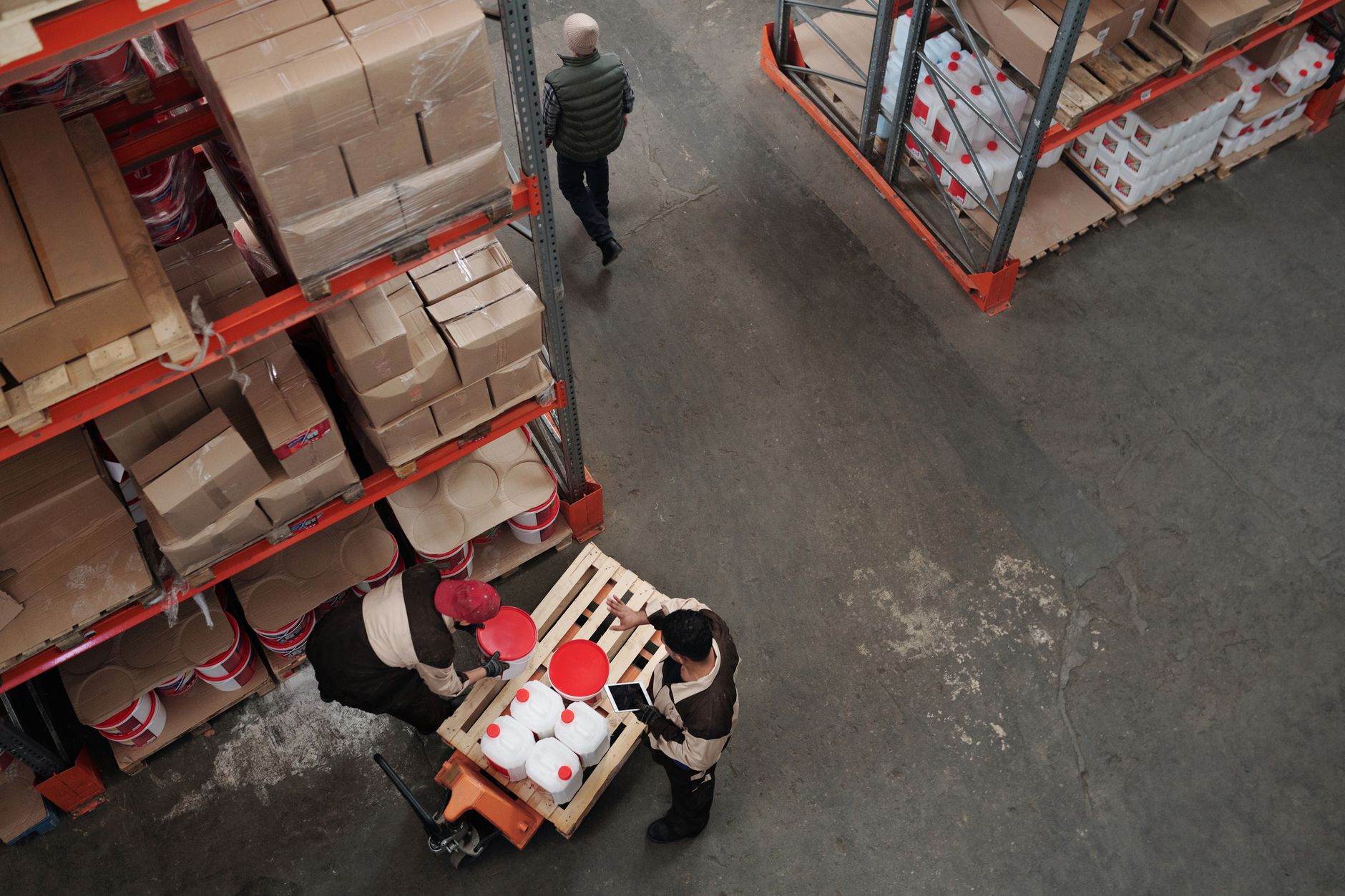
According to the Pitney Bowes Parcel Shipping Index, U.S. parcel volume reached about 22.37 billion shipments in 2024, up 3.4% from 2023. That national pressure shows up inside gates as more boxes per employee and longer mailroom queues, even when your own counts vary by industry and hybrid attendance.
What should a campus route map include on day one?
Start with named stops, not floor numbers alone. Each stop needs a clear handoff point: mailroom window, department closet, or secured alcove with line of sight for the robot dock.
Build routes around elevator banks you can reserve or time. Mid-rise campuses fail pilots when robots compete with the 8:30 a.m. surge without a floor-release rule.
Separate interoffice mail loops from parcel loops when security policy differs. Mixing them saves steps early and creates audit headaches after the first lost pouch.
- Primary mailroom as home dock and charging
- Secondary hubs on large footprints only after the spine route is stable
- One overflow shelf per stop for failed handoffs
- Quiet-hour windows for noisy building wings
How should recipient authentication work?
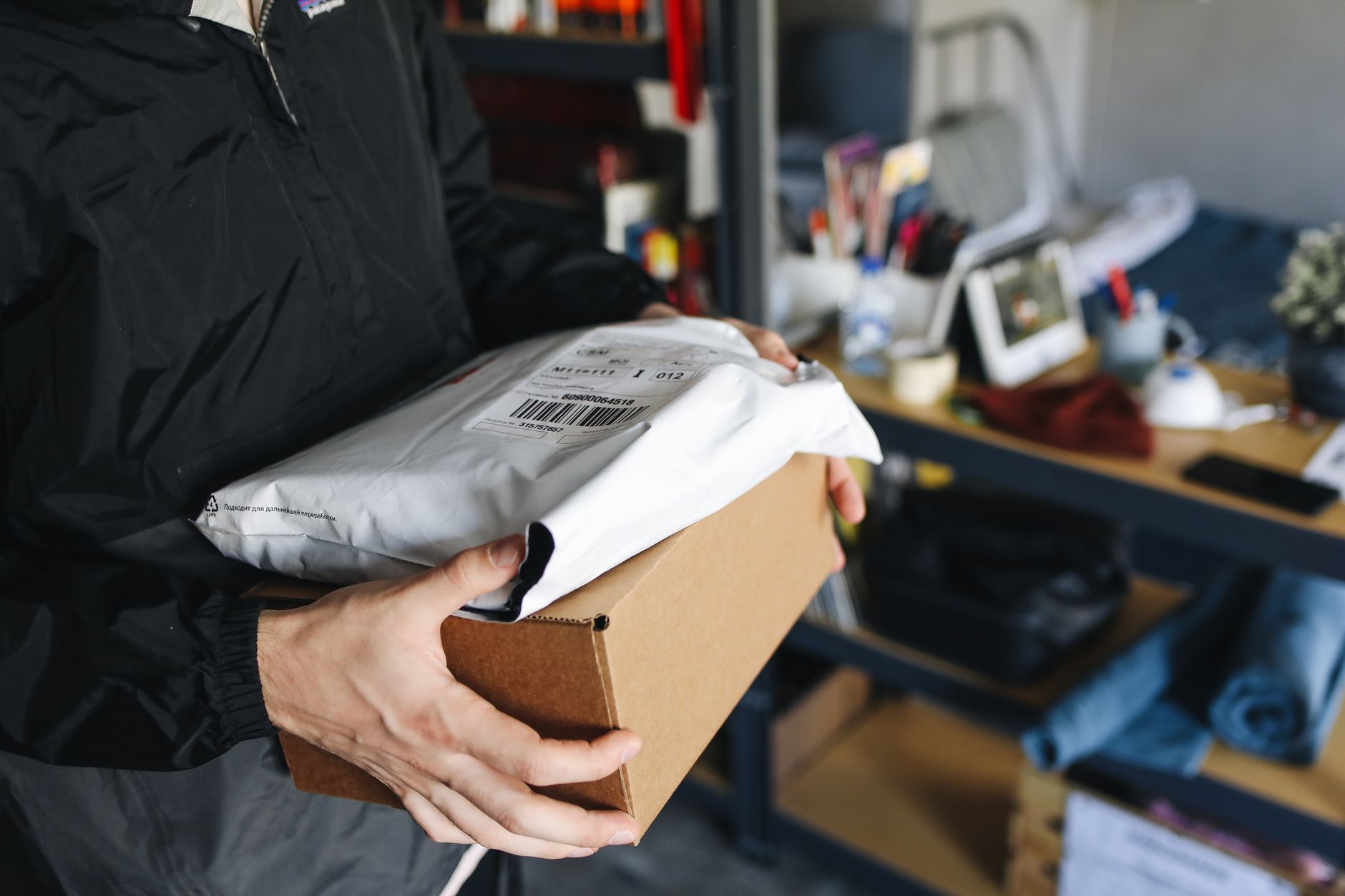
Treat every compartment open as a small security event. Pair robot arrival with something the recipient already uses: badge tap, PIN, or a one-time code pushed from mailroom software.
Mailroom staff should still own exception mail. Robots deliver to the stop; humans release registered, legal, or signature-required items at the window.
Log each open with user ID and timestamp so facilities and HR can trace a misfilled bin without guessing which shift moved it.
How do elevators and doors fit the plan?

Elevator integration is a project, not a checkbox. You need tested calls, hold times, and fire-service behavior documented with building engineering before go-live.
Automatic doors need consistent approach lanes. Revolving doors and tight vestibules often force a nearby handoff cart instead of a robot through the throat.
After-hours routes may need reduced stops when security posts change. Program those cuts in software so night staff do not improvise shortcuts through restricted floors.
What about oversized parcels and failed handoffs?
Set a hard size and weight limit per robot and publish it to tenants. Oversize parcels stay in the mailroom for manual run or a separate cart crew on a timed slot.
Failed handoffs happen when nobody is at the stop. Policy should send the robot to the next stop, then return the item to mailroom overflow with a scan reason code.
Peak weeks need a staging lane, not hero shifts. When daily receipts jump, hold more at the mailroom and increase trip frequency before you widen the geographic route.
Where does a full-service integrator shorten the rollout?
Service Robot Co. runs site walks with mailroom leads and building engineering together: pick delivery robots across OEM-neutral options, map stops, wire elevator and access rules where supported, train staff on overflow and auth exceptions, and keep units running through a nationwide field service network under one monthly program.
Pilot one spine route for four to six weeks, such as mailroom to two admin buildings at noon and 3 p.m. Measure handoff success rate, elevator delay minutes, and mailroom hours saved before adding research parks or manufacturing wings.
What should mailroom leaders measure in the first 90 days?
Track successful handoffs per trip, not robot miles. A long loop with repeated failures is a routing problem, not a capacity win.
Compare mailroom labor minutes on internal walks before and after go-live during the same weekday windows.
Count overflow returns by reason code. Spikes at one stop usually mean bad timing, not bad hardware.
Review peak-week backlog hours with and without robots on the schedule. That delta is the honest business case for the next building pair.