Key takeaways
- Start with store-to-floor loops for repeat SKUs before you automate guest-facing amenity runs.
- Lockable compartments and work-order release beat open carts in public corridors.
- Elevator integration and guest-area etiquette rules belong in the pilot scope, not phase two.
- Urgent tickets need dispatch tiers so robots do not queue behind routine filter drops.
- Return paths for unused parts close the loop and cut shrink on small hardware.
Why send engineering parts with a delivery robot?
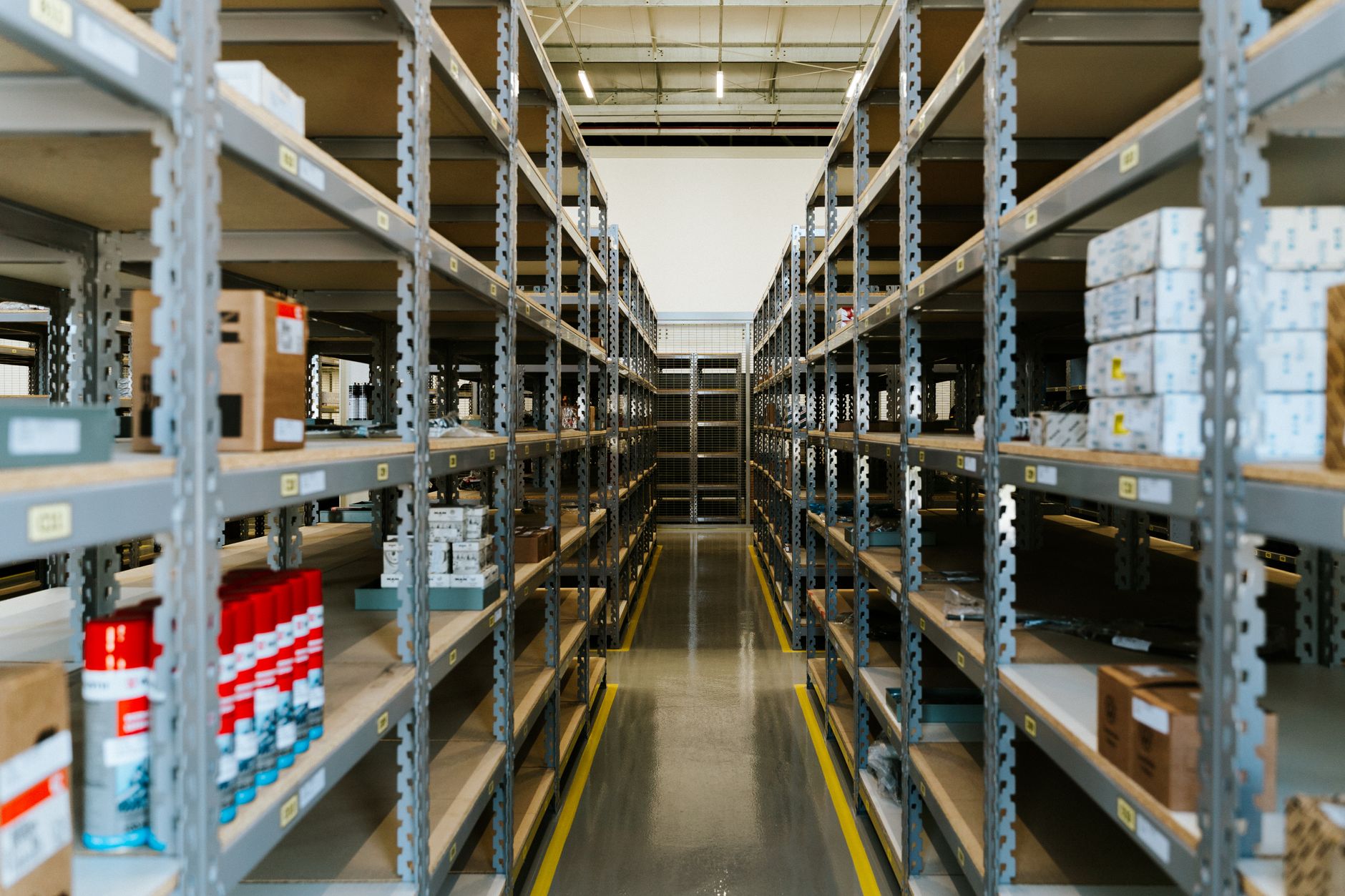
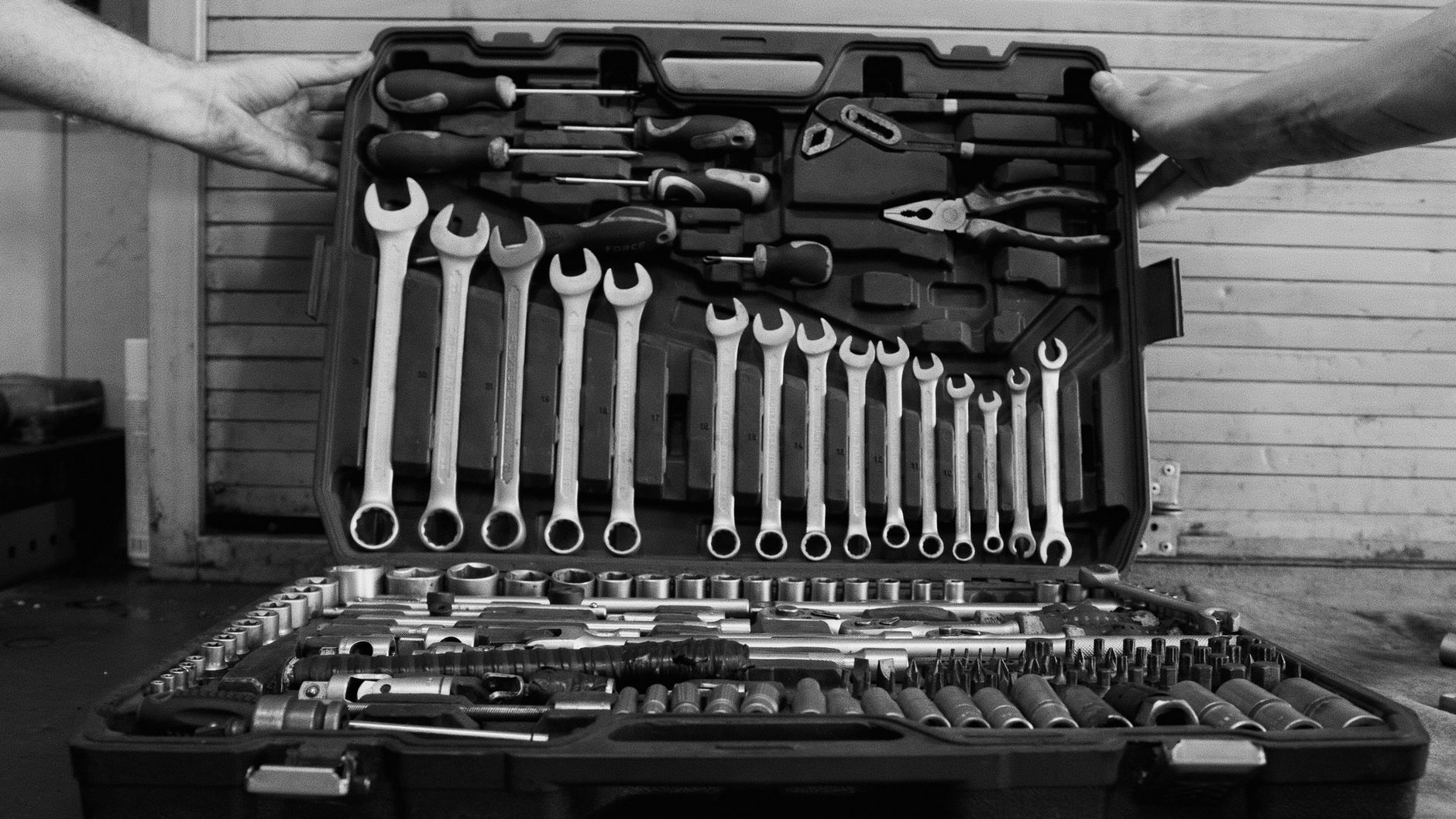
Hotel engineering teams walk the same parts all day. HVAC filters, faucet cartridges, light fixtures, and tool kits move from a basement store to a service corridor, then up guest floors while tickets stack in the CMMS.
Delivery robots fit the fixed miles between the parts crib and technician handoff points. They are not a replacement for licensed trade judgment at the unit. They excel when the route repeats, the load fits a secured bin, and your CMMS can tell the fleet when a ticket is truly ready for dispatch.
According to BLS Industry Productivity data published via FRED, U.S. hotels and motels except casino hotels employed about 1.57 million workers in 2024 under NAICS 721110. Properties with thin overnight engineering coverage feel every extra stair run when a guest room is down.
Which parts loops should you automate first?
Begin with high-volume consumables with stable size and weight: filter packs, lamp modules, and plumbing rebuild kits tied to recurring PM work orders.
Skip one-off chandelier rigging and heavy pump motors until you validate elevators and payload fixtures.
Return loops matter. Unused gaskets and duplicate tools should ride back to the store on the reverse trip so bins do not become junk drawers on guest floors.
- Filter and belt kits from store to service elevator landings
- Fixture and trim boxes to floor technician lockers
- Small power tools to roof plant handoff points
- Return totes for unopened SKUs after ticket closeout
How do secure compartments change the guest-area risk?
Open carts expose keys, tablets, and branded parts in corridors where guests pass. Lockable robot bins with seal indicators fit audit-minded security teams.
Assign each trip to a ticket ID so the compartment opens only at the handoff stripe near a service door, not at a guest room threshold.
Housekeeping and engineering should share one map of robot lanes that stay off carpet paths during peak check-in hours.
What elevator behavior should you specify in the pilot?
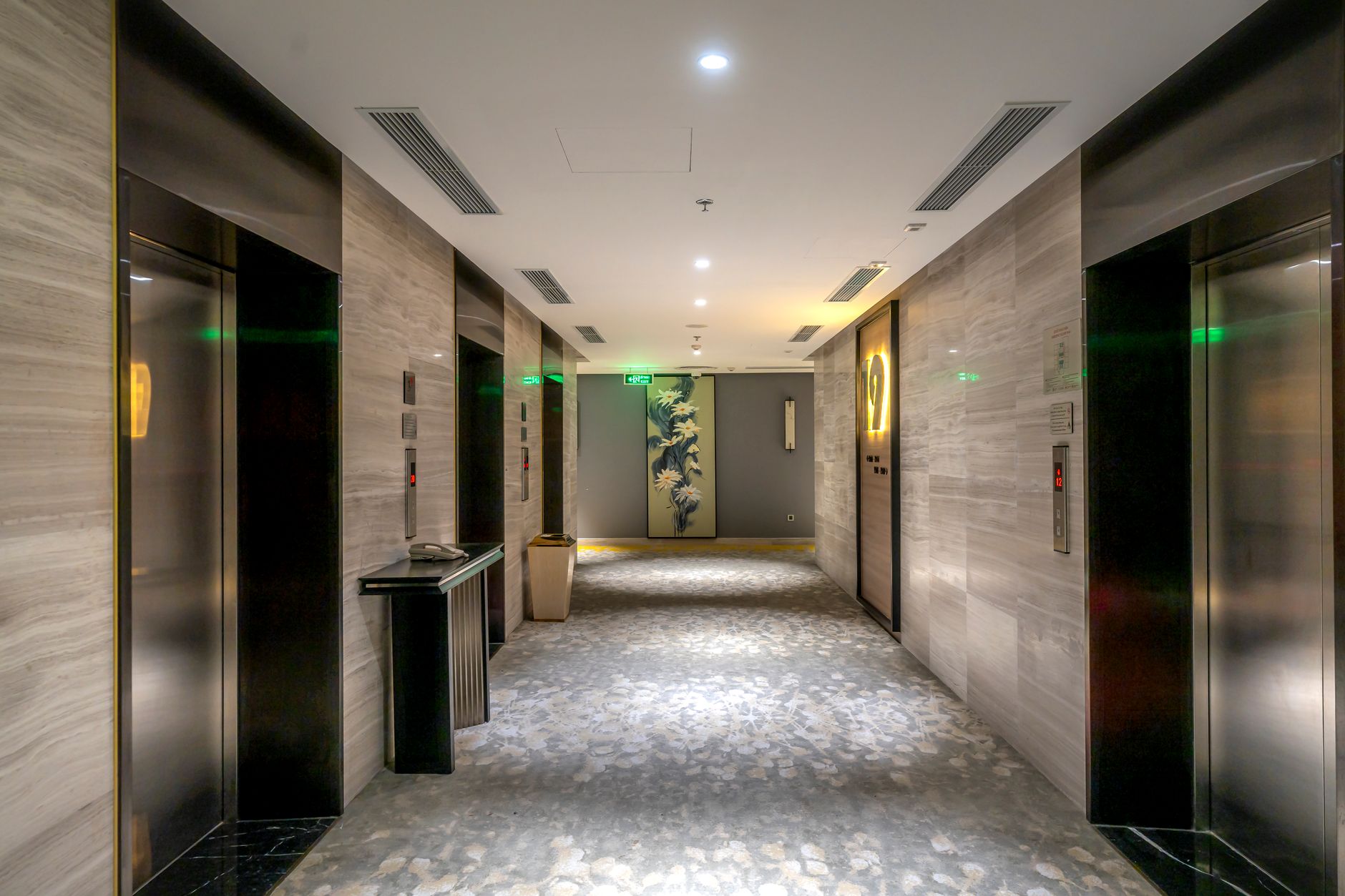
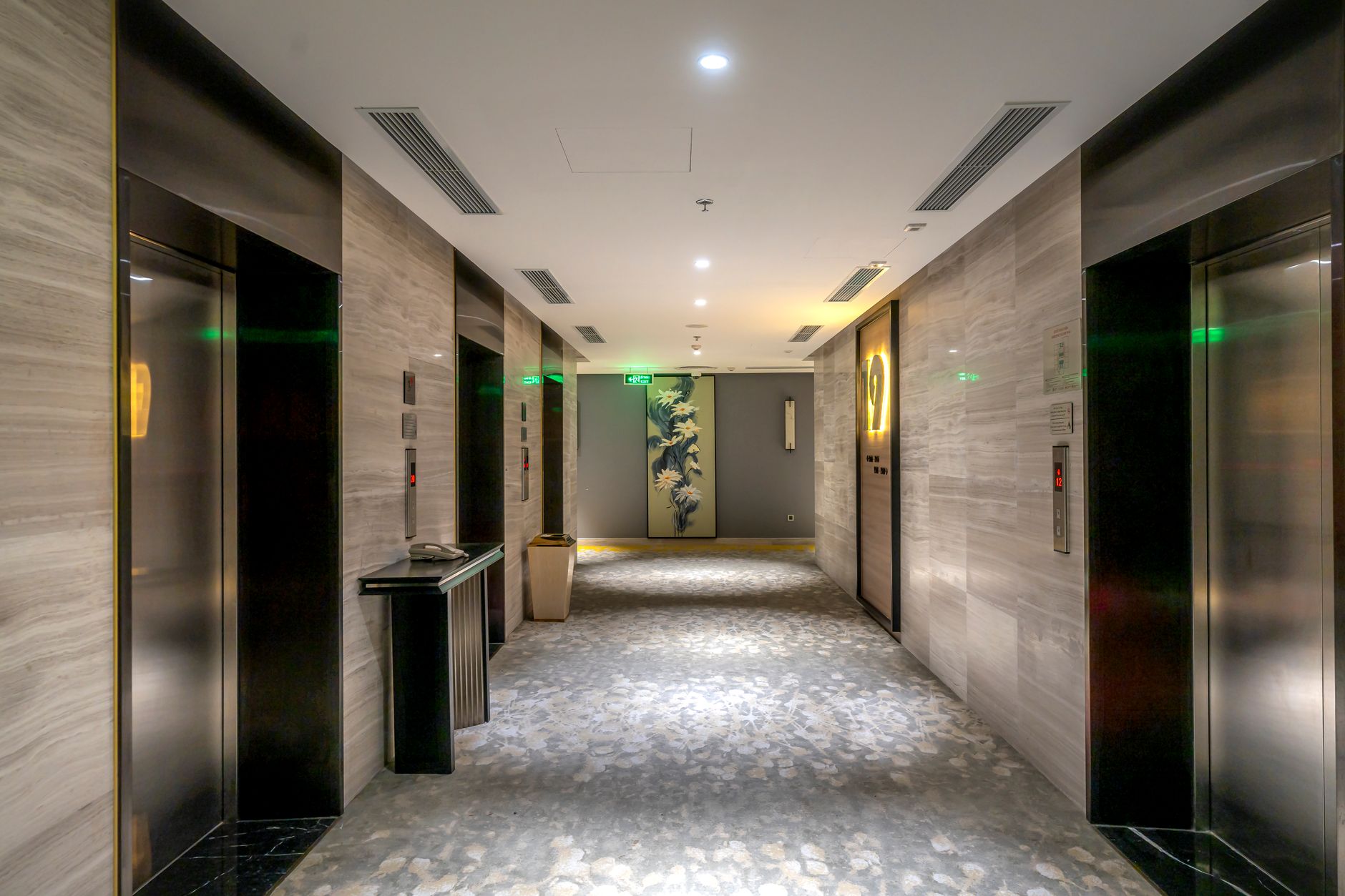
Elevator integration is the gating item on many towers. Test door timing, car size, and fire service modes before you promise same-day parts to every floor.
When integration is limited, run robots to elevator lobbies and let technicians complete the vertical leg. You still remove the long basement walk.
Night shifts often have cleaner cars and fewer guest interactions. Schedule heavy filter drops when traffic drops, not at 4 p.m. check-in rush.
How should urgent work orders override routine trips?
Publish three tiers in fleet software: guest-down emergencies, same-shift corrective work, and routine PM drops. A room without hot water should not wait behind a scheduled filter batch.
When an urgent trip releases, pause or reroute open routine tasks so robots do not queue at one narrow service door.
Technicians acknowledge receipt in the CMMS so dispatchers see when a part is in hand versus still en route.
After storms or city-wide chiller alarms, batch similar SKUs into one secured bin run instead of five separate walks with half-empty totes.
How do CMMS integrations release trips?
Ideal release logic fires when a ticket moves to parts-picked or ready-for-dispatch status. Manual release works in a pilot if every exception has a named owner.
If inventory shows zero on hand, block the trip and alert the storekeeper rather than sending a robot to an empty shelf.
Closed tickets should cancel return expectations automatically so totes do not sit in corridors waiting for a tech who already cleared the job.
How do multi-building resorts change routing?
A main tower, conference wing, and remote parking garage each need handoff points tied to the same work-order system. Split routes by building instead of one giant loop that crosses guest lobbies twice.
Outdoor covered walks between buildings need traction tests when rain pools on tile. Slow-speed profiles on those segments beat recovery calls after a spinout.
Spare robot docks belong near the parts store and at one mid-property node so deadhead miles do not erase the labor savings.
What guest-area etiquette rules do staff need?
Robots should yield at lobby crossings and use service corridors wherever paint and policy allow. Train the robot to hold when guest density spikes near elevators.
Uniforms and signage matter as much as sensors. Guests forgive a slow robot more easily than one that brushes luggage in silence.
Front desk and concierge need a one-line script for what the robot is doing so questions do not bounce to engineering mid-ticket.
Where does a neutral integrator shorten rollout?
Service Robot Co. maps stores and handoffs with engineering leaders, selects delivery robots across OEM-neutral options, wires trip release to your work-order system when data already exists, trains staff on secure bin rules, and keeps units running through a nationwide field service network.
Pilot one tower or one wing for four to six weeks on live tickets before you expand to banquet kitchens and remote outbuildings.
Document elevator vendor contacts and after-hours test windows in the same runbook as robot recovery so one stalled car does not idle the whole fleet.
What should engineering managers measure in 90 days?
Track ticket wait time from parts pick to technician in-hand, not robot miles.
Count guest-visible robot stops per shift. Spikes mean routes need service-corridor adjustments.
Compare PM completion on filter cycles before and after go-live on the same season mix.
Log return-bin volume weekly. Rising returns can mean wrong SKU release rules, not technician error.
Survey technicians monthly on which walks they still do by hand. Keep those human and trim only the store-to-landing repeats.