Key takeaways
- Route design must respect animal stress, not just distance saved.
- Secure compartments and color-coded zones prevent cross-contamination.
- Door and elevator integration needs slow approaches and clear signals.
- Staff override and noise limits belong in the pilot criteria.
Where do delivery robots help on large boarding campuses?
Large veterinary boarding resorts move meals, clean linens, medications, lab samples, and supplies across kennel rows, treatment wings, and grooming areas all day. Walking those loops burns hours that skilled staff could spend with animals.
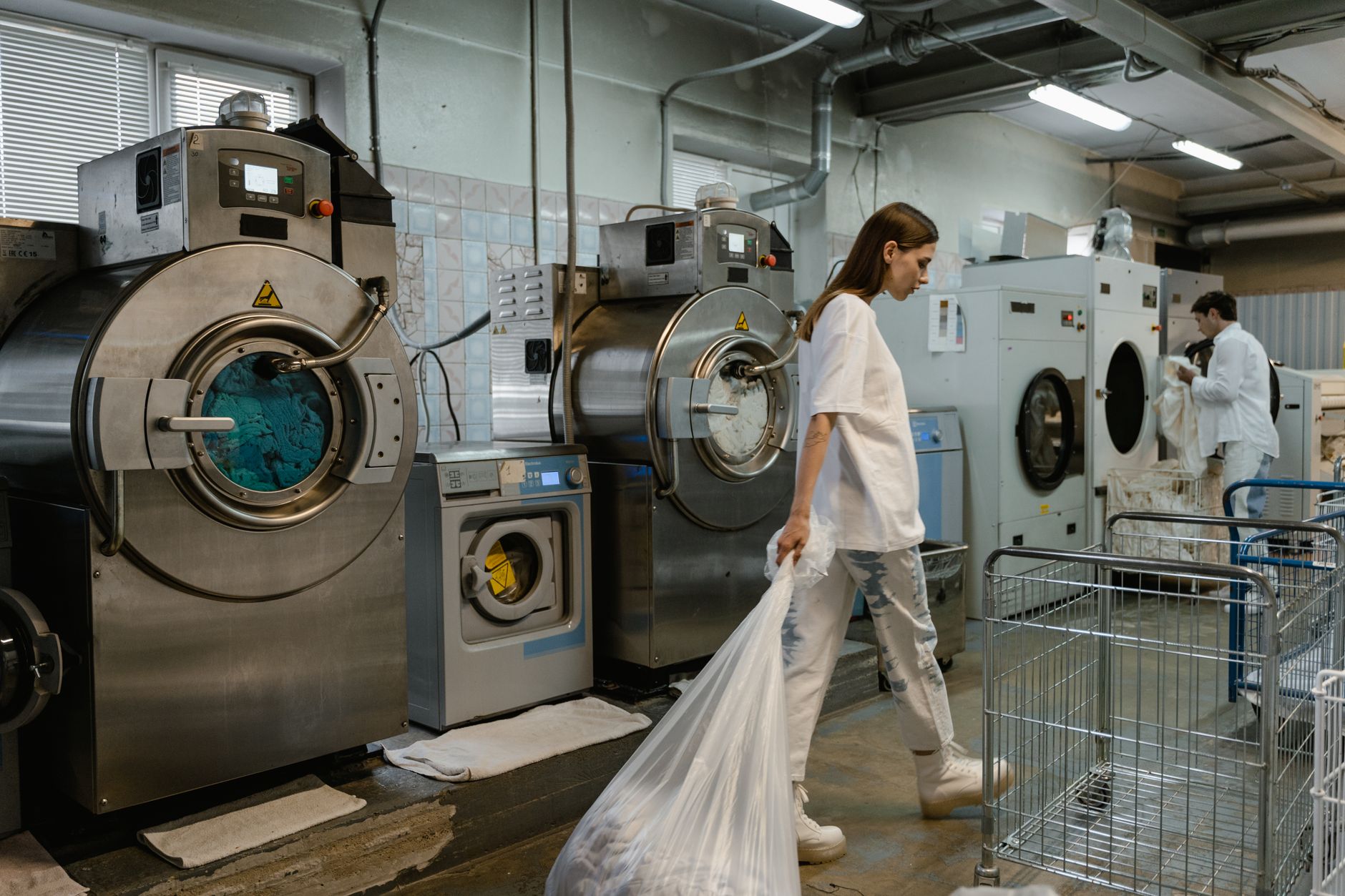
Delivery robots fit repeatable cart paths between kitchen, pharmacy, laundry, and ward desks. They do not replace hands-on care. They cut the non-clinical mileage that adds up on forty-acre sites.
Start with routes that never enter active surgery or isolation without protocol. Win trust on supply loops before you automate anything near recovering patients.
How do animals react to mobile robots?
Dogs may bark, freeze, or lunge when a silent machine appears. Cats stress at unfamiliar motion and sound even when volumes are modest.
Pilot during quiet hours with behavior staff watching body language. Slow approach speeds and predictable paths matter more than raw cycle time.
Some resorts ban robot traffic past certain kennel banks during intake weeks. Build those quiet windows into the schedule instead of fighting them.
What compartment design prevents cross-contamination?
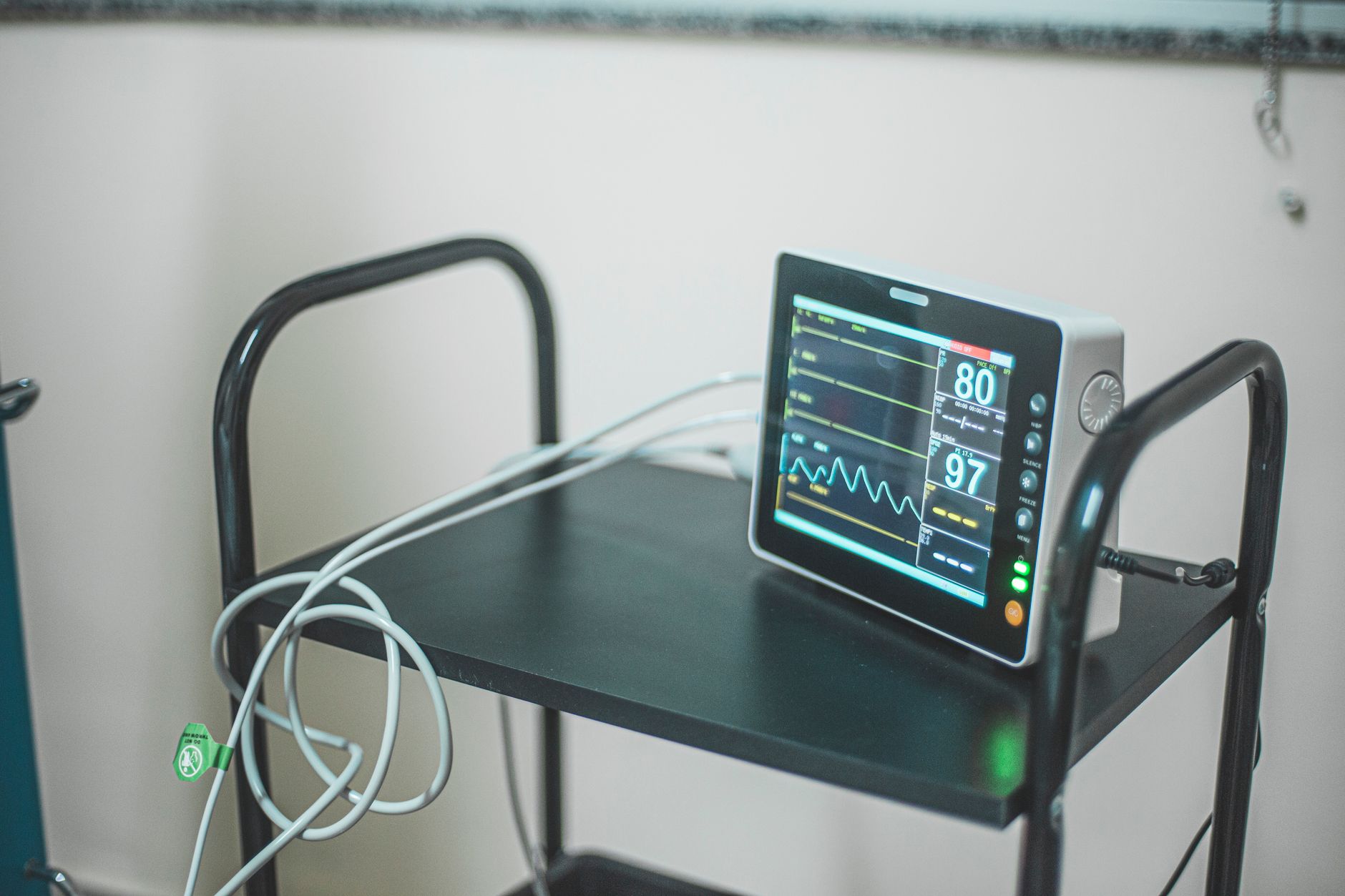
Use dedicated sealed bins for soiled linen versus clean, and never swap liners without a logged sanitation step. Color coding and RFID tags beat memory during rush.
Medication totes need lockable compartments with chain-of-custody logs. Samples bound for the lab should ride separately from food service carts.
Wipe-down protocols for robot decks must match your infection control plan. A smooth surface that looks clean can still carry allergens if corners trap debris.
How should robots move through kennel traffic?
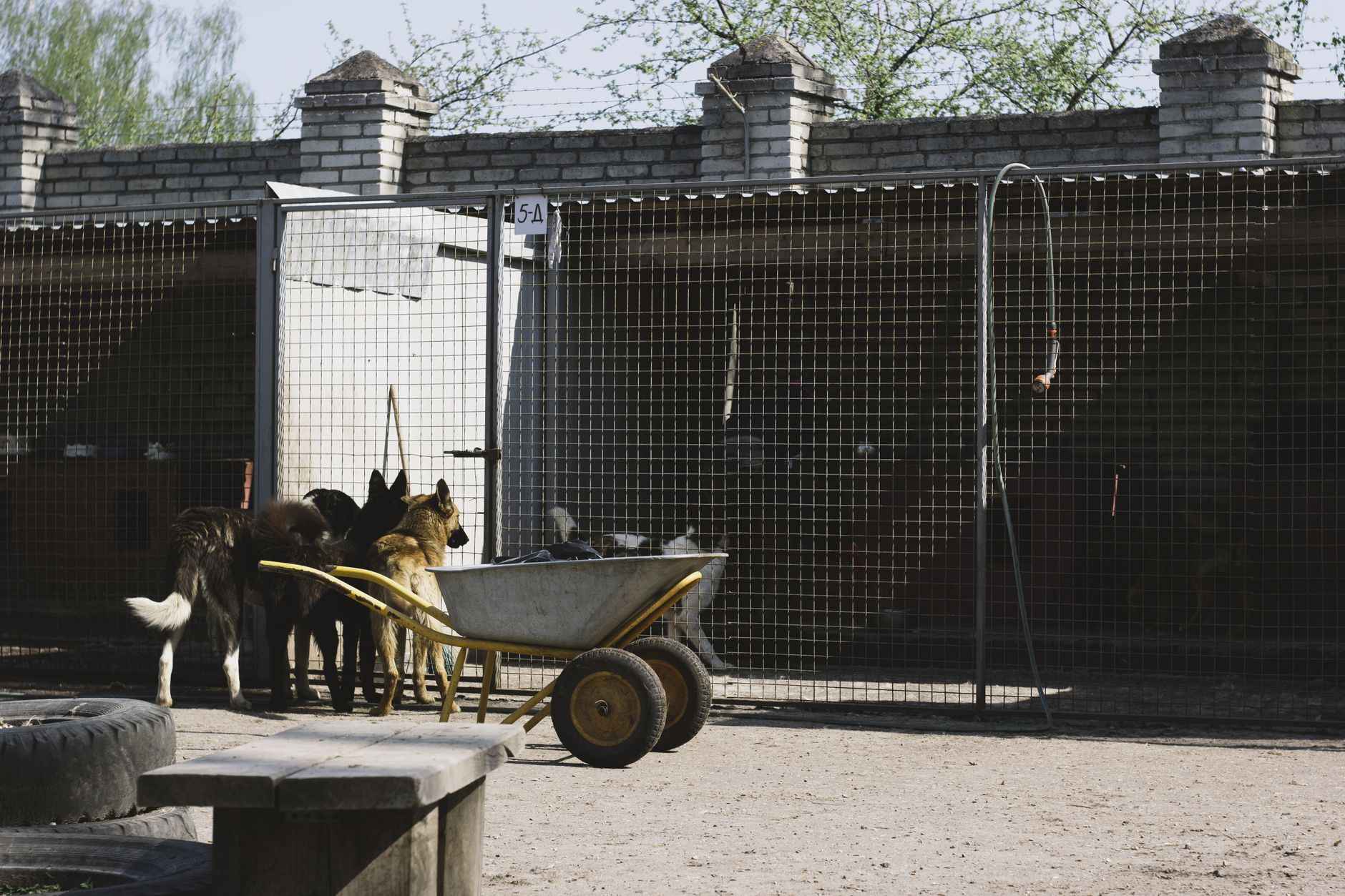
Kennel aisles mix staff, leashed dogs, and cleaning carts. Robots need audible gentle alerts and lights that staff recognize before dogs react.
Schedule robot runs between peak walk times when possible. Midday supply loops beat dinner-time chaos.
Train handlers on who has right of way. Unclear rules make staff kick robots offline permanently.
Which door and gate integrations matter?
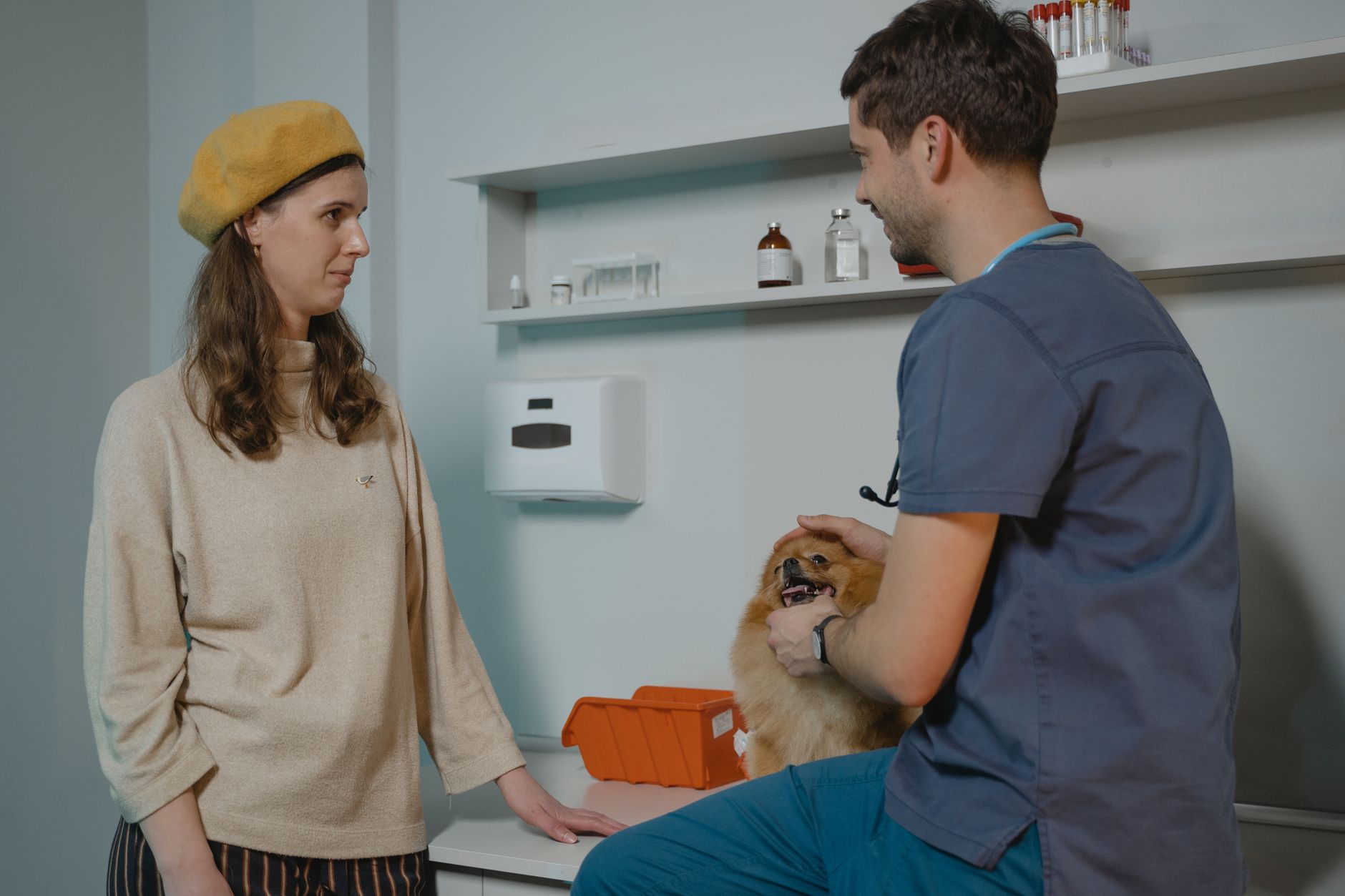
Automatic doors need slow open dwell times and vision checks so a dog is not caught in the sweep. Pair robots with door controllers tested with your maintenance vendor.
Outdoor gates between buildings may need weather seals and mag locks that fail safe during power loss. Document manual release locations for fire drills.
Elevators, if used, require recall behavior during alarms and weight limits that include loaded carts.
How loud is too loud for boarding wards?
Measure decibels at kennel ears, not at the robot motor. What sounds fine in a warehouse may trigger barking cascades.
Rubber wheels, belt drives, and route smoothing reduce vibration that animals feel through floors.
Night runs for linen may still need reduced speed near sleeping wards. Productivity gains disappear if boarding dogs do not rest.
What staff oversight keeps pilots safe?
Assign a robot champion in each shift who can pause routes, reroute around an aggressive dog, and log incidents for the behavior team.
Cameras on robots help remote ops but do not replace on-site judgment when a patient codes nearby.
Review exception logs weekly with veterinary leadership, not only when something breaks.
How can Service Robot Co. help boarding resorts pilot delivery fleets?
Service Robot Co. is a vendor-neutral integrator for US veterinary, boarding, and animal-care campuses. We map low-stress routes, finance pilots, deploy with clinical and facilities leads present, and service fleets nationwide.
Commercial robot rental lets you prove a meal or linen loop through one busy weekend before purchase. We coordinate door vendors and train staff on override paths.
The right campus robot earns trust from kennel techs and veterinarians, not just from a time study. We help you build that evidence before scale-up.