Key takeaways
- Service dogs stay on accessible routes; robot paths must yield, not squeeze past working animals.
- Match passing clearance to ADA route widths and 60-inch passing spaces, not just the robot chassis.
- Slow approaches, predictable audio cues, and full stops reduce startle risk for trained dogs.
- Staff need a short script for conflicts, plus incident logs that feed map and schedule updates.
- Route tests should include handlers, mobility device users, and quiet-hour scenarios before go-live.
Why do service animals change robot route design?
A service dog is not a pet wandering through your lobby. Under U.S. Department of Justice ADA guidance, a service animal is a dog individually trained to perform tasks directly related to a person's disability, and public accommodations must generally allow that dog anywhere the public may go. Your delivery robot, scrubber, or patrol unit shares the same corridor, elevator bank, and entrance plaza.
When a robot surprises a working dog, the failure is rarely the handler. It is a route that assumes empty floor space, a speed profile tuned for midnight cleaning, or audio cues that sound like an alarm. Operators of airports, hospitals, hotels, and civic buildings need routes that preserve the dog's task while the robot completes its job.
Accessible route design for robots overlaps with ADA compliance work you may already know, but service animals add living, unpredictable partners on the path. That calls for explicit yielding rules, not hope that obstacle avoidance alone will suffice.
What legal ground should facility leaders understand?
Title III of the ADA covers most businesses and nonprofits open to the public. DOJ's service animal guidance states that only dogs are recognized as service animals under titles II and III, effective March 15, 2011, and that emotional support animals without task training do not qualify for those access rights.
Staff may ask whether the dog is a service animal required because of a disability and what work or task the dog has been trained to perform. They may not demand certification papers, require the dog to wear a vest, or bar a breed outright. Your robot policy should assume lawful presence of a task-trained dog unless a rare safety exception applies.
Robots do not replace those civil rights rules. They operate inside them. A no-pets policy does not ban service dogs, and a robot cannot be programmed to treat every dog as an obstacle to shoo away.
How much clearance belongs on shared routes?
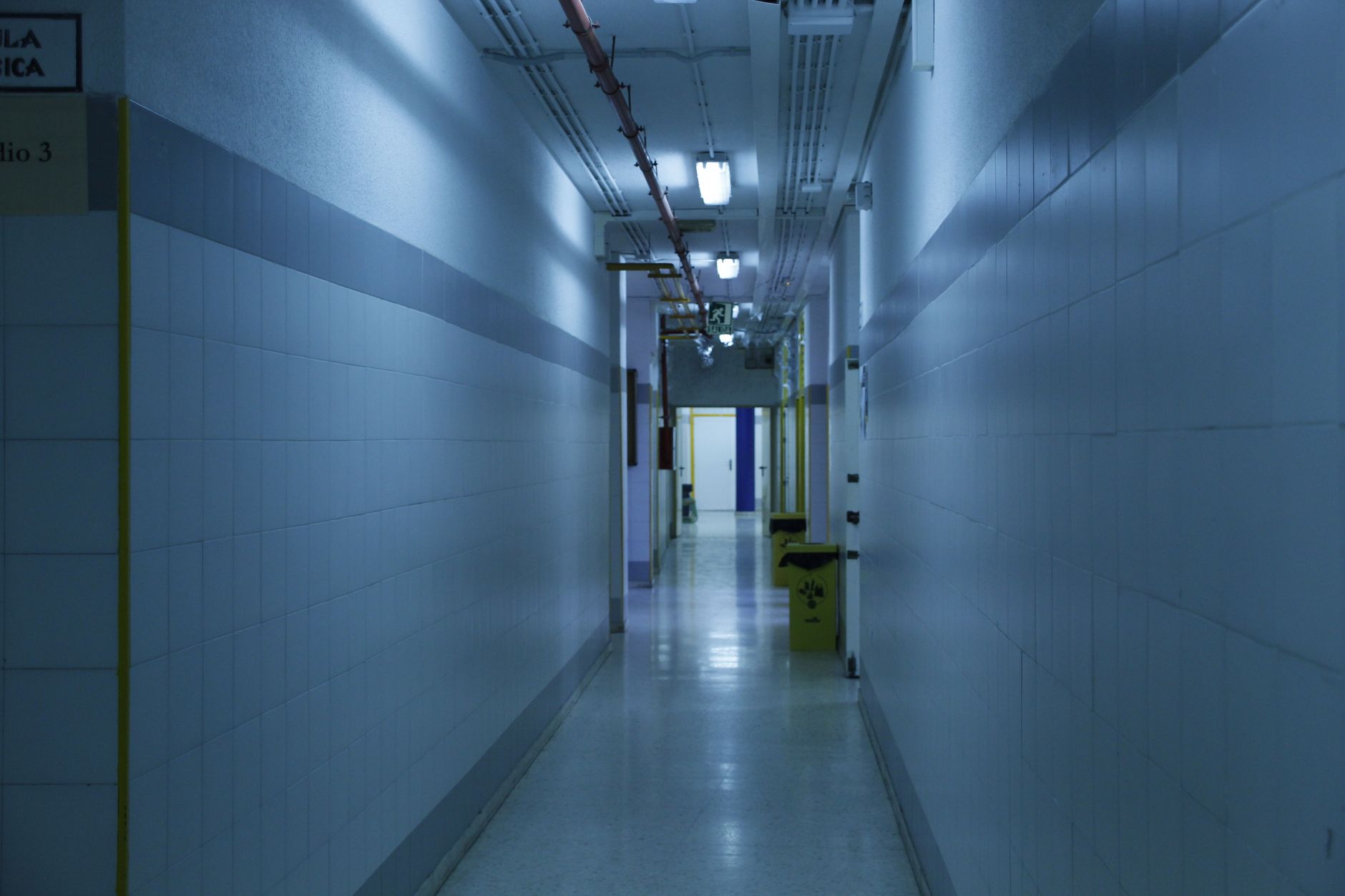
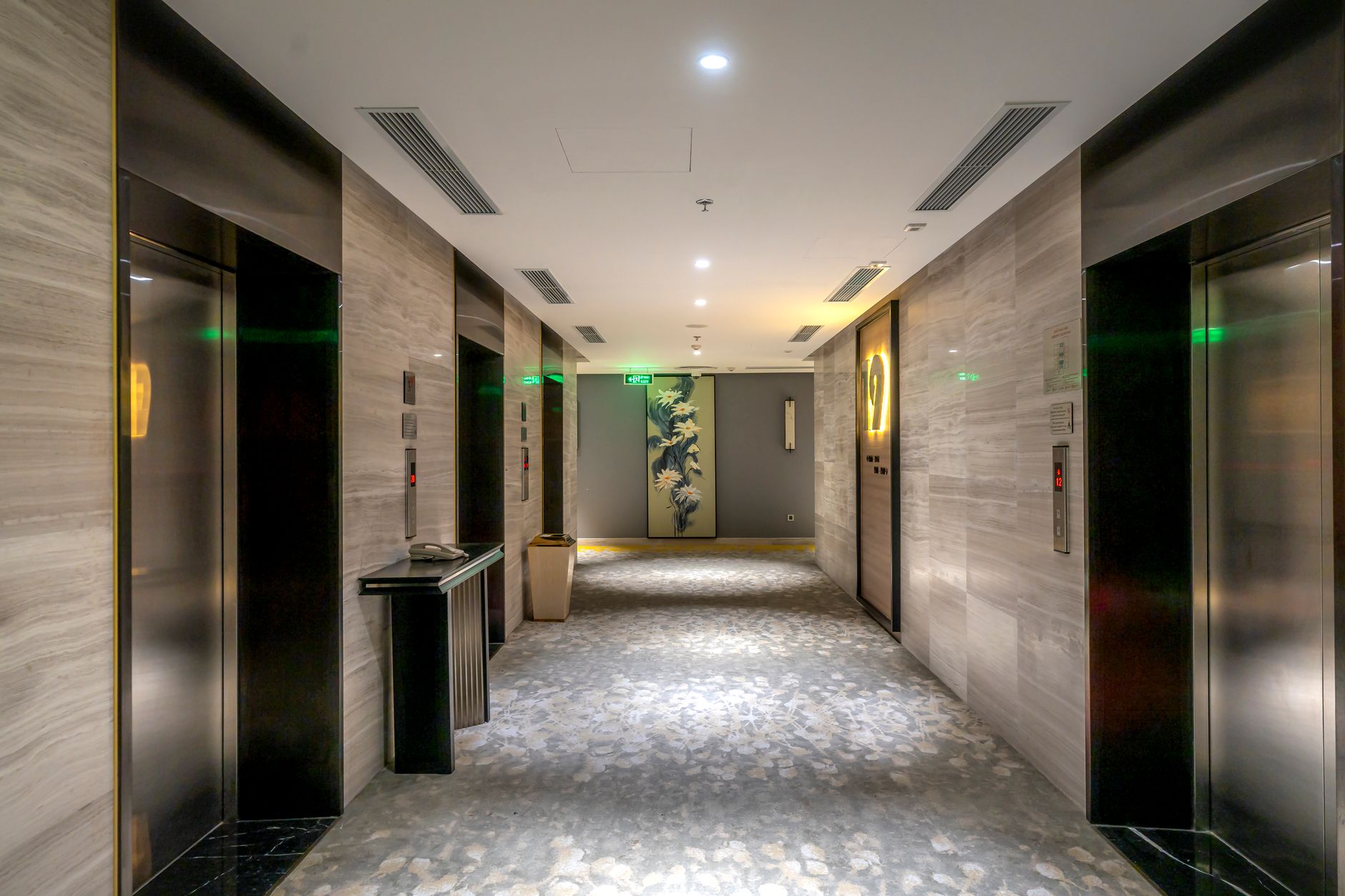
Accessible routes in buildings are expected to provide at least 36 inches of clear width, with 60-inch by 60-inch passing spaces where a route is narrower than 60 inches, spaced at intervals of no more than 200 feet. Those figures come from the ADA accessibility standards facilities already use for wheelchairs and scooters.
A robot needs more than its own footprint to be a good neighbor. Leave margin for a handler, a dog in a heel position, and a mobility aid on the same path. Research with people who use manual wheelchairs notes that when robots stop, they often stop in the travel lane, forcing costly reroutes. Design pull-offs where a unit can wait without blocking the accessible line.
Map narrow pinch points as permanent slow zones or one-way segments during peak hours. A night shift autonomous scrubber route that ignores daytime clinic traffic will eventually meet a service dog team at a blind corner.
- Mark corridors under 60 inches wide for mandatory yield behavior
- Add robot waiting bays that sit outside the 36-inch clear line
- Schedule heavy scrubbing when outpatient traffic is lowest where possible
What approach speed and passing behavior work best?
Speed communicates intent. A fast creep toward a handler reads as pursuit, even when the robot only aims for a charger. Cap approach speeds in shared public zones and widen stopping distances on polished stone or coated concrete common in medical lobbies.
Passing should be lateral or rear yield, not squeeze plays. Academic interviews with people with mobility disabilities describe fear of being trapped between a robot, landscaping, and a curb cut. Program explicit rules: if two travelers cannot pass with comfortable margin, the robot backs to a defined bay or waits until the corridor clears.
Repeat the same behavior every time. Inconsistent yielding trains staff and the public to distrust the fleet, and it startles service dogs that rely on predictable patterns.
How should audible and visual signals be chosen?
Service dogs respond to tone and repetition. Harsh beeps or sirens can break concentration during a guide task or medical alert routine. Prefer short, directional cues at moderate volume, paired with visible lighting that signals pause or turn without flashing like emergency equipment.
Display a clear state on the robot: waiting, passing, docking. Handlers should read status from several feet away without an app. If your fleet uses spoken prompts, keep language simple and avoid barking orders at people.
Test cues with disability advisors and local advocacy partners before go-live. What feels subtle to an engineer may be unreadable in a sunlit atrium or a carpeted hotel corridor.
When should robots wait instead of negotiating?
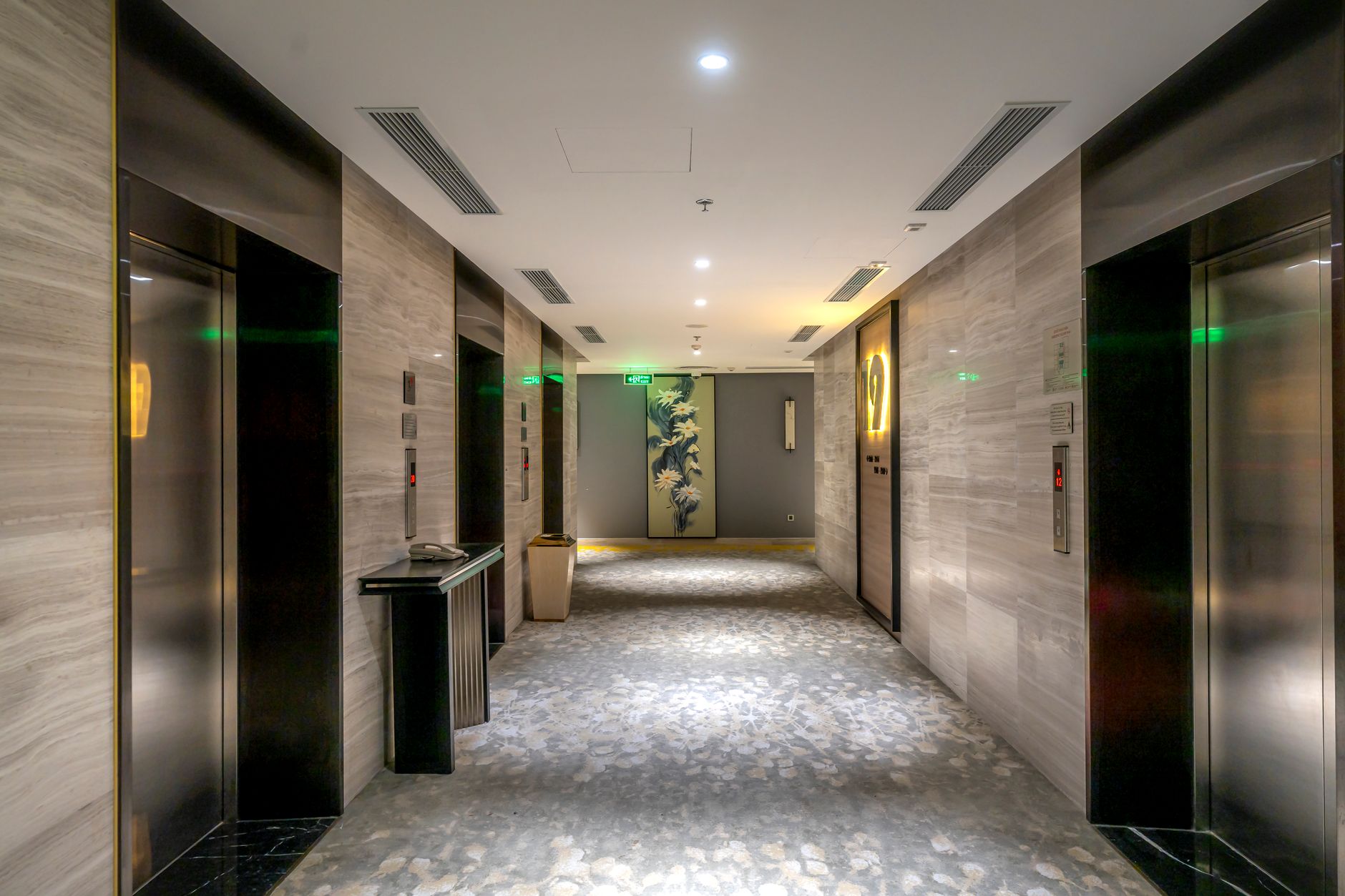
Elevators, single-door entries, and ticket lines are negotiation points. The robot should hold outside the door swing, not enter while a handler positions a dog away from closing sensors. The same rule applies when a dog is stabilizing a person during a brief medical task.
Define a minimum wait time after the corridor appears empty. A dog may circle back for alignment after the robot thinks the path is clear. Rushing the restart creates the second conflict in thirty seconds.
Remote operators need authority to pause a route cluster when security reports a guided tour or a therapy animal demonstration, even when those events are scheduled. Service animals in daily operations still deserve priority over convenience.
What should staff do when a handler and robot meet?
Front desk, security, and volunteer teams need a three-step script: acknowledge the handler, pause or recall the robot through the approved control, and offer an alternate escort only if the handler wants human help. Never grab the dog's harness or leash.
Train staff to log the time, location, robot ID, and outcome in a single incident form. Photos help engineering, but privacy matters. Focus on whether the route, speed, or audio settings failed policy.
Post a named owner for robot conflicts on each shift, the same way hospitals name a charge nurse. Confusion during a live conflict is how minor scares become formal complaints.
How should incidents feed route updates?
Treat every service animal conflict as a map defect until proven otherwise. Within one business day, review telemetry for approach speed, stop distance, and whether the unit entered a no-go zone.
If the handler agrees, walk the route together during a quiet period. Note dog working positions at counters, seating nooks, and restroom entries. Those are often missing from CAD imports.
Update signage for guests where robots operate in daylight. Transparency reduces surprise for everyone, including dogs trained for steady environments.
How do you test routes before opening them to the public?
Paper maps are not enough. Run live trials with disability advocates, handlers willing to volunteer, and staff who use mobility devices. Include a service dog team if partners can join safely.
Script scenarios: head-on pass, overtaking from behind, elevator arrival, and robot recovery after fire-door tests. Record whether the dog can complete its task without breaking focus.
Repeat tests after remodels, holiday decor, or furniture moves. A route that was calm in September may fail in December when extra seating narrows the accessible line.
Where does an integrator fit in accessible route rollout?
Service Robot Co. deploys cleaning, delivery, security, and warehouse robots as one OEM-neutral program: selection, financing, mapping, training, and nationwide service. Accessible route design belongs in the same bundle, not as an afterthought once units ship.
During site assessment and go-live support, we align robot zones with your ADA circulation plan, document yield points, and train staff on conflict scripts. Robot rental or lease pilots are a practical way to test those behaviors before you scale a fleet across a campus.
The goal is coexistence on the floor, not a headline about automation. Handlers, guests, and robots can share a corridor when routes respect the work a service dog is there to do.