Key takeaways
- A patrol robot follows a fixed route and checks doors, aisles and stored stock on every round.
- Alerts should cover open doors, blocked aisles, people in restricted areas and missed stops.
- Each stop should leave a timestamped record with a photo or video frame and a pass or fail result.
- Water, cot and kit stock still needs dated manual counts, since a robot check does not replace them.
Why rarely visited stockpiles need a patrol route
A disaster supply warehouse can sit quiet for weeks. Water, cots and medical kits wait on pallets and racks while the people who manage them come in only for a delivery, an audit or a drill. An autonomous patrol robot fills the gap between visits by walking a set route, checking doors, aisles and stored stock, and reporting what it finds.
The short answer for facility managers: a patrol robot works well here when the route, the stop points and the alert rules are written down before the first round. The robot model matters less than the plan behind it. Done properly, each round leaves a record a person can review in minutes instead of hours.
This article covers what a round looks like, which alerts staff should expect, how each round should be logged, and what to ask a vendor before committing. It also covers the stored goods, because a robot can confirm a pallet is in place without knowing how old its water is.
What a patrol round checks on a stockpile floor
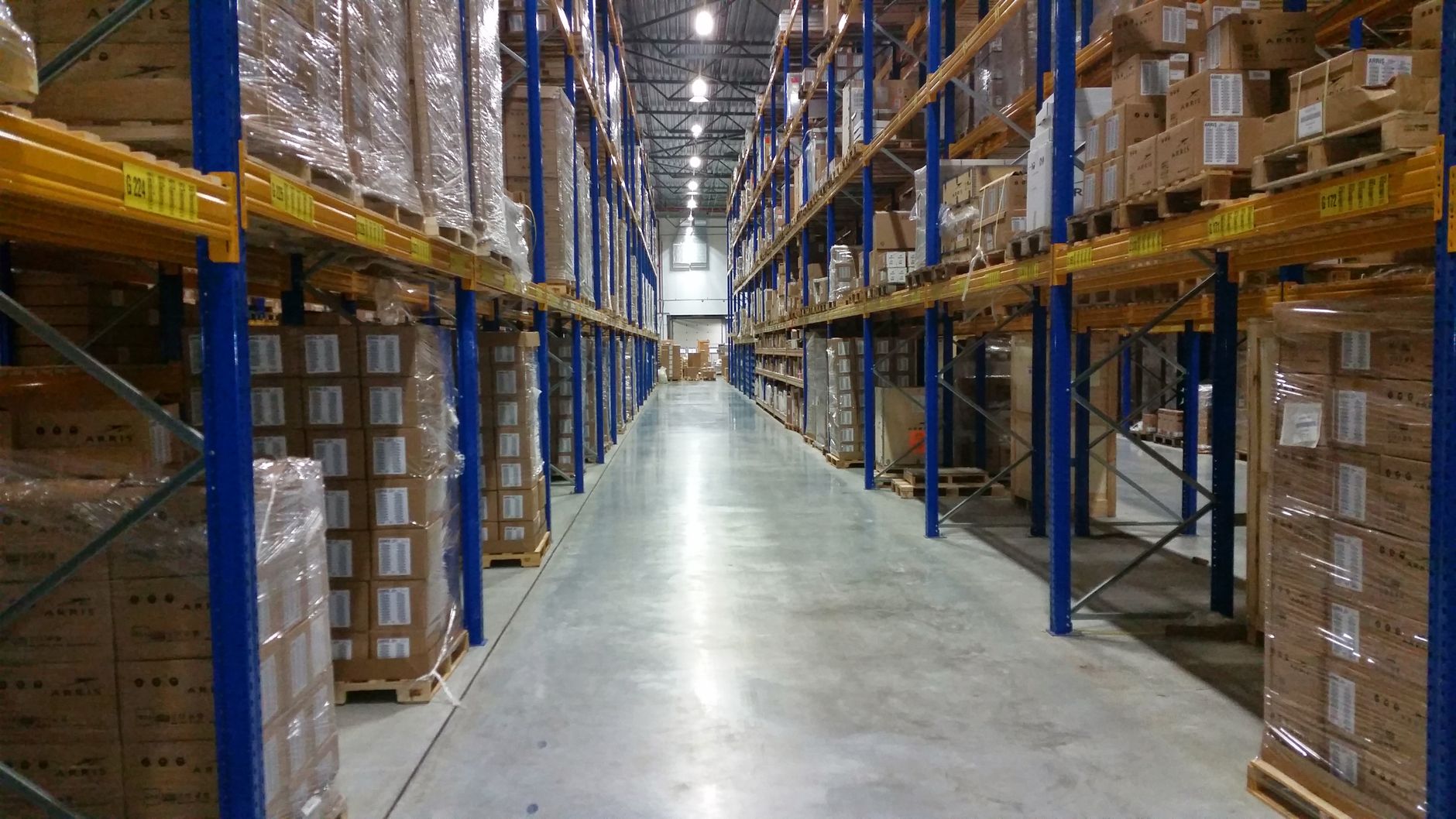
A round on a stockpile floor usually covers three things: the building envelope, the aisles and the stock itself. Doors and roll-up gates get a state check, open or closed and latched or not. Aisles get a clearance check, since a pallet pushed into a travel lane can block an exit path or a forklift route.
The most detailed deployment we found uses visual navigation. SMP Robotics, on its website, describes an S5.1 unit at a logistics center running a route of about 2 km, reportedly from 9 pm to 6 am, stopping at set points to observe. Those figures are vendor-reported, and we have not checked them independently.
Stock checks need modest expectations. A patrol robot can confirm a cot stack is intact, a water pallet sits on its rack, and a medical kit carton has not been crushed or soaked. Ask each vendor in writing if its unit can read a date code on a carton, and do not assume it can.
How the route, stops and exclusion zones get set
Route design starts with a mapping pass. Older Knightscope coverage describes a training patrol that maps the area, after which operators can edit the map and add exclusion zones, and the robot stops or reroutes when its path is blocked. That workflow is worth testing against your own building, since the coverage dates from the platform's early years.
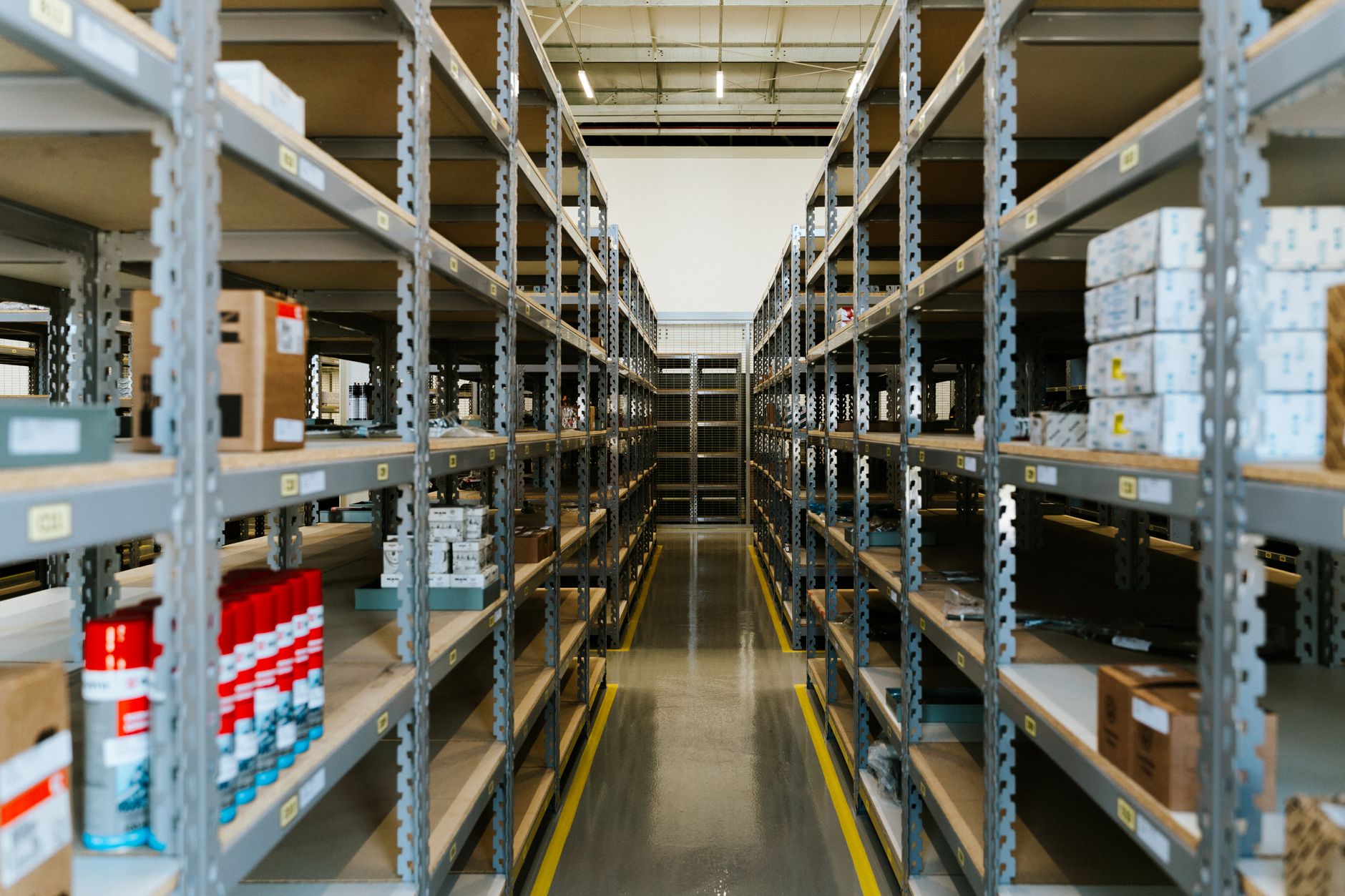
Stops matter as much as the path. Place a stop at every door that must stay closed, at each aisle end where a blockage would matter, and at each bay that carries a count or a rotation label. Many discrete stops produce many discrete records, which is exactly what a rarely visited site needs.
Expect to revisit the map after any shelving reset. Stock moves, and a stop that once faced a bay of water may now face an empty wall.
Which alerts staff should expect, and which should stay quiet
Alerts fall into a few groups: a door found open or unlatched, an aisle that is blocked, a person detected where no one should be, a missed stop, and a low battery that forces an early return to the charger. A badly tuned route can flood staff with noise, so every alert type needs a named person and a response time agreed before go-live.
Monitoring setups differ. An October 2026 WOWT report describes Asylon's DroneDog running automated patrols at a warehouse in Waddell, Arizona, checking gates and doors and looking for people where they should not be. Live video goes to a monitoring center in Pennsylvania, and the report puts battery life at about 90 minutes, with returns to the charger between patrols.
A vendor guide on facility patrols describes detections feeding dispatch and work orders. We found no public documentation of alert formats or interfaces, so ask for a sample alert and a sample event record before committing to any platform.
How to log each round so a rare visit still tells the story
A log is the only evidence staff have of rounds they did not witness. For a stockpile visited rarely, the log has to show what was checked, when, under which route version, and what changed since the last pass. A useful round record carries these fields:
No public standard for these fields appears to exist, so write them into the requirement, and ask for an export format that reaches a spreadsheet or work order system.
- Timestamp and route version for every stop
- Photo or video frame attached to each check
- Pass, fail or exception code, with a short reason
- Time each alert was acknowledged and by whom
- Battery level and charge events between rounds
- Dated record of map and exclusion zone changes
What stored water, cots and kits need beyond a robot round
A robot checks the container and its position, not the chemistry inside it. For water, secondary guidance pages cite a baseline of one gallon per person per day, with a three-day minimum. We did not confirm that against the official FEMA page in this pass, so check the latest federal preparedness guidance before setting quantities.
Shelf life is less settled. One source cites about two years for commercially bottled water stored cool, dark and away from chemical fumes, and other sources conflict with it. A Los Angeles Almanac page reproducing FEMA and Red Cross material says water past its shelf life may taste flat and should be re-sanitized before drinking.
Rotation stays a manual habit. An archived FEMA food guide advises placing new items at the back and older items in front. Pair the robot's visual check with a dated manual count at each visit, so the log shows what sat on the rack, not only that the rack was there.
Choosing a patrol robot for a stockpile building
Several patrol platforms can cover a warehouse-scale route, and the right pick depends on route length, floor type and the alert workflow. Knightscope's K5, in older coverage, stands about 1.5 m tall and weighs about 136 kg, with 360-degree video, laser 3D mapping, and thermal and night vision. Newer generations exist, but we did not find up-to-date specifications in this pass.
SMP Robotics' S5.1 and Asylon's DroneDog suit distinct risk profiles, as the deployments above show. Ask every vendor for route length limits, battery behavior on your floor, and an escalation path from alert to a person who can act. Specifications change, so get the datasheet dated the day you receive it.
Where Service Robot Co. fits in a stockpile patrol program
Service Robot Co. (servicerobotco.com) is an OEM-neutral integrator. We match a patrol unit to your route, stop points and alert rules rather than to one manufacturer's catalog. We handle site assessment and mapping, deployment and integration, go-live support and staff training, then keep each unit serviced under RoboCare, our service plan, backed by regional service engineers in every state we service.
Facilities reach our robots through a lease. We lease robots through financing on a 3-year lease, with one fixed lease payment quoted after a site assessment, which keeps the upfront request small and gives your budget a single figure. For a security patrol robot leasing program at a stockpile site, that predictability can matter as much as the hardware.
Frequently asked questions
Want a robot working for you?
Tell us the job and the site. We will recommend the robot, quote the lease, and keep it serviced.
Sources
- SMP Robotics S5.1 logistics center deployment
- WOWT, DroneDog warehouse patrol report, Oct 19 2026
- Oxmaint, security robots for facility patrol
- Cosmos Magazine, robot security guards
- TweakTown, Knightscope robotic security guards
- Food storage guide, FEMA basic water storage guidelines
- Los Angeles Almanac, disaster preparedness water page
- Archived FEMA food guide (UNT web archive)