Key takeaways
- Match the robot to the debris: magnetic pickup for ferrous chips, a sealed hopper for dust, and a scrubber for grease films.
- Magnetic sweepers pick up ferrous debris only, so aluminum and other non-magnetic swarf need a different method.
- Vendor claims for metal-shop sweepers are unverified, so trial one bay before you lease.
- Route by map: rack legs, cable reels and lift points set the lanes.
- Cleaning ranked third among professional service robot application areas in the IFR's 2025 data.
Can a robot clean an elevator shop floor between jobs?
Yes, for most of the mix, but not with one machine and not on trust. Elevator modernization bays collect metal dust, cable offcuts and grease, and each one asks for a different pickup method. A sweeper that clears ferrous chips may leave fine dust and grease behind, while a machine built for wet residue may handle the film but not the loose wire ends.
The practical path is to sort the debris first, match each zone to a robot class, and then test the pairing on your own floor. The research we gathered contains vendor claims for metal-shop sweepers and no independent pickup-rate data, so a trial is the only honest check. A robot can work the aisles while the bench is idle, which is exactly when a crew is least able to sweep.
What debris does an elevator bay actually leave behind?
Three debris streams matter, and each one needs its own pickup approach, as the pairings below show. Ferrous chips and short offcuts respond to magnets. Non-magnetic swarf does not. Grinding dust and coolant or grease residue spread into films that a dry sweep tends to move around rather than lift.
- Ferrous chips and short offcuts: magnetic sweeping or a sweeper rated for metal chips.
- Non-magnetic swarf and fine grinding dust: a vacuum-style unit with a sealed hopper.
- Coolant and grease films: a scrubber, with a manual wipe for any pool a robot cannot reach.
Which robots are built for metal shop debris?
KEMARO markets its K900 for metalworking, with claims that it picks up metal shavings, grinding dust, coolant residue, chips and swarf, according to its metalworking use case page. The same page says regular metal-debris removal significantly reduces slip, trip and fall risk, and that is a claim the vendor reports itself. Treat it as a hypothesis to test, not a finding.
US Cleaning Tools describes its industrial sweepers as collecting metal chips and coolant debris from machining work, and says hoppers of 30 to 50-plus gallons reduce how often crews must dump them. That is also vendor-reported. A larger hopper matters in a bay where cable offcuts and chips build up across a full working day.
How do you route a robot around parts racks and cable reels?
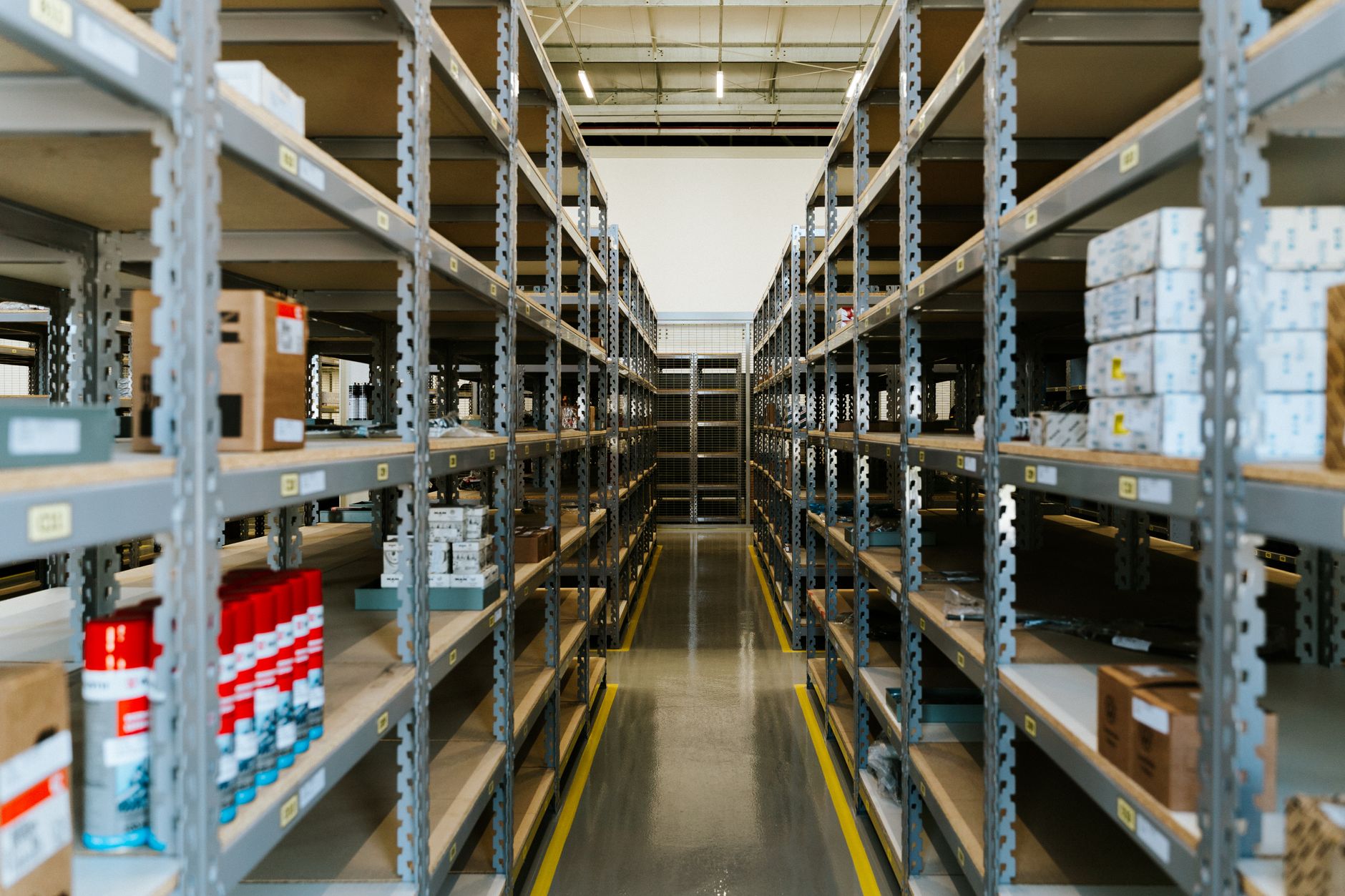
Start with a map of the bay, not the floor plan. Mark rack legs, cable reels, staging carts, machine footprints, and every spot where a crew lifts a heavy part and sets it down. Those are the places where a robot either stalls or gets in someone's way.
Then draw the lanes. Robots do best in clear corridors that run between work zones, with a no-go zone around active jobs and a fixed charging dock out of the main walk. Sweep or lift loose offcuts by hand before the first run, since a stray wire end can snag brushes or wheels. Check the lanes again after any rack move, because a remapped bay changes the route.
When should robot runs happen between jobs?
The best window opens when one job closes and before the next crew stages material. Run the robot after the grease and coolant work is done, because a sweep that runs before a spill lands only has to be repeated. Avoid the minutes when a lift or a press is moving through the lane.
Keep a short log for each run: which zone, what the hopper held, and whether anything was left behind. The research did not verify cleaning-cycle timing for any named robot, so set your cycle length from your own trial rather than from a brochure.
How big is the service robot market for cleaning?
Professional service robot sales rose 24% in 2025, to roughly 250,000 units, according to the International Federation of Robotics as reported by Industrial Production. Cleaning ranked third among professional application areas, behind transportation and logistics, while hospitality ranked second, according to the same IFR data as reported by Australian Manufacturing.
In the prior IFR edition, cleaning robots sold more than 25,000 units in 2024, up 34%, according to the IFR press release on service robot growth. The 2025 cleaning unit count was not in the material we gathered, so we do not state it. The IFR cautions that its figures come from a supplier sample that changes each year, so year-over-year comparisons need care. Read the growth as a direction, not a precise count.
Where does a leased robot fit into a shop's plan?
Service Robot Co. is OEM-neutral. We pick the robot by the debris and the layout, across manufacturers, and then lease it to you through financing on a 3-year lease, with one fixed lease payment quoted after a site assessment. We deploy and integrate the unit, train the crew, and service it under RoboCare, our service plan, backed by regional service engineers in every state we service.
For an elevator shop, the site assessment is where the metal, grease and rack questions get answered on your actual floor. One partner carries the whole lifecycle, so a stuck brush or a failed sensor goes to one number, not six.
What should a shop measure in a first trial?
Pick one bay and one debris mix, then measure before you commit to anything. The results should decide between a sweeper, a scrubber and a manual wipe. Where a vendor claim and a trial disagree, the trial wins.
- Share of ferrous chips lifted on a pass, compared with the same area cleaned by hand.
- Grease or coolant film left after a run, checked by eye and by a dry wipe test.
- Hopper fill and dump count across a full shift.
- Lane conflicts with racks and carts, logged by zone.
- Every stop that needed a crew member to clear it.
Frequently asked questions
Want a robot working for you?
Tell us the job and the site. We will recommend the robot, quote the lease, and keep it serviced.
Sources
- KEMARO metalworking use case page
- US Cleaning Tools industrial floor sweepers
- GlobalSpec magnetic floor sweepers directory
- Industrial Production report on IFR service robot sales
- Australian Manufacturing report on IFR professional service robot sales
- IFR press release on service robot growth
- Kyodo News PR Wire IFR release