Key takeaways
- FAT is your last controlled chance to verify the robot or cell against the purchase spec before it ships.
- Acceptance criteria belong in the contract as measurable pass-fail tests, not verbal promises on test day.
- Safety functions, interlocks, and exception handling deserve the same rigor as cycle time and repeatability.
- Open punch-list items should be classified as ship blockers, conditional release, or explicit SAT carryovers.
- FAT success does not replace site acceptance testing under real floors, loads, and adjacent equipment.
What is factory acceptance testing for commercial robots?
Factory acceptance testing, often called FAT, is the structured verification that happens at the integrator or build shop before robots, mobile platforms, or custom cells leave for your site. According to IEC 62381, FAT demonstrates that the automation system meets the requirements of the agreed specification while the vendor still controls the test environment, tooling, and correction resources.
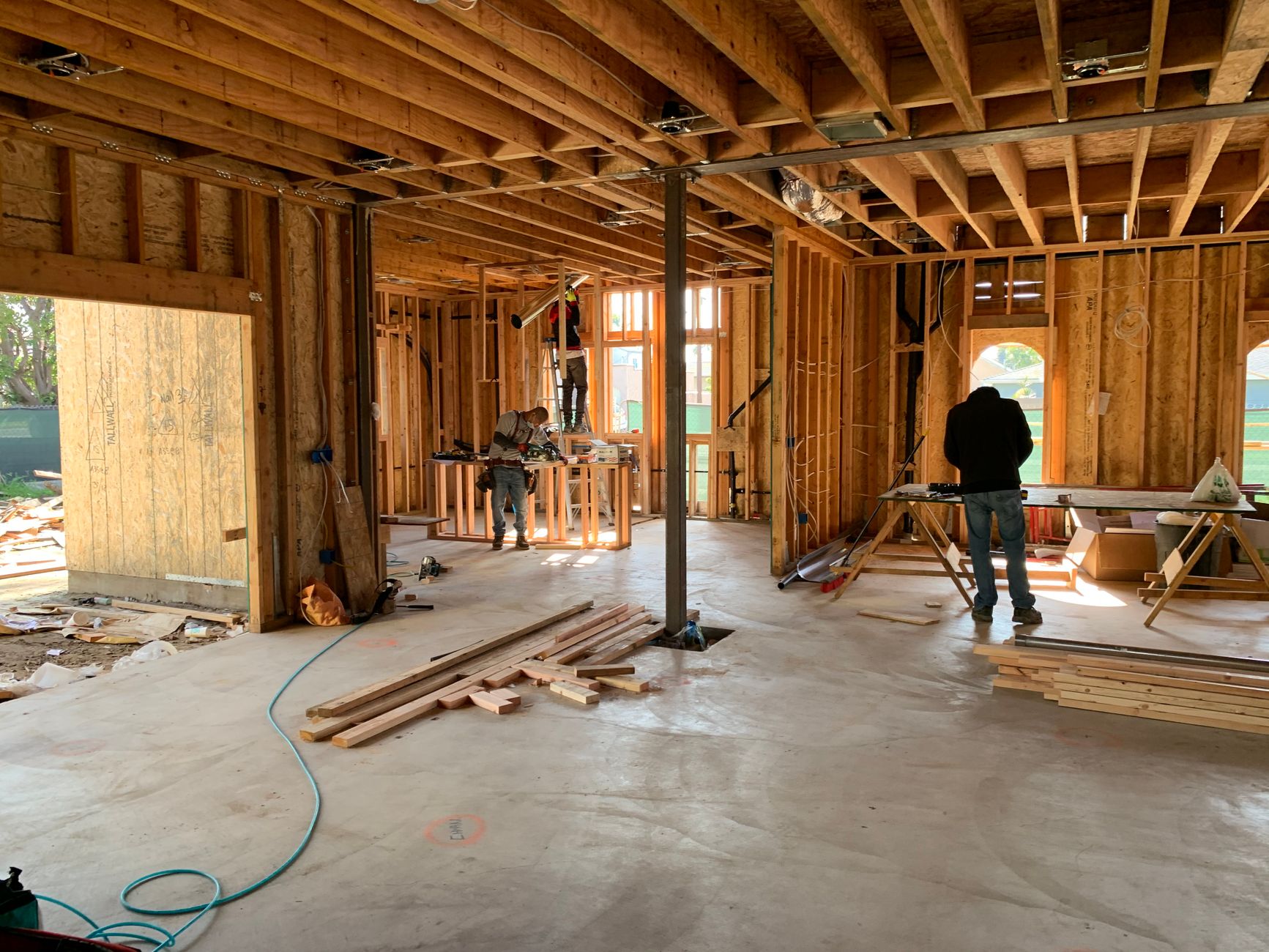
For commercial service robots and integrated production cells alike, FAT is not a marketing demo. It is a procurement hold point with documented measurements, witnessed results, and a clear release or hold decision. Buyers who treat FAT as optional sightseeing often pay twice: once in freight and install delay, and again when site crews discover mismatched I/O, missing manuals, or safety gaps that should have been caught on the shop floor.
Site acceptance testing comes later on your floor with your operators, utilities, and upstream equipment. FAT and SAT are sequential milestones in a sound robot deployment, not interchangeable checkpoints.
When should buyers lock in the FAT protocol?
The biggest preventable FAT failure is writing acceptance criteria after the cell is already built. Procurement guidance from industrial FAT practitioners stresses that the test plan, measurable criteria, and retest rules should be agreed before the FAT date is scheduled, with purchase order, drawings, and software versions available at the test location.
Your protocol should be a numbered list of pass-or-fail conditions, each tied to a value someone records in real time. Vague language like running normally or acceptable quality invites argument on test day and weakens your leverage if the unit ships with latent defects.
For multi-site robot programs or monthly payment structures, aligning FAT scope with payment milestones early also protects finance teams. You can tie partial release to closed critical items while documenting which deviations intentionally carry forward to SAT.
How do you confirm you received the right configuration?
Start FAT by proving identity: serial numbers, firmware and software builds, end effectors, chargers, safety PLCs, and any optional modules match the approved bill of materials and purchase order. Compare nameplate data, network addresses, and guarding layouts to the latest controlled drawings.
Walk the physical cell for labeling, cable routing, torque marks on critical fasteners, and completeness of accessory kits. Missing consumable kits, spare tooling, or charger variants discovered at SAT routinely add weeks to go-live.
If your deployment includes building interfaces such as elevator APIs, dock stations, or fleet dashboards, verify that the software versions under test are the same builds slated for production rollout, not a one-off demo branch.
- Serial numbers and asset tags match the PO line items
- Controller, HMI, and safety processor firmware versions are logged
- Guarding, light curtains, and door interlocks match the risk assessment package
- Spare parts list cross-checks against the agreed BOM

Which performance tests belong in FAT?
Performance testing should mirror your production intent within the limits of the shop. Define cycle time or task completion time, repeatability tolerances, payload or tray weight, and the number of consecutive successful cycles required to pass. Industry FAT templates recommend specifying test duration, load conditions, and instrument traceability so results survive an audit years later.
For mobile robots, include route completion, docking accuracy, obstacle stop behavior, and battery state transitions across a representative shift segment. For fixed cells, exercise full automatic sequences with realistic part mix, not only the easiest teach point.
Record measured values, not checkmarks. Photos of HMI fault logs, timestamped video of edge cases, and shared spreadsheets for remote witnesses all strengthen the evidence pack if SAT reveals a borderline issue.
What safety and exception handling must you witness?
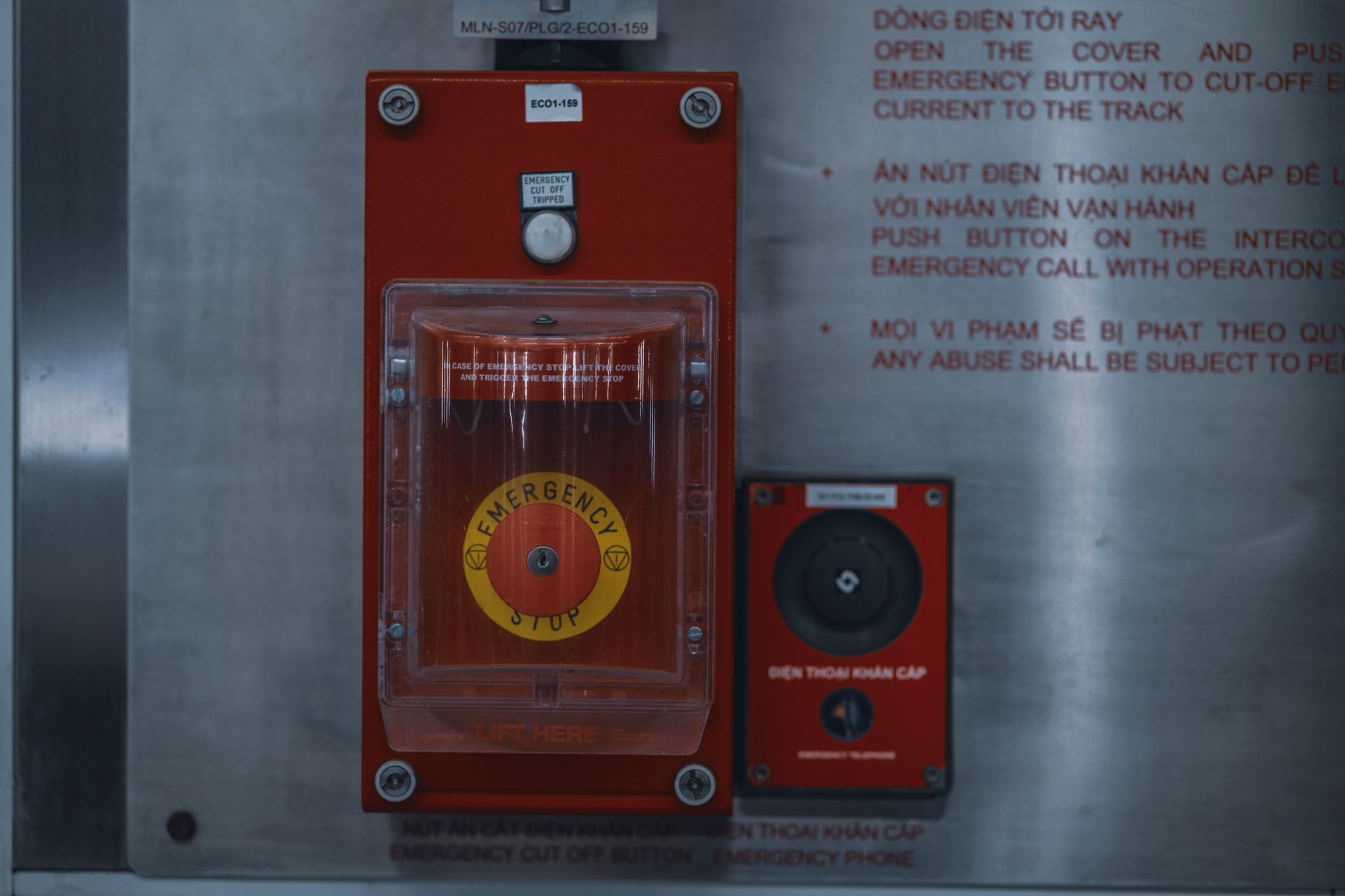
U.S. robot deployments still anchor on ANSI/A3 R15.06 safety requirements, with FAT as the practical moment to exercise safeguarding before operators share the floor. Commissioning guides for robot cells routinely include FAT checks for emergency stop, reset behavior, operating modes, door interlocks, and safety-related I/O.
Test exception paths deliberately: forced e-stop mid-cycle, loss of compressed air or vacuum, communication drop to a host system, and recovery after a manual reset. You are validating that the cell fails safely and restarts predictably, not only that it runs when nothing goes wrong.
Document who may enter the test envelope during each mode, and confirm training artifacts exist for maintenance and operator roles. FAT is an appropriate time to verify that interim safeguarding plans from integration match what will travel with the shipment.
How should interfaces and fleet software be tested?
Modern commercial robot programs depend on interfaces as much as mechanics. FAT should exercise fieldbus or Ethernet I/O, API callbacks to facility systems, label printers, call buttons, and warehouse or property management hooks that appear in your scope.
Simulate host commands you will use in production: pause fleet, reroute a unit, acknowledge a fault, and confirm audit logs capture operator IDs where required. For cleaning or delivery fleets, verify map versions, zone permissions, and chemical or payload profiles load correctly after a controlled reboot.
If your integrator provides a neutral operations dashboard across vendors, confirm that user roles, alert routing, and maintenance tickets behave as specified. One partner and one number for lifecycle support only works when the software handoff is tested, not assumed.
What documentation and spares should ship with the robot?
Request the FAT document set before testing begins. Typical packs include electrical schematics, pneumatic diagrams, risk assessment summaries, maintenance schedules, recommended spare parts, calibration certificates, and as-built parameter exports.
Cross-check languages, units, and revision dates. A manual that describes an earlier gripper or obsolete map format becomes shelf weight while your night crew waits on a field engineer.
Spares strategy belongs in FAT scope for fleets with uptime guarantees. Confirm consumable quantities, critical wear items, and loaner or backup unit coverage match the service plan you purchased, especially when robots run across multiple sites under one contract.

How do you handle open items and conditional release?
Not every deviation should block shipment, but every deviation should be classified. Use a punch list with severity, owner, due date, and whether the item must close before ship, before SAT, or before final payment.
Procurement-oriented FAT checklists distinguish release, conditional release, and hold decisions with retest rules for failed items. Critical safety or performance gaps should not ride on verbal promises to fix in the field.
Carry forward items that truly depend on site conditions, such as final Wi-Fi heat maps or elevator certification, but write them as explicit SAT line items with acceptance criteria. Ambiguous carryovers become the disputes that delay robot leasing programs and pilot conversions.
Where does a full-service integrator fit in FAT planning?
Service Robot Co. acts as an OEM-neutral integrator: we align robot choice to your floor, then finance, deploy, train, and service units nationwide. That lifecycle view shapes how we write FAT protocols with buyers who need turnkey robot deployment without juggling separate vendors for safety, software, and spares.
When you want vendor-neutral robot integration with one accountable partner, involve that partner while the FAT criteria are still editable. Early alignment keeps shop tests focused on the outcomes your facility teams will measure again at SAT, from overnight cleaning coverage to AMR handoffs at busy intersections.