Key takeaways
- GCSAA's 2025 survey puts fairway mowers on 49% of superintendents' high-priority equipment lists.
- The labor market improved since 2022, yet 34% still call hiring conditions bad or very bad.
- Autonomous fairway and rough programs target seat time, not greens, tees, or bunkers.
- A mapped site assessment should precede any buy-or-lease decision on wide-area mowing.
What should superintendents take from the 2025 GCSAA capital survey?
The Golf Course Superintendents Association of America asked facilities nationwide how they view labor, budgets, and equipment needs in 2025. Fairway mowers landed on the urgent side of the list: 21% of respondents rated them very high priority and another 28% rated them high priority, according to the 2025 Capital Budget and Labor Survey report.
That equipment pressure arrives while hiring is still uncomfortable. In the same survey, 34% of superintendents described the labor market as bad or very bad in 2025. That is a real improvement from 2022, when 63% used those labels, but it is not a labor surplus.
If you lead agronomy at a public, private, municipal, or resort course, the takeaway is simple. Capital plans still want fresh fairway iron, and the crew you have is still the bottleneck for detail work golfers notice.
Why do fairway and rough mowers keep ranking so high?
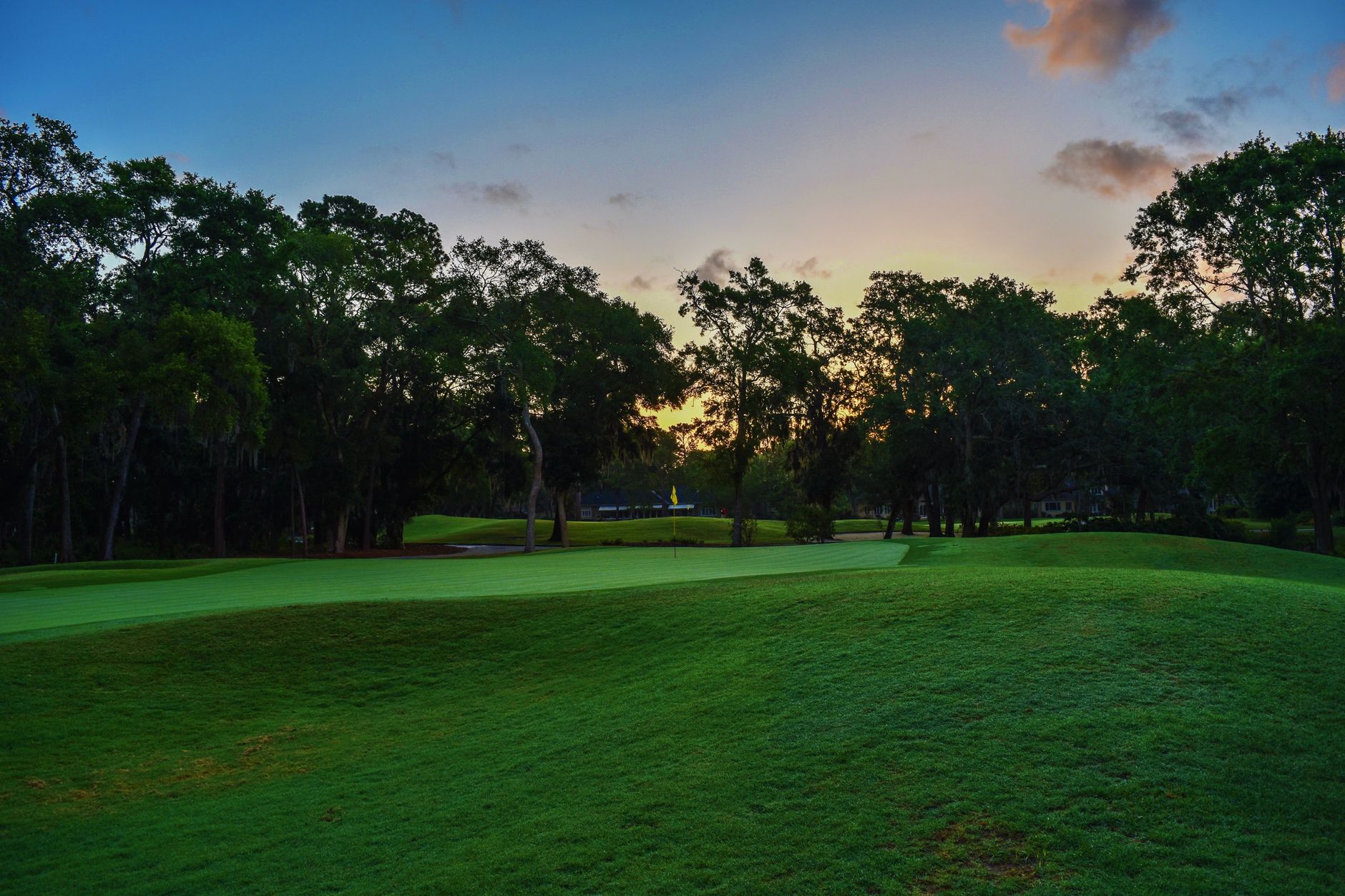
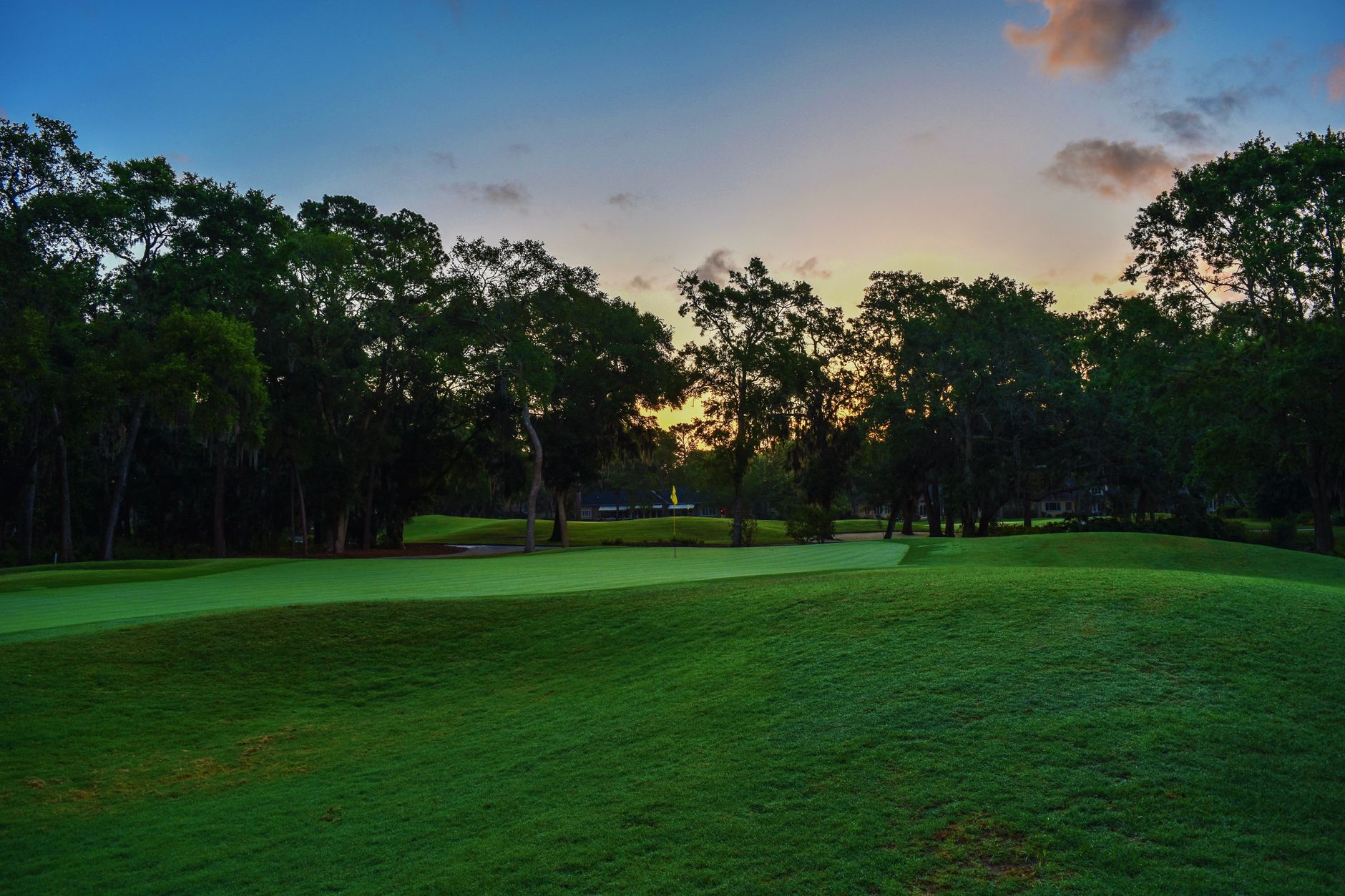
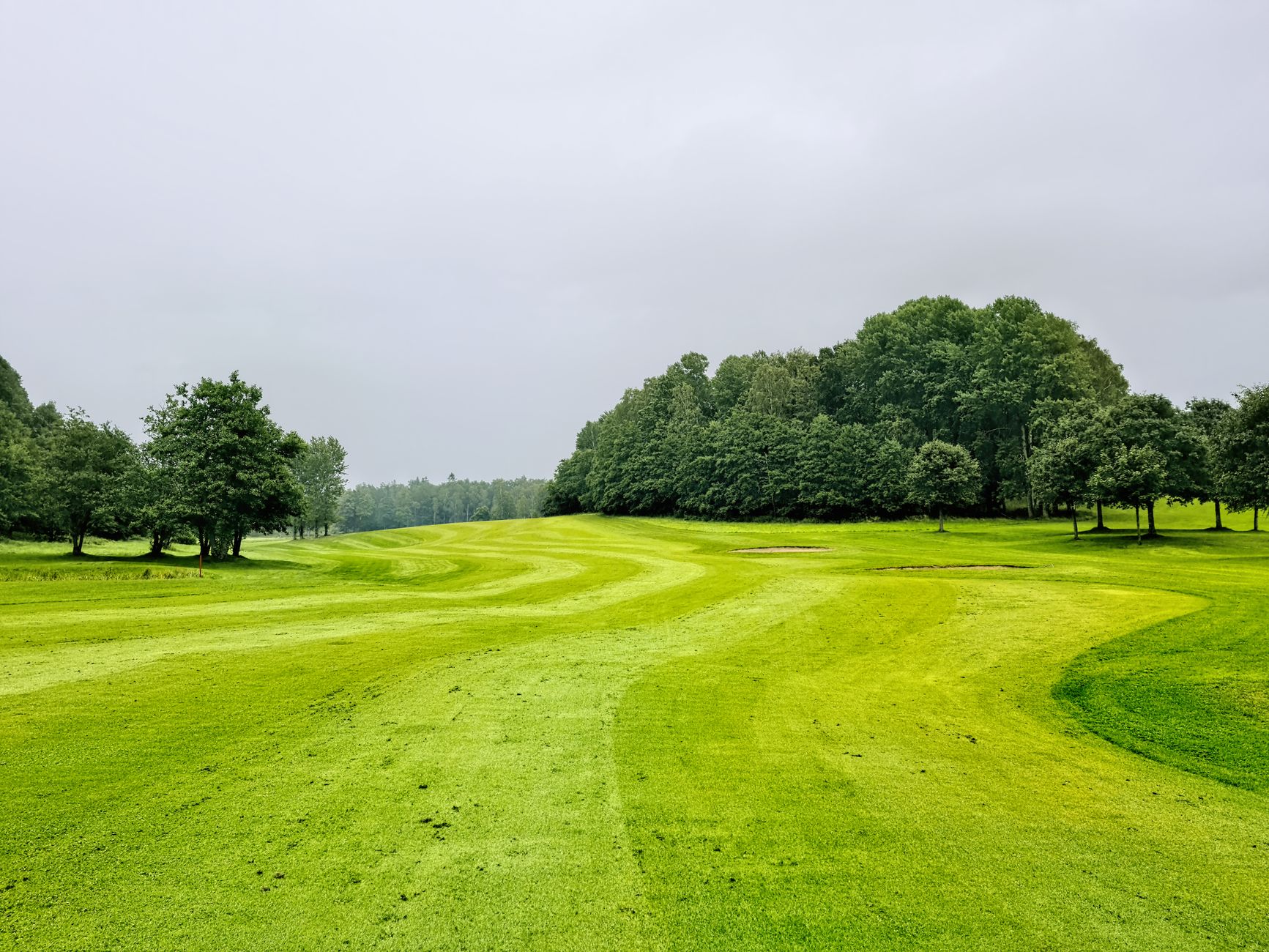
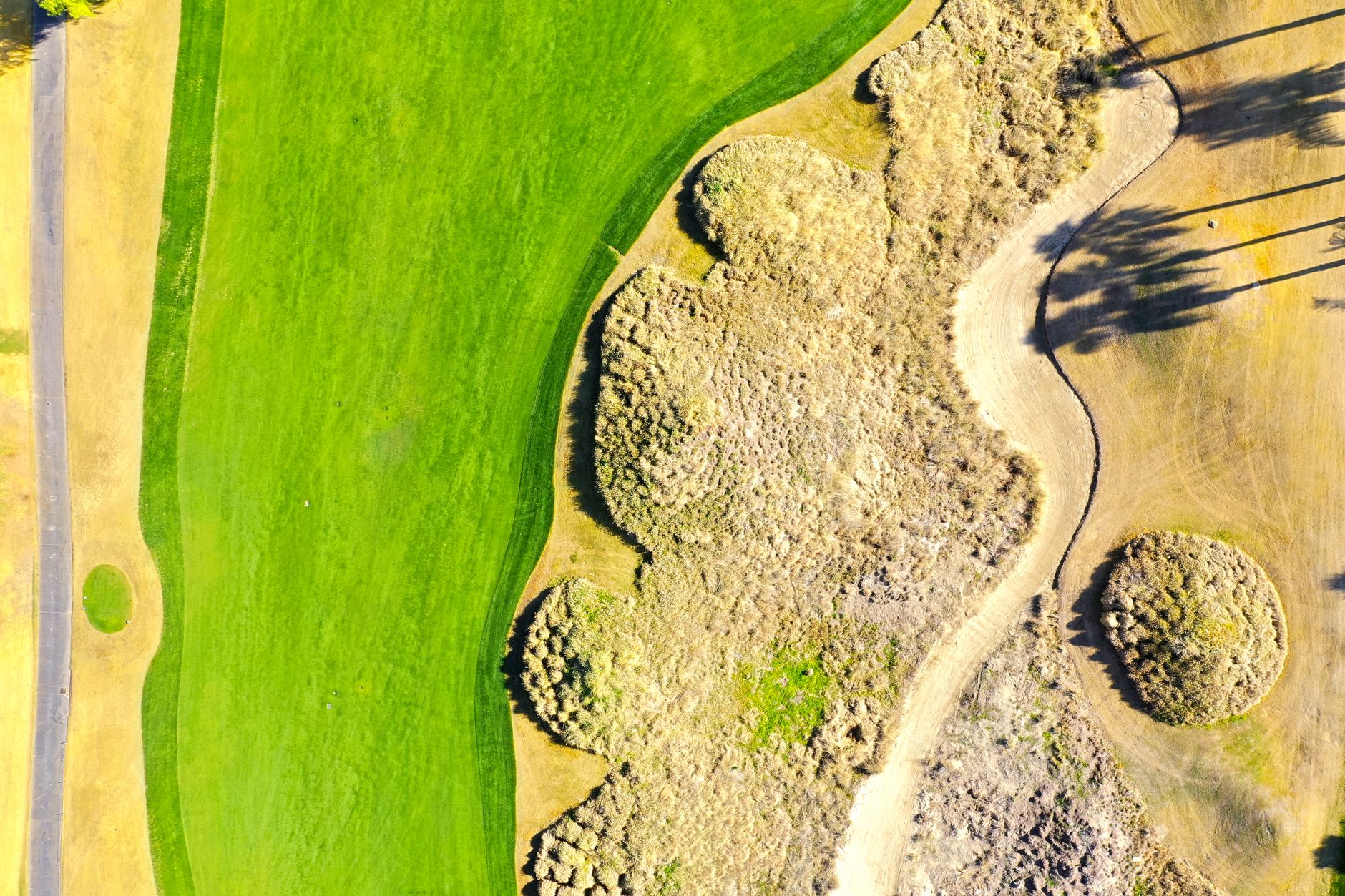
Wide-area mowing is volume work. It burns fuel, hours, and equipment life whether the grass is on a fairway or in the rough. The GCSAA survey shows rough mowers in the same band as fairway units, with 20% very high and 29% high priority.
Triplex greens mowers and turf sprayers also score strongly, which reflects how superintendents balance playability, plant health, and labor at once. Fairways and rough simply eat more seat time per acre than a green surround pass.
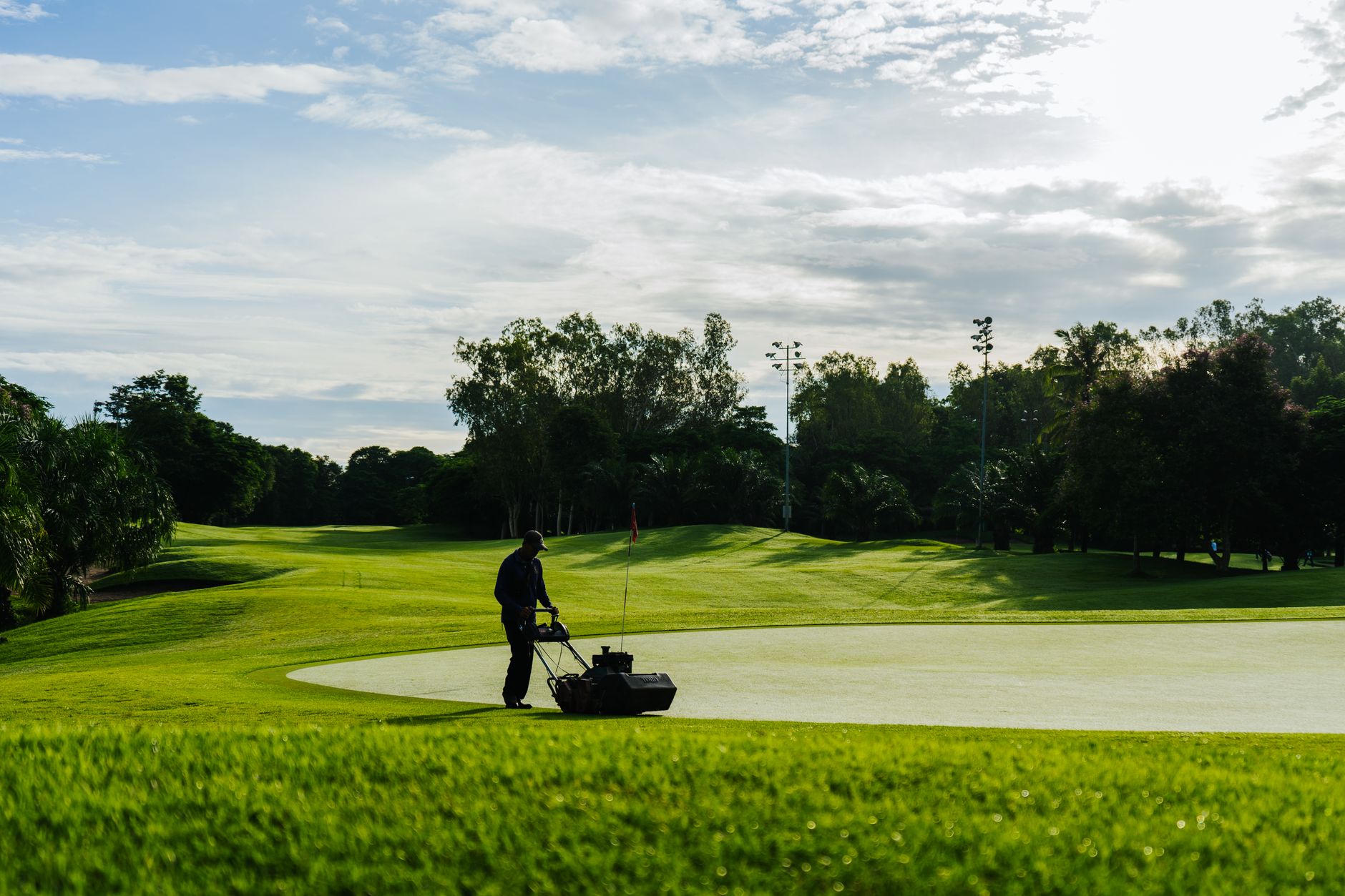
When capital committees see aging reels and rising maintenance tabs on those big units, a fairway mower line item is an easy yes. The harder question is who will run them every morning.
Is the labor picture actually getting better?
Yes, but slowly. The share of superintendents calling the market good or very good climbed from 9% in 2022 to 31% in 2025 in the GCSAA data. The very bad bucket shrank from 21% to 7% over the same period.
USGA Green Section reporting in 2024 still ranked lack of qualified and skilled labor as the highest current concern in its national superintendent survey. Budget pressure and wage competition from other industries keep that worry alive even when headline hiring feels less dire.
Golfdom reporting on the 2022 GCSAA labor survey noted that half of Americans view golf course work positively yet still associate it with seasonal stress and long hours. Recruitment branding helps, but it does not create extra fairway hours on the clock.
Where should crew hours go if fairways still need cutting?
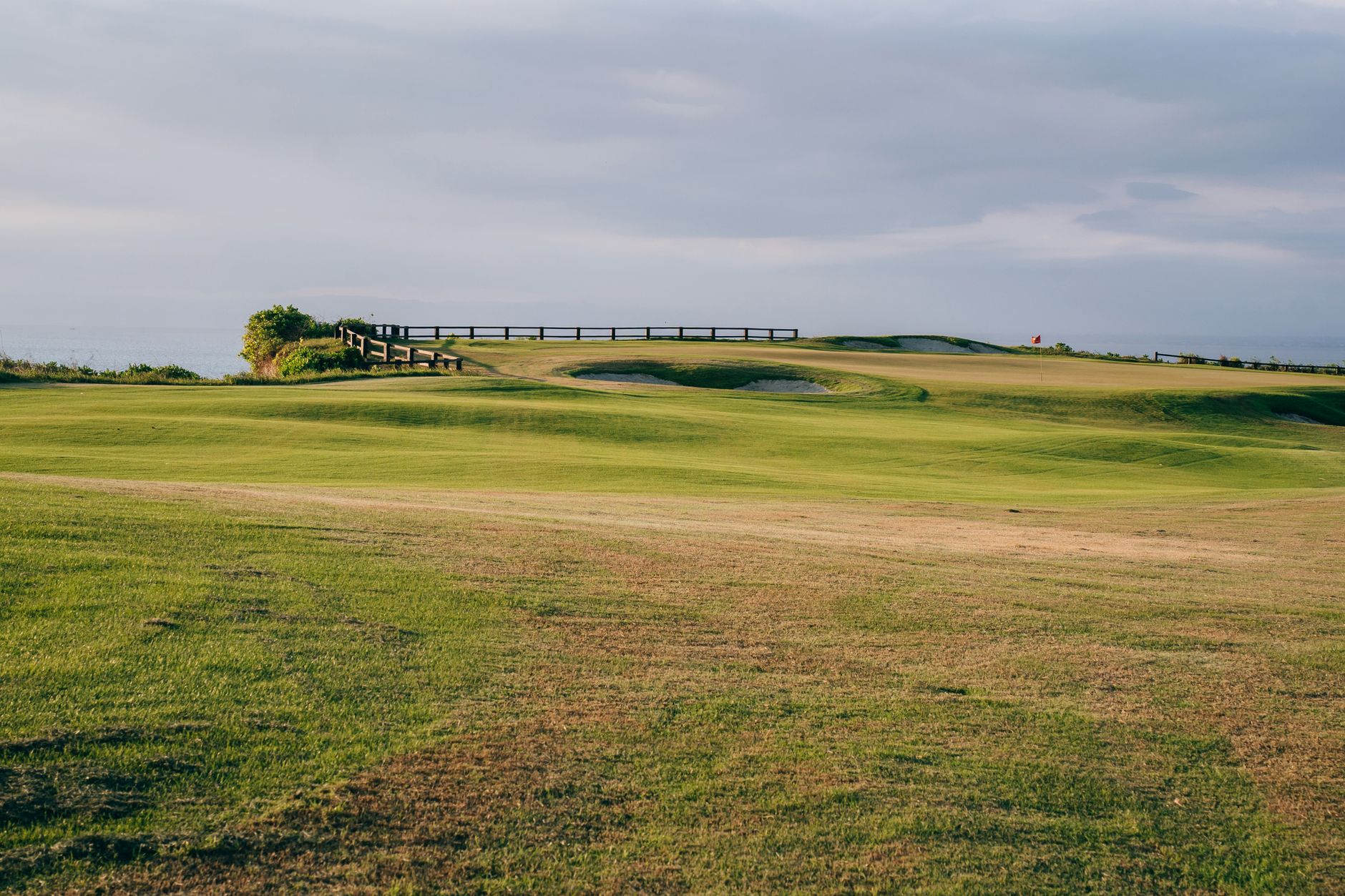
GCSAA reports that 92% of superintendents run a single daily maintenance shift. There is no hidden second crew waiting on fairways while greens get top dressed.
The trade is blunt. Every hour on a fairway pass is an hour not spent on bunkers, tee blocks, approaches, or tournament setup. Member complaints rarely start with a slightly higher rough clip. They start with a washed-out bunker edge or a bumpy approach.
Reallocating seat time off fairways and rough is the operational goal behind any automation pitch. You are not trying to eliminate agronomy staff. You are trying to stop losing your best people to the widest loops on the property.
How do autonomous fairway and rough mowers fit that trade?
A lawn mowing robot built for golf fairways and rough follows a mapped route on a schedule you set around play. It returns to its charger when the cycle ends. Greens, tees, bunkers, and hand mowing stay with the crew by design.
The machine does not replace tournament prep or cultural practices. It replaces repetitive wide cuts that keep skilled operators on a mower seat instead of detail work.
Courses buy the unit outright or lease it through financing after a free site assessment. Pricing lands in a written quote once mapping, slopes, and stay-out zones are understood. Service Robot Co. handles setup, staff training for the monitor role, and ongoing support under RoboCare.
What happens during a site assessment and mapping walk?
Before any autonomous route goes live, integrators walk the course with the superintendent team. Fairway corridors, rough limits, collars, hazards, and cart paths become geofenced zones.
Slope, drainage, and tree lines that stay manual are marked explicitly. Quiet windows for early or overnight passes are agreed with the pro shop and general manager so play stays smooth.
Pilot routes often start on one nine or a practice fairway where traffic is predictable. Expansion follows once the crew trusts the schedule and the playing surface stays consistent.
What else can automation cover around the clubhouse?
Fairway mowing is the lead conversation, yet the same integrator relationship can extend to floor-cleaning robots for locker rooms, sweepers for cart paths and patios, solar security cameras for parking lots, and inspection drones for turf or irrigation checks.
Those tools do not shrink the fairway job. They reduce parallel labor pulls on the same small maintenance team during event weeks.
Keeping one vendor for mapping, financing, deployment, and service avoids juggling separate contracts when the board asks for a coherent modernization plan.