Key takeaways
- U.S. pet boarding services revenue reached about $2.65 billion in 2024, so more facilities are scaling square footage faster than they can scale floor labor.
- Federal animal care rules expect hard kennel surfaces to be spot cleaned daily and sanitized on a regular cycle, which makes repeatable machine scrubbing attractive.
- Autonomous scrubbers earn their keep in corridors, wash-down zones, and reception areas, not inside occupied dog runs during peak noise hours.
- Buy or lease financing spreads capital cost while an integrator maps drainage, chemical choice, and staff training before the first overnight run.
Why are boarding operators looking at scrubber robots now?
Pet boarding is not a side hobby anymore. Grand View Research reported U.S. pet boarding services revenue at about $2.65 billion in 2024, with a 7.9 percent compound annual growth rate forecast through 2030 in its 2025 outlook. More suites, more daycare traffic, and longer stay options all add hard floor square footage that still has to look and smell clean at check-in.
At the same time, kennel teams are stretched. According to the U.S. Bureau of Labor Statistics May 2024 occupational estimates, median pay for janitors and cleaners in Georgia was about $33,130 per year, and boarding markets in the South already compete with hotels and clinics for the same overnight workers. A scrubber robot does not replace the handler who knows each dog. It takes over the repetitive wet work in the corridors and service areas that eat hours after the last guest arrives.
That is why scrubber robots moved from curiosity to budget line in 2026 planning meetings. The question is no longer whether the technology works. It is where it fits without stressing animals or fighting your drains.
What makes kennel floors harder than a typical retail back room?
Boarding floors see a different abuse profile than a warehouse aisle. Moisture from wash-downs, tracked-in rain from play yards, hair, and food crumbs combine into a film that gets slippery fast. Sealed concrete and epoxy coatings help, but only if someone actually scrubs them on a schedule.
Turnover adds pressure. Under 9 CFR 3.11, hard surfaces in primary enclosures must be spot cleaned daily, and used enclosures must be sanitized at least once every two weeks, or more often when soiled. Many state and local kennel licenses go further, requiring a full clean and dry cycle before the next animal moves in. Hand mopping every vacated run is correct. It is also slow when you have a full Saturday checkout wave.
Chemistry matters as much as mechanics. Disinfectants need contact time. Residue left in puddles can irritate paws. Phenolic products that work in some barns are a poor fit around dogs, which is why facility guides stress rinsing, drying, and picking formulas approved for animal areas. A scrubber that lays down solution, scrubs, and vacuums in one pass reduces standing water compared with a bucket and mop.
Where should an autonomous scrubber run in your layout?
Start with zones dogs do not occupy during the cleaning window. Reception, laundry hallways, kitchen galley floors, and the path between the office and the kennel wing are high value targets. They stay dirty from foot traffic even on light days, and they are usually wide enough for a mid-size autonomous scrubber to turn.
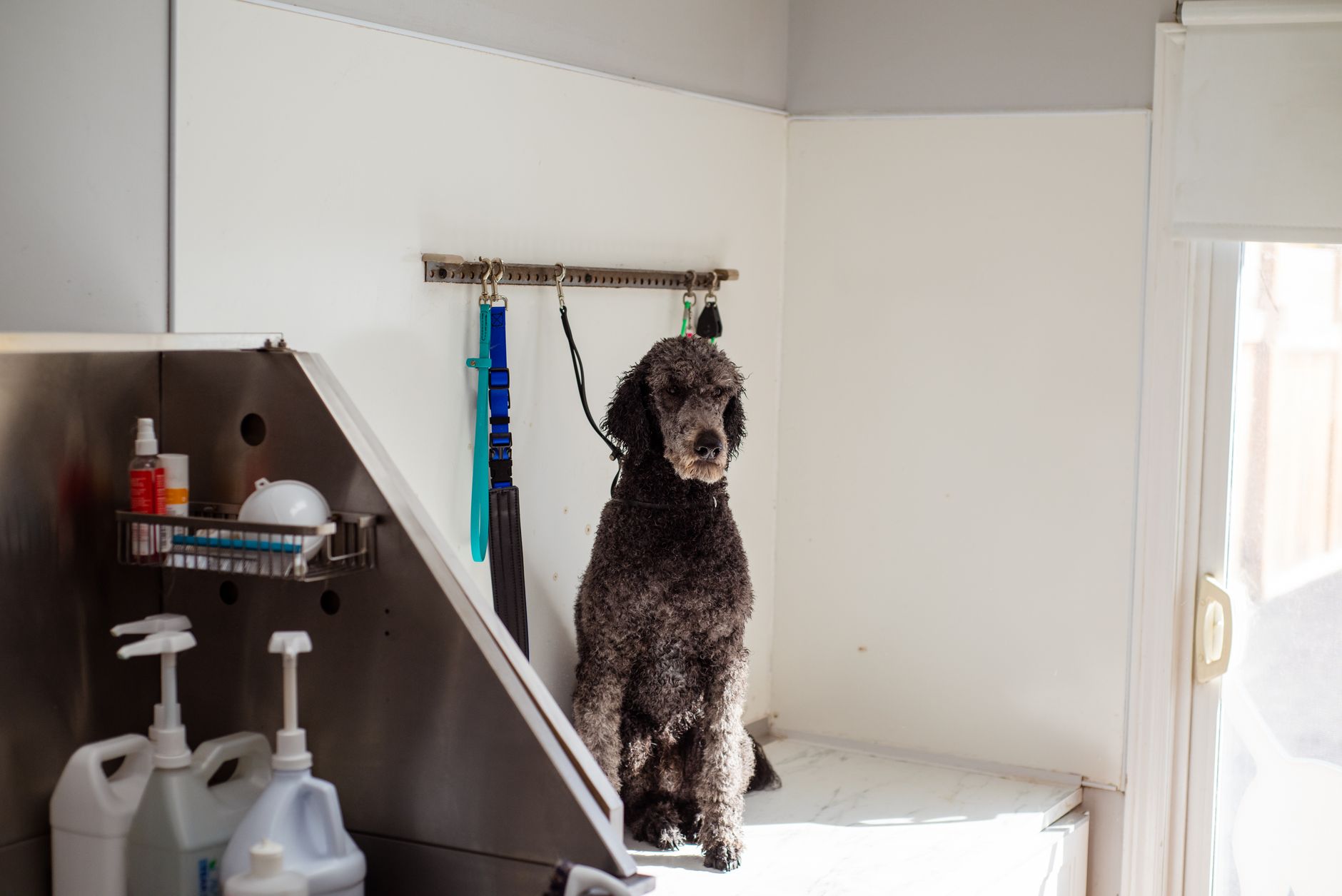
Wash bays and grooming bays are the next tier. These rooms already have drains, hose bibbs, and staff trained on wet procedures. A scrubber scheduled after the last groom of the night can recover tile grout lines that mops only smear.
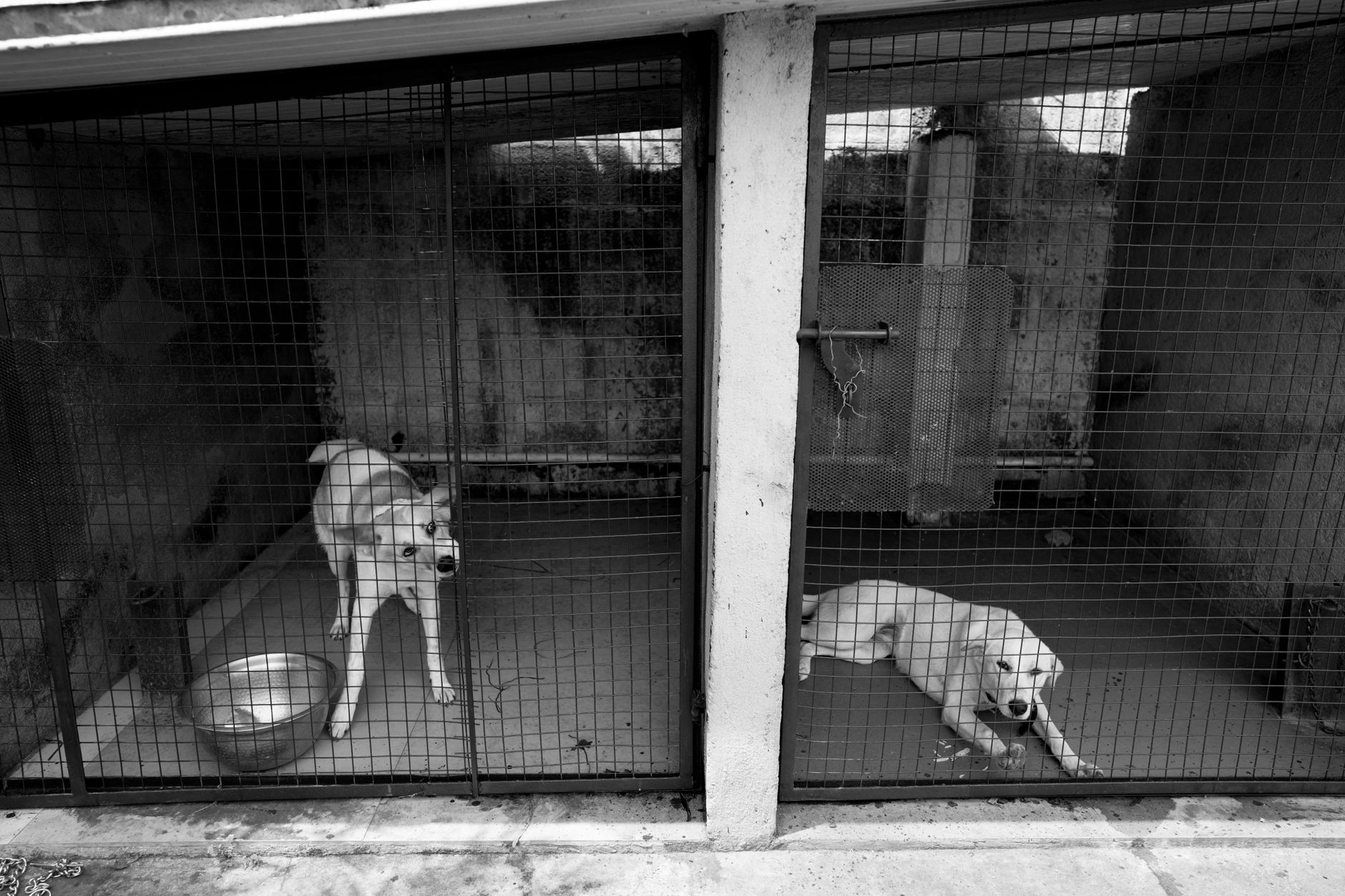
Inside active dog runs, robots are usually a poor fit during occupancy. Federal rules require animals to be removed before high pressure water cleaning in tight enclosures unless the space is large enough to avoid distress. Even when legal, the noise and motion can spike barking that stresses the whole building. Treat occupied runs as hand clean zones, and let the robot own the connective tissue between them.
- Priority zones: entry, corridors, staff paths, and laundry routes
- Strong fits: grooming rooms and wash-down bays with floor drains
- Usually hand cleaned: occupied runs and small isolation rooms during turnover
How do you schedule scrubbing without stressing the dogs?
Sound travels in a kennel. Plan robot runs when barking is already low, typically late evening after final potty rounds or the quiet stretch between breakfast and first play group. Close doors to the boarding wing if your floor plan allows, and post a simple staff sign so no one sends a late check-in through a wet corridor.
Run mapping matters. Autonomous scrubbers follow taught paths. Keep routes away from fence lines where anxious dogs pace. Slow speeds in hallways near suites reduce splashing against door thresholds.
Coordinate with turnover. Many operators run robots on a fixed nightly cycle for common areas, then reserve midday staff time for vacated runs that need a full sanitize before the next guest. The robot shortens the night shift so humans can focus on bedding, bowls, and health checks.
What should you plan for drainage, slope, and chemicals?
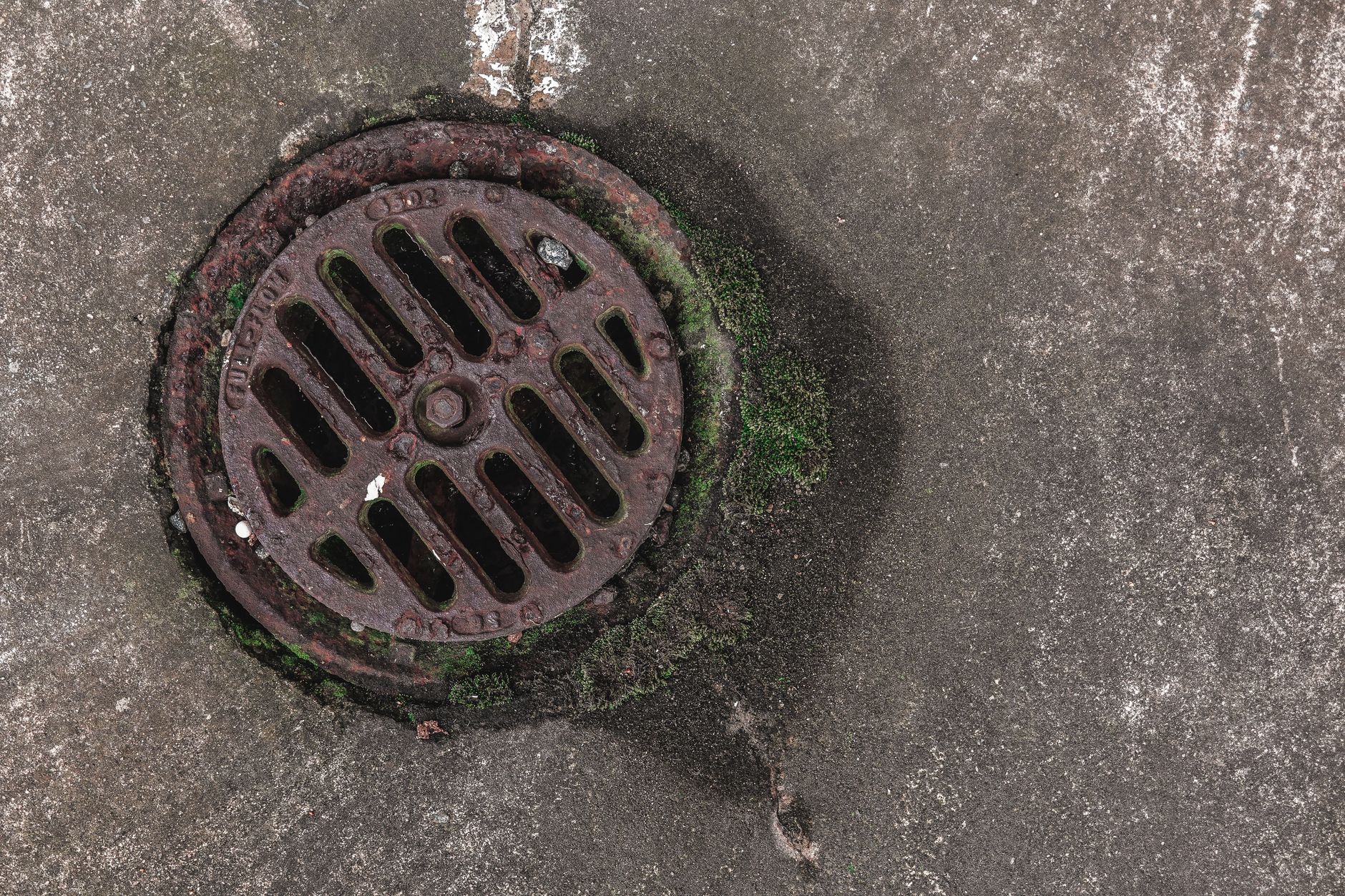
Autonomous scrubbers recover most water, but they are not magic. Floors need a slope toward drains, and gasketed thresholds so solution does not creep into suites. If your building predates modern kennel codes, a site walk with an integrator often finds low spots that need a quick grind or a rerouted path before the first teach run.
Match detergent to your coating and to animal safety data sheets. Alkaline degreasers that cut kitchen grease can dull some epoxy finishes over time. Facilities often keep two approved products: a daily cleaner for corridors and a stronger sanitize cycle for grooming bays, always followed by a fresh water rinse where rules require it.
Recovery tanks need a labeled dump point away from play yards. Staff should log chemical batches the same way they log disinfectant for runs, so you can answer inspector questions with dates and product names.
Does buying or leasing through financing beat adding night janitorial shifts?
Night janitorial contracts bill every month whether occupancy is high or low. A scrubber bought outright or leased through financing concentrates cost in the asset and the service plan you choose. You still budget labor for runs and turnovers, but you stop paying someone to push a mop down the same two hundred feet of hallway.
Service Robot Co. stays OEM neutral: we match scrubber size to your door widths and drain layout, then finance, deploy, map, train, and support the unit under RoboCare with a nationwide network of regional service engineers. A free site assessment is the right place to measure corridors, note drain locations, and decide if one machine covers both the grooming wing and the front of house.
The payoff is measured in hours returned to animal care, not in a flashy demo. When Grand View Research projects boarding revenue still climbing through 2030, the facilities that win are the ones that scale cleaning throughput without scaling overnight headcount at the same rate.