Key takeaways
- Championship venues used autonomous fairway mowing in 2025, shifting overnight labor away from rough and fairway cuts.
- Clubhouse, locker room, and grill floors still need daily care even when fairways are automated.
- Phasing indoor scrubbers after fairway robots avoids fighting tournament prep calendars.
- A vendor-neutral integrator can map indoor routes while agronomy keeps turf priorities.
Why are fairway robots showing up at major championships?
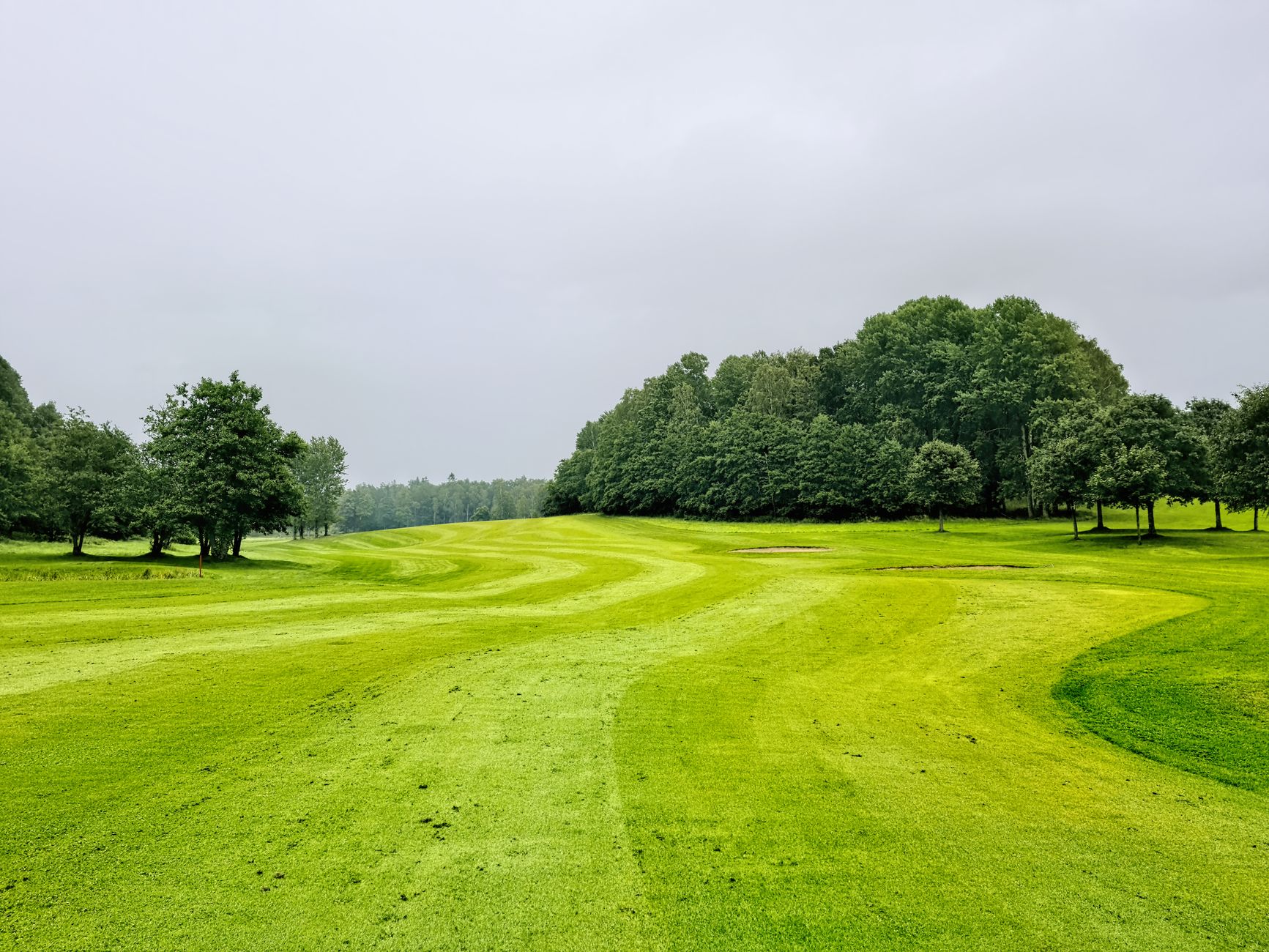
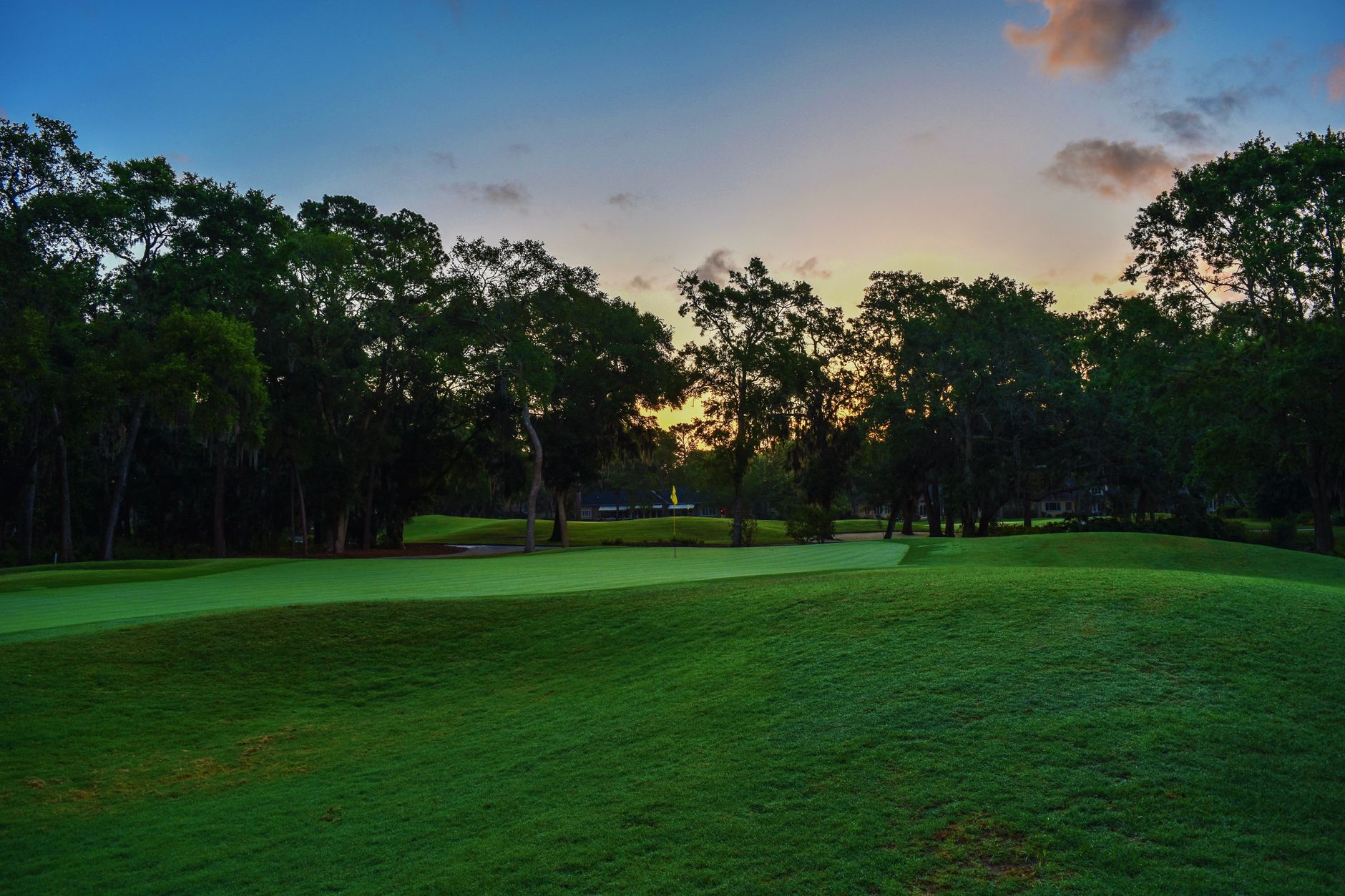
Golf's highest-profile tournaments are testing autonomous fairway mowing in plain sight. According to SportsPro, The R&A deployed robotic mowers at Royal Porthcawl for the 2025 AIG Women's Open in August 2025, describing it as the first time such technology supported an R&A Championship.
The same report notes that as many as 15 robotic mowers started work at 1:30 a.m. and finished by 5 a.m., cutting fairways and the practice area while greenkeepers focused on greens and wider course management. That schedule is the heart of the story for club leaders reading this at a daily-fee or private property in the United States.
When fairway cuts move to quiet overnight runs, the crew hours tied to diesel fairway units do not simply vanish. They become available for detail work, and much of that detail work still lives inside the clubhouse footprint.

What changes for the grounds crew when fairways mow themselves?
UK club Thonock Park told Golf Business News in 2025 that five Turf Pro autonomous mowers cut fairways and rough on 18 of its 36 holes, and that the club reassigned skilled greenkeepers to tasks that need more specialist attention. During wet months the club expected to keep using the lighter robotic units when heavier diesel machines would struggle.
That pattern mirrors what JC Golf reported across six Southern California courses since 2025: autonomous mowers handle routine rough mowing while agronomy teams spend more time on presentation, turf health, and long-term improvements. Corporate Director of Golf Maintenance Jon Christenson told JC Golf that 2026 would bring expanded use, still focused on rough areas first.
For a superintendent, the trade is straightforward. Fairway and rough hours shrink on the mower seat. Bunker work, tee setup, irrigation checks, and member-event prep rise on the priority list. Indoor spaces compete for the same people.
Where do clubhouse floors still fall behind?

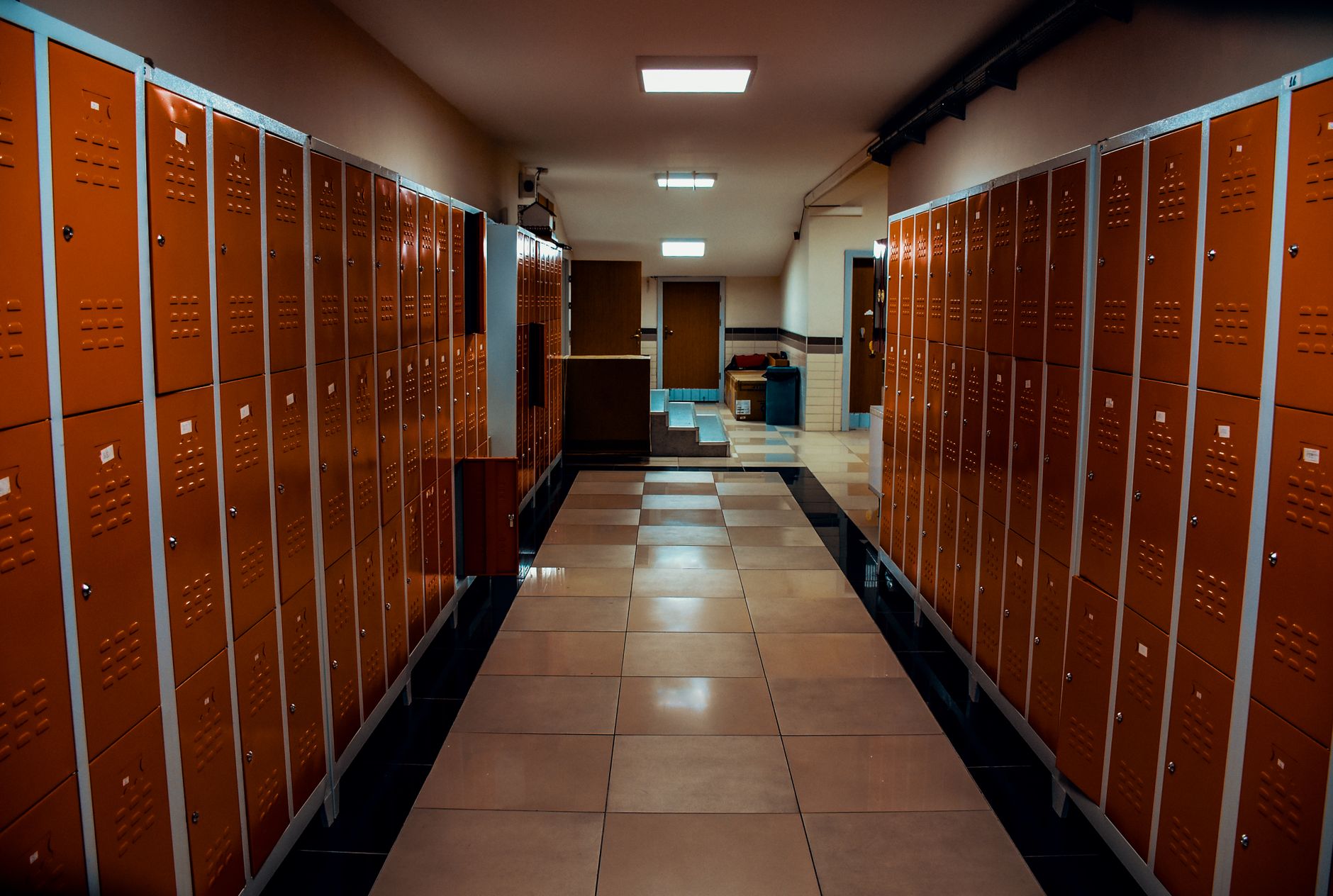
Cart paths and patios get attention when agronomy invests in outdoor automation, but locker room tile, grill kitchen grease, and pro shop entry mats follow a different clock. They pick up foot traffic from dawn tee times through the last beverage sale.
Tournament weeks compress that clock further. Bathrooms that already see hundreds of visits on a normal Saturday can see concentrated spikes when qualifying fields or member-guest events land on the calendar.
Autonomous fairway mowing does not scrub a locker room shower bay or pull salt from a grill mat. Those jobs still ride on porters, outside contractors, or stretched hourly staff.
How should you split outdoor mowing from indoor floor care?
Treat fairway automation and indoor scrubbing as two projects with one labor pool, not one purchase order. Map which tasks moved off the crew calendar first, usually fairway and rough mowing, then list indoor zones that still miss a nightly pass.
Start with high-traffic hard floors: main clubhouse entries, locker room corridors, and kitchen-adjacent hallways. These areas show wear fastest and are easiest to map with an autonomous scrubber on a buy or lease plan.
Keep greens and tees on human schedules. The championship examples above still relied on greenkeepers for putting surfaces and course presentation while robots handled fairway width cuts overnight.
- Phase 1: entries, locker corridors, and grill hallways after close
- Phase 2: pro shop and bag room mats on a second nightly route
- Phase 3: event-week touch-ups layered on top of baseline scrubber runs
Can you add indoor scrubbers without disrupting tournament prep?
Royal Lytham and St Annes prepared for the AIG Women's Open in 2026 with a hybrid fairway program that paired conventional cylinder mowing with Husqvarna autonomous units, according to Golf Business Monitor. Hybrid turf programs leave little slack on the calendar right before a major.
Indoor robots earn their place when they run on a fixed overnight window that does not cross agronomy's early-morning setup. Schedule scrubber routes after the grill closes and before the first staff unlocks the shop.
Run a short pilot on a non-event week. Capture water fill times, doorway widths, and elevator thresholds before you promise members a spotless locker room during championship hospitality.
What numbers should a GM actually track?
SportsPro's Royal Porthcawl detail gives you a concrete outdoor benchmark: up to 15 mowers running from 1:30 a.m. to 5 a.m. on fairways and practice turf. Compare that block to how many labor hours your club still spends mopping locker rooms after a busy Saturday.
Thonock Park's five-mower fairway and rough footprint across 18 holes is another real-world scale point for a 36-hole property evaluating crew reallocation.
Indoor metrics stay simpler: square feet scrubbed per night, repeat passes on entries, and member comments tied to specific zones. Tie those indoor metrics to the same weekly labor chart you already use for agronomy.
When does a commercial robot integrator fit the clubhouse side?
Fairway mowing vendors and indoor scrubber vendors rarely share the same deployment playbook. Door sills, drain grates, and narrow locker aisles need a mapping pass that turf-focused projects skip.
Service Robot Co. acts as an OEM-neutral integrator: we select indoor scrubbers and related units across manufacturers, finance purchases or leases, deploy with mapped routes, train staff, and service units through a nationwide engineer network under RoboCare.
That model matters when your superintendent is already managing a new outdoor fleet. One partner for indoor deployment keeps IT handoffs, training, and service tickets from splintering across three vendors.
What should you do before the next busy season?
Walk the clubhouse with agronomy and housekeeping leads on the same clipboard. Mark which fairway hours autonomous mowing already freed, and which indoor zones still rely on overtime.
Book a site assessment focused on hard-floor routes, not turf. Bring doorway measurements and photos of drain layouts so indoor mapping does not stall on day one.
Plan financing as buy or lease before you announce anything to members. Phased indoor rollout beats a single big-bang reveal the week before a member-guest.