Key takeaways
- GCSAA's 2025 survey still shows one in three superintendents calling labor availability bad or very bad, even after a sharp improvement since 2022.
- Fairway and rough mowers sit high on equipment priority lists while 92% of courses run a single maintenance shift.
- Autonomous fairway passes are a crew multiplier when mapped routes free skilled operators for greens, bunkers, and prep work.
- Buy or finance decisions for mowing equipment already mix cash, bank loans, and leases on most U.S. courses.
- Mapping, staff training, and service planning matter as much as the hardware when labor stays scarce.
What did GCSAA find about labor in 2025?
If you manage fairways and rough on a busy U.S. course, the 2025 Capital Budget and Labor Survey from the Golf Course Superintendents Association of America (GCSAA) is worth a close read. Fielded from April 21 through July 25, 2025, it drew 1,299 completed responses from Class A and B superintendent members, a 17% response rate with a reported margin of error near plus or minus 2.5 percentage points.
The headline labor figure is mixed news. According to GCSAA, 34% of respondents rated general maintenance staff availability as bad or very bad in 2025. That is still a large share of the market under stress. It is also far below the 63% who said the same in 2022, when very bad alone was 21% compared with 7% in 2025.
Good and very good ratings climbed to 31% combined in 2025, up from 9% in 2022. The middle held steady. Neither good nor bad sat at 35% in 2025. Hiring is not solved. It is simply less awful than the post-pandemic crunch superintendents remember.
Why does labor data matter for fairway mowing?
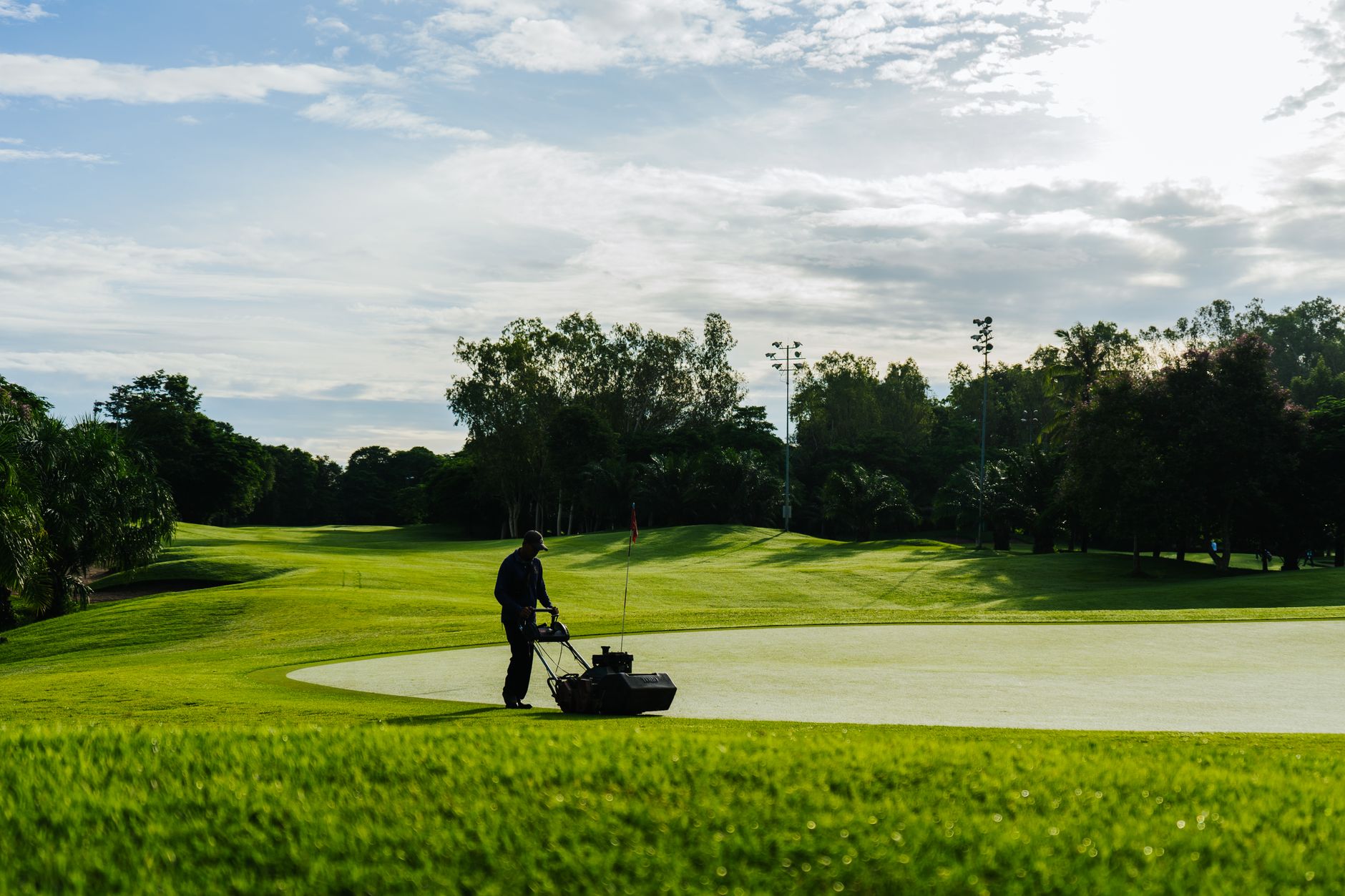
Fairway and rough work is where hours disappear in straight lines. The USGA Green Section has noted that mowing large areas like fairways, rough, and clubhouse lawns drives much of the daily maintenance schedule, especially while rounds stay heavy.
GCSAA asked superintendents to rank equipment replacement priorities. For 18-hole facilities, 21% called fairway mowers a very high priority and 28% a high priority. Rough mowers followed a similar pattern at 20% very high and 29% high. Triplex greens mowers still top the very high list at 26%, which tells you where skilled operators are already stretched.
At the same time, 92% of respondents told GCSAA they run only one maintenance shift per day. You are not adding a second crew to chase fairways at dusk. You are reallocating the crew you have, or you are looking for tools that keep acres moving while humans handle detail work.
Where does autonomous fairway mowing fit?
Autonomous mowing on fairways and rough is not a stand-in for a superintendent's eye. It is a way to hold a mapped schedule on the acres that eat seat time. The USGA describes reel-style autonomous units that can hold typical fairway heights and cover sizable acreage per charge, plus smaller rotary units often used in rough.
Industry coverage in 2025 echoed the same theme superintendents report in member forums. Courses that adopted autonomous fairway mowers said they redeployed rough operators to edging, native areas, and bunker detail that used to wait. Labor savings show up as finished work, not empty payroll lines.
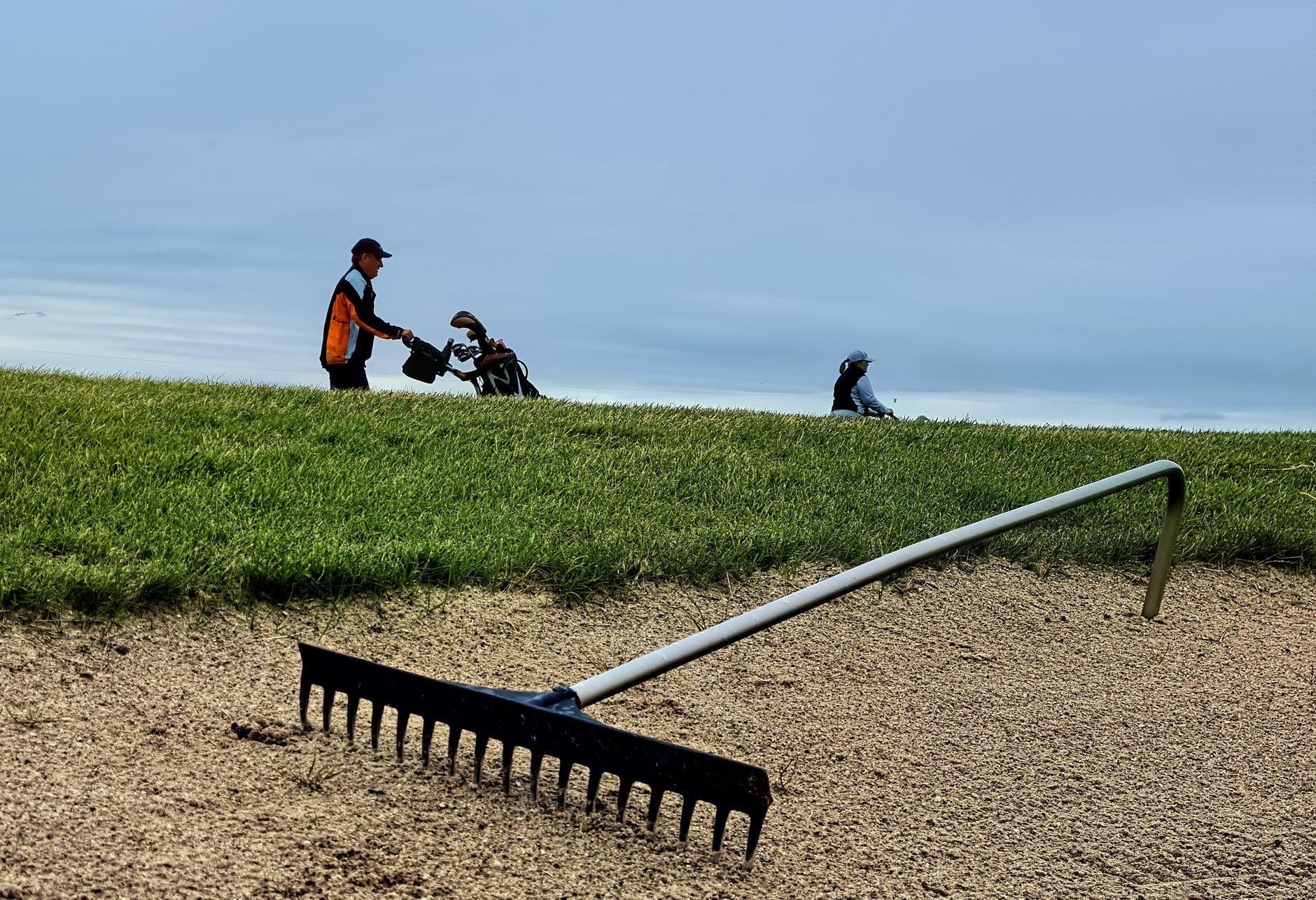
Greens, tees, bunkers, and hand mowing stay human jobs. Any plan that promises otherwise will fail the first tournament week. The useful question is which fairway passes can run on a fixed route while your best operators protect playing surfaces.
How are courses already financing equipment?
Capital pressure and labor pressure arrive together. GCSAA reported average proposed capital equipment spending at $136,699 for 2025 on 18-hole courses, up 37% since 2022. Only 34% agreed they have adequate capital budget for needed equipment, while 47% disagreed.
Financing habits are mixed and mature. In 2025, 49% of respondents said they lease at least some equipment, 60% buy with cash reserves, 27% use bank financing, and 26% blend bank financing with cash. Useful life led lease-versus-buy decisions for 68% of superintendents, with total cost cited by 49%.
When superintendents buy new, 52% told GCSAA they wanted the latest technology. Reliability followed at 46%. A robotic fairway mower lands in the same conversation as a new reel fleet. It is capital that must earn back hours, not a gadget purchase.
What should a superintendent do with these numbers?
Start with time study honesty. List weekly fairway and rough hours, then list hours on greens, collars, bunkers, and event prep. If fairways win every morning, labor data from GCSAA explains why so many peers still feel understaffed even as availability scores improve.
Pilot with geography, not hope. Trade press in 2025 quoted equipment makers recommending a few holes first so crews learn traffic patterns, charging, and software updates before expanding campus-wide. Your labor survey pain point is real. Your agronomy map still rules.
Keep safety and training on the calendar. GCSAA found 29% of courses hold monthly safety instruction, while 28% train before specific duties. Any autonomous unit needs the same discipline. Staff must know pause rules, frost holds, and who answers the phone when weather turns.
- Track which fairway loops can run without conflicting with tee sheets or frost delays.
- Note H-2B exposure: only 10% of GCSAA respondents used guest workers, so most shops cannot import seasonal relief.
- Compare lease and purchase paths using the same useful-life math you already apply to reel fleets.
How does an integrator help without replacing your crew?
Service Robot Co. works as an OEM-neutral integrator. We select autonomous mowing hardware for your agronomy targets, then handle mapping, deployment, staff training, and ongoing service through RoboCare support and regional engineers.
A typical fairway program starts with a free site assessment. We walk fairways and rough, mark out-of-bounds areas, agree quiet windows with the superintendent, and train the staff member who monitors the unit. Courses buy outright or use financing to lease the equipment. Pricing arrives in a quote after we see the property.
The goal matches what GCSAA labor data implies. Keep skilled people on the work golfers notice. Let mapped autonomous passes cover the long straight acres that used to chain your best operator to a fairway mower seat.
What stays manual no matter what the labor chart says?
Wet soils, disease pressure, and tournament setups still need human calls. Autonomous units can lighten weight on turf compared with some conventional ride-ons, as the USGA notes, but they do not read moisture by instinct.
Regional labor scores in the GCSAA report varied. The Southeast still showed 41% bad availability versus 15% in the North Central region. Your zip code may feel tighter than the national average even while the trend line improves.
Treat the 2025 survey as permission to plan, not as proof that hiring got easy. Fairway mowing plans should assume a thin bench. Build technology around that fact and you protect conditions members actually pay to see.