Key takeaways
- UK Extension specialists call bermuda fairway overseeding expensive disruption with a short quality window.
- Ryegrass establishment weeks need hold rules that still protect mowing cadence on open fairway strips.
- GPS-mapped units can run lighter passes while crews focus on seed, water, and debris work.
- Pigment-only fairway strategies still need height control on bermuda that keeps growing into fall.
- Service Robot Co. offers OEM-neutral fairway programs with financing and RoboCare nationwide.
Why do overseed weeks stall fairway mowing first?
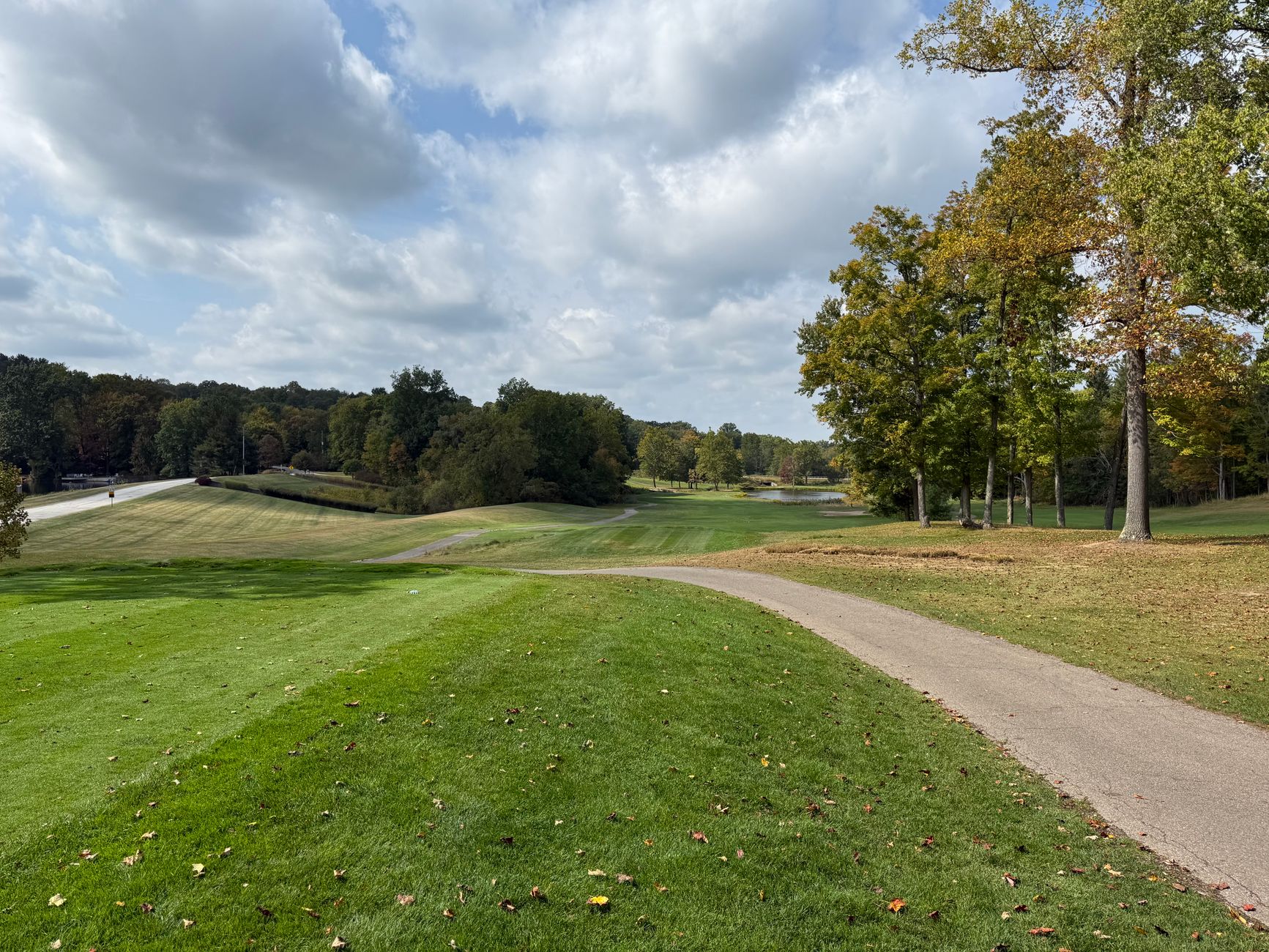
Overseed season is not a single task. It is a chain of scalping, verticutting, broadcast seeding, frequent irrigation, and nurse mowing that pulls every available reel toward germination chores. University of Kentucky Extension turf specialists describe overseeding bermuda fairways in the transition zone as very expensive course disruption that may improve fairway quality for only about one important golfing month.
While that window opens, daily fairway height control still matters on strips you keep open for play. Members notice wispy ryegrass and uneven bermuda if mowing simply stops. The superintendent's dilemma is protecting seedlings without letting surrounds look abandoned on the holes that stay in rotation.
What changes on the fairway during germination?
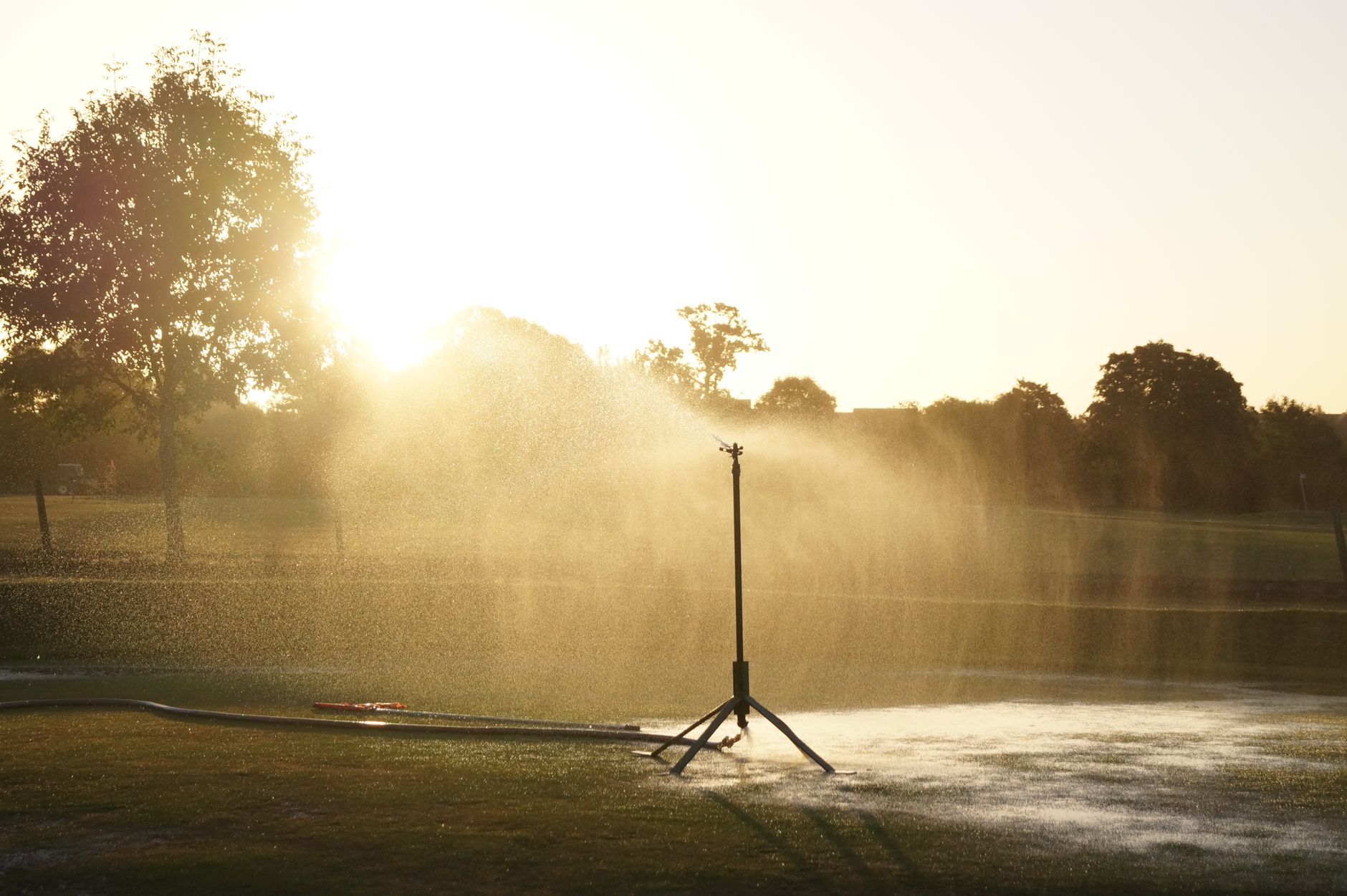
Extension guidance lists roughing, broadcast perennial ryegrass often between two hundred and six hundred pounds per acre, and heavy irrigation until seedlings knit. Those steps compact the calendar. Fairway reels that normally run three times a week get parked beside seeders and water trucks.
Early ryegrass is tender. Traditional fairway units can bruise seedlings if operators rush to catch up on height. That pushes teams toward lighter cutting platforms on mapped routes while heavy iron stays in the shop until turf firms up.
Golf Course Industry reporting on overseed alternatives also notes superintendents weighing pigment and iron programs on full-sun bermuda while overseeding only tees and shade. Even pigment strategies need mowing so dormant-colored bermuda does not turn into scalped patches before winter play peaks.
Where do hold windows fit a mowing program?
Hold windows are agronomic, not optional. You may close a fairway segment for forty-eight hours after seed goes down, then allow only lightweight passes on adjacent collars. A digital map should encode those holds so night crews do not rely on whiteboard notes that change daily.
When germination is uneven after a warm spell, holds shift hole by hole. GPS-mapped fairway units can skip a geofenced zone while continuing on a parallel strip that stayed open. Manual teams often skip entire holes because reprogramming a ride-on route takes longer than the cut would save.
Document holds in the same place you log irrigation. If a desert-style heat wave slows rye establishment, superintendents interviewed in trade press extend nurse mowing and delay heavy fairway traffic. Your mowing program should reference that log, not a static September template.
Can mapped mowing lighten passes without scalping seedlings?

Mapped autonomy is not about maximum acreage per hour during overseed. It is about repeatable light passes on zones you certify as safe. Set cutting height a notch higher, reduce overlap, and restrict turns near fresh seed.
Because paths are taught once and reused, a superintendent can assign the light profile to mornings while humans hand-mow trouble spots around bunkers. When ryegrass firms up, bump height and speed in software instead of swapping iron.
Autonomous fairway mowing still respects frost and dew delays. It simply keeps the open fairway corridors from falling a full week behind while your staff drags hoses across closed holes.
How do pigment-only fairways still need mowing discipline?
Courses that skip fairway overseed, a path profiled by superintendents in California trade coverage to save seed and closure time, still mow bermuda that slows but does not stop. Pigment and iron sprays preserve color while growth rates change.
Without ryegrass competition, height management shifts but does not disappear. Mapped programs help properties that pigment fairways yet overseed tees, because tee surrounds may need different heights on the same morning.
Members comparing pigment fairways to overseeded rough expect contrast, not neglect. A scheduled light pass preserves the stripe members read as intentional winter presentation.

What happens to bermuda recovery if mowing stays chaotic?
UK Extension writers warn that overseeding can reduce summer bermuda quality even after ryegrass is removed. Chaotic spring mowing makes that worse by scalping waking bermuda or letting ryegrass shade the canopy too long.
A steady transition mowing plan documents when to raise heights, when to open heavy reels, and when to chem-aid ryegrass transition. Mapped units execute the early light phase so your experienced operators focus on judgment calls, not chasing skips.
The goal is not to automate overseed itself. It is to stop fairway presentation from becoming the task you sacrifice while seed and water consume every daylight hour.
Where does Service Robot Co. fit a seasonal fairway program?
Service Robot Co. acts as a vendor-neutral integrator: select fairway-capable units, finance purchase or lease, map holds and corridors, train staff, and service under RoboCare. Monthly programs let you ramp a mapped mower for overseed weeks without buying another reel that sits idle in July.
Integrators should update maps when you shift from germination holds to winter play routes. One partner reduces the finger-pointing between seed suppliers, irrigation techs, and mower dealers during the tightest month of your calendar.
Start with a site assessment that lists which holes stay open, which close, and where pigment-only fairways never receive seed. Build mowing profiles from that agronomic map, not from a generic fairway loop exported last spring.