Key takeaways
- Public courses face the same fairway labor crunch as private clubs with tighter capital cycles.
- Monthly programs spread cost across seasons instead of one bond-funded reel purchase.
- Council and board updates need plain hours-returned math, not agronomic jargon.
- Greens and bunkers stay with seasonal crews; fairway maps target open grass loops.
- Service Robot Co. handles mapping, buy or lease financing, and RoboCare service.
Why do municipal courses feel the fairway labor pinch first?
City-owned and authority-run courses often run lean maintenance teams that swell in summer and shrink in fall. Fairway mowing still needs the same weekly frequency whether you have twelve staff or eight.
Daily-fee tracks without a deep capital reserve face the same math with a different approval path. Every reel quote competes with irrigation repairs and cart fleet needs.
NGCOA facility owner survey materials presented in February 2025 still ranked finding quality staff at 51 percent of respondents, which municipal operators see as seasonal applicants who never return after Labor Day.
How is a monthly fairway program different from buying iron?
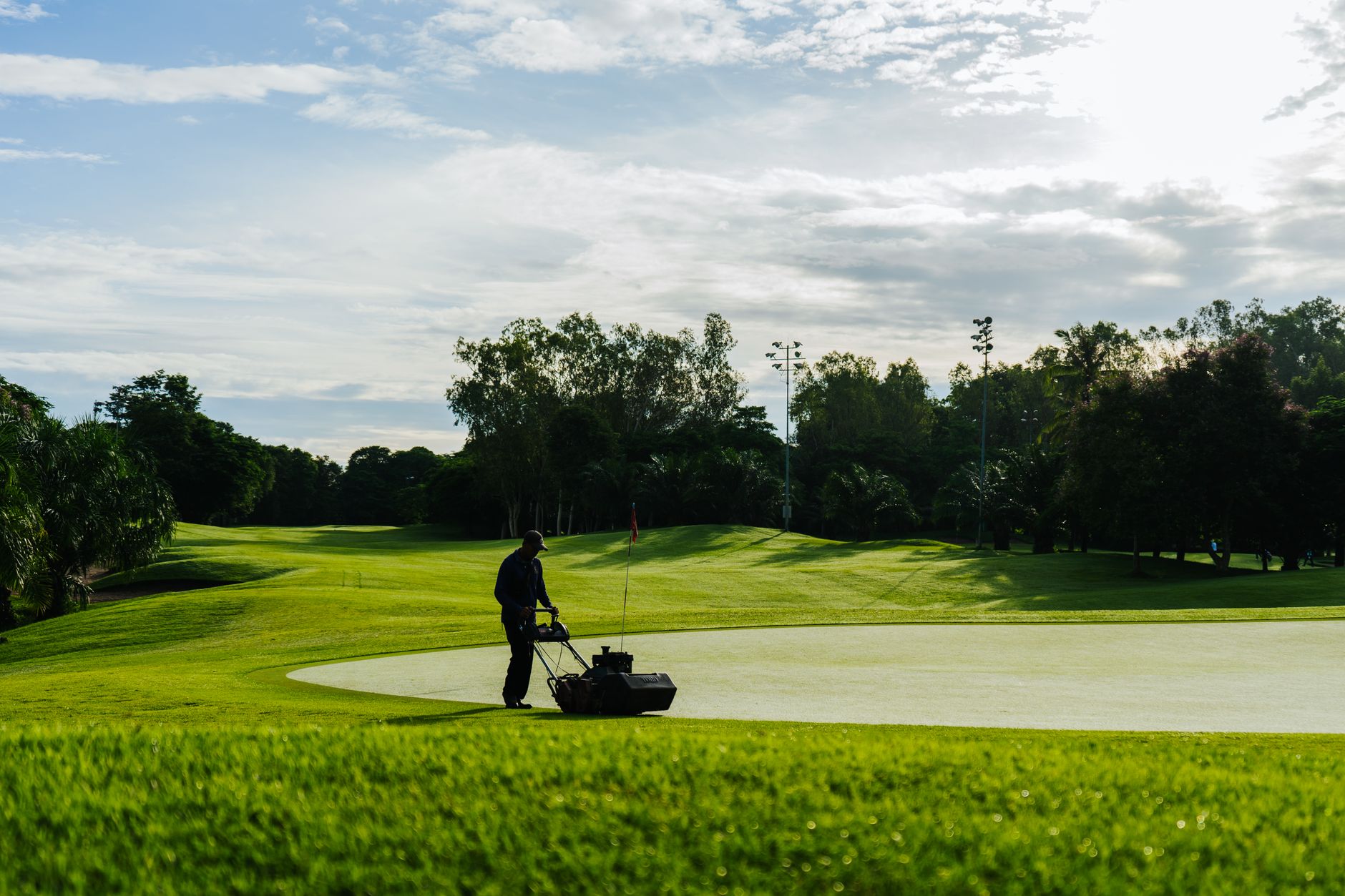
A program bundles mapping, scheduled cutting on fairways and first-cut rough, and maintenance when a sensor faults before the first Saturday tee sheet.
Service Robot Co. structures buy or lease financing with RoboCare so parks directors speak in monthly operating cost instead of a single seven-figure capital ask.
Greens, tees, and bunkers remain crew work. The program targets open acres where GPS striping returns the most hours to the week.
What should you tell council or the board in one page?
Lead with hours returned to bunkers, irrigation checks, and restroom presentation, not with brand names or turf tech buzzwords.
Show a ninety-day pilot scope: two fairway holes, defined quiet windows, and member feedback collected by the pro shop.
Compare the pilot monthly cost to overtime Saturdays you paid last season when a reel broke down during league play.
- Pilot holes and quiet windows
- Documented crew hours before and after
- Member comment summary from starters
- Service response terms in plain English

Can seasonal staff work alongside mapped fairway mowing?
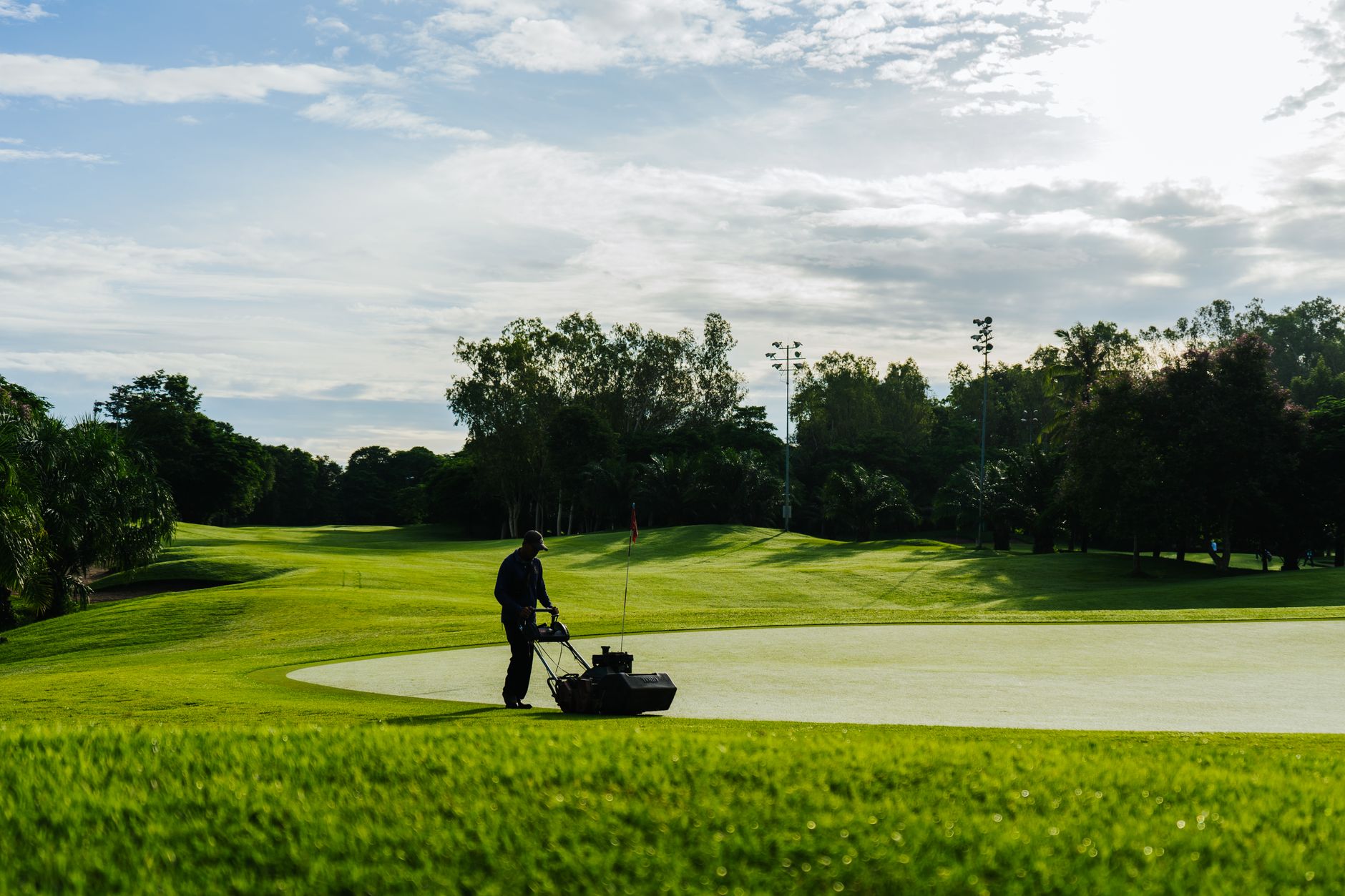
Yes. Seasonal hires focus on detail while mapped units handle wide cuts on off-peak schedules.
Train starters on hold times the same way private clubs do. Public tee sheets are dense on weekends, so geofenced delays matter more, not less.
Union or civil-service rules vary. Involve HR early on who operates versus who supervises maps, even when the integrator maintains the machine.
Where do daily-fee courses differ from city-owned tracks?
Daily-fee GMs answer to ownership or management companies instead of council, but the cash-flow story is similar: monthly predictability beats deferring irrigation work for a reel.
Member communication still flows through the pro shop. Post quiet-window reminders on the same channels you use for frost delays.
Revenue pressure on green fees makes presentation detail a retention tool once fairway hours are freed.
What is the first step this budget season?

Log fairway mowing hours per employee for two weeks in peak season. That baseline anchors every council slide.
Walk holes with the parks director or owner and mark where carts conflict with dawn cuts.
Request a mapping visit from Service Robot Co. to quote a pilot before you ask for full-property approval.