Key takeaways
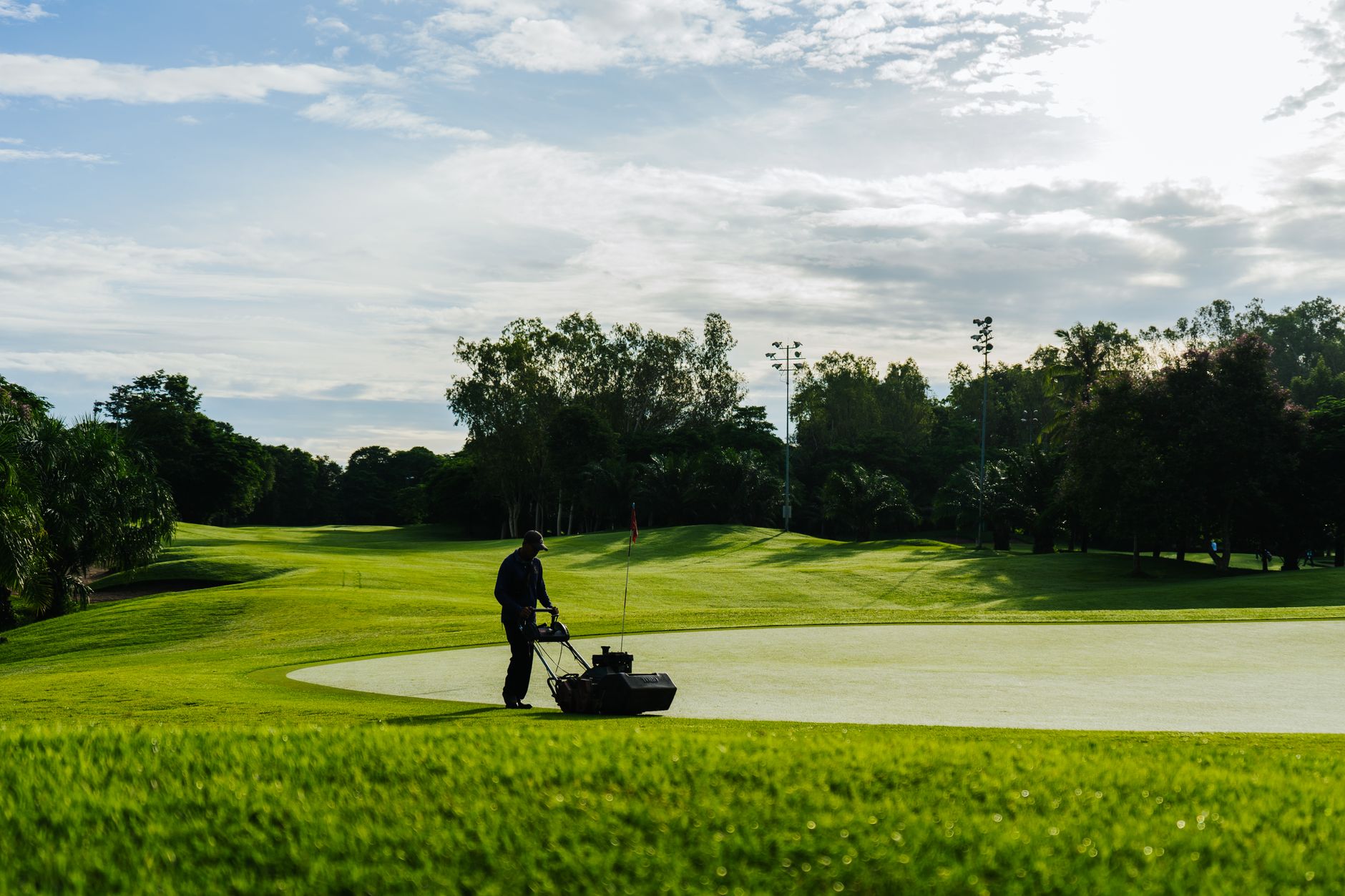
- Fairways and rough often consume the bulk of weekly mowing hours on a golf property.
- Major events in 2025 showed fairways maintained autonomously through full tournament weeks.
- Overnight mowing windows protect play while crews shift to detail work by morning.
- Phased zone mapping limits risk before you expand across all eighteen fairways.
- Clubhouse floor robots can cover locker rooms while outdoor units run their schedules.
Why are superintendents looking at fairway mowing robots now?
If you run a golf course, you already know where the hours go. Fairways and rough eat the calendar. Greens, bunkers, tees, and the details members notice still demand skilled hands, but those hands are often stuck on a fairway mower when the sun is up or the phones are ringing about a tournament.
Autonomous fairway mowing is moving from trial plots to full-fairway programs because the math is simple. When machines handle the wide cuts on a schedule you set around play, the crew gets time back for the work that actually wins member surveys. Recent championship turf programs put that idea on a global stage, and daily municipal and private courses are asking the same question: what would we do with thirty more hours a week?
What happened at Royal Porthcawl during the AIG Women's Open?
In August 2025, Royal Porthcawl hosted the AIG Women's Open with fairways maintained by autonomous mowers through the build-up and the championship itself. GreenKeeping reported it as the first R&A major where all eighteen fairways were cut that way for the full event, with a fleet of fifteen units on the fairways after trials began on less visible turf.
The story matters for US readers because it was not a lab demo. Players and officials saw the same presentation standards they expect at a major, while the greenkeeping team used morning windows to clean, calibrate, and prep blades before play. Kinley and his team had moved the fleet onto all fairways by May 2025, then extended robotic cutting to approaches in the weeks before the championship, according to the same coverage.
That is the labor shift in plain terms. Overnight and early-morning fairway work happened on autopilot. Daylight hours tilted toward bunkers, approaches, and the small fixes that show up on television.
What does a PGA Tour stop teach about play windows?
The 2024 Black Desert Championship in Ivins, Utah, marked the first PGA Tour event where autonomous mowers tended bentgrass fairways, Golf Course Industry reported. Superintendent Ken Yates ran four wide autonomous platforms on fairways from about 2 a.m. to 6 a.m. during the tournament window, keeping conventional fairway mowers on standby as a backup plan he described openly.
The crew benefit showed up immediately in his comments to the magazine. During the event, staff did not touch a fairway mower, which freed time for bunkers and detail work that would have waited until later in the week. Humidity and bentgrass variety mattered on that site, but the operating pattern is portable: carve a quiet block, let robots finish the big acres, then put people on member-visible work.
How much labor can shift on a typical eighteen-hole property?
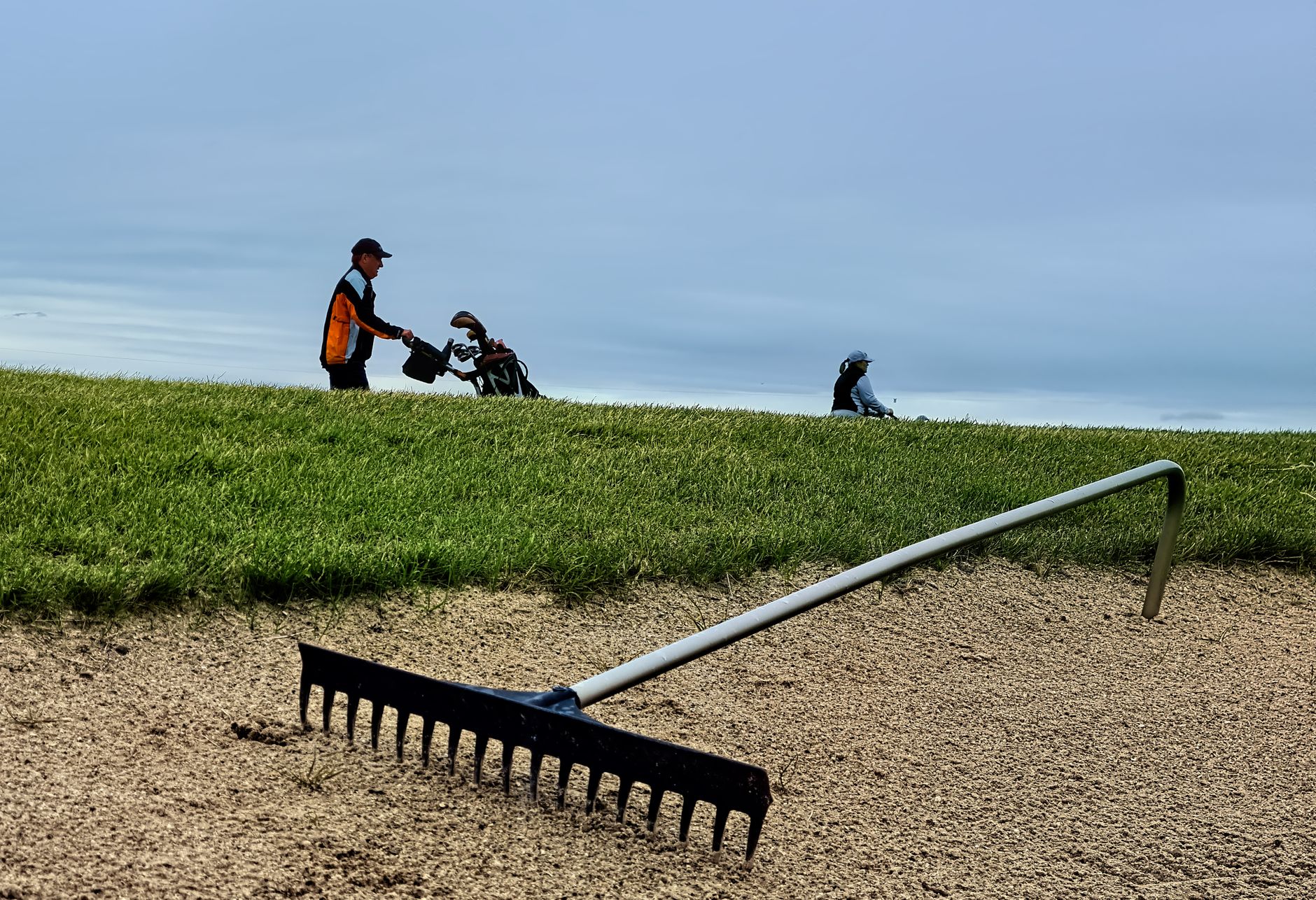
Port Hope Golf and Country Club in Ontario documented an early full-commitment rollout. Turfect, the integrator on that project, reports phase one in spring 2025 with about thirty-nine acres mapped across eighteen fairway zones and twenty-nine rough zones, and roughly thirty hours of mowing each week redirected to other course tasks.
Those figures are useful because they are not marketing adjectives. They are acreage, zone counts, and weekly hours from a published case page checked in 2026. Your property will differ, but the pattern holds: fairway and rough acres are the lever. Shrink time on that lever and greens speed, bunker edges, and tee presentation get first call on the same payroll.
How should you phase mapping and play schedules?
Full-fairway automation rarely starts on hole one opening day. Championship sites built up from nurseries and practice areas. Private clubs pilot one nine before they connect pathways across the property. The consistent rule is to map zones with clear keep-out areas for bunkers, trees, and sensitive approaches before you widen the footprint.
Play windows should be written down the same way you write chemical blackout periods. Set overnight or dawn blocks when carts are off fairways, then hold a morning inspection checklist: debris scan, blade check, and a quick walk of approaches. If a weather delay compresses the window, you keep humans on the detail list rather than asking robots to improvise around groups.
Service Robot Co. maps the course with you, sets schedules around your tee sheet, and stays on RoboCare service so you are not juggling a different vendor for every machine type you add later.
Where do clubhouse floor robots fit the same labor plan?
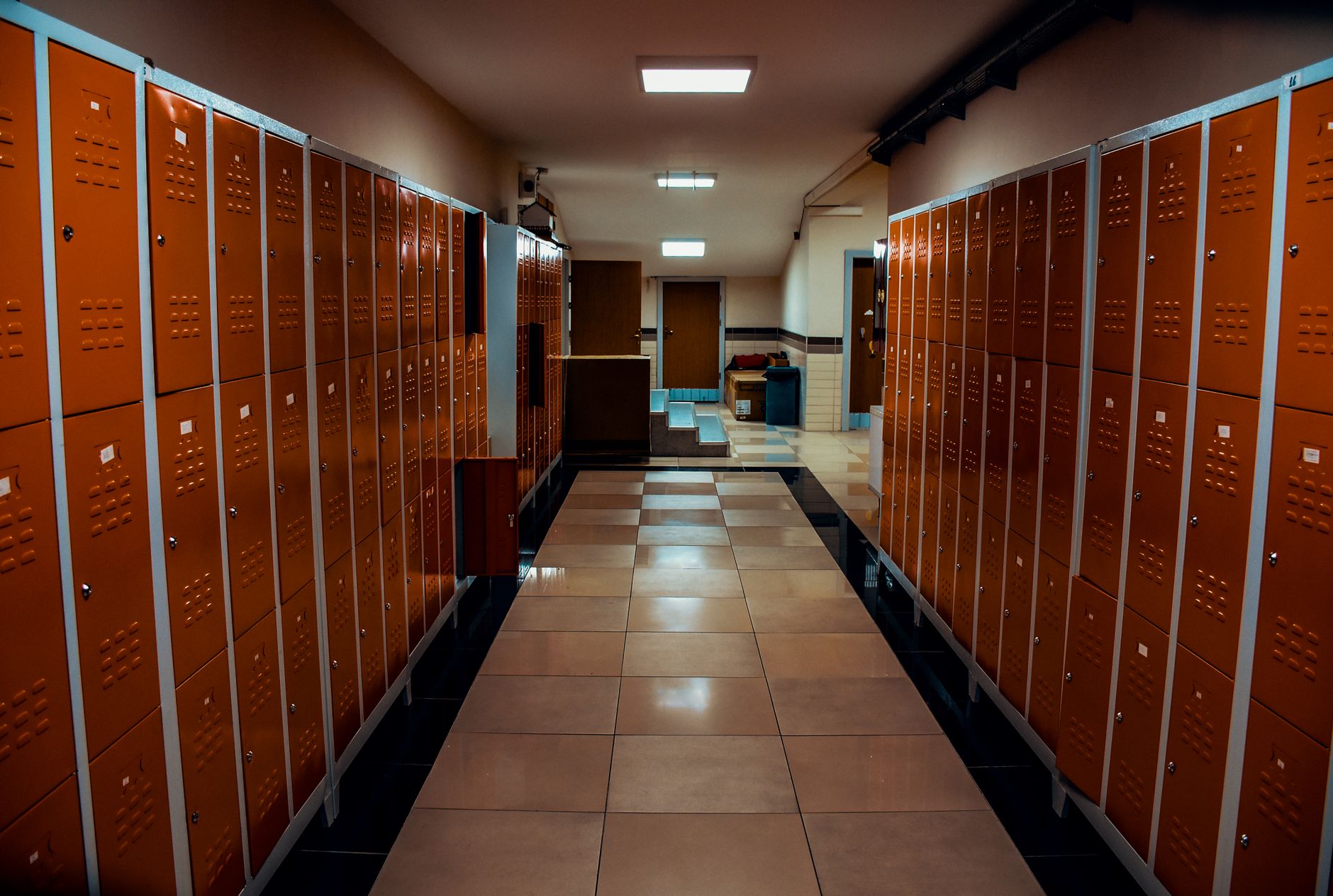
Outdoor fairway automation does not help the member who notices a locker room floor. Clubhouses, pro shops, and fitness areas still need nightly scrubbing, especially when humidity tracks sand and moisture inside. An autonomous scrubber can run locker room tile after close while fairway units work outside, using the same philosophy: machines on repetition, people on exceptions.
Think of it as one staffing plan across the property. Fairway robots buy back outdoor hours. Indoor floor robots buy back closing-time labor that competes with the same small crew. Financing and service through one integrator keeps training and dispatch simpler when both need attention before a member guest day.
What should you verify before you commit budget?
Reference infrastructure and connectivity deserve the same scrutiny as cutting quality. Published case studies mention RTK GPS, exclusion zones, and fleet monitoring dashboards. Ask how keep-out maps update when you move a tee marker or rebuild a bunker face.
Backup plans stay professional, not embarrassing. Black Desert kept conventional fairway mowers ready during its tour event. Your backup might be a smaller crew block on Saturday morning, but it should be documented.
Finally, align expectations with agronomy. Autonomous fairway programs reported cleaner striping and more consistent height in several 2025 stories, but supers still own fertility, irrigation, and disease calls. Robots change who pushes the mower, not who reads the turf.
How do you start without disrupting member play?
Pick a nine with simple cart routing and few crossovers. Map fairways and primary rough, run two weeks of overnight schedules, and measure hours logged versus manual baselines. Expand to the second nine only when keep-out zones stay stable and the morning inspection stays under thirty minutes.
Communicate with the pro shop and league chairs early. Members tolerate innovation when tee times stay clean and approaches look the same on Sunday morning. A short FAQ on the cart screen beats surprise noise at dawn.
When the numbers look right, layer indoor floor robots or cart-path sweepers in the same financing conversation so capital plans match the full property, not just one hero machine.