Key takeaways
- Multi-tenant buildings require a flexible cleaning strategy to handle varied floor types, tenant schedules, and access protocols.
- Modern autonomous robots can handle diverse surfaces, from lobby tile to carpeted suites, using smart mapping and adaptable hardware.
- True ROI comes from reducing labor dependency and turnover costs, not just eliminating positions.
- A vendor-neutral integrator is key to deploying and managing a mixed fleet of robots tailored to specific building needs.
- Advanced features like elevator integration enable a single robot or a small fleet to service an entire high-rise building autonomously.
The Multi-Tenant Floor Care Conundrum
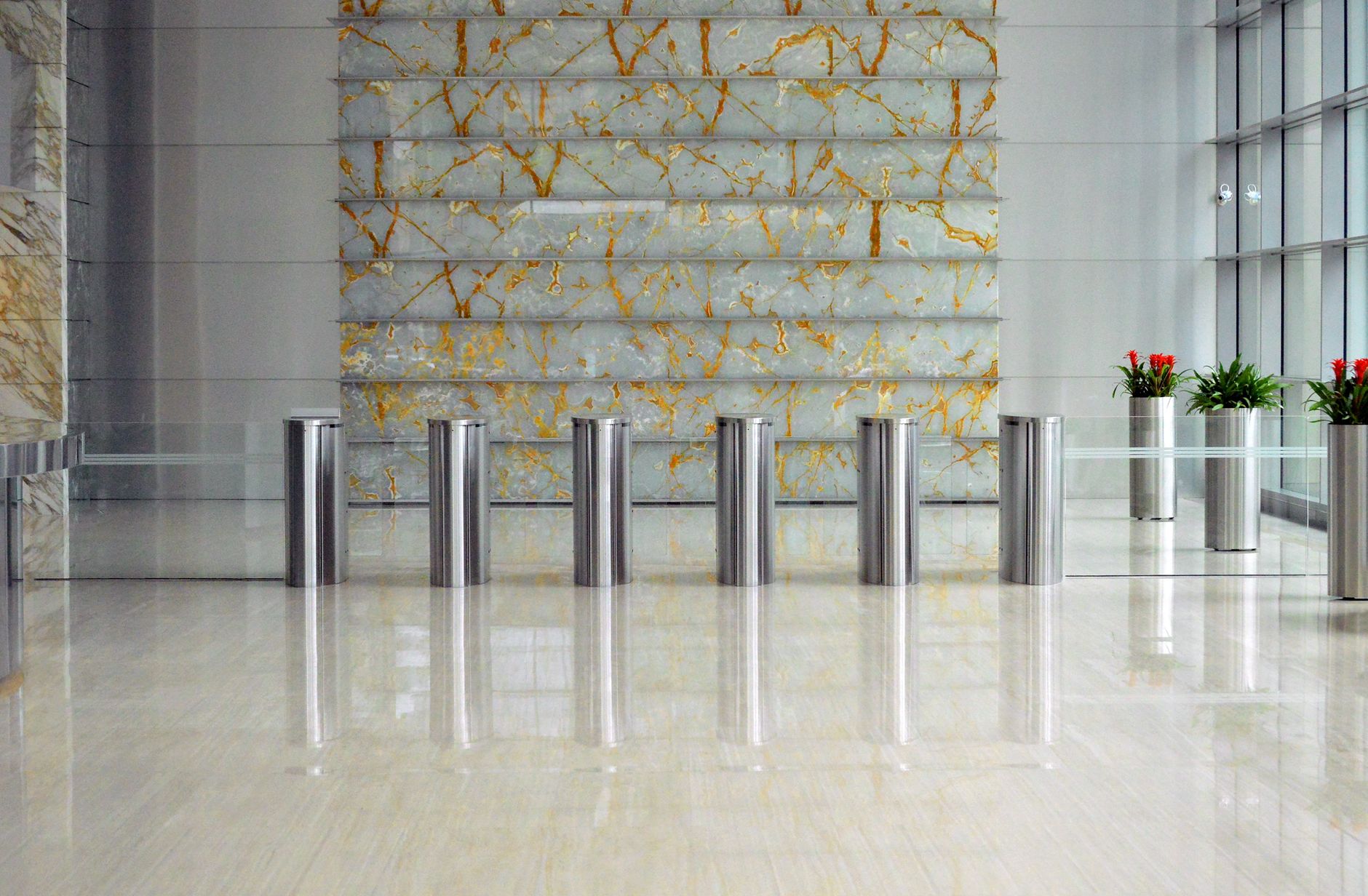
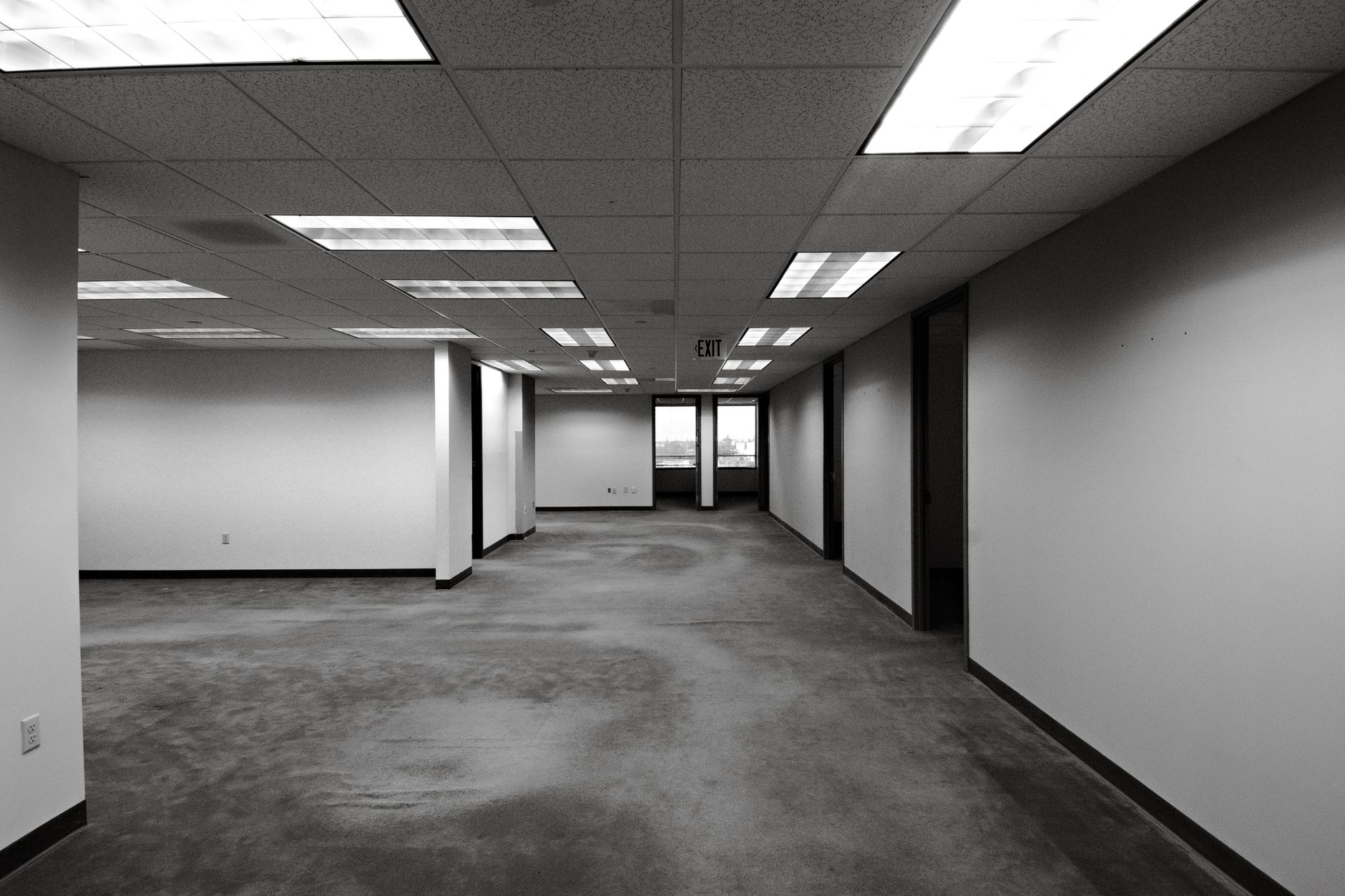
Property managers of multi-tenant commercial buildings juggle a unique and complex set of variables. Your responsibilities extend across common areas and into spaces leased by businesses with entirely different schedules, standards, and flooring choices. One tenant has high-pile carpet, another has polished concrete, and the main lobby boasts expensive marble tile. This diversity creates a significant challenge for any floor care program.
A robotic cleaning strategy offers a direct answer to this complexity. By deploying autonomous floor scrubbers and vacuums, property managers can deliver a consistent, verifiable standard of clean across every floor type, every single night. These machines operate after hours with minimal supervision, navigating complex layouts and adapting to different surfaces, all while providing data-backed proof of performance. This approach moves floor care from a nightly variable to a predictable, high-quality asset for the building.
Why Is This Environment So Challenging?
The core difficulty lies in variability. Unlike a single-occupant corporate campus, a multi-tenant building is a collection of separate businesses under one roof. Each tenant has distinct operating hours, foot traffic patterns, and expectations for cleanliness.
Common areas like lobbies, hallways, and restrooms are the building's public face, requiring a consistently high standard of care. However, access for cleaning crews is often restricted to narrow after-hours windows, creating a logistical puzzle. Add to this the high turnover rates common in the janitorial industry, which can exceed 200% annually, and maintaining a reliable, trained staff becomes a constant operational drain.
This constant churn of cleaning staff introduces security risks and inconsistent results. A new crew member every few weeks means constant retraining and a higher chance of missed areas or improper chemical use on sensitive flooring materials. For property managers, this translates into tenant complaints and a devalued property aesthetic.
How Can One Robot Fleet Handle So Many Floor Types?
The idea of a single cleaning system for LVT, tile, concrete, and commercial carpet may seem impractical, but modern autonomous cleaning robots are built for this exact scenario. Their adaptability comes from a combination of intelligent software and modular hardware.
During initial deployment, a building is meticulously mapped, with different zones designated for specific cleaning protocols. The robot's software stores these instructions, so it knows to use a low-moisture approach on a carpeted corridor and switch to a more aggressive scrubbing pad for the tile in the elevator lobby.
Advanced sensor suites, including LiDAR and 3D cameras, allow the robots to navigate precisely and identify obstacles in real time. This ensures they can operate safely and effectively in the dynamic environment of a commercial office building, even as furniture or fixtures change. The result is targeted, appropriate care for every surface, every time.
Can Autonomous Robots Clean an Entire High-Rise?
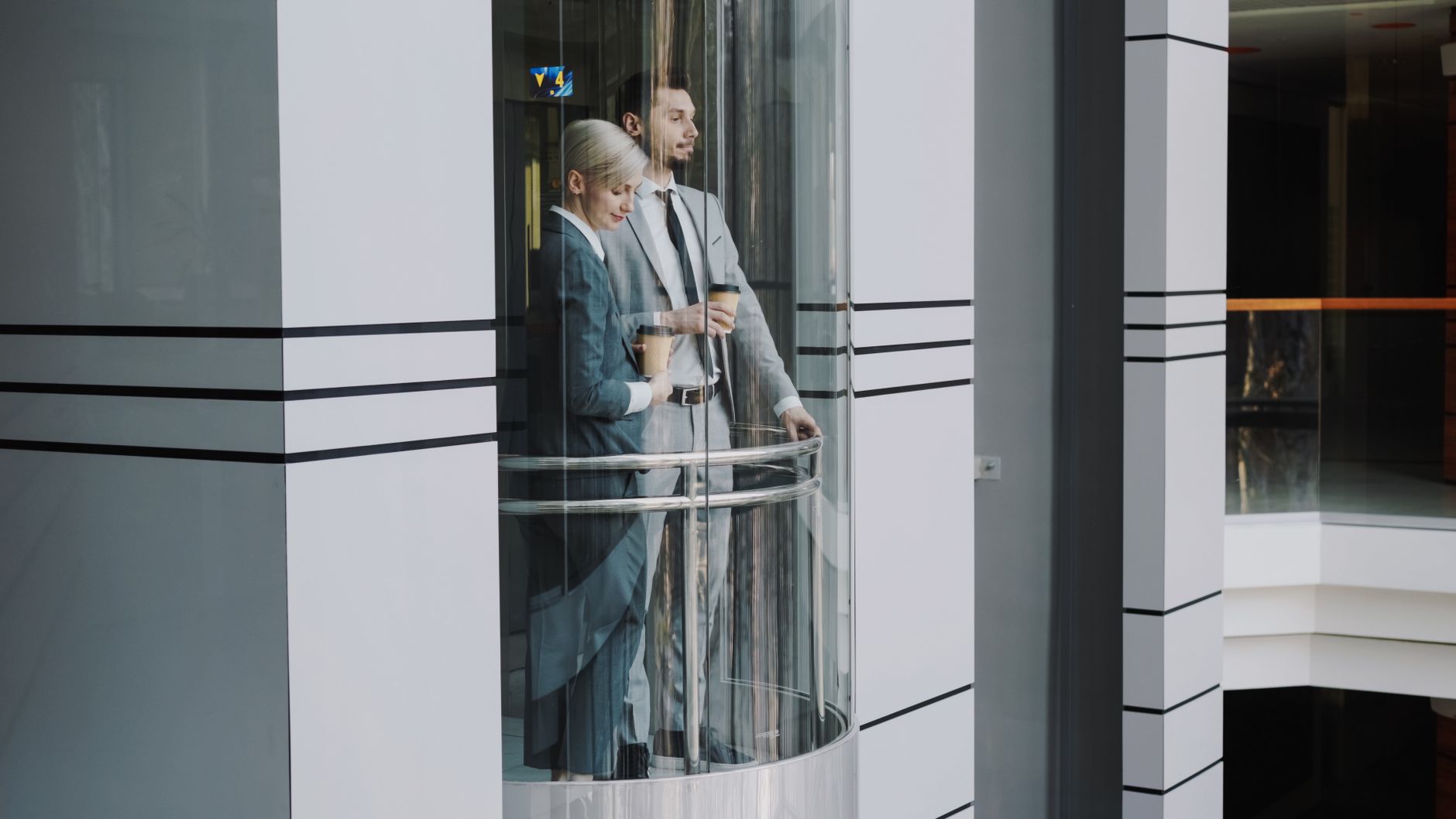
A common question is how a ground-based robot can possibly service a multi-story building. The answer lies in elevator integration. A new generation of robots can communicate wirelessly with a building's elevator control system.
Through a secure, cloud-based API, a robot can call an elevator, select a floor, and exit to continue its route, all without human intervention. This technology allows a small fleet, or even a single autonomous floor scrubber, to manage the floor care for an entire building. It can clean the lobby overnight, take the elevator to the 10th floor to scrub the hallways, and then proceed to the 5th floor to vacuum a tenant's carpeted suite.
For buildings without this capability, an efficient manual protocol can still provide massive efficiency gains. A single staff member can transport the robot between floors, launching its autonomous route and then focusing on other high-value tasks while the machine handles the large, open spaces. This strategy reduces corridor cleaning time significantly, with some properties cutting a four-hour manual job down to a 90-minute assisted run.
How Do You Manage Security and Access?
Allowing a machine to roam a building after hours requires robust security protocols. Autonomous cleaning robots are designed with this in mind. Their operating schedules are pre-programmed, restricting their activity to specific times and approved areas mapped out in advance.
Access is managed through the same systems your staff uses. The robots can be integrated with secure doors and access control systems, ensuring they only enter authorized zones. Because they operate on predictable, pre-defined paths, they introduce less security variability than a rotating crew of third-party cleaning staff.
Furthermore, detailed reporting provides a complete log of the robot's activity. Property managers can receive reports detailing exactly where the robot cleaned and for how long, offering an unprecedented level of verification and oversight.
The Importance of a Vendor-Neutral Integrator
Purchasing a robot is not the same as implementing a robotics strategy. The most effective approach for a multi-tenant building often involves a mixed fleet. You might need a large autonomous scrubber for the lobby, a fleet of smaller autonomous vacuum robots for carpeted tenant spaces, and perhaps even a delivery robot for mail and packages.
This is where a vendor-neutral integrator like Service Robot Co. becomes essential. Instead of being locked into a single manufacturer's ecosystem, we select the best machine for each specific job, regardless of the brand. We are OEM-neutral, which means our loyalty is to your building's needs, not a particular equipment maker.
Service Robot Co. provides one point of contact for the entire lifecycle of your fleet. We handle the initial site assessment, financing, deployment, and integration of robots from multiple manufacturers. Our nationwide network of engineers provides all ongoing service and maintenance. This gives you one partner and one number to call for your entire automation program, simplifying robot fleet management.
What is the Real ROI for the Building Owner?
The financial case for robotic floor care extends far beyond just labor savings. While reducing dependency on manual labor in a market with high turnover is a primary benefit, the true ROI is deeper and more strategic.
First, there is consistency. Robots deliver the same quality of clean every single time, adhering to standards like those from BOMA and ensuring the property always looks its best. This has a direct impact on tenant satisfaction and retention. A visibly well-maintained building is a more desirable place to lease.
Second, robotics mitigates risk. Automated floor care reduces the chances of slip-and-fall incidents and the associated liability. It also reduces the high, often-hidden costs of employee churn, which some estimates place at $1,500 to $3,000 per departing worker for recruiting and training. With many cleaning companies experiencing annual turnover from 75% to over 200%, these costs add up quickly.
Finally, a robot-as-a-service (RaaS) model, offered through partners like Service Robot Co., converts a large capital expenditure into a predictable operating expense. A RaaS monthly subscription often includes the robot, maintenance, and support, making advanced technology accessible with no upfront capital.