Key takeaways
- Scrubbers belong on dry corridors and offices, not active production melt zones.
- Separate robot routes from foam washdowns and sanitizer fogging windows.
- Ice chips and pallet traffic need mapped no-go zones and manual edge plans.
- Pilots should cover a warm week and a peak pallet shift before you scale.
Where can autonomous scrubbers actually run in an ice plant?
Autonomous scrubbers fit best on dry packaging aisles, warehouse aprons, break rooms, and office corridors where condensation is managed and pallets follow predictable lanes. They do not replace foam washdowns on production floors while lines are hot, and they should not chase melt water around compressors during sanitation.
According to the International Federation of Robotics, professional cleaning robot sales rose 34 percent in 2024 to more than 25,000 units worldwide, with floor scrubbing as the lead task. Ice plant managers are part of that wave, but only where routes stay out of active chip spray and sanitizer fog.
Your first mapping pass should label three zones: scrubber approved, manual only, and shared with forklifts under speed limits. That zoning keeps auditors clear on what the robot owns versus what your sanitation crew still handles by hand.
What makes ice plant floors harder than a typical warehouse?
Commercial ice plants combine cold concrete, constant melt, fine chip debris, and aggressive sanitation chemistry. Condensation wicks under pallet jacks, and squeegees that work in a retail back room may leave streaks where brine and sanitizer residue mix.
Forklifts and pallet jacks often cross the same aisles you want scrubbed at night, which means grade changes, dock plates, and floor joints become trip points for both people and machines. Traction specs must include wet epoxy at freezer thresholds, not just ambient warehouse tile.
Noise and cold also change battery performance. A route that finishes in summer may need shorter loops or opportunity charging when compressors kick on and ambient humidity spikes near open doors.
How do you keep robot routes away from washdowns?
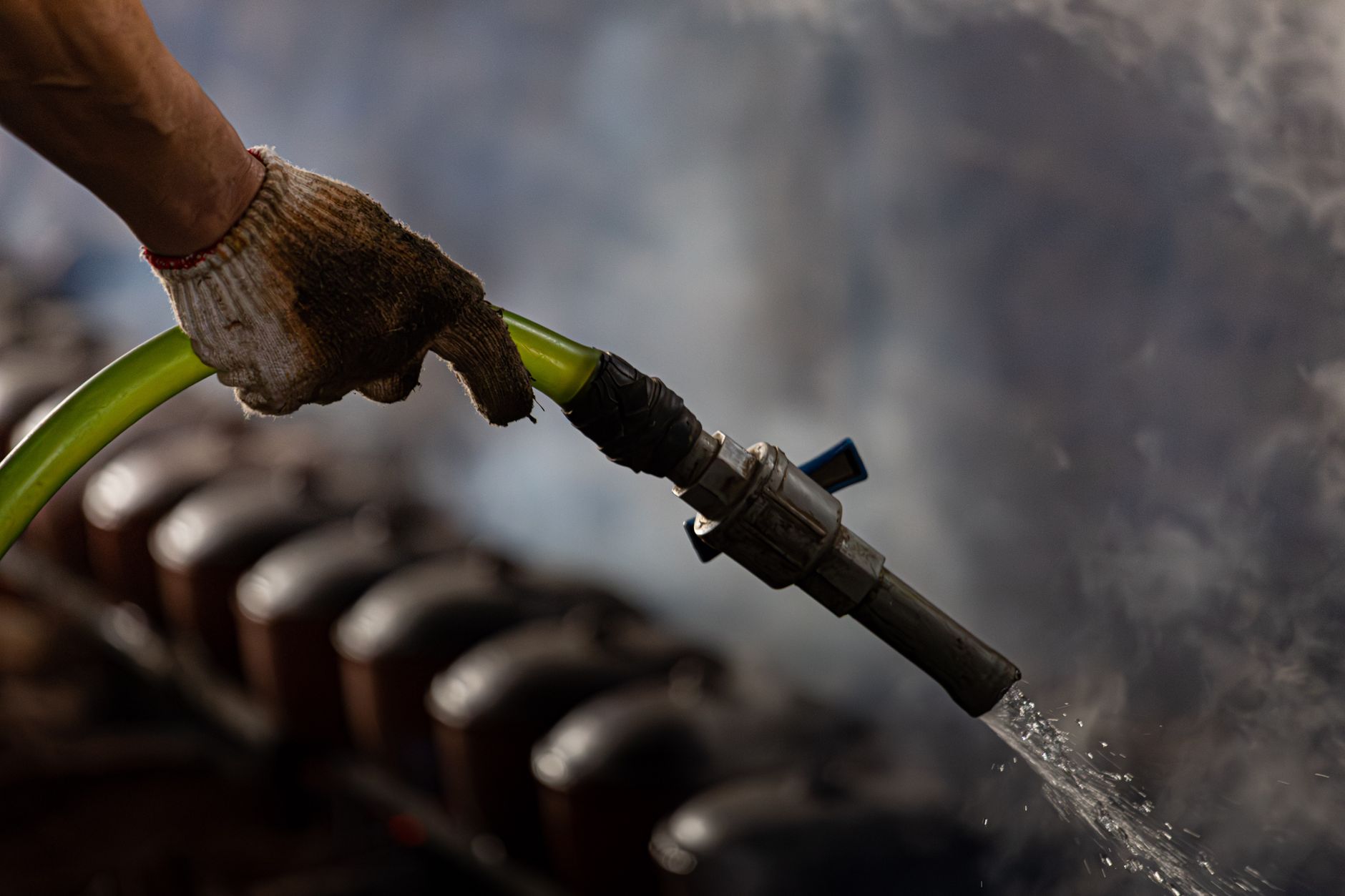
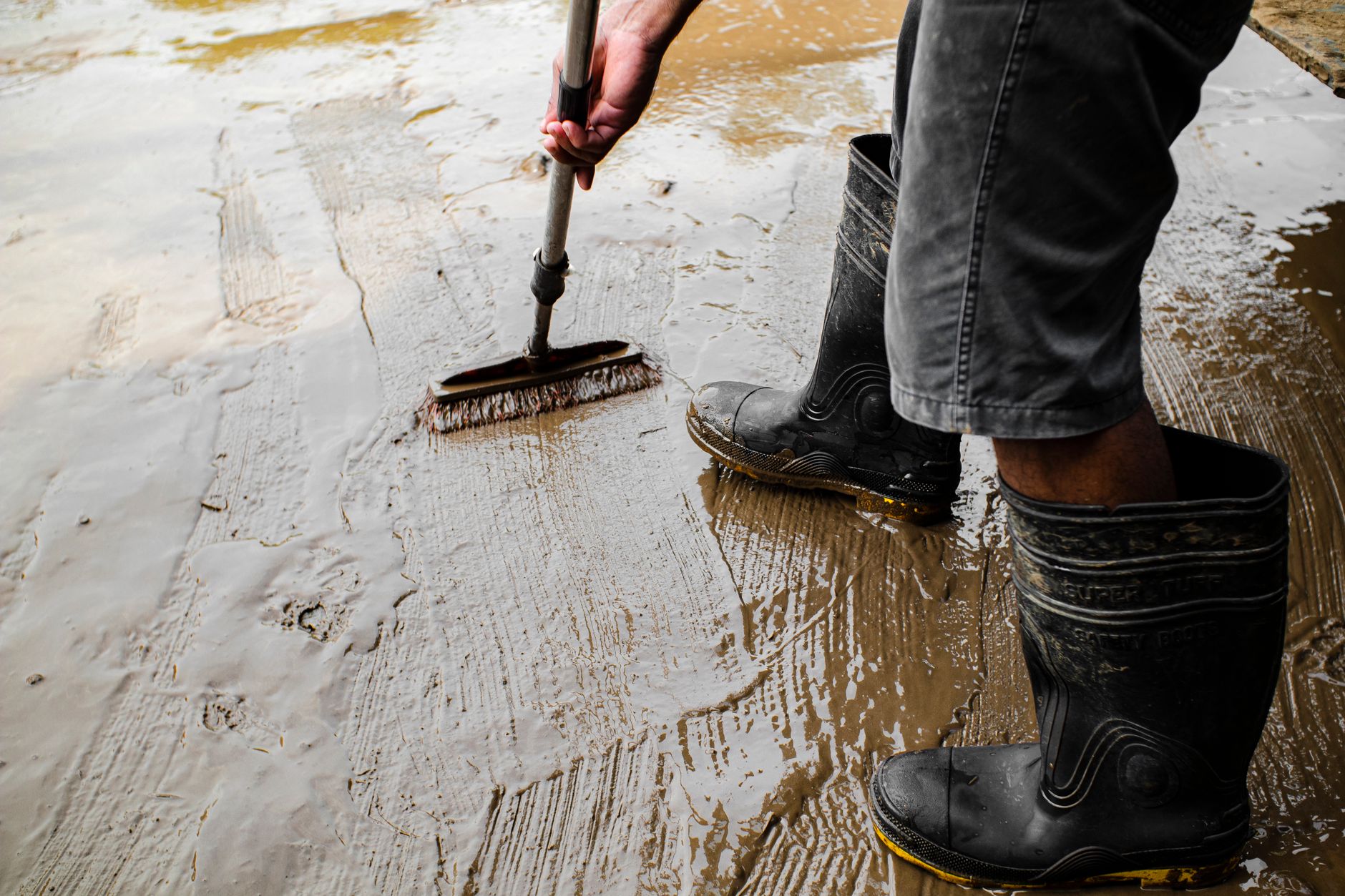
Post your foam and sanitizer schedule beside the robot fleet calendar. When a production cell enters washdown, that aisle should drop out of the autonomous queue automatically, not rely on someone unplugging the dock.
Use physical barriers or tape cues at zone boundaries so night crews see where a scrubber may enter after chemicals are rinsed and the floor is verified dry. Mixing a robot pass with active foam is a slip hazard and a failed audit.
Document rinse and dry times in the same log you use for environmental monitoring. QA teams can then sign off before the scrubber resumes, instead of debating whether a sheen on the floor is water or sanitizer.
How should you plan around ice chips and pallet traffic?
Chip scatter near baggers and crushers creates false obstacles for lidar and can jam squeegees. Map chip hotspots from a full production day, not a quiet Sunday walkthrough.
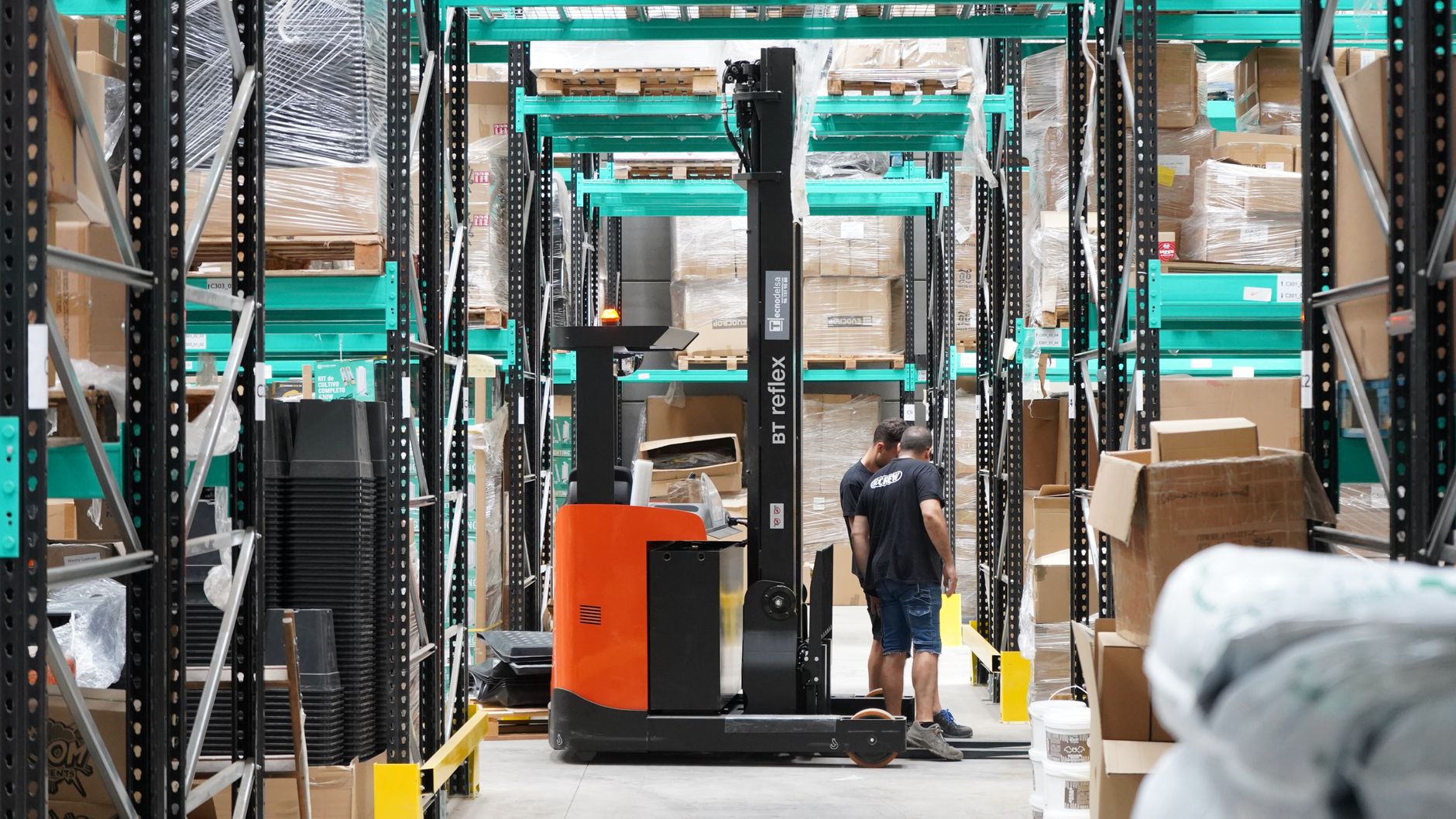
Set forklift speed limits in shared aisles and teach drivers where scrubbers queue during shift change. A robot waiting mid-aisle is safer than weaving around unpredictable pallet traffic.
Manual edge work stays on drains, curbs, and under conveyor lips where chips pile. Robots cover the open aisle; humans handle the corners on a posted checklist so coverage metrics stay honest.
How does condensation affect robot sensors and chemistry?
Cold floors plus warm humid air at doorways fog sensors and leave film on cameras. Schedule sensor wipes on the same cadence you inspect compressor drip pans.
Qualify detergents with your sanitation supplier before the pilot. Ice plants often run quat or chlorine blends that differ from generic scrubber tanks, and the wrong mix foams or leaves residue that triggers rework.
Recovery tanks may need more frequent dumps where melt water enters the path. Undersized recovery stops mid-route and leaves half the aisle wet for the opening shift.
Which areas should stay manual even with a scrubber fleet?
Active production floors during melt, electrical rooms, compressor pads with standing water, and any space under open food contact equipment stay manual or dry mop only.
Freezer antechambers with extreme temperature swings often need hand tools until you prove squeegee performance and battery life through a full week of door cycles.
Restrooms, labs, and quality offices may still use robots, but on separate routes and tanks from production aprons to avoid cross-contamination questions during customer audits.
How should you structure a pilot before scaling?
Run at least one warm humid week and one peak pallet shift. Ice plants change floor conditions hourly when doors open and chipper lines surge.
Measure slip incidents, rework hours, and sanitizer complaints alongside square feet covered. A scrubber that saves mop hours but triggers extra foam passes is not a win.
Commercial cleaning robot rental or a month to month robot lease lets you prove one corridor before you finance multiple units. Keep spare squeegees and wheels in the plan because chip abrasion wears consumables faster than in an office tower.
How can Service Robot Co. support ice plant operators?
Service Robot Co. is a vendor-neutral integrator for US food and beverage plants. We map condensation and chip zones, finance pilots, deploy with sanitation leads present, and service fleets through a nationwide network of regional service engineers.
We align scrubber chemistry with your sanitation program, train night crews on zone handoffs, and keep loaner units available when chip season wears down a brush faster than expected.
IFR data showed professional cleaning robot sales grew only 4 percent in 2023 before the 2024 jump, which means more hardware is shipping but not every model survives cold, wet aprons. We narrow choices to units that cleared similar industrial food pilots.
The right ice plant scrubber respects washdown windows, stays out of melt zones, and leaves chip corners to your team on a clear schedule. One partner handles mapping, monthly programs, and dispatch so you are not splitting OEM and janitorial contracts.