Key takeaways
- Autonomous scrubbers are ideal for polished concrete, using specific pads and neutral pH cleaners to maintain gloss.
- Overnight and off-peak scheduling maximizes cleaning efficiency without disrupting shoppers or staff.
- Data from robot runs provides proof of cleaning for compliance and helps optimize store operations.
- A vendor-neutral integrator can help select the right robot for your specific store layout and floor type.
- Robotic floor care can reduce cleaning costs by up to 50% and show a return on investment in as little as 12-24 months.
The Right Robotic Approach to High-Gloss Supermarket Floors
Maintaining the mirror-like finish of polished concrete in a high-traffic supermarket is a significant operational challenge. Constant foot traffic, spills, and cart wheels conspire to dull the surface, while the labor required for consistent manual cleaning is increasingly scarce and costly. The U.S. retail sector, for instance, contends with a 42.0% annual turnover rate for staff, making it difficult to keep cleaning crews at full strength.
Autonomous floor scrubbers provide a direct and effective answer. These machines are engineered to deliver consistent, repeatable cleaning cycles that protect and maintain the gloss of polished concrete. Unlike manual mopping, which can leave behind dirty water and chemical residue, robotic scrubbers apply fresh cleaning solution, scrub the surface, and vacuum the floor dry in a single pass. This process is crucial for preventing the hazy buildup that diminishes shine over time.
The key is using the right combination of machine, pads, and cleaning agents scheduled to work during optimal, low-traffic hours. Modern autonomous scrubbers use advanced navigation like LiDAR and SLAM to build real-time maps of the store, allowing them to clean entire aisles efficiently while safely avoiding obstacles like overnight stocking crews or displays.
What Kind of Robot Excels on Polished Concrete?
Not all floor cleaning robots are created equal, especially when it comes to a sensitive surface like polished concrete. The goal is to clean effectively without abrading the densified surface that gives the floor its shine. The ideal machine is an autonomous scrubber, not a sweeper, as it combines liquid cleaning with immediate vacuuming.
These scrubbers use rotating disc or cylindrical brushes. For polished concrete, softer, non-abrasive pads or brushes are essential. The wrong pad can micro-scratch the surface, leading to a hazy appearance over time. The machine should also allow for precise control over the amount of water and cleaning solution dispensed, as excessive moisture can be detrimental to some concrete sealers.
Furthermore, the robot's vacuum and squeegee system must be powerful enough to leave the floor completely dry. This prevents slip-and-fall hazards and ensures that no chemical residue is left behind to attract dirt. A machine that leaves floors immediately ready for foot traffic is a major asset in a retail environment.
Which Cleaning Agents Are Safe and Effective?
The chemical you use is just as important as the machine itself. Harsh, acidic, or highly alkaline cleaners can etch the surface of polished concrete, permanently dulling its finish. The best choice for routine cleaning is a pH-neutral cleaner.
These cleaners effectively lift dirt and grime without reacting chemically with the concrete's surface or any protective sealers that may have been applied. Many robotic scrubbers can be equipped with automated chemical dosing systems, ensuring the correct concentration is used every time. This removes the guesswork and potential for human error that can lead to floor damage.
For supermarkets, it is also vital to use cleaning agents that are approved for food-safe environments. Using a robotic scrubber with the appropriate pH-neutral, food-grade cleaner ensures that the floors are not only visually appealing but also hygienically sound, a critical factor in grocery operations.

How Should Autonomous Cleaning Runs Be Scheduled?
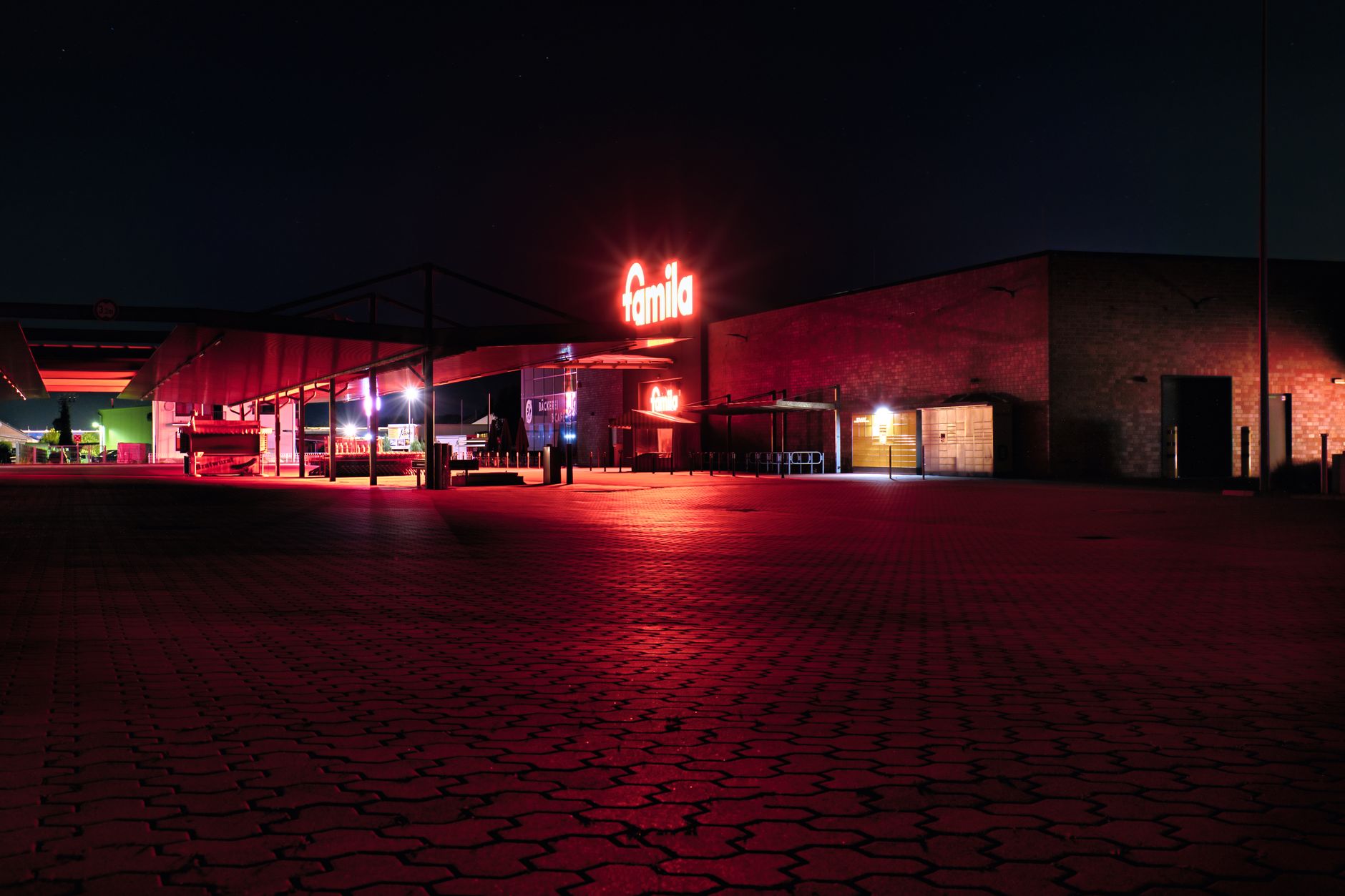
The primary advantage of a robotic cleaner is its ability to work without direct supervision, making overnight hours the perfect time for deep cleaning runs. Scheduling the main scrubbing route after the store closes and before the morning rush ensures the entire floor area receives consistent attention without interfering with customers.
Autonomous robots can be programmed to start their routes at a specific time, returning to their docking station to recharge and empty their tanks upon completion. This 24/7 availability means cleaning can happen during restocking or other overnight activities.
For daytime maintenance, spot-cleaning modes can be invaluable. If a spill occurs in the produce section, a staff member can deploy the robot for a targeted cleaning cycle in that specific zone. This rapid response helps prevent stains and reduces slip risks without requiring a dedicated janitor to stop other tasks. The robot's quiet operation, often designed with noise reduction technology, allows it to work during store hours with minimal disruption.
What Is the Business Case for Robotic Floor Care?
The return on investment for autonomous floor scrubbers extends beyond just a shiny floor. The most significant factor is the reduction in labor costs. A single robot can handle the repetitive, time-consuming task of scrubbing large floor areas, freeing up human staff to focus on higher-value tasks like detailed cleaning, restroom sanitation, and customer service.
Some grocery chains have seen robotic floor scrubbers cut cleaning expenses by up to 50%. One 100-store grocery deployment saved 33,649 labor hours in a single year, creating an annual value of $2.12 million. The payback period for such an investment is often between 12 and 24 months.
Moreover, these robots generate detailed reports after every run. These logs show exactly which areas were cleaned and when, providing verifiable proof of cleaning for compliance and liability purposes. This data can be invaluable in slip-and-fall claims and for health and safety audits.
How Do You Choose and Deploy the Right Robot?
The sheer number of autonomous scrubber manufacturers and models can be daunting. Each machine has different capabilities, navigation technologies, and maintenance requirements. For a business like a supermarket, making the wrong choice can be a costly mistake. This is where a vendor-neutral integrator like Service Robot Co. becomes a crucial partner.
Rather than being tied to a single manufacturer, we select the best machine for your specific needs from across the industry. We analyze your store's layout, aisle width, floor condition, and operational hours. Our process starts with a site assessment to map your facility and identify the optimal robot and deployment strategy.
Service Robot Co. handles the entire lifecycle, from financing and deployment to integration and training. Our nationwide network of engineers provides ongoing service and maintenance, ensuring your machine operates at peak performance. This one-vendor approach means you have a single point of contact for the entire system, from the robot's hardware to its software integration with your existing management systems.