Key takeaways
- Wet, salty processing floors punish both people and machines, so drainage and traction matter more than raw square footage.
- Sanitizer chemistry and washdown timing must match what the scrubber manufacturer allows or you risk residue and warranty problems.
- Cold rooms shorten battery life and change drying time, so routes and charging need a cold-specific plan.
- Night sanitation windows are the natural slot for autonomous scrubbing if you map them before buying hardware.
- Verified injury data shows slips and falls stay common in seafood work, which makes consistent floor care a safety argument, not just aesthetics.
Can an autonomous scrubber actually work in a seafood plant?
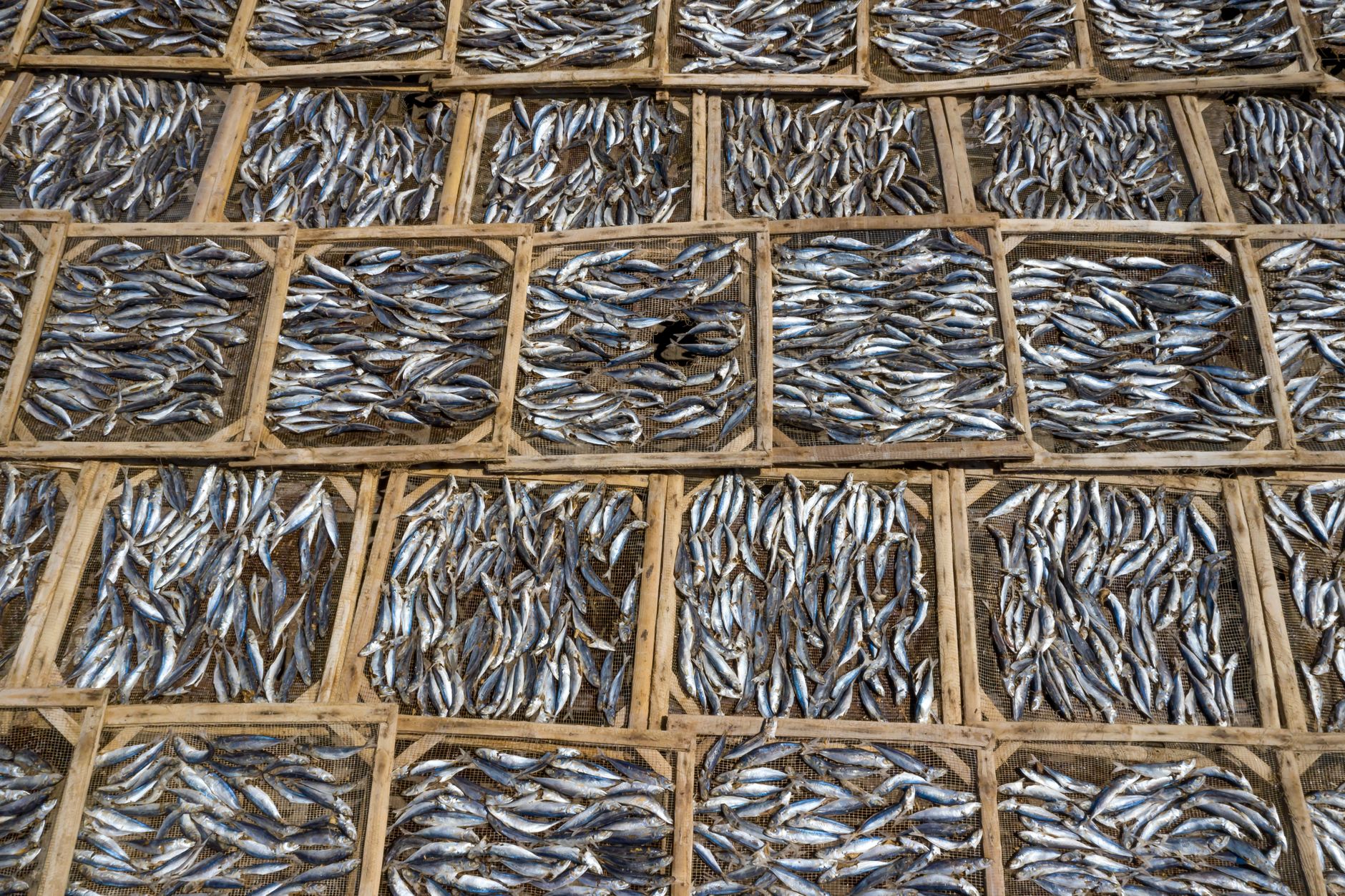
Yes, but only when the machine, the floor, and your sanitation schedule were planned together. Seafood and meat processing areas stay wet for most of the shift. Salt, fish oils, and sanitizer residue build faster than in a dry warehouse aisle. An autonomous scrubber can hold a steady clean if it can reach drains, tolerate your chemistry, and run when production is not fighting you for the same space.
The payoff is not a photo-ready floor at noon. It is fewer same-level falls during busy production, less overtime spent chasing slippery zones, and a repeatable night reset before the next shift. According to OSHA Region I guidance on seafood processing, injury and illness rates in the industry have run well above private-sector averages, and fall hazards on and around docks remain a recurring theme. Cleaner, drier travel paths directly support the housekeeping side of that picture.
Think of the scrubber as production equipment that happens to clean. It needs a mapped route, trained operators, and the same change-control discipline you apply to a new packaging line.
What makes processing floors harder than retail or office space?
Processing floors combine slope, standing water, and aggressive cleaning. Forklifts and pallet jacks track brine and protein soils into traffic lanes. Boot traffic grinds grit into epoxy or sealed concrete. Standard office robot demos rarely show that combination.
NIOSH notes that seafood processing workers face wet walking surfaces, cold temperatures, and contact hazards as routine conditions, not edge cases. Your scrubber choice has to respect those realities: brush pressure, squeegee performance, and recovery tanks that will not clog after a heavy washdown.
Noise and timing matter too. Some plants run quiet overnight sanitation so day crews arrive to dry floors. Others squeeze a quick scrub between shifts. Match the machine duty cycle to the window you truly have, not the window on a brochure.
How should drainage and floor slope shape the route map?
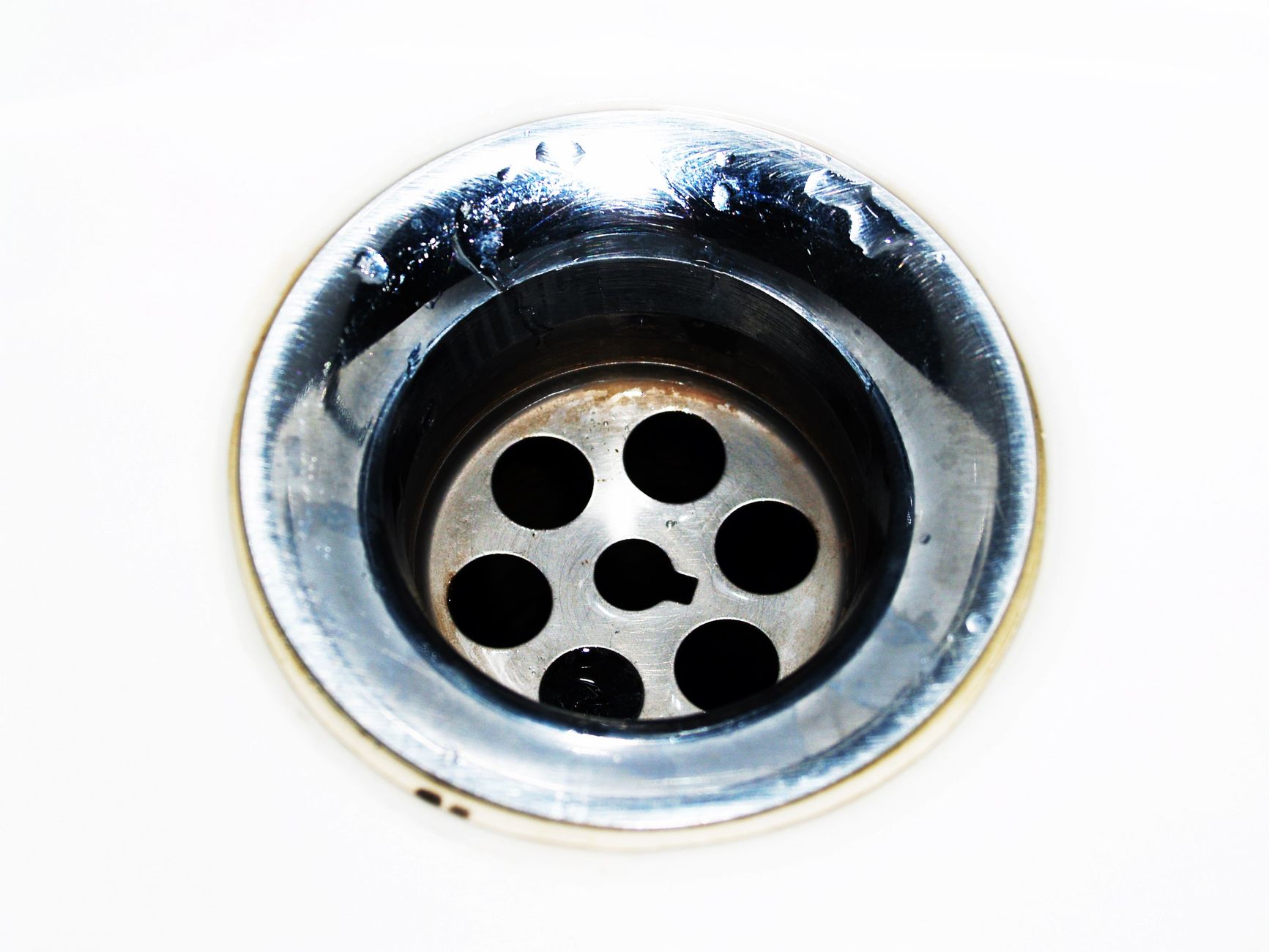
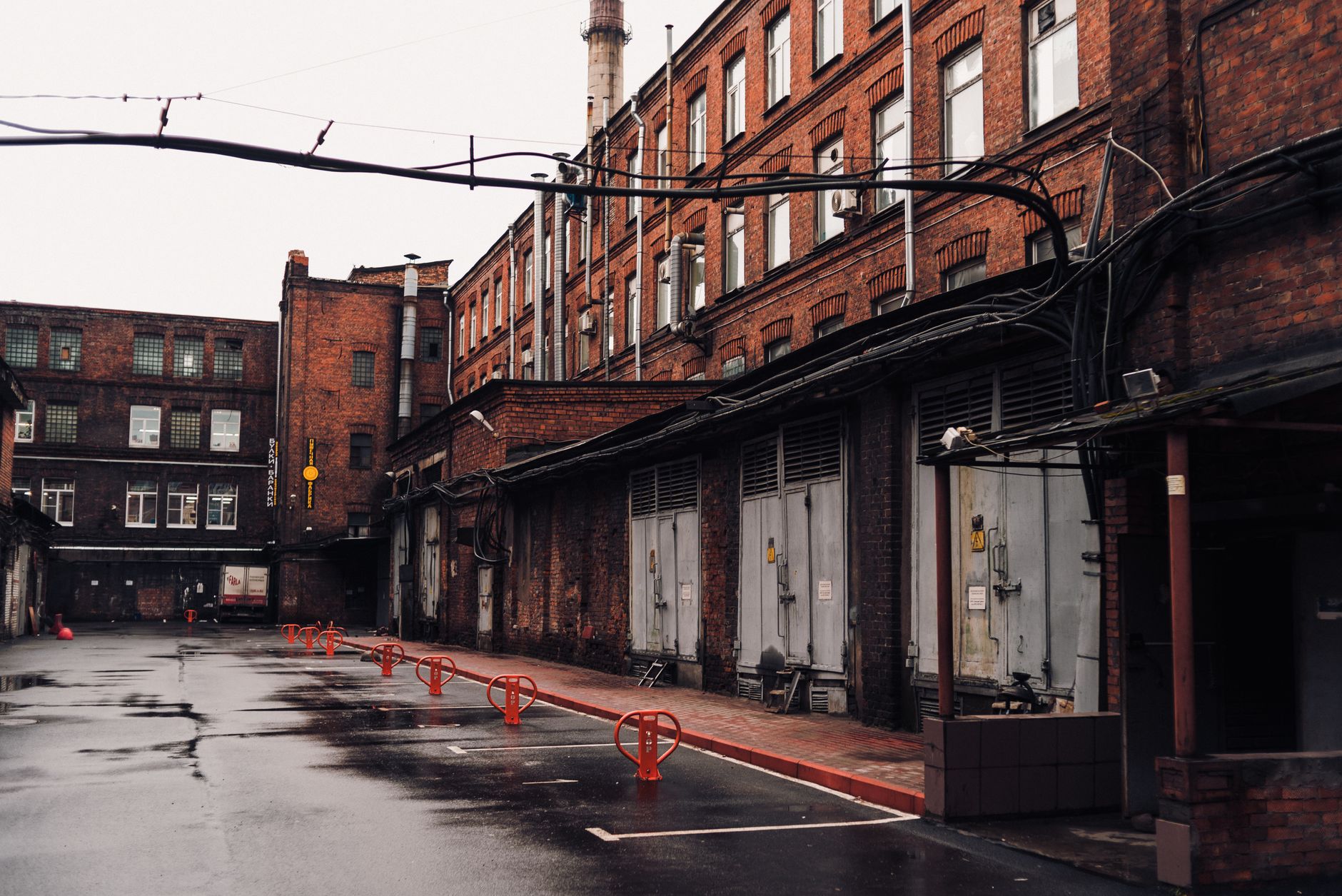
Autonomous scrubbers need a path where water returns to drains instead of pooling at low spots. Map every drain, trench, and hose bib before the first teaching run. Flag areas where slope reverses or where pallets usually sit, because a blocked drain lane becomes a slip lane by morning.
Keep recovery and supply runs short in washdown zones. Long loops that cross active production lines invite collisions with carts and totes. Where possible, split the plant into zones: raw side, cooked side, packaging, and cold storage each get their own program rather than one heroic loop.
Dock aprons and loading bays deserve separate attention. OSHA seafood emphasis programs call out falls on and around docks as ongoing hazards. A scrubber route that stops at the doorway but never addresses the apron leaves the riskiest transition untouched.
Which sanitizer and chemistry issues trip up scrubber deployments?
Your sanitation team already runs a protocol. The scrubber has to fit inside it, not replace it blindly. Confirm which floor cleaners, quats, or chlorinated products the scrubber manufacturer permits in the solution tank and on seals. Mixing the wrong chemistry can leave sticky residue that attracts more soil or damages hoses.
Document rinse steps after a heavy foam application. Some plants foam walls and equipment, then flood the floor. If the robot runs too early, it spreads foam into dry packaging areas. If it runs too late, it fights standing sanitizer that should have gone to drain first.
Keep a short approved-chemical list posted for both sanitation and maintenance staff. When the sanitation vendor changes a product, rerun a small test patch before you reload the robot tank.
What changes when the scrubber enters a cold room?
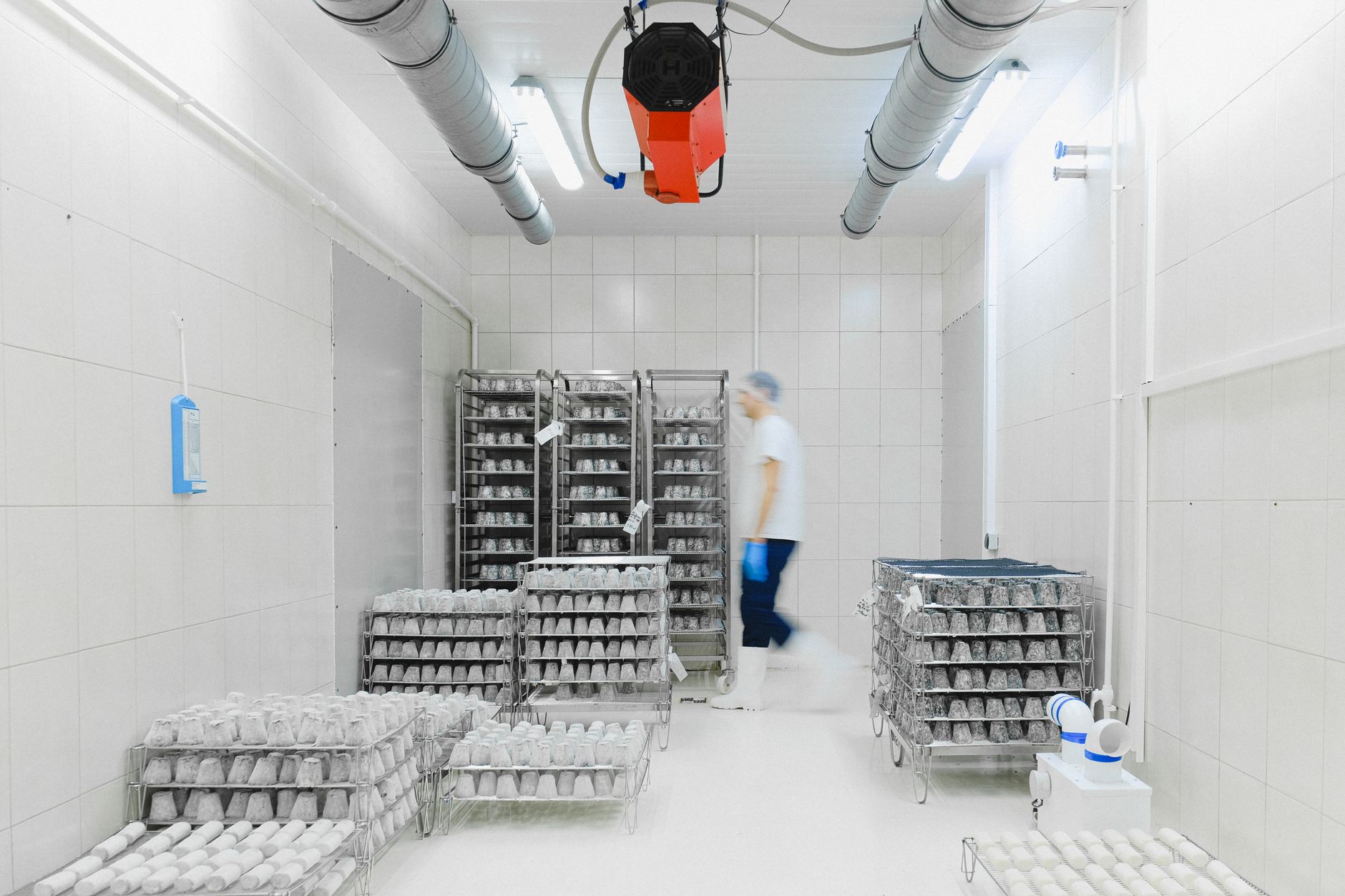
Battery performance drops in cold rooms, and floors stay wet longer when air temperature is low. Expect shorter run times per charge and longer dry times unless airflow helps evaporation. Some plants assign cold rooms to smaller machines with dedicated batteries that charge at room temperature.
Condensation on door thresholds creates a predictable slip band. Program extra passes or manual spot checks at those transitions. Boot scrapers and mat systems still matter; the robot handles the broad floor, not every micro-zone.
If your cold storage also handles seafood ice, watch for slush buildup near blast freezers. Mechanical removal may still be needed even with nightly scrubbing.
When should the robot run around existing sanitation windows?
Most seafood plants already own a sanitation calendar tied to production and regulatory audits. Slide autonomous scrubbing into the gaps that exist today: after production teardown, before the morning startup checklist, or during the midweek deep clean.
Coordinate with QA so swab sites and ATP tests are not scheduled on a freshly scrubbed but still damp floor unless your method accounts for moisture. A 30-minute buffer between scrub completion and environmental sampling avoids false reads and arguments on the production floor.
Train supervisors to treat a missed robot run like a missed sanitation task. Log it, reschedule it, and inspect the lane before people walk it.
What do injury numbers say about floor care in this industry?
Slips, trips, and falls stay a large share of seafood processing injuries. A study of Alaska onshore seafood processing workers compensation claims from 2014 through 2015 reported 448 slip, trip, and fall claims, including 214 falls on the same level, in a two-year window. Those are not theoretical near misses; they are paid claims in a wet-work environment.
At the national level, OSHA cites 2021 BLS data showing a total recordable case rate of 6.8 per 100 full-time workers in seafood packaging and processing, about 2.5 times the private-industry figure referenced in the same directive. Cleaner floors alone will not fix ergonomics or machine guarding, but they attack one of the most common loss drivers.
Food manufacturing overall employed about 1.84 million workers in 2025, according to BLS industry employment data published through FRED. Even a small seafood subsector slice still spans dozens of plants where a single serious fall triggers an OSHA visit and lost production time.
How does a vendor-neutral integrator fit the project?
Hardware is only half the decision. You still need site mapping, chemical sign-off, staff training, and a service plan when a drive wheel gums up with fish oil. Service Robot Co. selects scrubbers across manufacturers, finances purchases or leases, deploys on your floor, and supports units through RoboCare and a nationwide field network.
Bring your sanitation lead, maintenance manager, and QA rep into the first site walk. Show them the drains, the cold rooms, and the worst slip photos from last winter. A free site assessment should end with a written route concept, not a generic catalog page.
Pilot one zone before you commit a fleet. Measure dry time, noise, and how sanitizer schedules shift. Scale only after the night crew signs off that the floor is actually safer to walk, not just shinier on camera.