Key takeaways
- A single expo can leave thousands of square feet of hard flooring to reset before the next load-in.
- Mapped autonomous scrubbers hold repeatable routes while porters focus on tables, kitchens, and entries.
- Cordons, signage, and timed starts keep guests and staff clear of wet zones after late teardown.
- Monthly rental or lease terms track event calendars better than capital buys in shoulder months.
- A one-wing pilot with logged run times beats guessing coverage from a showroom demo.
Who resets the floor when the last chair stacks?
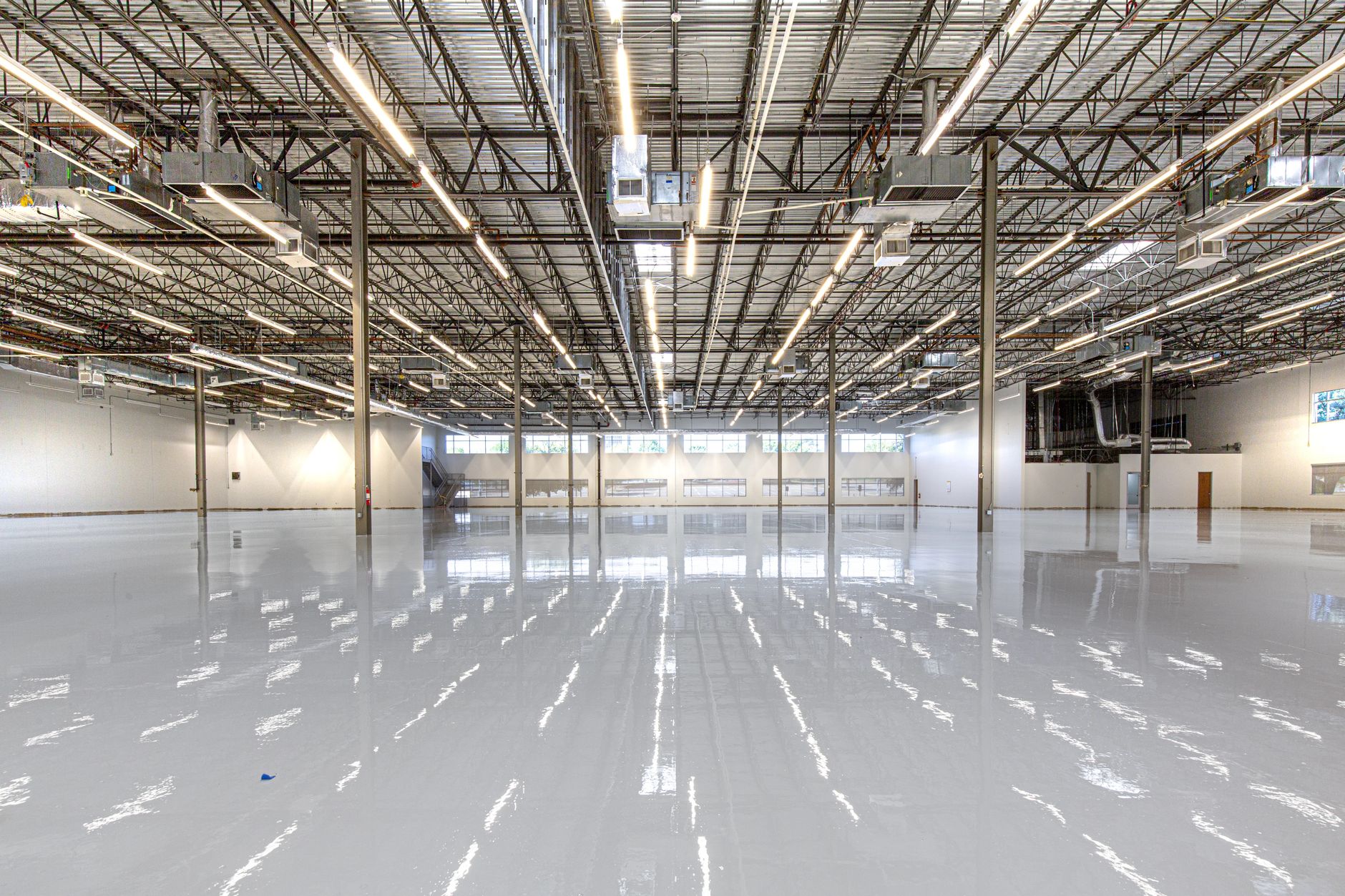
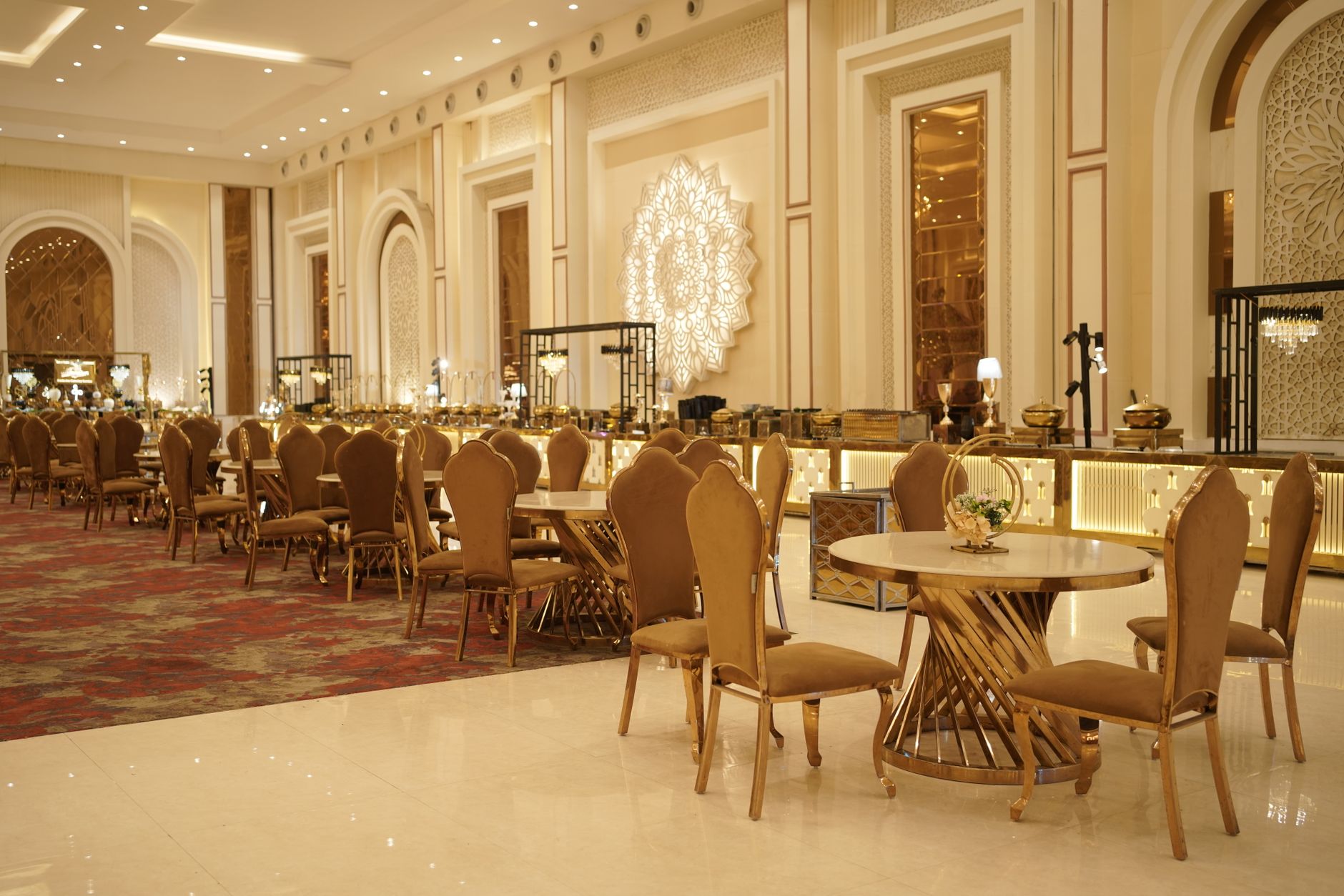
After a trade expo or seated dinner, the visible work is chairs, linens, and kitchen closeout. The slower job is the hard floor: grit from booth builds, tracked-in snow melt at doors, and sticky residue under serving lanes. In remote tourism corridors, that reset often lands on the same small overnight crew that already covers security walkthroughs and early breakfast prep.
Autonomous floor scrubbers do not replace judgment on teardown night. They hold a mapped route on sealed concrete or tile while people pull staging, reset AV, and spot-treat carpet transitions. The operator sets start times, water recovery expectations, and which wings stay closed until pads finish.
Service Robot Co. acts as one integrator for select, finance, deploy, train, and nationwide service so facility leaders are not juggling separate OEM, rental house, and maintenance contracts before the next calendar peak.
Why is a Four Corners venue harder to staff than a metro hotel?
Ignacio and the surrounding La Plata County economy mix tribal enterprise, casino hospitality, and tourism traffic toward Durango and Mesa Verde country. The Southern Ute Indian Tribe 2023-2025 Comprehensive Economic Development Strategy describes the Tribe as the largest employer in La Plata County, with an estimated 1,600 jobs across government and business enterprises.
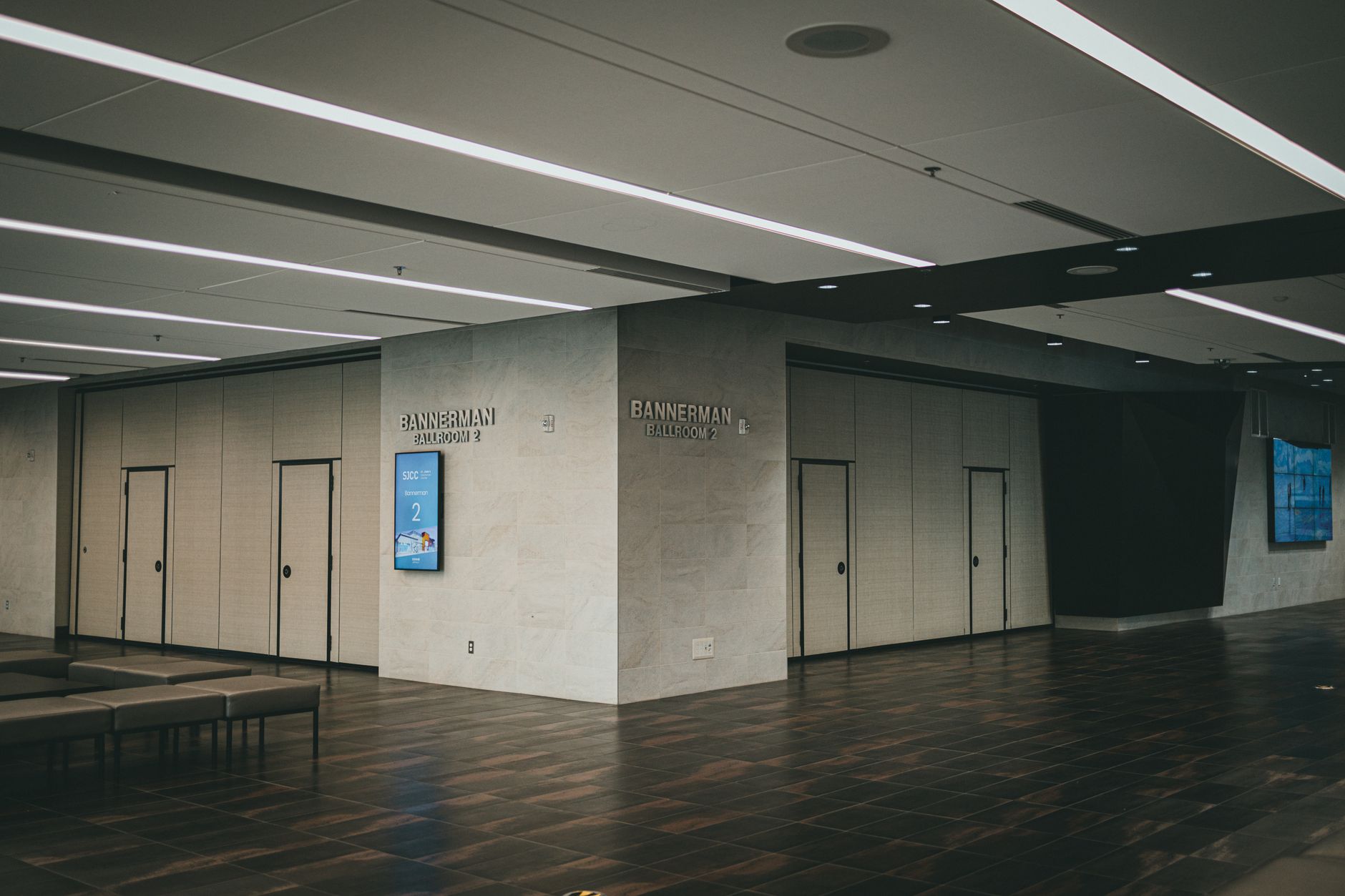
Sky Ute Casino Resort publishes nearly 19,000 square feet of banquet and convention space and lists capacity up to 2,000 attendees for expos and summits on its meeting pages. That scale is rare in the Four Corners, which means events that might split across two metro hotels here stack into one continuous hard-floor footprint.
Durango visitor spending reached 328 million dollars in 2022 per Tourism Economics reporting commissioned by the city, supporting 3,241 total jobs linked to visitor activity. The spending pulse reaches lodging and restaurants along the corridor, but the overnight porter pool does not grow at the same rate. When every hire goes to front-of-house or security, floor reset hours are the first cut.
What does a large banquet reset actually involve?
Start with a walkthrough while chairs are still up. Note cord covers, stage edges, and double doors that will change width during teardown. Mark zones where forklifts or dollies will cross later so you do not map a scrubber path through a live load-in lane.
Dry pickup still matters. Autonomous scrubbers handle embedded film and sticky spills on hard surfaces; they are not a substitute for picking up confetti, pallet wrap, or broken crate corners left from exhibitor freight. Assign one lead to sequence dry trash removal, then release the scrubber on the cleared polygon.
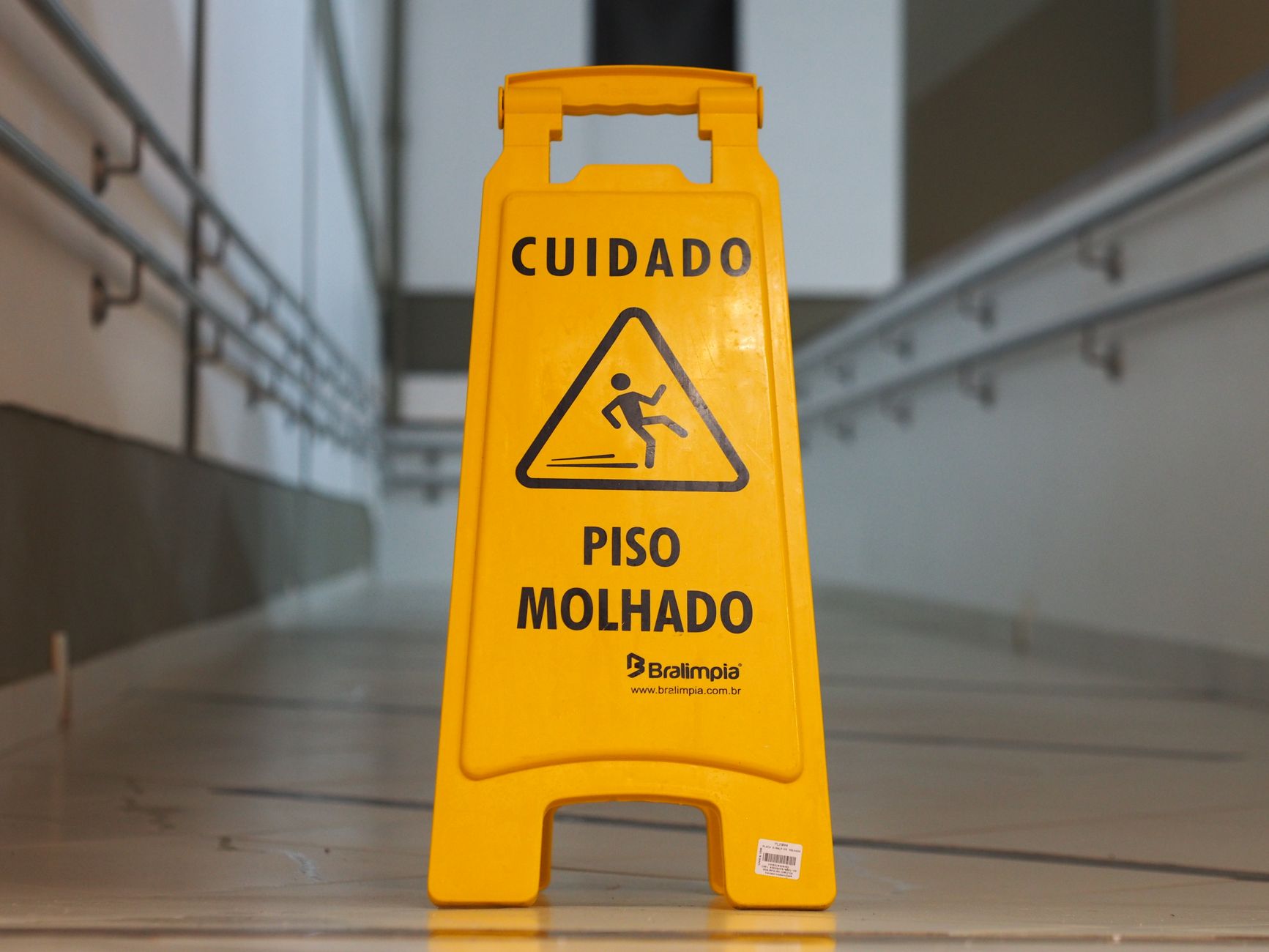
Water recovery is the guest-facing risk. Banquet halls often mix glossy tile, sealed concrete, and carpet transitions within feet of each other. Set cordons and wet-floor signage on every public approach, and keep one staff radio channel for pausing the route if a late vendor crosses the map.
- Document door sills and ramp angles that slow down a scrubber deck
- List electrical cords and floor boxes that must be lifted before the first pass
- Note columns and buffet islands that stay fixed between events
- Record which entries see the most snow melt and sand during winter shows
Where should the first autonomous scrubber run?
Pilot the largest continuous hard-floor panel first, usually the main ballroom slab before breakout rooms. One mapped loop that finishes reliably beats three partial routes that stall on clutter.
Keep breakout corridors on a second phase until the main hall proves pad wear, water use, and dry time on your actual finish. Casino-support vendors and satellite meeting spaces can join later once staff trust the pause and resume workflow.
If your property also runs overnight patrol on parking or service yards, schedule scrubbers after pedestrian traffic drops but before patrol paths cross the same entries. The goal is one quiet window, not competing machines at the same doorway.
How do rental and lease terms track an event calendar?
Capital purchase makes sense when utilization stays high twelve months a year. Many Four Corners properties see sharp summer and holiday peaks, then shoulder months with fewer seated banquets. Monthly rental or lease programs let you match payments to the weeks when expos actually land on the books.
Structure contracts around measurable outputs: completed scrub cycles per week, not vague availability. Tie renewal conversations to the next published event calendar rather than fiscal year guesses.
Service Robot Co. can bundle financing, deployment, training, and nationwide service so expansion means adding a mapped route or a second unit, not opening a new vendor relationship mid-season.
What should facilities measure during a four-week pilot?
Log porter hours on the pilot wing versus the same event type last year. Capture guest complaints about floor stickiness or slip risk separately from general service scores so you can see whether hard-floor coverage moved.
Record scrubber run times, pad changes, and water fills. Those numbers forecast consumable budgets when you add a second hall or extend into pre-dawn load-in days.
End the pilot with a written decision: rent another month, shift to lease, expand to breakout corridors, or stop. Ambiguity is what leaves crews back on mop buckets when the next 2,000-person expo books.
When should you add delivery or patrol robots?
Floor scrubbers solve the reset problem this article centers on. Delivery robots earn their place when the same thin crew runs meal trays, linens, or stock on repeating indoor loops during show weeks. Patrol units help when outdoor equipment yards or remote parking still need eyes after gates close.
Sequence automation. Prove scrubber reliability and wet-zone discipline before you add AMRs crossing the same entries. Each layer should have a named owner on the operations chart and a single integrator phone number when something faults at midnight before a keynote load-in.