Key takeaways
- GCSAA's 2025 labor survey still shows a tight maintenance hiring market, so indoor floor work competes with turf priorities.
- Pro shop entries, locker corridors, and banquet spillover are the best first zones for an autonomous scrubber.
- Schedule scrubber runs in low-traffic windows and keep greens, bunkers, and detail mowing with your existing crew.
- Buy or lease through financing after a site walk that maps mats, transitions, and charger placement.
- One integrator can deploy, train staff, and service the unit so clubhouse automation does not become a side project.
Why clubhouse floors spike right after the morning tee sheet?
The maintenance team you trust for turf is rarely sitting idle at ten in the morning. Leagues, outings, and walk-on traffic push sand, grass clippings, and drink spills from the pro shop threshold into locker corridors and banquet pre-function space before lunch service even starts.
According to GCSAA's 2025 Capital Budget and Labor Survey, 34% of superintendent respondents still rated the general maintenance labor market bad or very bad, even though that share improved from 63% in 2022. The same survey drew 1,299 completed responses from Class A and B members between April and July 2025.
That staffing pressure means indoor hard floor care often waits until someone is free from carts, bunkers, or irrigation checks. A deliberate robot plan targets the zones members see first instead of asking the same small crew to add another mop rotation by hand.
Which indoor zones should a course automate first?
Start with the pro shop entry and the first twenty feet of corridor beyond it. Those surfaces collect the most grit from parking lots and spike wear from shoes that never quite get cleaned on the mat.
Locker room transitions and the path to the grille or bar are the next tier. Humidity from showers and steady foot traffic turn fine dust into a film that shows under lobby lighting.
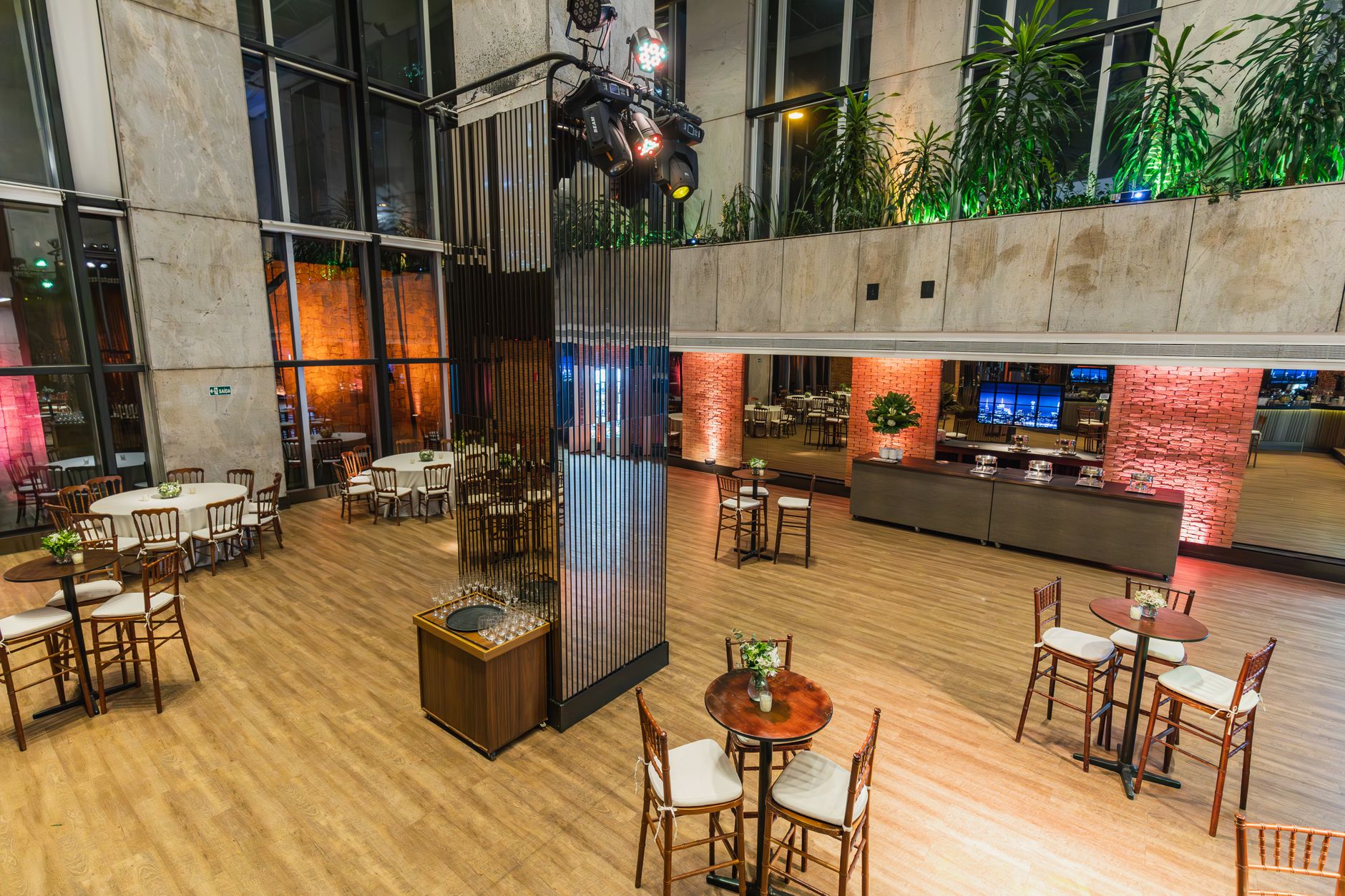
Banquet and event spillover areas matter on league nights and wedding Saturdays. You are not trying to automate the kitchen or the range turf. You are protecting hard floors where a scrubber can run a tight loop while the crew stays on agronomy.
- Pro shop mat zone and front threshold
- Locker corridor and wet-area transitions
- Grille or bar entry hard flooring
- Banquet pre-function and portable bar zones
How do you schedule scrubbing around member traffic?
Most superintendents still run a single maintenance shift per day. GCSAA's 2025 survey reported 92% of respondents operate only one daily maintenance shift, which leaves little slack for extra indoor passes.
Map scrubber routes for the quiet band between the last morning league tee and the first afternoon outing. Mid-day windows also work for semi-private clubs that see a lull after the lunch rush.
Keep the machine out of active banquet setups. Treat event furniture as a temporary keep-out zone in the map, the same way you would mark a bunker on a fairway autonomy project.
What does mapping a clubhouse floor look like in practice?
Walk the building with the staff member who already knows which mats slide and which door thresholds catch wheels. Note floor type changes, elevator thresholds, and any carpet islands the scrubber must avoid.
Charger placement matters as much as the route. You want a dry corner near power, not a walkway where members stack range buckets.
Document water fill and dump locations if the unit needs them. Clubhouses rarely have mop sinks in the right place, so the first walk prevents surprises on go-live night.
What financing and support model fits a clubhouse project?
Courses buy outright or lease autonomous scrubbers through financing, the same way they approach other capital tools. The decision hinges on cash timing, expected weekly hours, and how many buildings you need to cover.
Service Robot Co. stays OEM-neutral: we match the scrubber to your floor types, finance the deal, deploy with mapping, train your monitor, and keep the unit running through RoboCare with regional service engineers.
Treat the clubhouse scrubber as part of a broader automation conversation only when it helps. Some properties later add patrol robots for cart barn lots or delivery robots for pro shop back-of-house, but the first win is a clean, dry entry after the morning rush.
What should you measure after the first month?
Track complaint calls about slippery entries, stained grout lines, and banquet turnaround time. Those qualitative signals matter as much as machine hours.
Compare staff hours previously spent on mop buckets in the same zones. If the scrubber runs three mid-week passes, your lead should see fewer emergency resets before weekend events.
Review the labor survey trend in your own shop. GCSAA's improvement from 63% to 34% calling the market bad shows hiring can ease, but 34% is still a large share of courses fighting for the same applicants. Automation should make your current team more visible to members, not justify cutting people who handle turf craft.