Key takeaways
- Run the entry pass in the quiet gap before member arrivals, sized from your own door and register timestamps.
- Walk the mats and rugs first, because loose rugs and thick bindings are a common failure point for climbing.
- Flat mats can be run over, and cliff sensors can misread a raised sill as a drop.
- Log every stop, mat move and missed area so the manager can judge the timing each week.
Time the entry round for the gap before member arrivals
The short answer is to run the pro shop entry pass in the quiet stretch before member arrivals build, and to finish it with a buffer before the first wave reaches the door. A floor robot that clears the threshold, mats and sill early leaves the doorway usable when members start walking in.
How long that quiet stretch lasts depends on your building, your tee sheet and your weekend habits, not on a national average. No public source reviewed for this piece gives arrival counts for a pro shop, so the first job is measurement, not guesswork.
Why doorway mats stall a floor robot
Trouble usually starts at the edge of a mat. Residential robot vacuum guidance puts typical threshold climb limits at about 15 to 20 mm, and Ecovacs support says its robot skips areas where thresholds or furniture exceed 2 cm, as of November 2026. Those are home vacuum figures, not commercial scrubber specifications, so read them as a warning sign and not as a rating for your machine.
Thick rugs and heavy perimeter bindings are a common failure point for climbing, according to a Dreame guide. Ecovacs also advises checking for rugs or mats blocking doorways when areas are missed, which is exactly what a manager will notice first at the entry.
What route sensors miss, and what they misread
Tennant's office building guidance for its AMR, as of November 2026, says the robot cannot detect objects under about 4 inches tall. A flat entrance mat can therefore be run over in autonomous mode. The advice is to move those items or retrain the route, teaching paths 30 to 60 cm away from such areas, and the same guidance warns that reflections can cause false obstacle stops.
Cliff sensors read reflected infrared, so a missing reflection looks like a drop, and dark or absorbent surfaces can produce false cliff reads. iRobot's home vacuum support states a cliff threshold of 3.5 inches (90 mm) and notes that a rug hanging over an edge can trigger a drop error. A raised doorway sill can be read the same way, and a rubber threshold ramp strip is the fix suggested in one robot vacuum guide.
Mat handling before each round
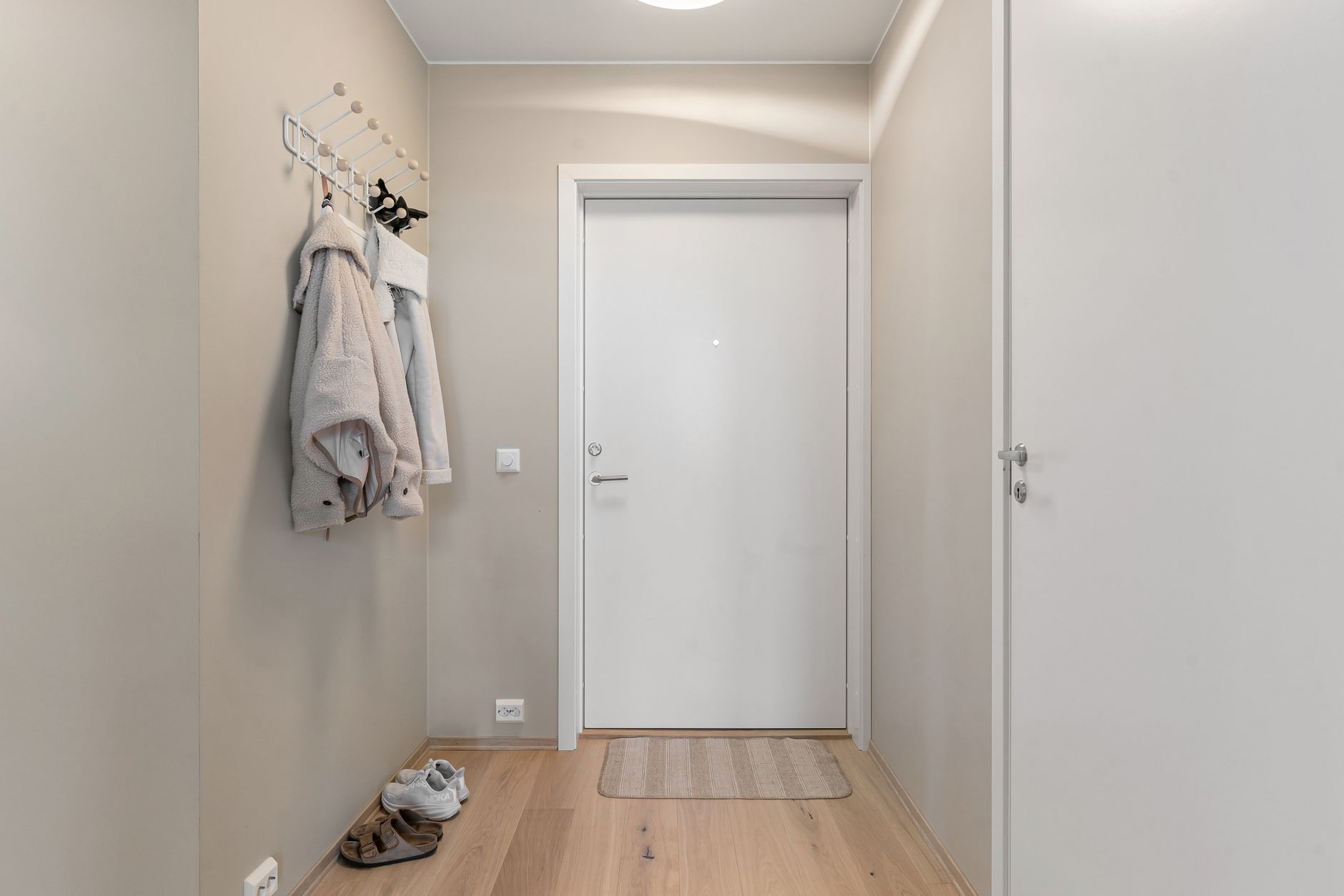
Walk the entry before the first run of the day. Mats move during trading hours, and a robot cannot plan around a mat that someone has rolled halfway under the threshold.
- Note every mat, rug and loose edge on the entry walk, and photograph the doorway for the log.
- Roll back any loose rug, or lift a mat that sits on the threshold, and record where it went back.
- Mark flat mats on the route map and retrain the route around them, as Tennant advises for flat items.
- Where the app offers a carpet bypass or keep out zone setting, apply it to the mat zone, as Ecovacs advises for missed areas.
- Test a rubber threshold ramp strip on a raised sill before committing to a full set.
Matching the round to your own arrival peaks
Golf Digest's profile of Sharp Park says Saturday mornings are busy at a course that averages about 50,000 rounds a year, according to its pro shop operator. That is one course's account, not a traffic study, but it shows why weekend mornings deserve their own timing.
A UK PGA sourced article from May 2026 describes busy month visits as more purposeful, and recommends account balances and prepaid top ups to reduce counter transactions at peak. Shorter counter queues may keep the entry clear for longer, though that is an inference and not a measured result.
Build your own timing from door counts or register timestamps across several weeks. Set the round to end with a buffer before the first wave, and retime it whenever weekend schedules change.

What to log for the manager
No public source reviewed here documents route logs or reports for cliff or mat edge events on commercial robots. Check what your vendor's app and fleet reports actually record before promising a manager any specific data, and keep the fields below in a shared sheet if the app does not provide them.
- Round start and end times, plus the arrival wave observed at the door
- Mat and rug positions found on the walk, and where each one went back
- Each stop, with the cause recorded as cliff, obstacle, reflection or unknown
- Any missed area, and whether the carpet bypass or keep out zone setting was applied
- Threshold strip or sill changes, with the date each one went in
Where a lease and a site assessment fit in
Service Robot Co. is a vendor neutral robot integrator, so the machine is picked for your floor rather than for one manufacturer's catalog. Robots reach a pro shop through a three year lease with financing, and the fixed lease quote comes after a site assessment, where doorways, thresholds and mats get mapped before anyone commits.
Our RoboCare service plan covers remote triage and technician dispatch to the site when a stop needs hands on work. We deploy in phases, so a pro shop can test the entry timing on one doorway first. Ask for a commercial robot demo before deciding on any lease.
Frequently asked questions
Want a robot working for you?
Tell us the job and the site. We will recommend the robot, quote the lease, and keep it serviced.
Sources
- Ecovacs blog: robot vacuums and thresholds
- Ecovacs support FAQ
- Dreame: can robot vacuums go over thresholds
- Tennant AMR office buildings best practices (PDF)
- RobovacGuide: cliff sensor false drops
- iRobot support article 8960
- Golf Digest: Sharp Park Golf Course photos
- Crossover Tec: May 2026 PGA article on busy May