Key takeaways
- Run the floor robot in the gap between services, and only after standing liquid is cleared by hand.
- Restaurant slip evidence ties most slips to liquid or grease, with the highest counts near sinks and fryers.
- Measure your narrowest passage first, since the vendor minimum passing widths in the pages reviewed run from 700 mm to 800 mm.
- Dock the unit off the server route and name one person for the water step on every shift.
- Pilot one gap for several weeks before committing, because independent results for grill rooms are still missing.
Can a floor robot work a grill room between services?
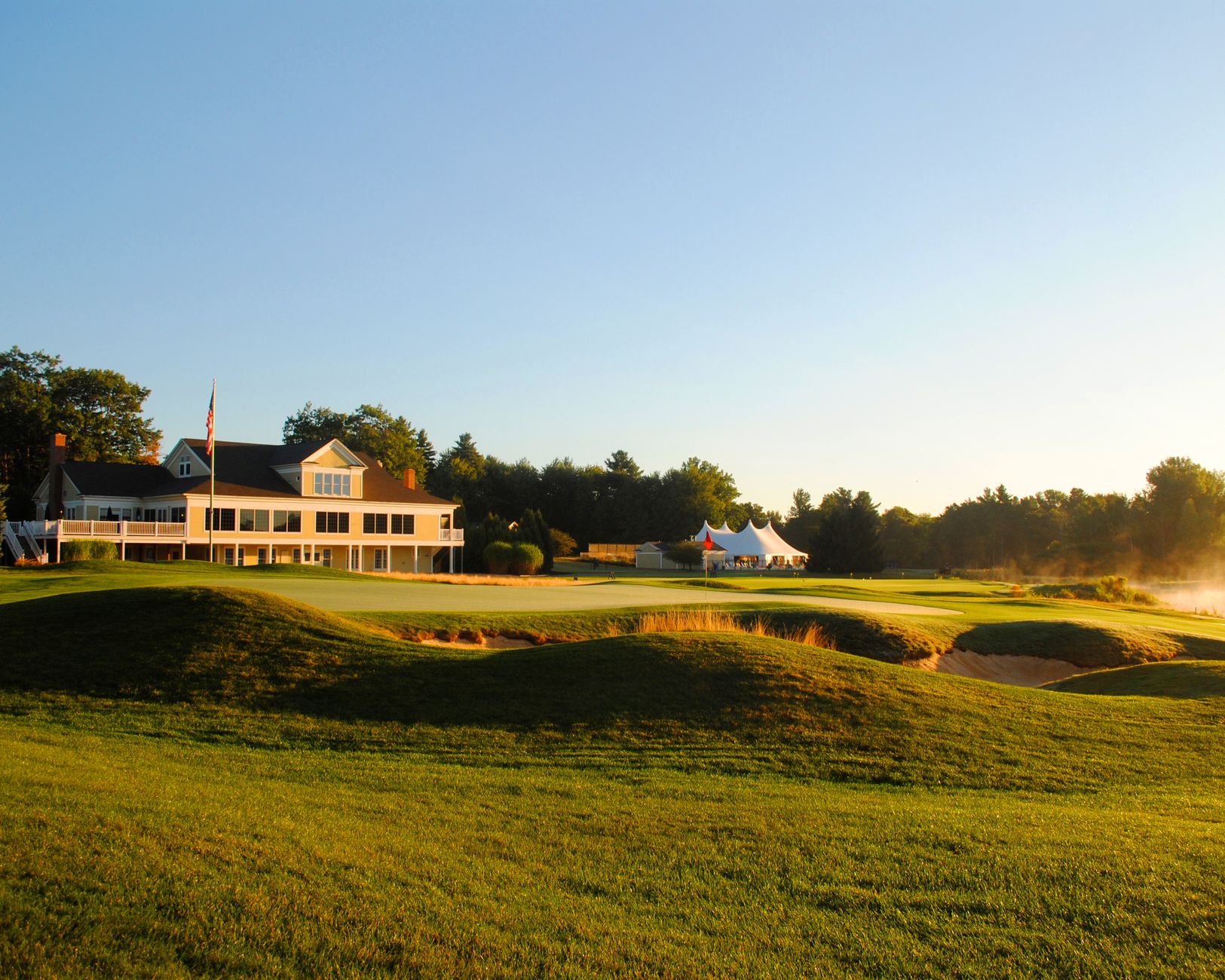
Yes, but only in the gap, and only after a person has dealt with the worst of the standing liquid. A grill room between lunch close and dinner open takes short bursts of spills, grease carried from the grill line and a crowd that arrives all at once. A floor robot can take the repeat passes on open floor during that window, provided the route is clear before it starts.
The vendor material we reviewed frames the gap as the realistic cleaning window. One OrionStar page states that between meal windows are tight, and that manual scrubbing during an active service window is often impractical because of slip hazards and disruption. Those are manufacturer claims, and we found no independent study measuring results in a club grill room.
What follows is an operating routine for a food and beverage team: what to clear first, how to size the robot to the aisles, how to keep it out of the service path, and what to log. It is our proposal for the crew, not a finding from published research.
Where do grill room slips come from?
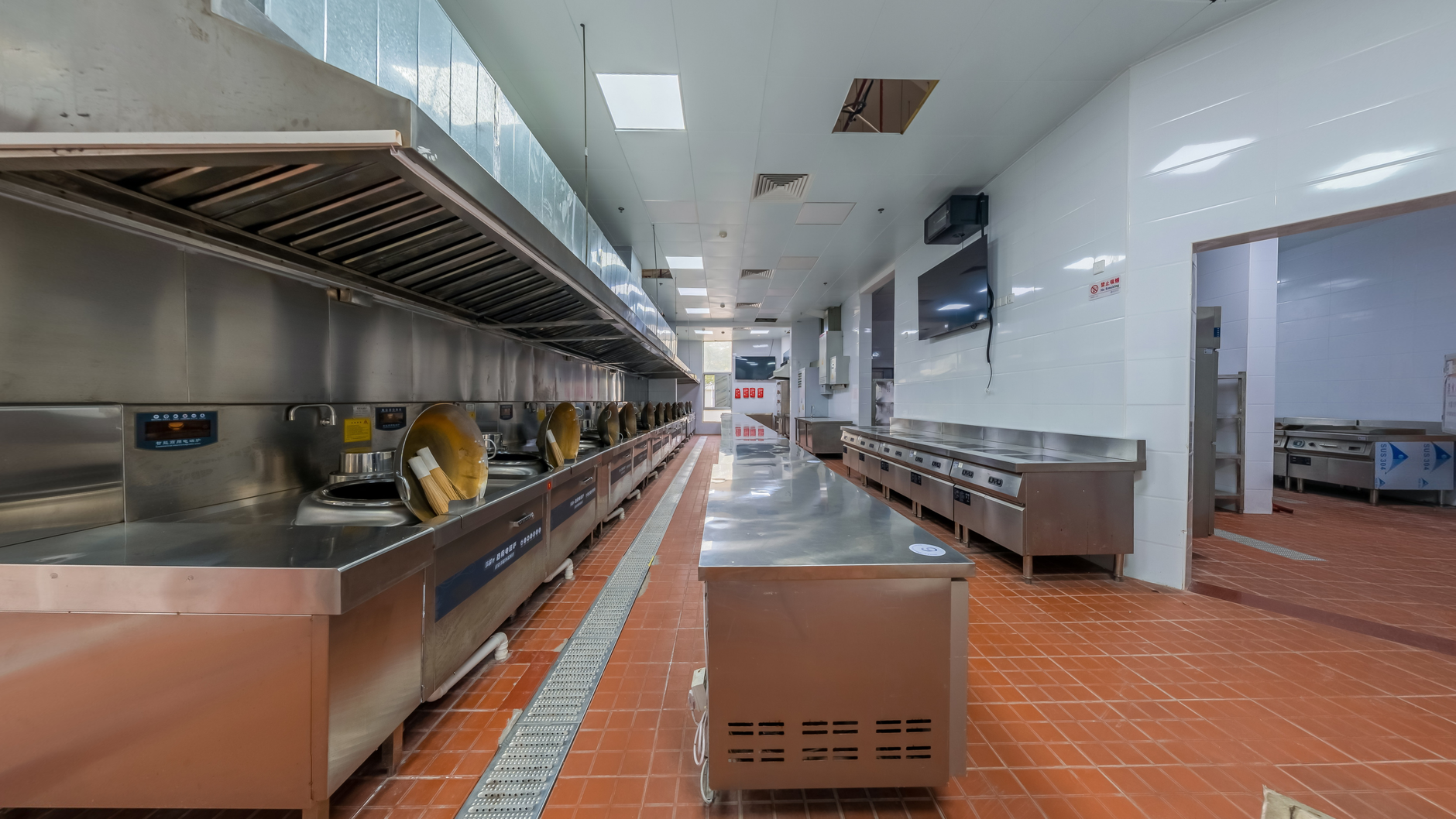
The strongest public evidence comes from restaurants rather than clubs. A peer reviewed field study of limited service restaurant workers, indexed as DOI 10.1080/15459624.2010.486693, reported that liquid or grease contaminated the floor in most of the slips it recorded. The highest slip counts clustered near sink and fryer areas.
We have not checked the paper's exact rates against the full text, so any figure from it should be verified before it appears in a proposal. The pattern still matches a grill room: fryer splashes, drips at the sink, and grease carried on shoe soles from the grill toward the bar.
That points the crew to standing liquid first. A scrubber can lift a thin film, but a pooled puddle at the fryer line is better taken up by hand, with a squeegee and absorbent towels, before the robot ever leaves the dock.
What should the crew clear before the robot starts?
Clear in a fixed order, so the robot never meets a surprise halfway down a passage. This sequence is ours, built from the hazard pattern above.
Each line removes one thing the robot would otherwise have to stop for or drag through. The order matters: liquid comes before debris, and the dock check comes last, so the crew leaves the room ready to start.
- Confirm the room is empty of guests and servers, and that the kitchen door to the dining floor is closed.
- Stack or move chairs and stools to the storage positions the route map uses.
- Take up loose debris such as napkins, straws, lemon wedges, ice and dropped condiment packets.
- Mop standing liquid at the fryer and sink line by hand before any robot pass.
- Lift cords, mats and bar runners that could snag a brush or block a sensor.
- Check the dock, the water supply and the waste tank before the start time.
Which robot fits a grill room aisle?
Start with your narrowest passage, usually the gap between a bar rail and a service island, and measure it with the furniture in its service position. Then compare that width with the minimum passing widths vendors publish.
In the vendor pages we checked in November 2026, OrionStar lists a minimum passing width of 700 mm for its CleaniBot S55 Pro, and an OrionStar comparison page lists 800 mm for the Avidbots Neo 2W. Both are vendor reported. A 100 mm difference in a listing can decide whether a passage works at all, so test the route physically.
Compact units under 500 mm are described as teach and repeat machines that follow a fixed grid of tables, which suits a room whose furniture rarely moves. Larger wet scrubbers carry more water and cover more floor per pass, but they need more width and a plan for their water. Match the unit to the room you measured, not to the brand on the spec sheet.
How do you keep the robot out of the service path?
The service path is the route servers use to carry plates from the pass to the tables, and it is the one route a robot should never share during service. Dock the unit off that path, in a back corridor or a dead end beside the kitchen, so charging and water work never sit in a server lane.
Build the cleaning route to run when the server route is empty, and mark the pass, the bar service point and the doors as keep out zones where the unit supports them. Ask each vendor, in writing, how the robot responds when a person steps into its path. The answer should describe a stop and a resume, not a guess.
Assign one staff member as spotter for the first few weeks. The spotter stands at the room door, watches the robot leave the dock, and calls a stop if a guest or server enters the route.
How do you time the gap and handle the water?
Build the run backward from dinner. Dinner prep sets the last moment the room must be ready, and the robot's docking time sets the last moment it can start. Between those points sit the clear, the run, the dock and the spot check. Tie every time to your own lunch and dinner schedule, since that gap is the only one that matters here.
Water is the step most likely to be forgotten. Some docking stations drain and refill on their own, while others need staff to handle water between cycles. One wet scrubber in the vendor listings carries a combined clean and waste capacity of 90 liters, a vendor figure to test against how often your grill room actually runs. Name one person for the water step on every shift.
After each run, log the start and end times, any stop events, any slip report near the fryer line, and the state of the dock. Kept for a few weeks, those five entries show the food and beverage manager whether the gap is long enough and where the room still needs hand work.
How does a club get a floor robot in place?
Service Robot Co. (servicerobotco.com) is a vendor neutral robot integrator for US businesses. We pick the robot that fits the room across manufacturers, lease it to you through financing, deploy and integrate it, train the staff, and service every unit under RoboCare, our service plan, backed by regional service engineers in every state we service. One partner, one number, for the whole lifecycle.
The process starts with a site assessment and mapping visit, where we measure the grill room, trace the service path and test a dock location. Our commercial cleaning robot leasing runs on a three year lease, with one fixed lease payment quoted after that assessment. The quote reflects the room we measured, not a brochure figure.
A floor scrubber lease is only as useful as the service behind it. Once the unit is live, RoboCare covers on site dispatch and remote triage when a unit stalls during a gap, so the crew is not left to fix a stuck robot in the middle of dinner prep.
What is still unknown before you commit?
Less than the vendor pages suggest. We found no independent review, no restaurant case study with measured results, and no noise data for these units in service rooms. Treat the passing widths, water capacities and teach and repeat claims as starting points, not proof.
A practical test is one gap, one zone and one shift, run for several weeks. Log the five entries above, count how often the crew had to step in, and check whether slip reports near the fryer line change. If the numbers do not move, the floor still needs hands, and that is a useful result to have before any robot lease is signed.
Frequently asked questions
Want a robot working for you?
Tell us the job and the site. We will recommend the robot, quote the lease, and keep it serviced.
Sources
- Informa Healthcare, DOI 10.1080/15459624.2010.486693 (restaurant worker slip field study)
- OrionStar, floor cleaning robot pages (between meal windows)
- OrionStar, CleaniBot S55 Pro and comparison page (minimum passing widths)
- OrionStar, compact teach and repeat unit page
- OrionStar, wet scrubber docking and water handling page