Key takeaways
- A compact floor robot fits dry to damp lobby and changing room corridors best, once those routes are mapped.
- Pool edges, drain covers and splash zones need a manual walk before and after every overnight run.
- Wet cleaning is a documented robot method, but our research found no bathhouse operator data for any named model.
- Slip rules stay with the operator: keep surfaces clean and dry, post signs, and correct hazards before reuse.
- Ask any vendor for drain, grout and tile grip evidence in writing before you lease.
Which bathhouse zones can a floor robot cover overnight?
A compact floor robot can take most of a bathhouse's overnight floor work, provided the operator treats the wet zones with the same care as the dry ones. The strongest candidates are lobby tile, changing room corridors and the dry to damp transition paths that carry guests between lockers and showers. Pool decks, drain covers and splash prone shower bays stay on the manual list until a site walk proves otherwise.
Our research found no bathhouse specific operator data, no drain handling figures and no grout or tile grip test results for any named model. What follows is a planning method for a site assessment, not a certification of any machine. Treat each zone as a question to answer on your floor.
How do the zones sort into robot and manual work?
Sort zones by splash risk, not by square footage. A large dry corridor is an easier first run than a small shower room with open drains. The categories below are planning starting points for a site walk.
- Front lobby and reception tile: a strong first zone, usually light traffic and few drains.
- Changing room corridors between locker banks: good candidates, with bench legs and locker kick plates mapped as obstacles.
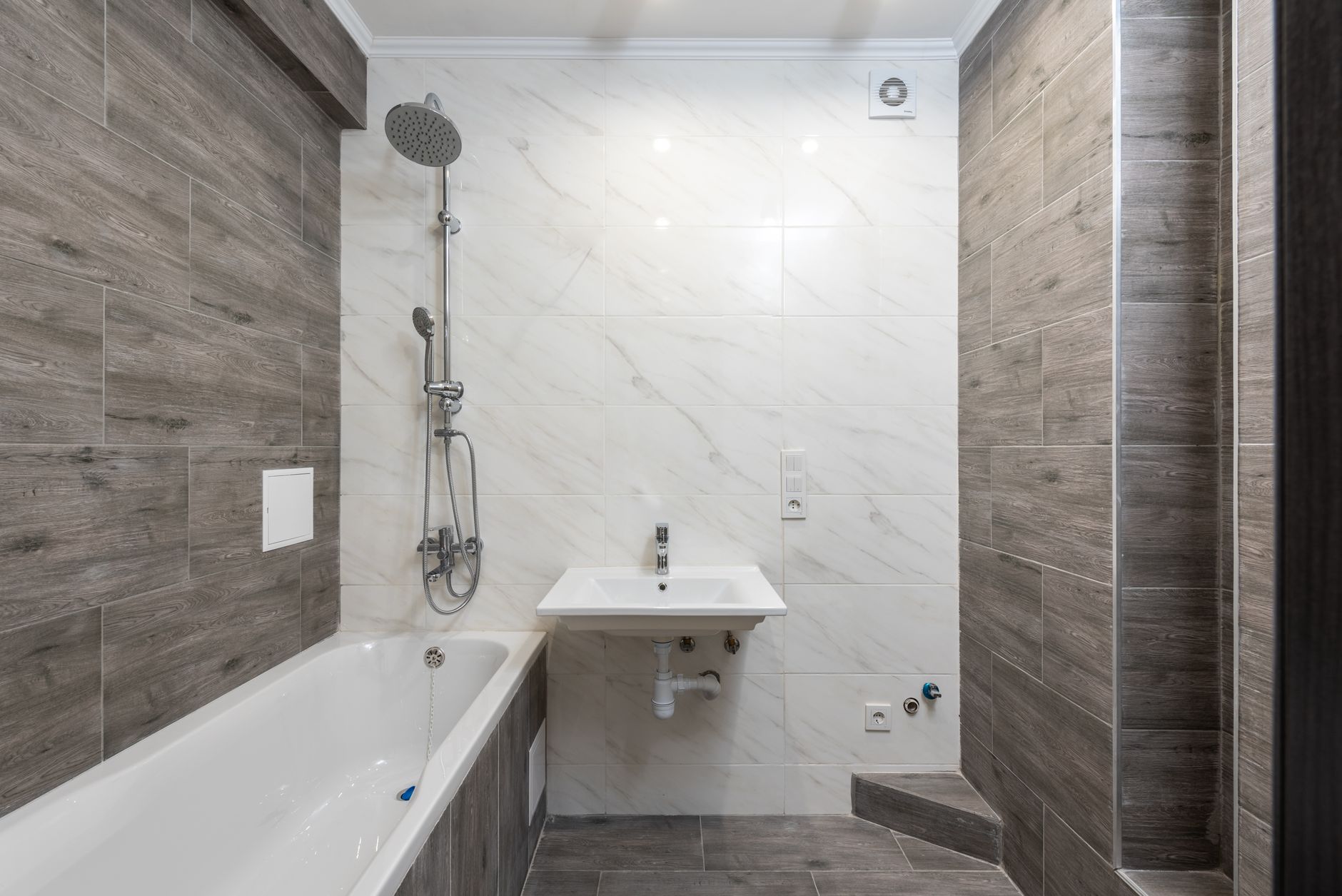
- Shower room tile: conditional, only after a manual wet tile check and a route test, with drain covers left to staff.
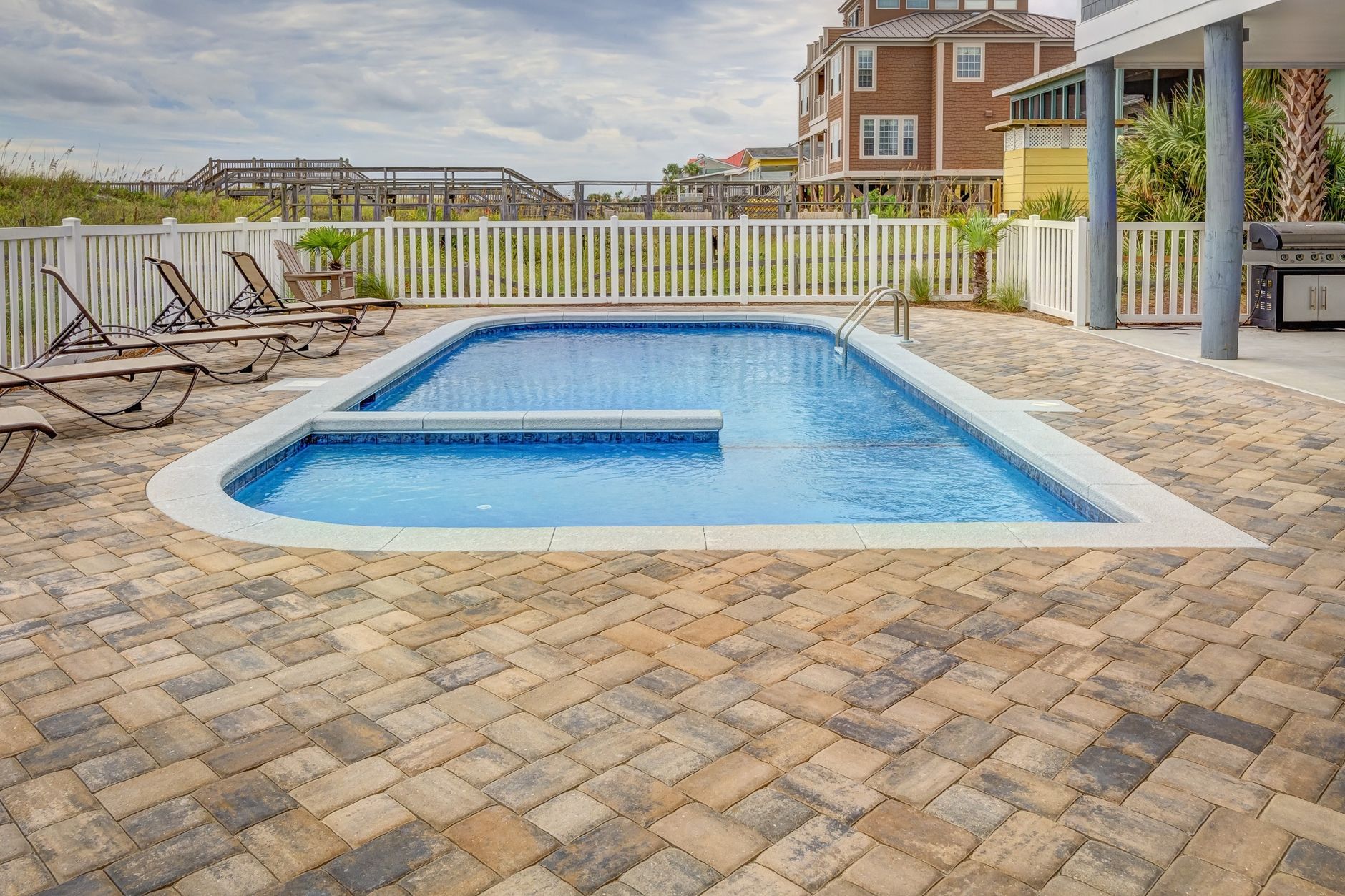
- Pool deck edges and splash bands: manual work, with the robot kept well clear.
- Sauna and steam anterooms: test as a separate zone, since humidity and grout condition change the surface.
How wet is too wet for a robot run?
A Ziegler family patent describes autonomous robots that vacuum and wash hard floors such as tile and vinyl, using liquid assisted washing or wiping. The patent text states that wet cleaning can remove more debris than comparably sized dry robots. That is a claim about a method, not a guarantee for your grout lines.
The same patent describes sealing electrical parts against cleaning fluid and waste, using covers, potting or gaskets. In a splash prone room, ask each vendor to state in writing how its sealing works and where the sealed parts sit on the unit. Patent language does not answer that for a specific model.
Where do slip checks stay manual?
Secondary summaries of 29 CFR 1910.22, the walking working surfaces standard, say employers must keep passageways, service rooms and walking working surfaces clean, dry, orderly and sanitary. A robot run does not end that duty. Other secondary commentary says hazardous conditions must be corrected before an employee uses the surface again.
An OSHA interpretation letter dated March 21, 2003, which we reviewed as a search result only, states that OSHA has no standard mandating a particular coefficient of friction for these surfaces. That leaves the operator to set its own wet tile test and record the results. One secondary summary also cites OSHA guidance suggesting no skid treatments or grit coated surfaces in toilet and shower areas. We could not check that against OSHA's own text, so verify it before you cite it.
A practical rule: after each overnight run, a staff member walks the drain perimeters, pool edge tiles and shower entries, looks for residue or standing water, and logs the result before guests arrive. Wet floor signs stay out while any tile is still slick.
How do you route around pools, benches and drains?
Build the map before the first run. Draw fixed no go zones around the pool edge, mark bench legs and locker kick plates as obstacles, and set slow zones at each drain cover so the robot slows where water collects. Remap after any bench or planter moves, because a moved bench looks like a new wall to the robot.
Timing matters as much as paths. Run overnight after the last guest and the final pool closing, and finish before the first morning opening, so the manual wet tile check fits the staff schedule. If the site has no night staff, the robot has to run the mapped route alone, which makes the route test the most important step in the plan.
What should a vendor prove before a bathhouse lease?
Ask for evidence on three points: how the unit cleans wet tile without leaving film, what its sensors do when they detect a wet patch, and how it reports that event. A&K Robotics holds a granted patent on wet floor detection and notification for scrubbing robots, according to the patent owner listing. That makes a useful checklist item, though a granted patent is not a field record.
Ask for a demonstration on your own tile, including the drain zone and one shower entry, before any lease is signed. Record the results against the zone map from your site assessment.
How Service Robot Co. plans a bathhouse floor
Service Robot Co. is an OEM neutral integrator for US businesses. We pick the right robot across manufacturers for the floor, then lease it through financing on a three year lease. The lease payment is one fixed figure quoted after a site assessment, where our engineers map the zones above, including drains and no go areas.
Every unit is deployed, integrated, trained and serviced under RoboCare, our service plan, backed by regional service engineers in every state we service. One partner for the whole lifecycle means the team that answers the tile question is the same team that dispatches service when a unit stops mid run.

Frequently asked questions
Want a robot working for you?
Tell us the job and the site. We will recommend the robot, quote the lease, and keep it serviced.
Sources
- US patent 11,072,250, Ziegler family wet floor cleaning robots
- A&K Robotics patent owner listing
- ISHN summary of the walking working surfaces standard
- Archived OSHA walking working surfaces page
- OSHA standard interpretation letter, March 21, 2003
- Weekly Safety commentary on walking working surfaces
- J.J. Keller commentary on OSHA walking working surfaces
- Becker's ASC summary of OSHA slip, trip and fall guidance