Key takeaways
- A compact floor robot can take the hard floors of a hot yoga studio, from the lobby and hallways to the cleared locker room tile.
- Mats, mirrors, benches and sweat residue still need a hand crew after every hot session.
- Run windows work best after the last class or in gaps when the studio floor is closed to the robot, and docking keeps runs unattended.
- A short trial should cover a full class day, every floor type, and the locker room with benches both in place and moved.
- Lease terms for a three year robot lease are quoted after a site assessment, not before the floors are seen.
Which zones a floor robot can take in a hot yoga studio
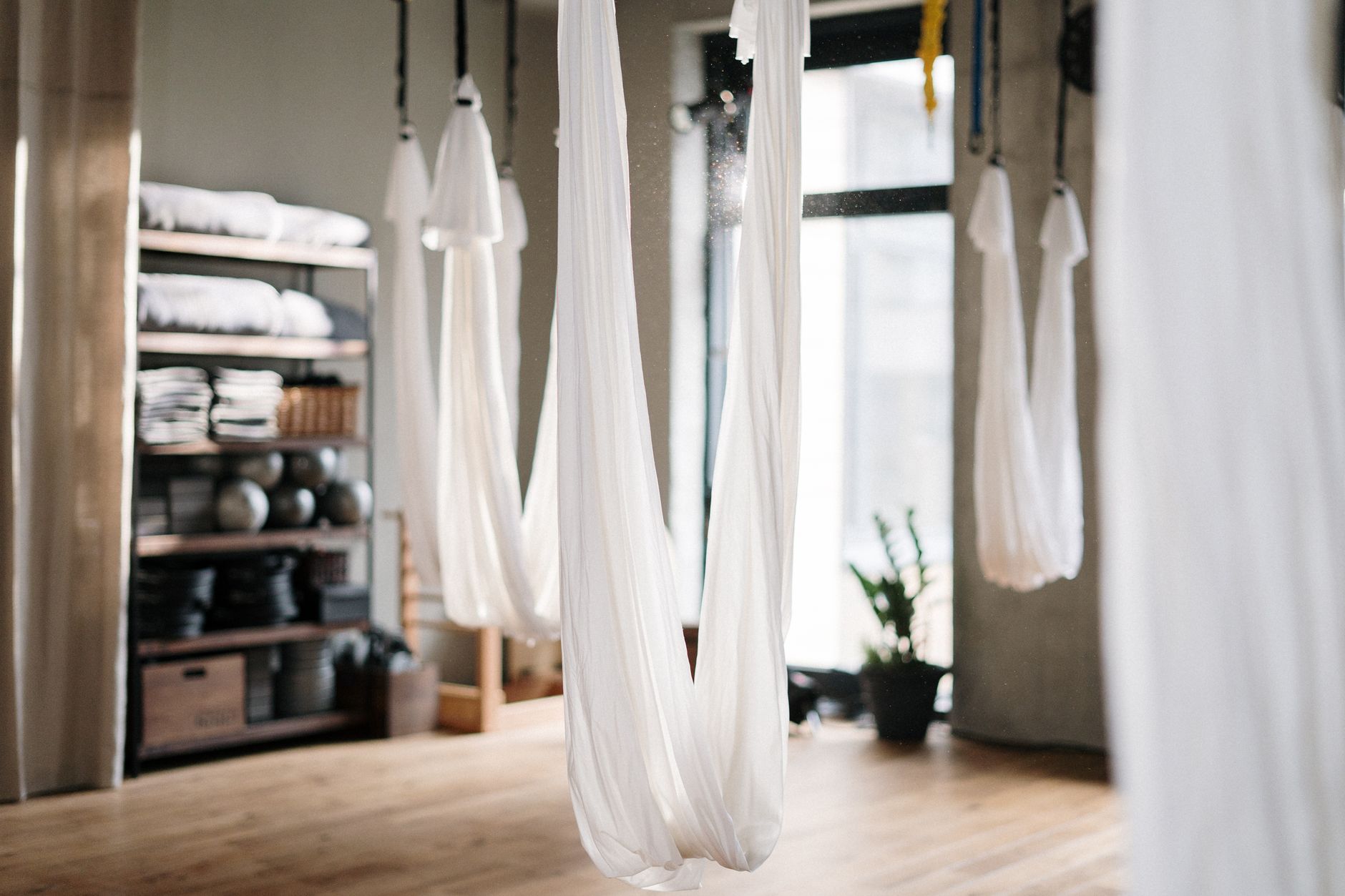
A compact floor robot can take the hard, open floors of a hot yoga studio: the entry lobby, the front desk corridor, hallways between rooms, and the locker room tile once benches and cubbies are clear. It cannot wipe mats, scrub mirrors, or lift sweat residue from glass. Those jobs stay with people.
Vendor guides agree on what helps autonomous scrubbers perform: wide hallways, predictable routes, open floors and consistent flooring. A locker room with rows of benches and tight cubby walls can be harder to route through than a lobby, so the layout check comes before any promise about coverage. Demand is growing too. According to IFR's 2026 service robot data, as reported by IEU Monitoring, professional service robot shipments rose 24% to almost 250,000 units in 2025, with cleaning robots ranked third. The figures give no 2025 unit count for cleaning robots alone.
Which surfaces still need a hand crew?
Most of the practice advice below comes from cleaning and yoga gear sources rather than independent tests. The pattern across them is consistent: anything that carries sweat needs a hand.
- Yoga mats need a wipe after every hot session, because sweat salts and skin oils stay on the surface. Microfiber mats need deeper cleaning more often than closed cell mats, and natural rubber and cork stay out of washing machines.
- Mirrors and glass need hand cleaning to remove sweat residue, and locker room surfaces need disinfectant scrubbing and deodorizing because moisture and foot traffic are constant.
- Drying needs a person to check. Sweat can leave mineral deposits that build up in hot rooms over time, so one floor care guide recommends cleaning after each class and fully drying the floor before mats go back down.
How do run windows fit between back to back classes?
Hot yoga timetables often leave little room between sessions. The cleanest window is after the last class of the day, when the room is empty and the floor can dry. In a busy gap, a robot can work the lobby, hallways and locker room while the studio stays closed to it.
Dry time belongs in the schedule. The robot's last run should finish early enough for the floor to dry before mats return. Docking decides whether a run needs a person. Autonomous docking lets a scrubber return to its dock, recharge, and resume its routes. Without docking, robotic scrubbers still need frequent operator interaction, according to a floor care vendor guide.
Runtime sets the length of a run, but it varies by model. Nilfisk lists its Liberty SC50 scrubber at six hours on one charge, according to its product page as checked for this article in November 2026. A different model will differ, so measure its runtime during the trial.
What should a short trial test before a lease?
A trial answers questions a spec sheet cannot. Run it through a full class day rather than one quiet morning, and check these points:
- Every floor type in the building, including threshold transitions and any drains.
- Route success through the locker room with benches in place and again with them moved.
- Docking location, distance to a power outlet, and whether the robot resumes its route after a dock return.
- Noise during class windows and whether staff can run it without pausing the front desk.
- Dry time after a run, and whether the floor is ready before mats return.
- Staff steps. Vendor guides say staff still set up, refill and check the machines.
Why check your floor types before anything else?
Floor type decides whether a robot is worth testing at all. Glossy tile, grout lines, sealed concrete and rubber underlayment each behave differently when wet, and a unit that runs cleanly on one may struggle on another. Walk every room and write down each surface before requesting a demo.
Service Robot Co. is OEM neutral. We pick the right robot across manufacturers for the floors we find, then lease, deploy, integrate, train and service it under RoboCare, our service plan, backed by regional service engineers in every state we service. One vendor for the whole lifecycle, not six.
How a three year robot lease gets its terms
Service Robot Co. leases robots through financing on a three year lease, with one fixed robot lease payment quoted after a site assessment. We do not give a figure before we see the floors, the class timetable, and where the drains and outlets sit. Those facts set the robot, the routes and the terms.
Before that visit, a studio can gather a floor map, the class timetable, a list of floor types, and notes on the busiest hours at the front desk. If a trial already ran, bring its log too. Each stop, failure and manual rescue tells us more than a clean run does.
Frequently asked questions
Want a robot working for you?
Tell us the job and the site. We will recommend the robot, quote the lease, and keep it serviced.
Sources
- IEU Monitoring: IFR 2026 service robot data
- Monster Janitorial: how autonomous docking and charging systems work
- Nilfisk Liberty SC50 product page
- Knox Labs: commercial floor cleaning robots buying guide
- Monster Janitorial: autonomous floor scrubber technology explained
- Yoga Design Lab: how to clean a hot yoga mat
- Zebra Athletics: how to properly clean yoga studio flooring
- BB Cleaning Service: locker room cleaning