Key takeaways
- Luggage robots only pay off when payload shape, elevator access, and chain of custody are designed together, not bolted on after purchase.
- Guest verification should use one-time codes and locked compartments so bags never ride in an open tray.
- Bell and front desk staff still own exceptions, VIP arrivals, and anything the robot cannot legally carry unattended.
- Hotel delivery robot rental pilots should measure lobby-to-room minutes and exception rate, not demo applause.
- A vendor-neutral integrator maps elevators, tipping policy, and night routes before you sign a multi-floor lease.
When can a robot move guest bags without creating new problems?
A hotel luggage delivery robot can work when the job is predictable: tagged bags from the bell desk or storage room to a guest floor, on carpet or hard flooring the machine already mapped, during hours you define in the fleet scheduler. It fails when you expect one unit to replace every bell cart run, including oversized groups, fragile artwork, and rush arrivals during a conference checkout.
The honest answer for most full-service and select-service properties is partial automation. Robots handle steady back-and-forth moves while humans greet, tag, and manage exceptions at the curb and the desk. According to BLS May 2023 occupational data, traveler accommodation employed about 17,700 baggage porters and bellhops nationwide at a mean wage of $16.90 per hour. That small cohort is stretched thin when occupancy spikes, which is why hotel delivery robot rental shows up in labor plans even though housekeeping shortages grab the headlines.
Service must stay visible. Guests still want eye contact at arrival. Automation should shorten the walk to the room, not remove the welcome.
What payload shape and weight limits matter for suitcases?
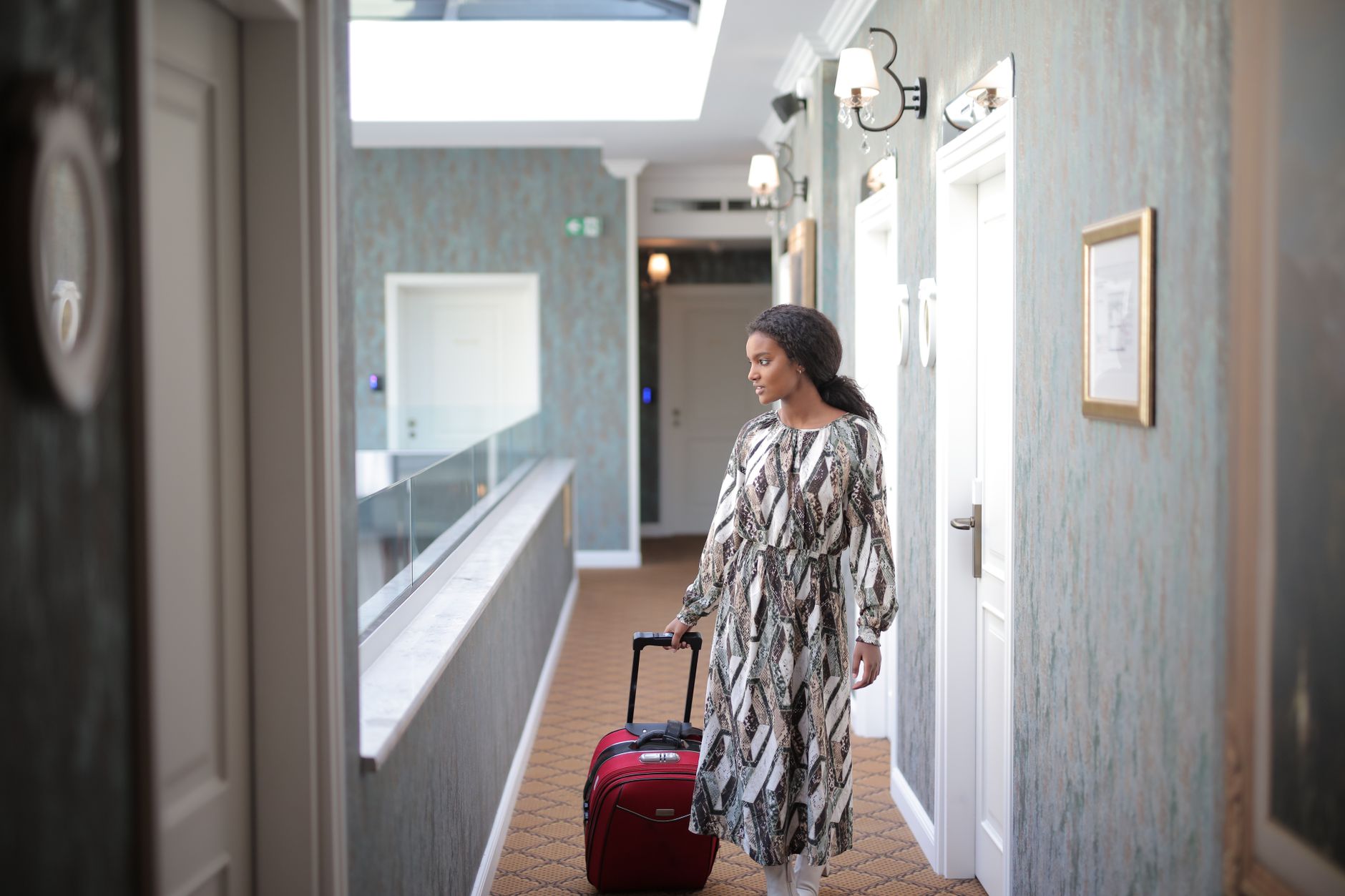
Luggage is awkward load. Soft duffels slump off flat trays. Hard-shell spinners need a low center of gravity and side retainers. Wheeled carts towed behind a tug-style unit behave differently from bags sitting in a locked cabin.
Rate the robot on usable payload, not brochure peak. Include the weight of a bell cart adapter if staff load bags the same way they load a manual cart. Test two-wheel carry-ons, oversized checked bags, and ski tubes if your property serves mountain markets.
Multi-compartment hotel robots often split amenity runs from baggage. Keep luggage lanes separate from food or linen unless your SOP allows sealed cabins and washdown between modes. Cross-contamination rules that make sense for room service trays also apply when a guest sees a robot that carried breakfast earlier in the day.
How should elevator access be planned?
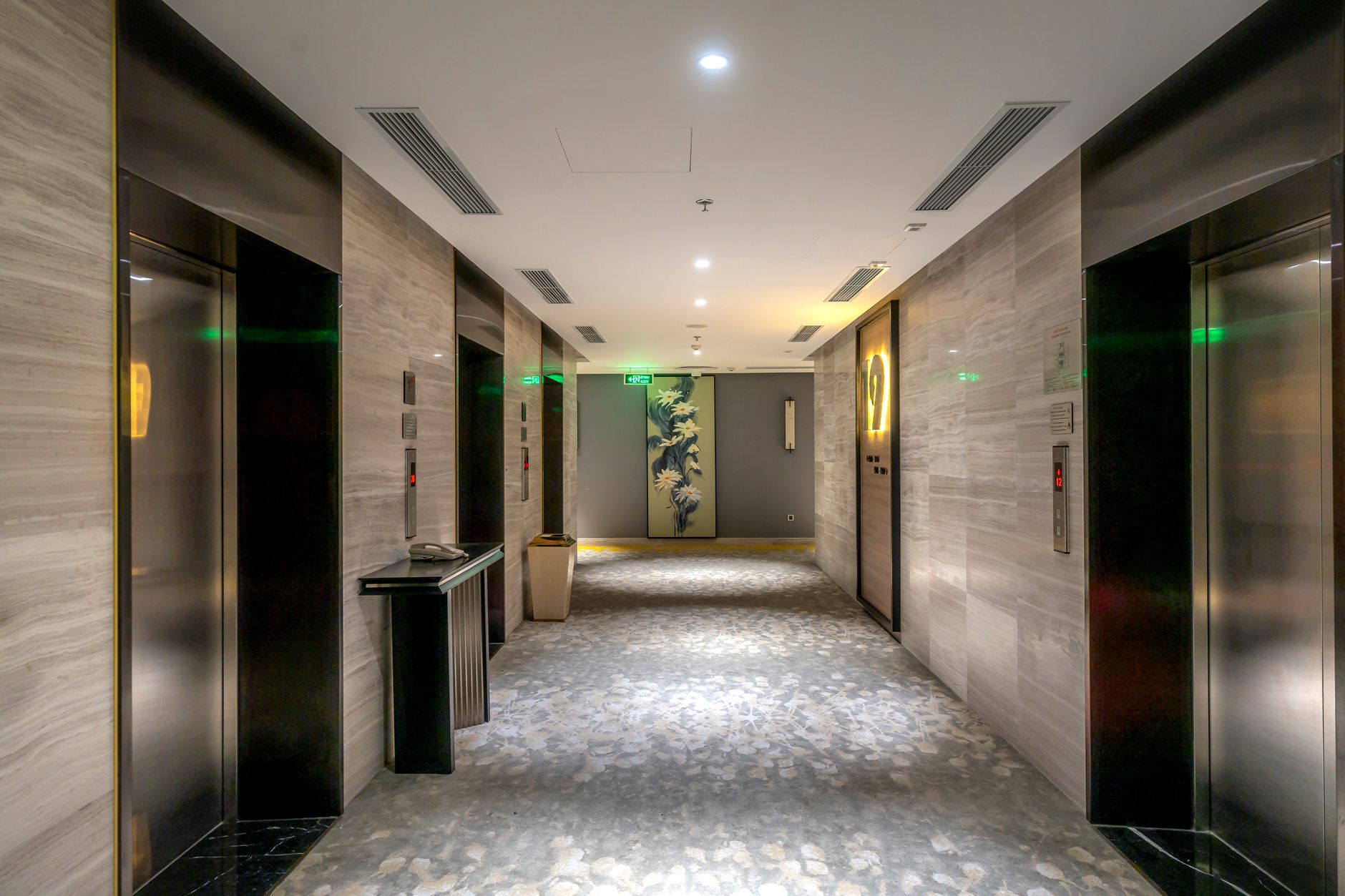
Multi-floor delivery robot paths live or die on elevator integration. Cloud dispatch to a passenger bank is common in new builds. Older properties may need relay hardware, freight elevators, or escorted commissioning before a robot rides alone.
Map fire service modes and overnight shutdowns in the scheduler so units do not trap between floors during inspection holds. Give guests priority in the UI your integrator configures. A robot that boards during a wedding party elevator rush creates complaints faster than a slow bell attendant.
Hotel rollaway and crib moves share the same vertical bottleneck. If you already run tray delivery on guest floors, sequence luggage missions so cabins are not competing for the same car at check-in hour.
How do you maintain chain of custody for bags?
Chain of custody starts when the bell desk scans or tags a bag and ends when the guest opens the compartment. Log each handoff with time, staff ID, robot ID, and floor. PMS integration is optional. A simple photo log at load and unload often satisfies security reviews.
Storage room to robot loading should happen in a camera-covered zone. Never stage open bags in a public corridor while the robot charges. Locked compartments beat open shelves for high-value items, though policy may still require human escort for jewelry or diplomatic pouches.
If a mission aborts mid-route, define who recovers the robot and how bags return to the desk without guest keys leaving the property. Run that drill before peak convention week, not during it.
What guest verification should look like?
Guests should receive a one-time PIN or QR tied to their stay dates, not a reusable hotel-wide code. Compartments unlock individually so the neighbor on the same floor cannot retrieve the wrong bag.
Notification can ride SMS or your guest app without printing bag tags that expose room numbers in the lobby. Train front desk staff to explain the handoff in one sentence so guests are not surprised by a robot at the door.
ADA and language access still matter. Offer a human bell option in the same breath as the robot option. Verification failure should default to staff retrieval, not a guest chasing a unit in the hallway.
Does automation change tipping and service expectations?
Tipping culture collides with robots quickly. If bags move autonomously, publish whether the bell charge or customary tip still applies and what guests receive for paying it. Mixed messages at checkout create more friction than the robot saves.
Some properties keep tipping on human-assisted runs only and treat robot delivery as a listed amenity. Others bundle a technology fee. Legal and union agreements may dictate the answer. HR should sign off before marketing promotes robotic luggage.
Staff should not lose income quietly. Redirect saved walk time to curated arrivals, group logistics, or concierge tasks guests actually rate.
How should staff handle exceptions?
Exceptions are normal. Oversized groups, mobility devices, late checkout storage, and security holds all stay human. Build a pause button in the dispatch UI and a radio code for stuck robots in elevator lobbies.
According to AHLA survey coverage in 2026, more than half of hotel owners still report being somewhat or severely understaffed even as many raise wages. Robots do not remove the need for a bell captain who can clear a jammed compartment or re-route when a VIP motorcade owns the freight elevator.
Train night audit and security on the same exception tree as the bell desk. A robot waiting at a floor with an alarmed door is a security event, not a housekeeping ticket.
What does a sensible pilot include?
Run four to six weeks on one building wing or a single tower. Measure median lobby-to-room minutes against your manual baseline, count exceptions per hundred trips, and log guest comments separately from staff comments.
Start on hotel delivery robot rental or month to month robot lease terms so maps can change after the first furniture refresh. Include elevator vendor time in the budget, not as a surprise change order week two.
Service Robot Co. can align finance, elevator interfaces, and a nationwide service plan so one partner one number covers the pilot and the scale-up. Convert to a longer lease only when chain of custody logs and guest verification feel boringly routine.