Key takeaways
- A compact meal delivery robot cannot safely carry a folded rollaway or crib; a tug AMR with a low cart handles the width and weight.
- BLS reports accommodation workers had 2.3 injury or illness cases with days away, restriction, or transfer per 100 full-time workers in 2024.
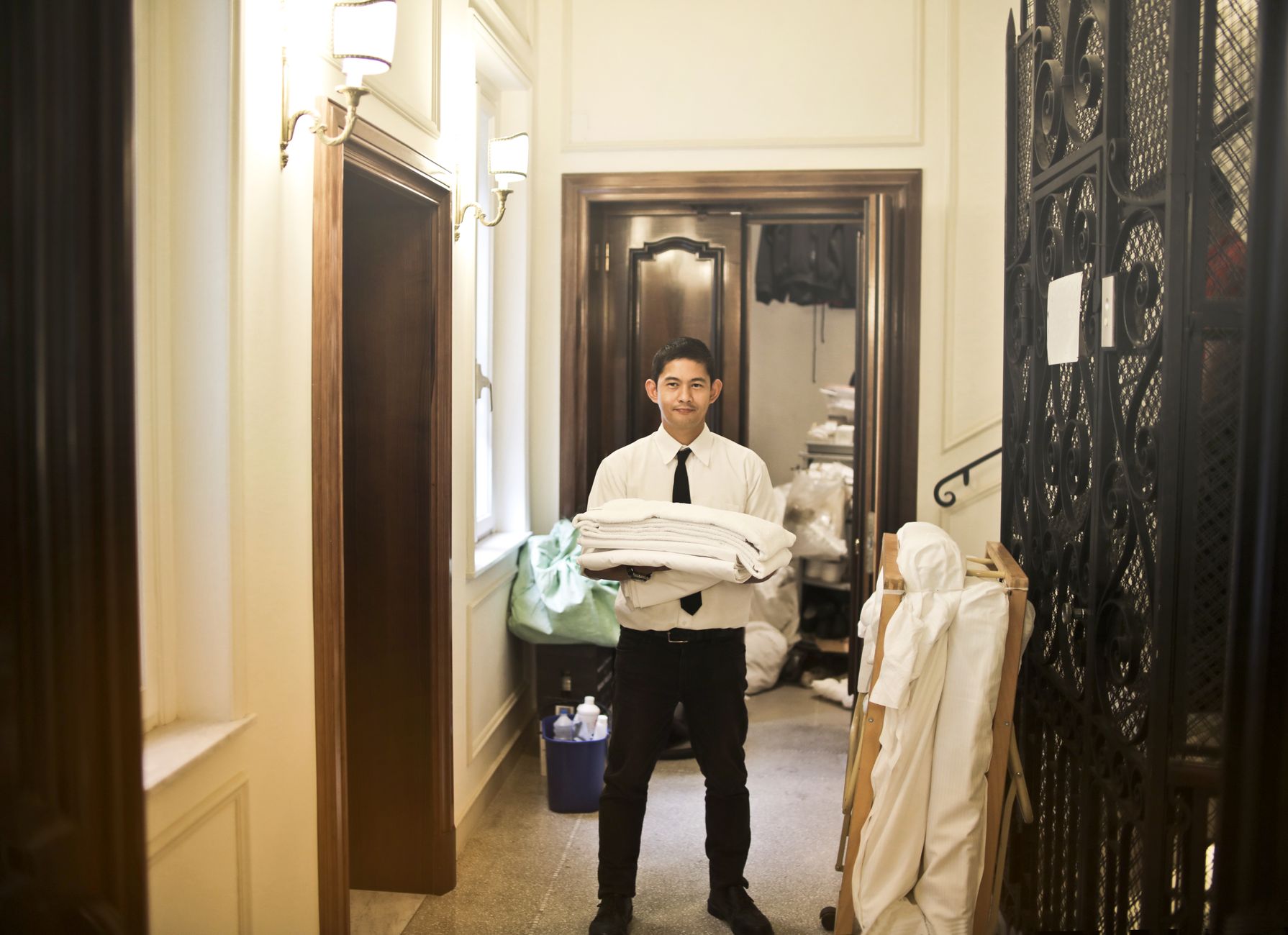
- Housekeeping should stage bulky items at the elevator landing while the AMR handles the long hall haul from the linen cage.
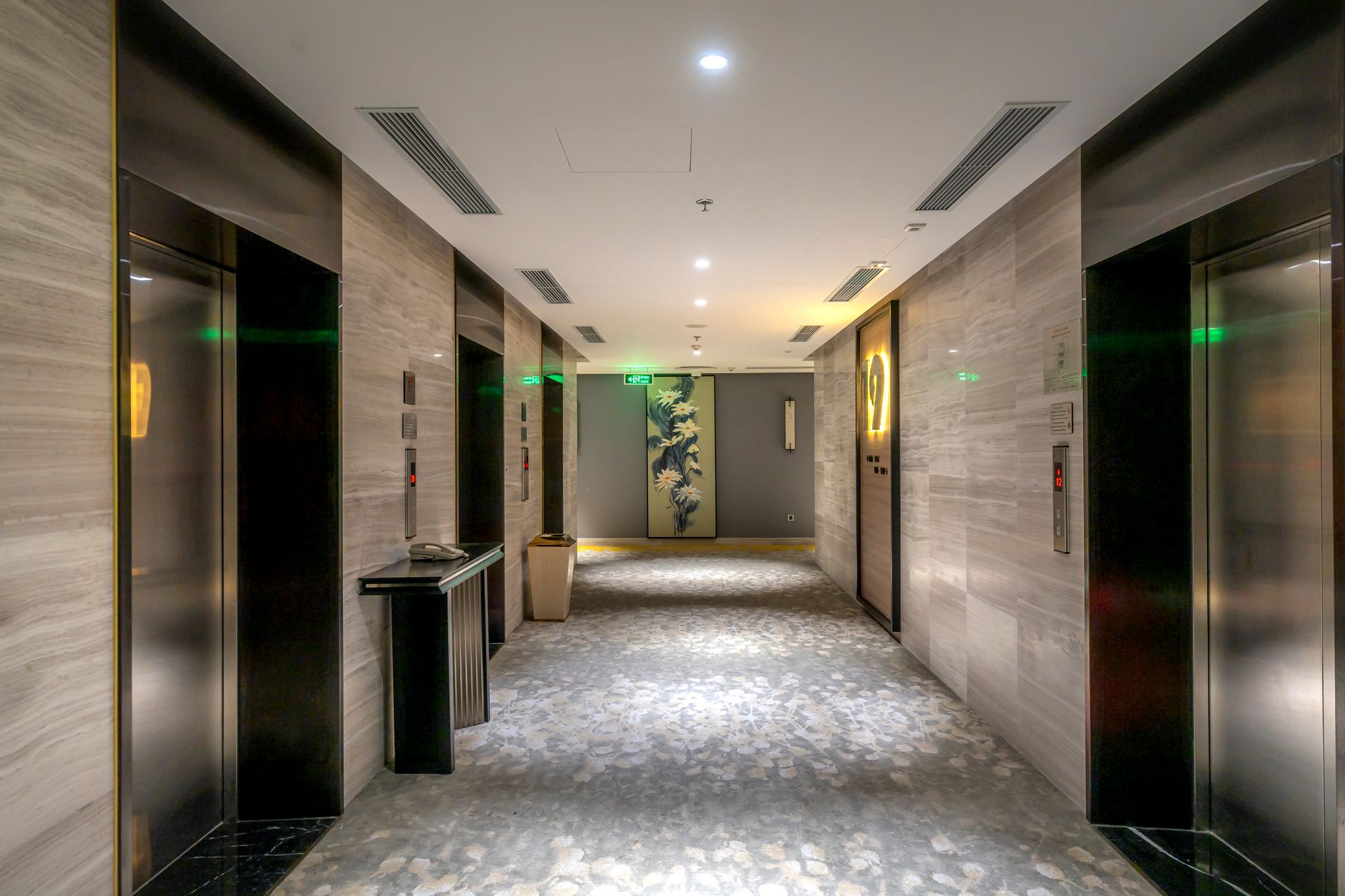
- Elevator integration means empty-car entry, extended door dwell, and a human escort when guest traffic is heavy.
- Vendor-neutral amr rental pilots let you prove one tower route before you lease carts for every property in a flag.
Should hotels automate rollaway bed and crib delivery?
Yes, for the long horizontal leg from storage to the guest floor, not for the final placement in the room. A tugging autonomous mobile robot can pull a dedicated cart with a folded rollaway or a stored crib from the housekeeping cage to a service elevator landing while attendants stay on the floor handling turndowns. That split cuts repeated lifts and hallway miles during peak check-in windows.
A small compartment delivery robot built for sealed meal totes is the wrong form factor. Rollaways are wide, rigid, and top-heavy when upright. Cribs ship with fixed rails and bulky mattress pads. You need rated payload, a low deck, and tie-down points, not a lid and a 12-inch cube.
Automation earns its keep when the property runs a high mix of family stays, conference overflow, and ADA-adjacent requests that spike rollaway demand on the same night housekeeping is short staffed.
What payload geometry do rollaways and cribs demand?
Measure folded rollaway length, width, and height with the mattress strapped the way your team actually stores it. Add the cart frame, bumpers, and strap hardware to get usable payload, not just the bed spec sheet.
Cribs need side rail clearance so the AMR never brushes door frames or fire hose cabinets. Store mattresses flat on the cart deck or in a side pocket so the center of gravity stays low. A top-heavy crib stacked on a tall cage will sway in a 90-degree corridor turn.
Keep one cart design per item class. Mixing rollaways and cribs on the same hitch without a modular cradle invites rushed loading at the cage door.
- Mark maximum folded width on the cart in inches your team can see without bending.
- Use perimeter bumpers at ankle height for guest corridors.
- Require two-point tie-down before the tug releases from the dock.
Why does a tug AMR beat a small delivery robot here?
Tug form factors pull weight through the drive wheels instead of carrying it on a narrow chassis. That matters on carpet transitions, ramped entries, and the slight crown in older guest wings.
Delivery robots shine on repeatable tote runs with enclosed payloads. Bulky guest equipment needs open decks, visual inspection by housekeeping, and quick wipe-down between uses. A tug with a removable cart lets staff sanitize contact surfaces without wheeling the entire AMR into a wash sink area.
Fleet software still matters. You want the same dispatch console you would use for linen cages or engineering parts, with job types that read rollaway fetch and crib fetch instead of forcing those moves into a meal tray template.
How should housekeeping workflows change?
Treat the AMR as a horizontal courier, not a room attendant. A room attendant meets the cart at the floor landing, inspects linens and frame condition, and walks the item through the last 50 feet with guest-facing etiquette.
Stock the cage like a mini warehouse. Folded rollaways face the same direction, crib hardware lives in labeled bins, and dirty frames never share a cart with clean setups. Scan or tap to release a job so the system logs which attendant accepted custody.
Peak check-in is not the time to train on a new hitch. Run daylight drills on a quiet tower with engineering as shadow support before you expose guests to a learning curve outside the service elevator.
What makes a safe handoff at the elevator and the room door?
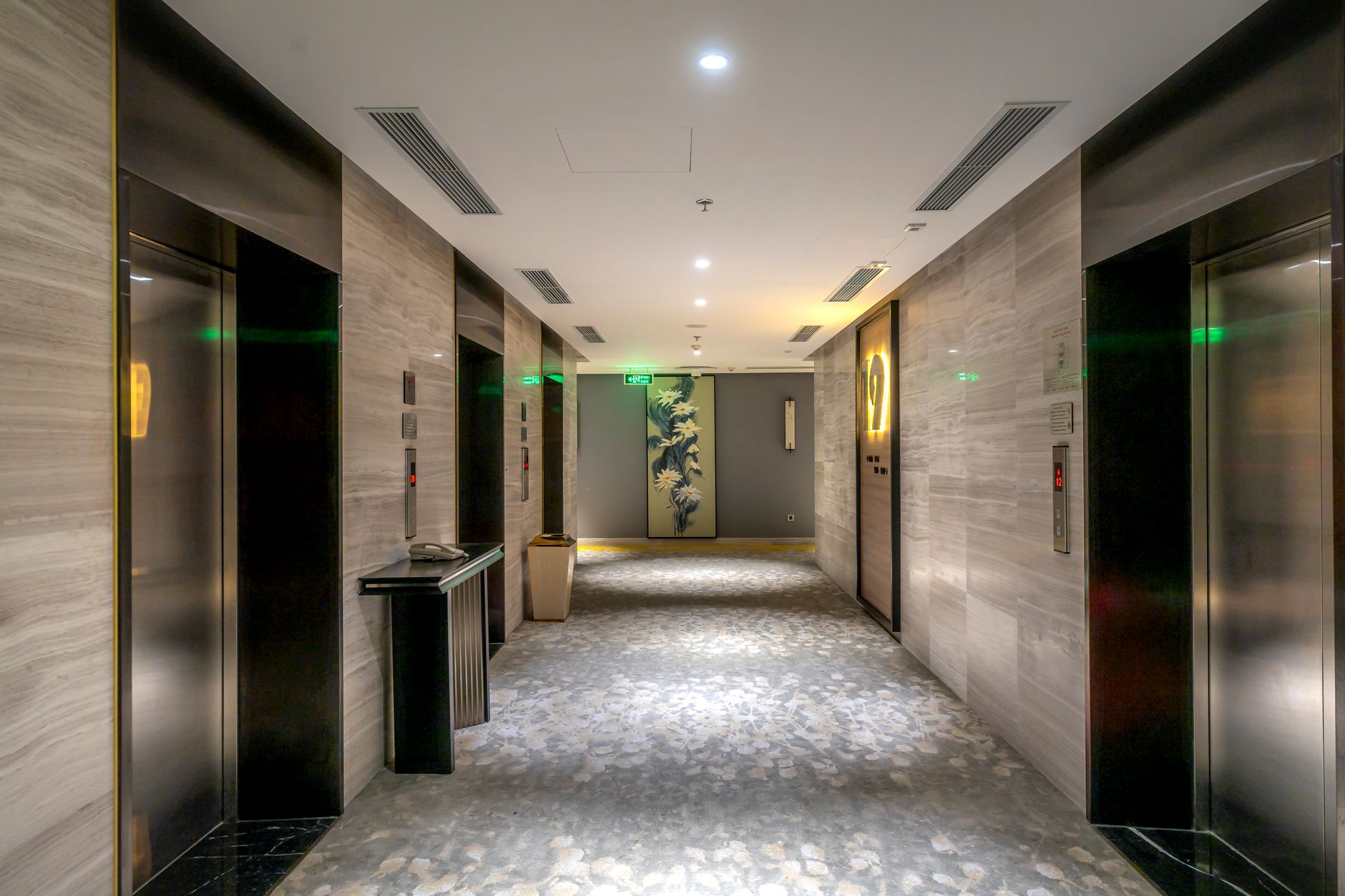
Define a painted or taped staging mat at the elevator landing where the tug stops every time. Attendants pull the cart off the hitch before the robot repositions for the return trip. Never let guests step between a moving tug and a protruding rollaway frame.
At the room door, the attendant leads and the cart follows. The robot stays at the landing unless your property has a written exception for empty back corridors with camera coverage.
If a guest asks for help, staff answer. The robot does not explain policies or adjust pillows. That boundary keeps hospitality tone intact while still removing the longest walk from the task.
How do elevators fit into bulky item routes?

Passenger elevators during rush hour stay human priority. Schedule AMR jobs between banks or use service cars where building codes and union agreements allow freight access.
Integrations should call an empty car, extend door dwell, and hold the cab until the cart is fully inside with bumpers clear of the door track. Crib rails snag easily on brushed stainless jambs.
When elevator APIs are not available, phase one stops at the landing while attendants ride with the cart. You still capture most walk reduction without betting on controller upgrades on day one.
What injury and labor context makes the case stronger?
Accommodation is physically demanding work. The Bureau of Labor Statistics reports that for NAICS 721 accommodation in 2024, the rate of cases with days away from work, job restriction, or transfer was 2.3 per 100 full-time workers, with 1.2 cases involving days away from work.
Researchers studying hotel room cleaners note that maids and housekeeping cleaners rank among high musculoskeletal disorder risk occupations nationally, and that public injury tables rarely cross occupation with hotel industry the way operators need for task-level prevention. Moving rollaways and cribs is exactly the kind of manual material handling those studies describe as repetitive strain when staffing is thin.
Robots do not erase injury risk. They remove predictable long pushes if, and only if, attendants still use proper lift technique at the handoff and carts stay maintained.
How should a hotel pilot an AMR rental program?
Pick one tower, one cage, and one cart design. Run four weeks measuring time from guest request to bed in room, near-miss reports at corners, and guest complaints on noise or blocking.
Service Robot Co. runs vendor-neutral autonomous mobile robot rental with maintenance included, mapping support, and nationwide service dispatch so you can match hitch height to your existing rollaway fleet before you sign a multi-property lease.
Promote wider only after staging discipline holds: every job closes in software, every cart wipe gets logged, and night shift supervisors can explain the route in one minute without mentioning a manufacturer name.