Key takeaways
- Packaging AMRs work best on pull signals from cells, not fixed push schedules that ignore changeovers.
- Separate missions for full consumables and empty cores keep contamination and mix-ups off the floor.
- Buffer sizing at the cell and at the stockroom sets how often robots run without starving lines.
- Vendor-neutral integrators tie e-kanban, WMS, and fleet rules into one serviceable program.
Should packaging cells get consumables from AMRs?
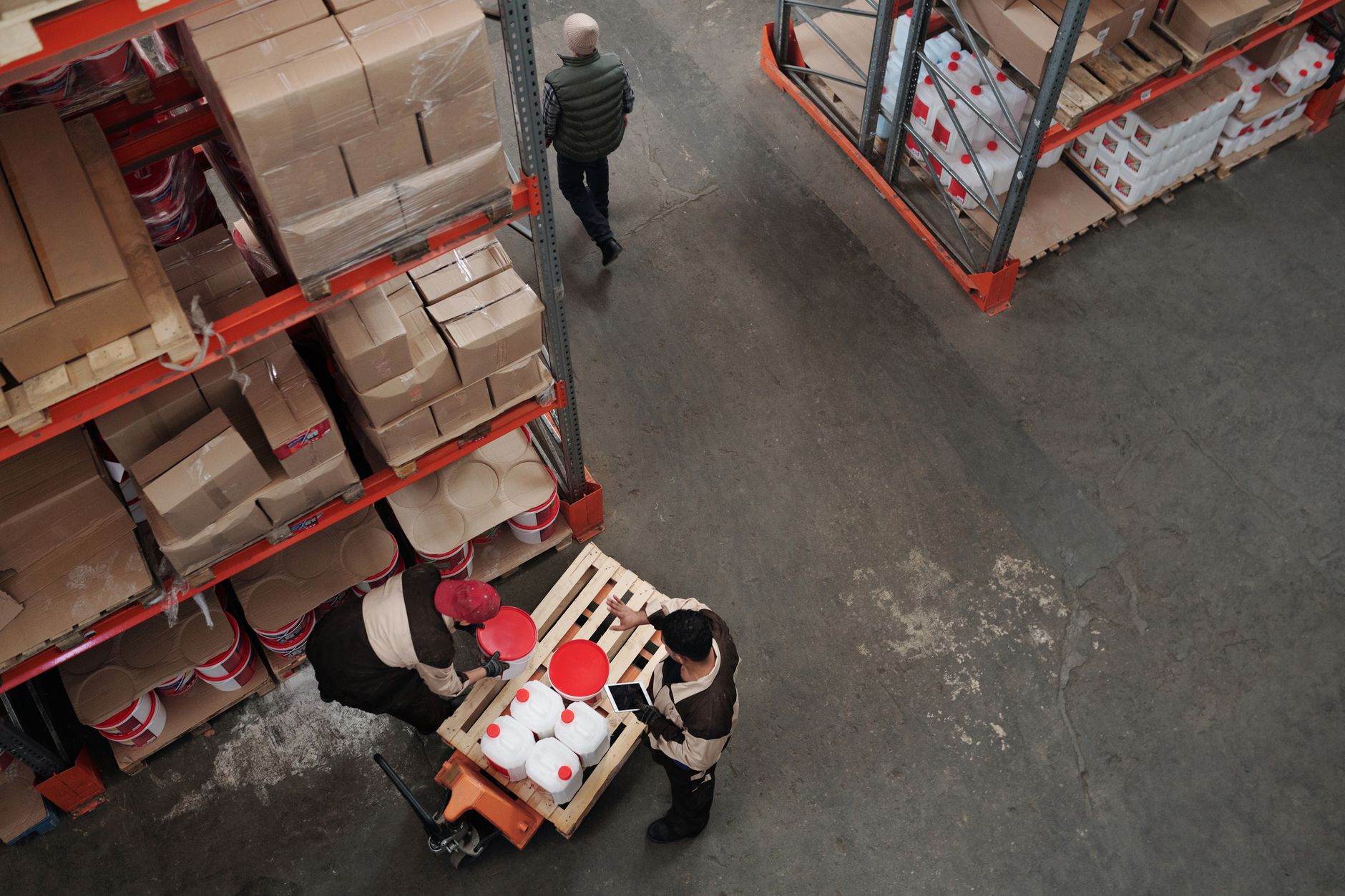
Yes, when labels, film, tape, cartons, and pallets move on repeat routes and operators lose time walking to the stockroom. Autonomous mobile robots fit a pull model: the cell asks for material, the robot delivers, and people stay on the line.
Push systems that refill on a clock ignore changeovers and SKU jumps. Pull keeps buffers right-sized and makes stockouts visible before the line stops.
According to BLS May 2023 national estimates, about 371,600 packaging and filling machine operators work in the United States at a mean wage near $19.81 per hour. Every minute they spend hunting cartons is minute not spent clearing jams or checking weights.
What does pull-based replenishment look like on the floor?
Each packaging cell declares minimum and target levels for each consumable class. When scan weight, piece count, or a manual button crosses the minimum, the system creates a replenishment mission.
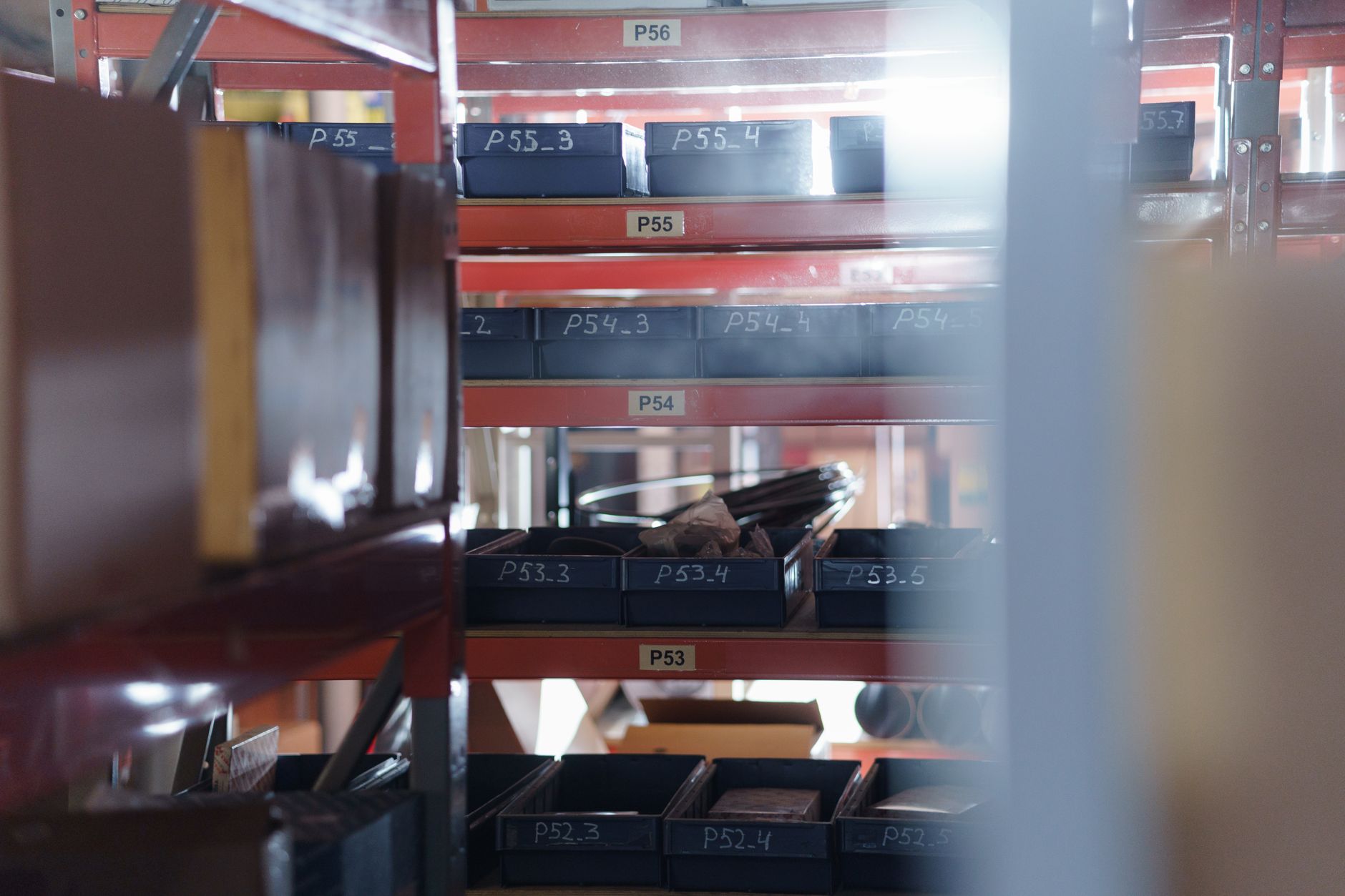
The AMR picks from a forward buffer in the stockroom, not deep reserve, unless integration confirms reserve quantity. That keeps travel short and makes cycle time predictable.
Priority rules rank missions: line-down risk beats top-off requests. A red signal from one cell can preempt a yellow top-off two aisles away.
Changeover windows deserve their own pull profile. When a line switches SKU, preload the next label and carton family before the operator confirms the change so the robot arrives as the first case runs.
How do e-kanban signals reach the fleet?
E-kanban replaces physical cards with digital requests tied to SKU, cell ID, and quantity. Buttons at the cell, barcode scans on empty bins, or MES events can all raise the same ticket.
Integration should be idempotent. A stuck sensor must not spawn ten duplicate missions. Acknowledge and close loops when the robot scans delivery at the cell cradle.
Audit logs matter for QA. When a lot trace question hits, you need timestamps from request to scan at load and unload.
Test signal loss early. If Wi-Fi drops between stockroom and line, missions should queue safely and resume without duplicate picks.
Which consumables belong on AMR routes first?
Start with high-volume, standardized items: label rolls, shrink film, case flats, and empty pallets. They have stable dimensions and clear storage lanes.
Odd-shaped dunnage or one-off marketing inserts often stay manual until the core loop is stable. Do not let edge SKUs define the first map.
Hazardous or temperature-controlled materials need their own rules. Most plants keep those on licensed manual moves until engineering signs off on containment.
Film and tape rolls need upright cradles with end stops. A roll that shifts mid-turn can snag aisle corners and block forklift traffic behind the robot.
How big should buffers be at the cell and stockroom?
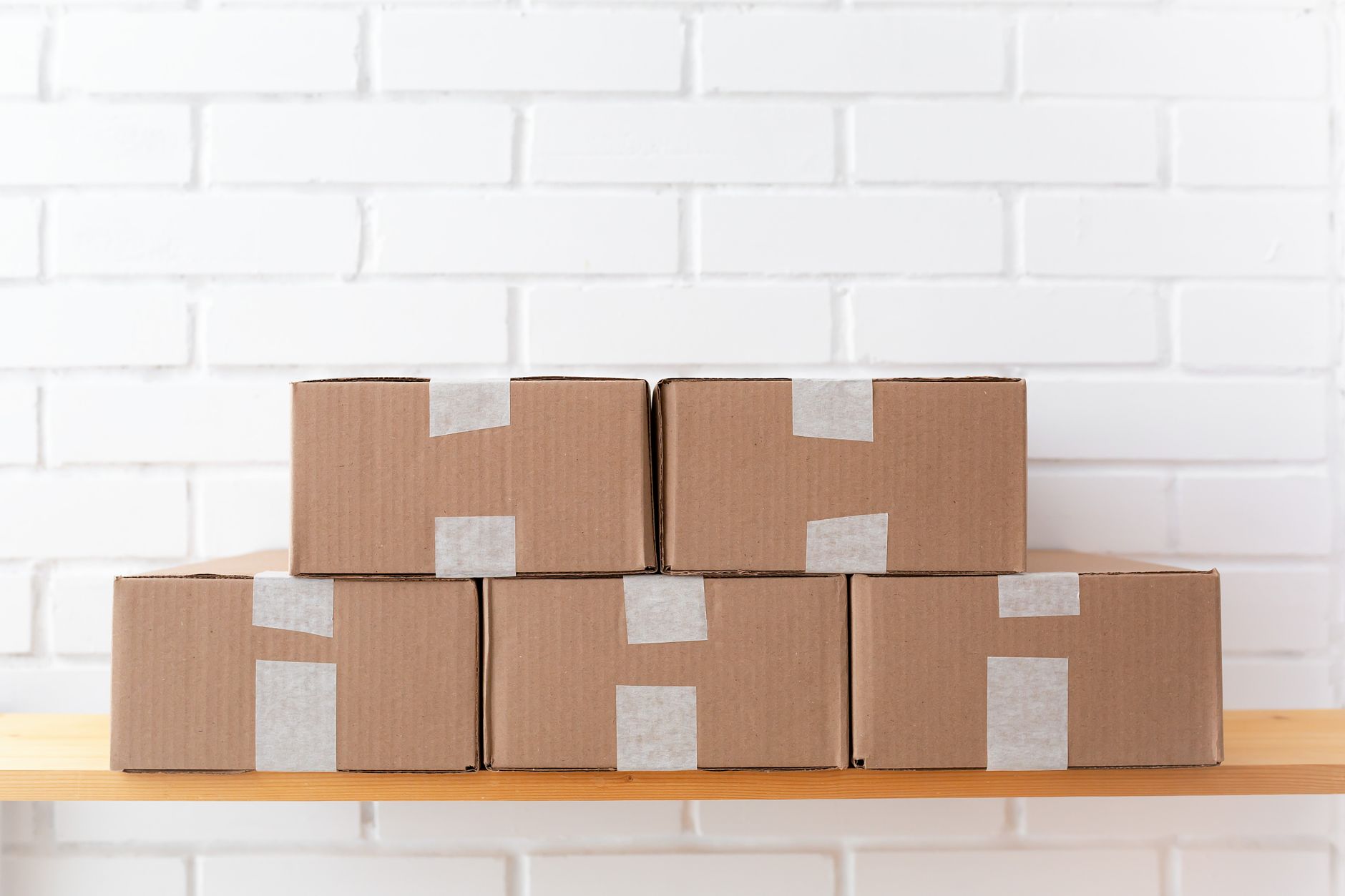
Cell-side buffer holds one to two hours of run at normal speed, sized from actual consumption logs, not guesswork. Too small and robots chatter all shift. Too large and floor space disappears.
Stockroom forward buffer feeds multiple cells. Size it for the longest robot round trip plus safety stock for supplier delay on one SKU.
Recalculate after every major SKU change or speed-up. Buffer math that worked on 12-ounce bottles fails when the line switches to variety packs.
Seasonal promos need a temporary buffer bump in software, not pallets stacked in aisles as a manual workaround.
What stops stockouts when demand spikes?
Visible queue depth at the cell tells operators when a stockout is minutes away, not hours. Dashboards should show open missions, not only robot location dots.
Define escalation when two cells compete for the last roll of film. Supervisors need a one-click override that does not break audit trails.
Night shift needs the same rules. A quiet floor is not permission to drain forward buffer without updating day shift.
How should empty material removal work?
Empty cores, spent label rolls, and flattened cartons need return routes as deliberate as inbound delivery. Mixing dirty empties with fresh stock on one mission is a common failure.
Use separate cradles or a dedicated return robot if volume is high. Scan empties at pickup so recycling credits and waste tickets stay accurate.
Drop empties at a compaction or staging zone outside the clean packaging aisle. Wash or wipe cradles on a schedule if adhesive residue builds up.
How should a first pilot be scoped?
Pick one line and two consumable families. Run parallel manual and robot deliveries until scan counts match for two weeks.
Measure stockouts and override clicks, not only robot travel time. Those predict whether scale-up survives a promo week.
Service Robot Co. acts as a vendor-neutral integrator: select AMRs rated for your aisles, finance through lease or rental, integrate e-kanban and inventory signals, and support the fleet through a nationwide network of regional service engineers. One partner keeps pull rules and maintenance aligned when you add a second cell.
What should planners review after ninety days?
Compare stockout minutes and operator walks against the manual baseline. Robotics should reduce walks, not hide replenishment work on packaging staff.
Review priority overrides each month. Chronic overrides mean rules or buffers are wrong, not that staff are ignoring the system.
Revisit route maps after layout changes. A new pallet wrapper or case erector can block an aisle that was clear on go-live day.