Key takeaways
- Autonomous mobile robots can shuttle sealed voting units and supply kits inside a county warehouse, but humans still own chain of custody signatures and tamper checks.
- The U.S. Election Assistance Commission expects locked storage, access logs, and two-person integrity on sensitive transfers, which AMR programs must document, not bypass.
- CISA treats election infrastructure as a mix of public offices and non-public storage sites that need video monitoring and controlled access year-round.
- Seasonal spikes make month to month robot lease or short AMR rental windows more realistic than buying a fleet that idles ten months a year.
- A vendor-neutral integrator can map secure zones, train bipartisan teams, and service AMRs through a nationwide engineer network between election cycles.
Can AMRs help county election warehouses during staging season?
Yes, but only where the job is predictable indoor transport, not custody decisions. County election departments store voting machines, ballot scanners, privacy booths, poll worker kits, and sealed supply totes in warehouses that suddenly wake up weeks before a primary or general election. Autonomous mobile robots can move palletized or cart-based loads along fixed aisles while staff focus on inventory checks, seal verification, and paperwork.
The U.S. Election Assistance Commission stresses that voting devices stay in locked facilities with restricted access, complete inventories, and chain-of-custody records whenever equipment changes hands. An AMR does not replace those rules. It executes the physical move after officials log the transfer. According to the EAC's 2024 Election Administration and Voting Survey data brief, the United States includes 6,461 local election jurisdictions, and most still run logistics with small teams and tight calendars.
Cybersecurity and Infrastructure Security Agency guidance in 2024 describes election infrastructure as permanent election offices plus non-public storage facilities and temporary pre- and post-election sites. That mix is exactly where indoor AMRs can reduce repetitive cart pushing without touching tabulation software or voter data paths.
What actually moves inside a county election warehouse?
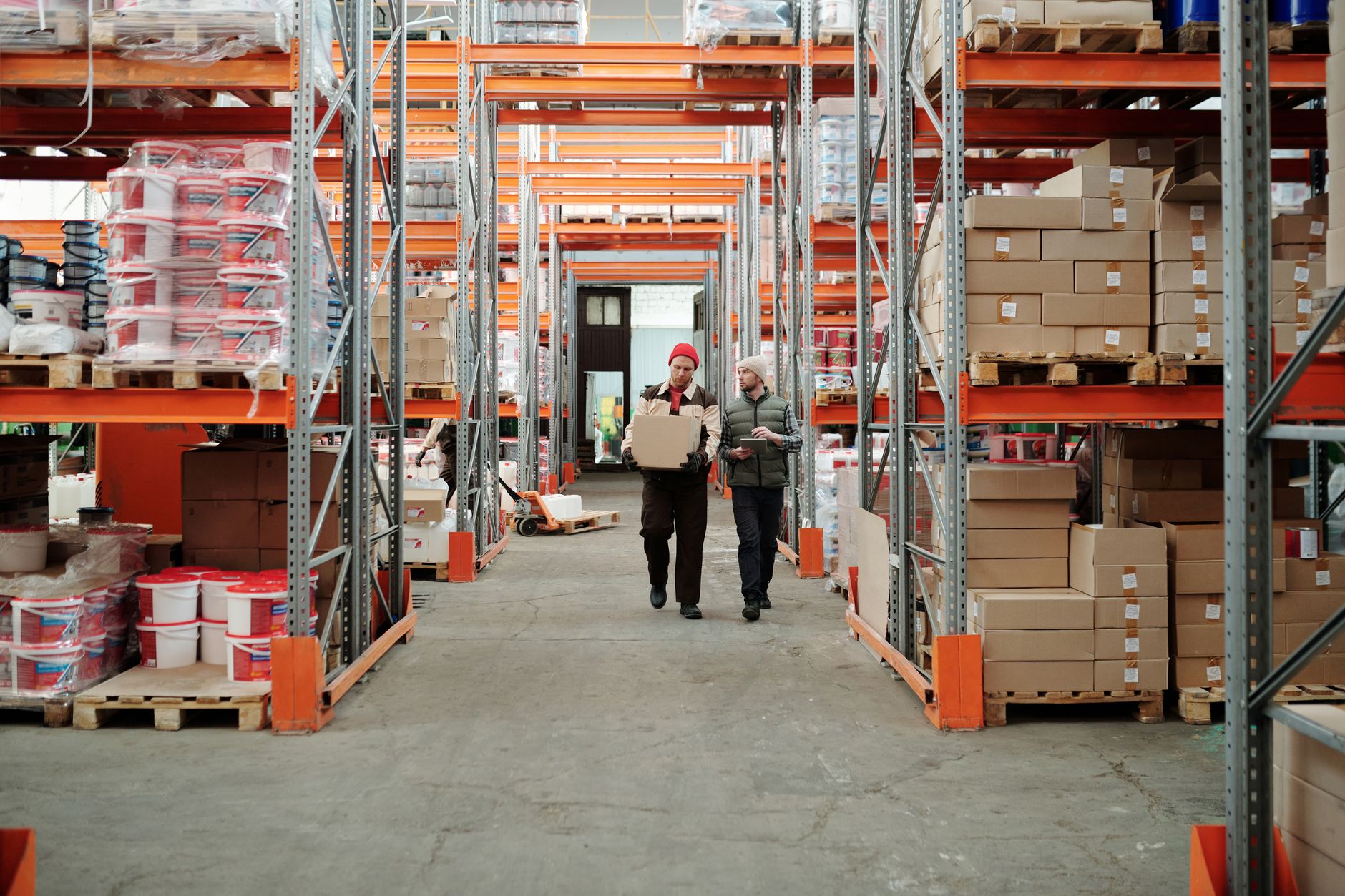
Think in kits, not single gadgets. Jurisdictions stage ballot-marking devices, scanners, accessibility interfaces, privacy screens, signage, extension cords, and sealed consumables. Some counties palletize by precinct. Others build rolling cages labeled for early vote sites, vote centers, or neighborhood polling places.
Moves cluster into three rhythms: inbound receipt after vendor maintenance, outbound dispatch to staging lanes, and returns after an election when everything must be cleaned, counted, and re-shelved. EAC physical security guidance calls for checkout records, usage history, and condition notes any time equipment leaves storage.
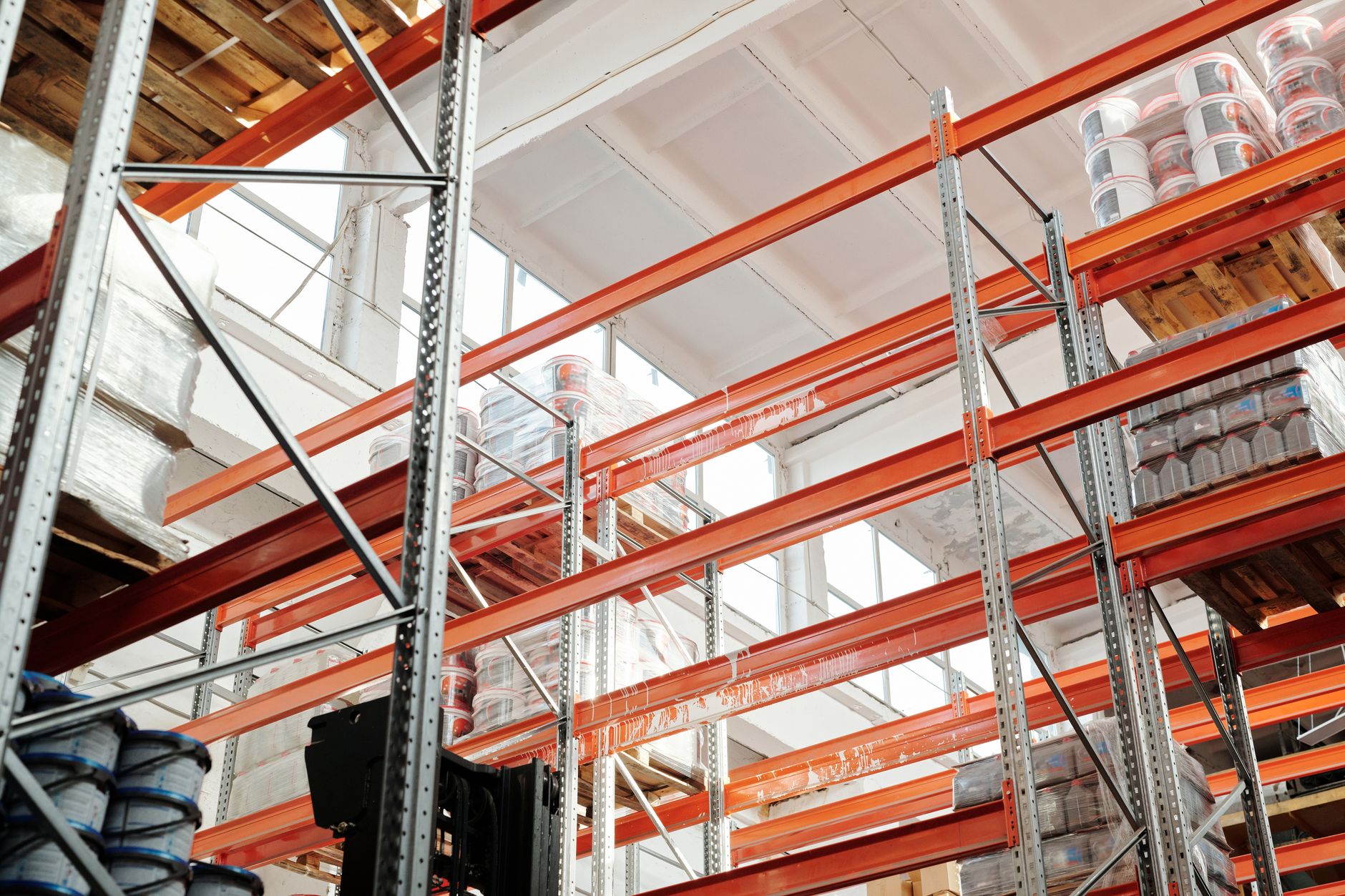
Heavy lifts still belong to material handling staff or contracted movers where state law requires bonded carriers on public roads. AMRs fit the last hundred feet inside the warehouse: from secure cage to packing bench, from QA table back to the locked cage, or from bulk storage to the loading dock marshaling area.
How does chain of custody work when a robot carries the load?
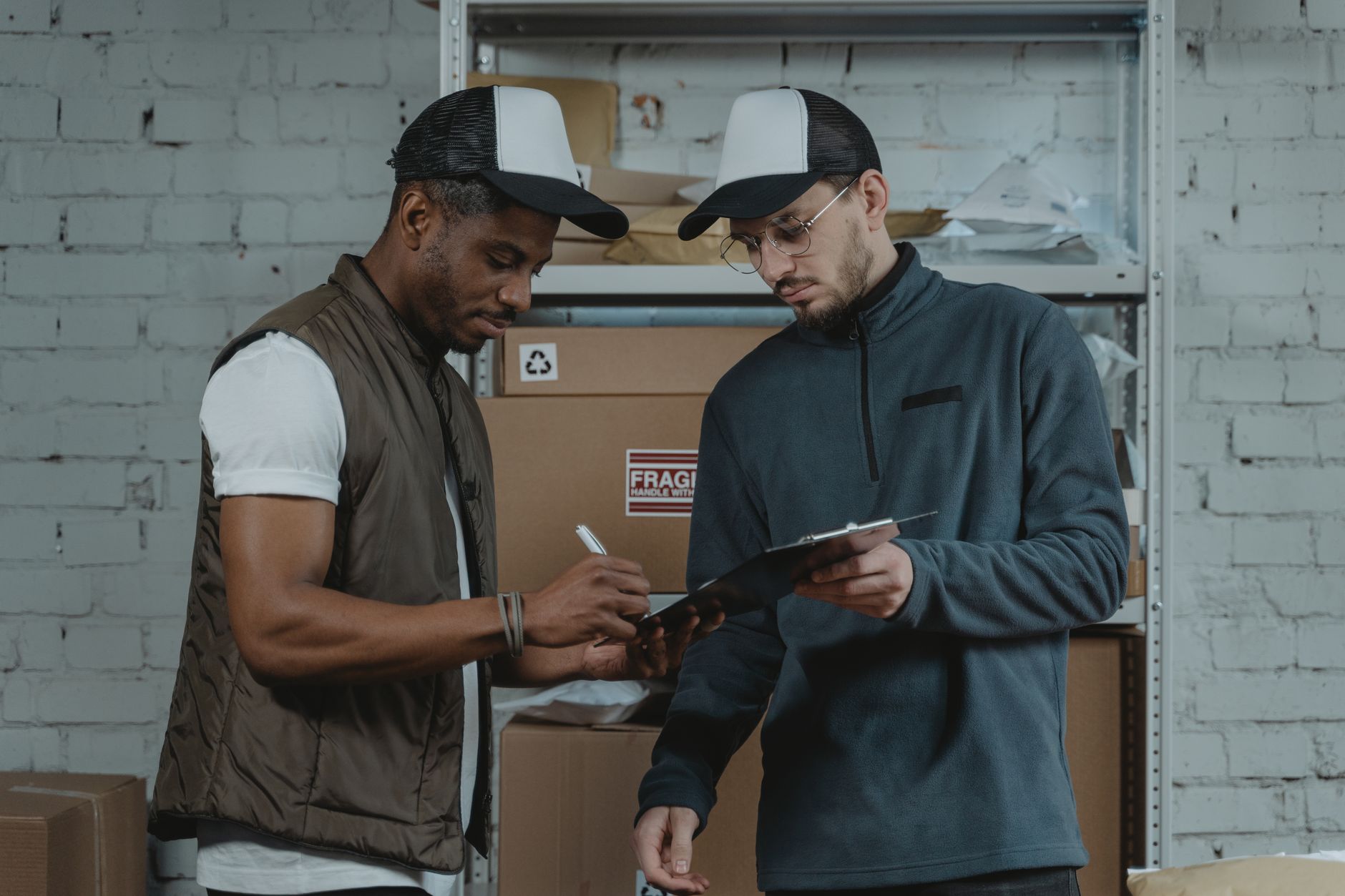
Chain of custody stays human-led. EAC best practices call for written procedures, signatures when custody changes, and at least two witnesses on transfers of sensitive items. The robot is transport equipment, similar to a cart, not a signer.
A practical pattern looks like this: two officials verify serial numbers and seals, scan barcodes into the inventory system, release the AMR on a named route inside a geofenced zone, and meet the unit at the destination to re-verify seals before signing receipt. The AMR log adds time stamps and route proof, but it supplements the form, it does not replace it.
Tamper-evident seals remain on the totes. EAC election management guidelines also warn that non-government personnel should not have unattended access to stored voting equipment. Vendor technicians stay escorted even if an AMR moves the crate afterward.
What secure zones should you map before the first AMR run?
Draw zones before you draw routes. CISA's 2024 physical security checklist for election offices recommends video monitoring at entry points and storage areas for ballots and election equipment, plus fire protection in rooms that hold those assets.
Translate that into AMR rules: no-go buffers around sealed media cages, one-way doors into testing rooms, and speed limits near ballot supply shelves. If your state requires a temperature-controlled storage facility, keep AMR charging docks outside the conditioned room unless facilities approves heat load.
New Mexico's administrative code for voting system storage illustrates how specific states get: sign-in sheets at the facility, escorted access for visitors, and locked areas for removable media. Your county counsel may have parallel rules. Map them into the robot geofence, not into a generic warehouse demo.

Why is seasonal utilization the economic hurdle?
Election logistics is feast or famine. A warehouse might run two intense staging windows per year, then months of quiet inventory work. Buying a large AMR fleet that sits idle violates every sensible capital plan.
Month to month robot lease or a short autonomous mobile robot rental during staging lets you match costs to the surge. Pair the lease with a written demobilization plan so units return when the last precinct kit ships. Robot as a service monthly structures also let you fold engineering into operating budgets when capital is frozen.
Labor math still matters between peaks. When crews are not staging machines, they maintain seals, update asset tags, and train poll workers. AMRs should not idle in aisles during those weeks unless they take on another approved internal route, such as moving furniture for vote-center build-outs.
Which moves fit AMRs, and which should stay manual?
AMRs excel on repetitive, same-width aisles with predictable payloads: sealed totes on carts, privacy booth panels on custom dollies, or precinct cages between QA tables and marshaling lanes. They struggle when every precinct kit is a different shape or when staff must open cases mid-route for spot checks.
Forklifts and pallet jacks still own bulk pallet moves. AMRs complement them by eliminating dozens of short back-and-forth trips that wear out knees during a ten-day staging crunch. If your warehouse shares space with other county departments, schedule AMR runs at night when human traffic drops.
Keep cybersecurity boundaries clean. CISA and state partners stress that certified voting systems stay off public networks. AMR fleet software should live on the facility VLAN you already use for warehouse scanners, not on election results systems.
How do you handle long idle intervals between elections?
Plan storage, firmware, and batteries with the same discipline you apply to voting devices. Pull batteries to conditioned storage if the integrator recommends it. Export route maps and custody SOPs to the election knowledge base so a new clerk inherits instructions.
Run a quarterly health check even when no election looms: drive each AMR one loop, verify sensors, and confirm spare tires or casters are on hand. Service Robot Co. treats that idle window like any other customer site, with remote triage and a nationwide network of regional service engineers when a unit needs hands-on repair.
Document who can restart the program when the next cycle starts. Bipartisan boards mean turnover. A vendor-neutral integrator that already knows your floor can re-map faster than a new roadshow demo.
Where does integration support fit for public agencies?
Public buyers need procurement language, insurance certificates, and training records, not just hardware specs. A full-service integrator selects AMRs that fit floor joints and ramp grades, finances the seasonal window, maps zones with your security lead, trains warehouse staff and election officials together, and stays on call through certification week.
Service Robot Co. stays OEM-neutral so counties can pair transport AMRs with other automation later, such as overnight floor scrubbing in shared county warehouses, without restarting vendor relationships. One partner number covers deployment, go live support, and maintenance plans when the next election calendar hits.
Start with a paid pilot tied to one staging cycle. Measure round trips completed, human assists, seal exceptions, and hours returned to inventory staff. Convert to a broader lease only if the custody paperwork stays clean and the robot log matches the forms auditors expect.
Frequently asked questions
Sources
- U.S. Election Assistance Commission, Chain of Custody Best Practices
- U.S. Election Assistance Commission, Election Management Guidelines Chapter 3 Physical Security
- U.S. Election Assistance Commission, 2024 EAVS Data Brief United States
- CISA, Physical Security Checklist for Election Offices (2024)
- CISA, 2024 General Election Cross-Sector Checklist
- New Mexico State Records Center and Archives, 1.10.34 NMAC voting system storage