Key takeaways
- Start AMR routes on sealed gauge kits, not one-off hand carts at receiving.
- Custody records should update when the robot picks up, not when a tech signs paper at the bench.
- Low-speed corners and isolated decks matter more than top speed for delicate instruments.
- Rush jobs need dispatch rules so AMRs do not queue in front of live calibration bays.
- Human handoffs stay at benches and chambers; robots handle the repeatable corridor miles.
Why do calibration labs automate internal transport?
Calibration laboratories live on traceability. A torque wrench, pressure gauge, or dimensional standard moves from receiving to a bench, into an environmental chamber, back to verification, and out to shipping with a paper and digital trail at every step. When those moves depend on whoever is free, instruments sit on open carts, custody gaps appear, and rush jobs bump routine work without anyone deciding priority.
Autonomous mobile robots fit the repeatable miles between those fixed stations. They are not a replacement for skilled calibration techs at the bench. They excel when the same corridors carry sealed kits on a schedule you can publish, audit, and replay.
According to BLS Occupational Outlook data, calibration technologists and technicians held about 15,800 jobs nationwide in 2024, with testing laboratories and services employing roughly 19% of them. BLS May 2023 industry estimates for NAICS 541380 list about 2,600 calibration technologists and technicians in testing laboratories with a mean wage near $57,080 annually. That labor is exactly what you want on measurement work, not on the fifth walk to the humidity chamber before lunch.
Which loads belong on an AMR first?
Start with sealed client kits and internal standards that already travel in labeled cases with foam inserts. These loads have known weight, known footprint, and a barcode you can tie to a work order.
Leave one-off oversized fixtures and heavy reference masses on existing lift equipment until you validate deck stiffness and tie-down points. AMRs earn trust on the high-volume case, not the exception skid.
Environmental chamber inserts and small batch holders fit when every chamber uses the same cart interface. If each chamber needs a different dolly, standardize the dolly before you automate the robot.
- Sealed client gauge cases from receiving to intake staging
- Internal working standards between storage and primary benches
- Chamber carts on fixed there-and-back loops
- Completed kits from final check to shipping hold
How should custody records follow each trip?
Custody should flip at pick and drop events the robot reports, not only when a tech signs a clipboard at the bench. Tie each trip to a work order, a kit ID, and a timestamp from fleet software.
If a job pauses mid-route, hold the instrument on the robot deck or in a labeled overflow lane with a status code. Silent carts in hallways are where audits fail.
Integration with your LIMS or job system can release trips when intake QC passes. Manual release is fine in a pilot, but the record still needs one owner per exception.

What routing limits vibration and shock?
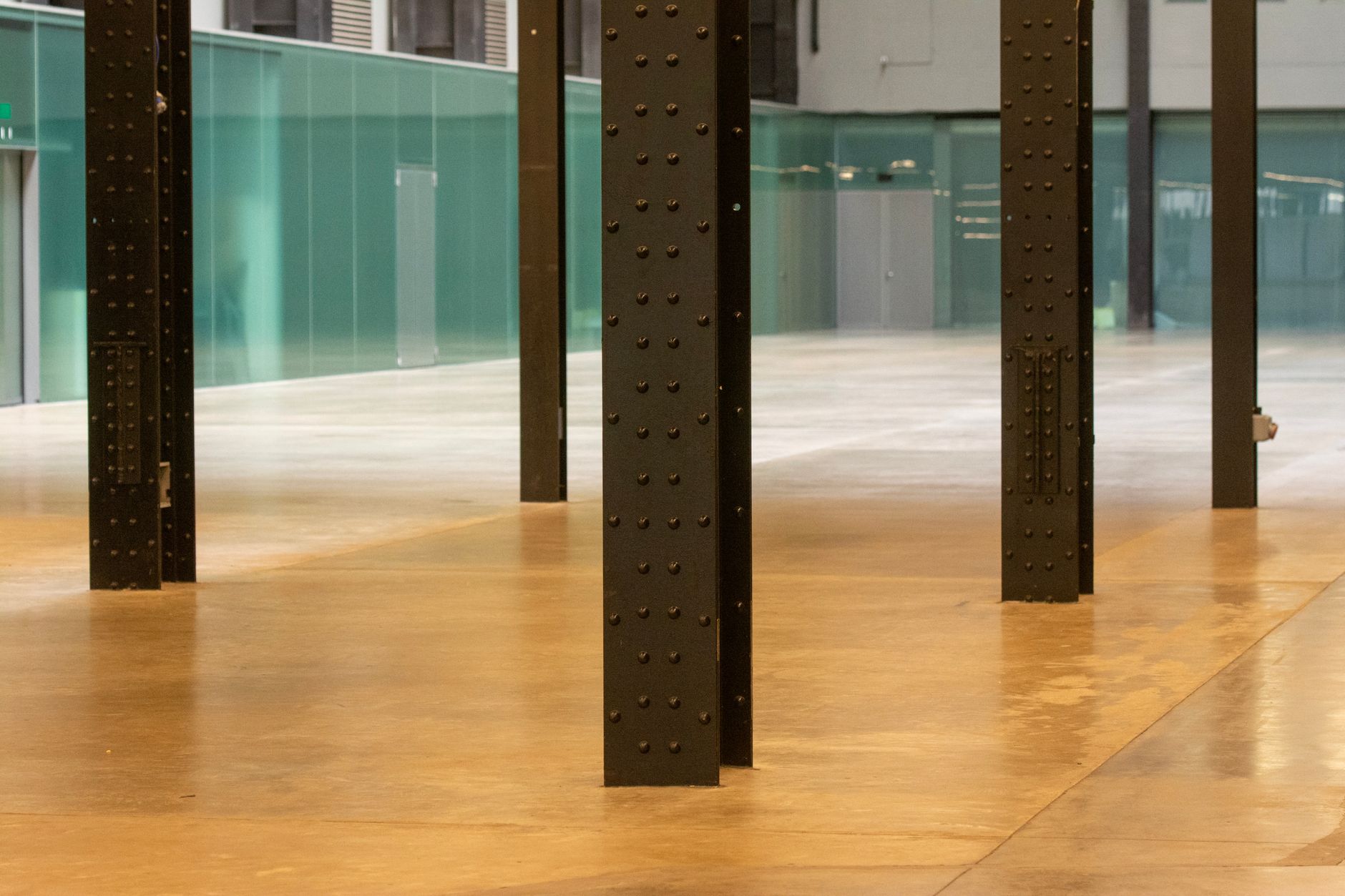
Calibration labs often sit in light industrial parks with polished concrete, expansion joints, and threshold ramps that look fine to a forklift and harsh to a delicate dial indicator.
Cap corner speed, avoid diagonal cuts across sloped floor drains, and keep robots off routes shared with active fork traffic when you can paint a dedicated spine.
Payload isolation matters. Use decks with soft mounts or nested fixtures bolted to the robot top module so the instrument case does not slide on hard plastic.
Re-map after layout changes. A new bench island or relocated chamber door changes LiDAR sight lines faster than managers notice on a walk-through.
Night and weekend calibration runs still need the same vibration discipline. Program slower speeds after janitorial wet mops so wheels do not skid on fresh film.
How do environmental chambers change robot scheduling?
Chambers run on dwell timers that do not care about your hallway traffic. AMR software should know chamber cycle length and block return trips until the quality hold clears.
Staged loads waiting for temperature soak belong in a labeled queue lane, not on the robot deck for an hour. Idle robots should return to charge rather than hold heat-sensitive kits in a sunny corridor.
If two chambers share one anteroom, publish one-way flow during peak weeks so techs and robots never meet in a single door width.
How do you prioritize dispatch when rush jobs stack up?
Publish three tiers before go-live: client shutdown windows, accredited audit deadlines, and routine cycle work. Fleet software should not treat every trip as equal when a plant stops without a certified gauge.
Increase trip frequency on the same spine before you widen geography. One robot running receiving to chamber every twenty minutes beats one robot wandering the whole building once an hour.
When volume spikes, add buffer lanes near benches so robots do not queue in doorways where techs need clear sight lines to reference standards.
Where do human handoffs stay mandatory?
Techs open cases, verify as-found condition, and attach adapters at the bench. Robots stop at a marked handoff stripe, not on the bench surface.
Chamber loads need a human to confirm set points and door seals. The robot delivers to the chamber anteroom; the tech completes the chamber cycle.
Shipping holds the same rule. The robot stages kits in a secure cage or camera-covered lane; shipping staff verify paperwork and carrier labels before the box leaves the building.
Where does a neutral integrator shorten the pilot?
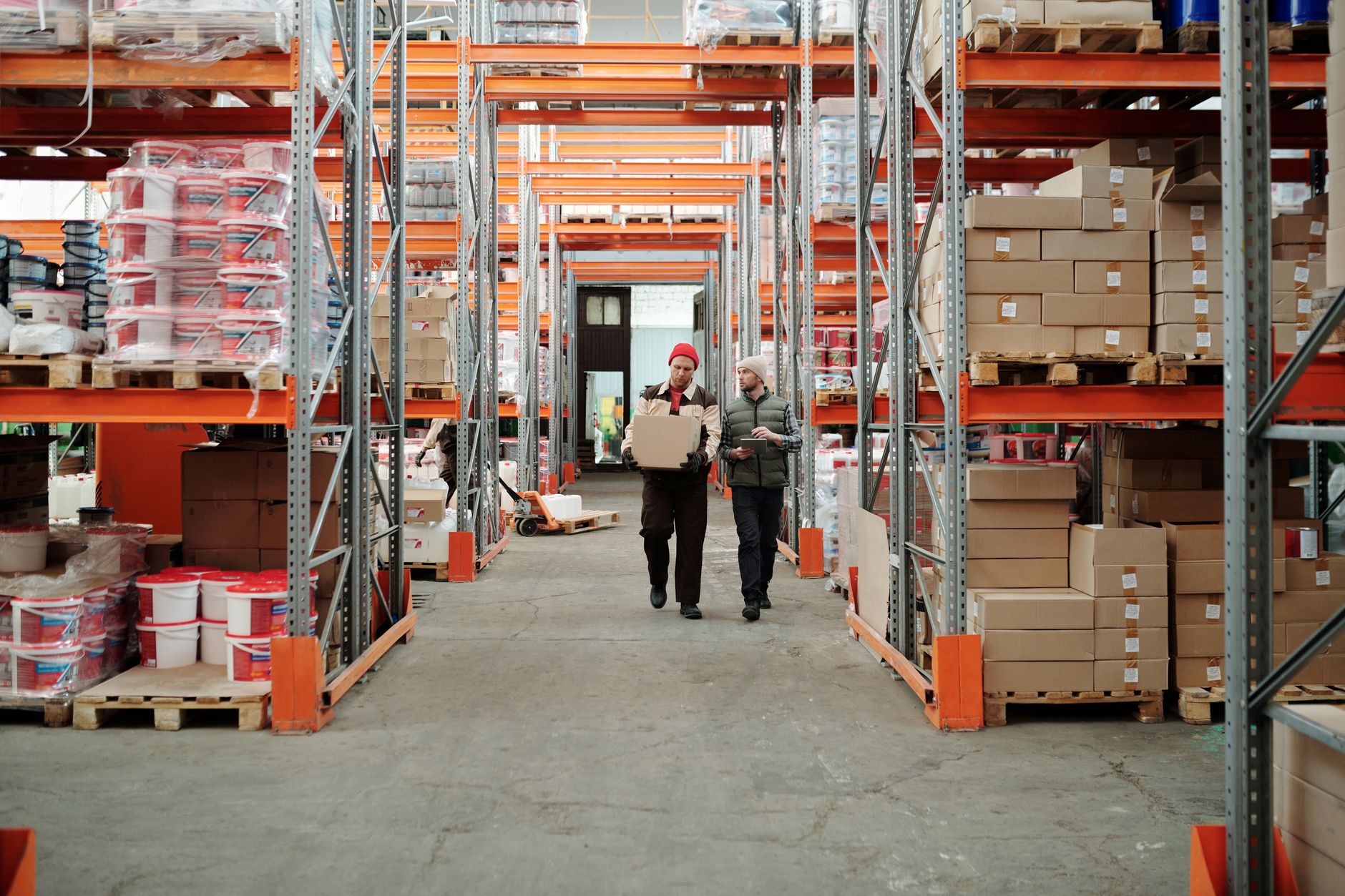
Service Robot Co. maps corridors with lab managers and quality leads, selects AMRs across OEM-neutral options, wires trip release to systems you already use, trains staff on overflow rules, and keeps units running through a nationwide field service network.
Pilot one receiving-to-bench loop for four to six weeks on moderate volume before you trust routes during accreditation week. Expand to chamber and shipping legs only after custody logs stay clean under audit review.
What should lab managers measure in the first 90 days?
Track kit wait time at intake and chamber doors, not robot miles. Waiting instruments mean release logic or capacity is wrong.
Count manual overrides per shift. Spikes at one intersection mean layout or clutter, not bad sensors.
Compare on-time shipping releases for rush jobs before and after go-live on the same client mix.
Log near-miss reports where robots meet carts or people. Flat counts after re-marking lanes are the proof point quality teams need.
Review custody exceptions weekly with quality staff. Patterns usually point to a missing barcode on one kit type, not robot reliability.
Ask techs which walks they do not miss. If the answer is none, widen the route map. If they name skilled setup steps, keep those human and trim only the corridor repeats.
What security and access controls matter?
Calibration clients trust you with instruments worth more than the robot carrying them. Route robots through camera-covered corridors and restrict deck release to badged staff.
After-hours trips should still log to the same audit trail. A midnight chamber pull for a shutdown client is when paper handoffs fail most often.
Visitor tours and open-house days need a pause profile so robots hold away from glass-walled lab fronts while groups pass.