Key takeaways
- Cobots automate repetitive inspection tasks, eliminating human error from fatigue and inconsistency.
- Integrated vision systems allow cobots to detect microscopic flaws and verify complex assemblies with high precision.
- Standardized, pre-engineered inspection systems are making automated quality control affordable for small and mid-sized businesses.
- Automated inspection collects vast amounts of data, providing insights for continuous process improvement.
- Cobots free human inspectors to focus on higher-value work like root-cause analysis and system oversight.
How Are Cobots Automating Quality Inspections?
Collaborative robots, or cobots, are fundamentally changing how manufacturers approach quality control. Moving beyond traditional roles in assembly and material handling, these adaptable robot arms are now being deployed for high-precision inspection tasks. By equipping a cobot with advanced vision systems and sensors, companies can automate the repetitive, critical work of verifying that products meet exacting standards.
This shift addresses a core challenge in manufacturing: human-led inspection, while essential, is prone to inconsistency. Fatigue and distraction can lead to errors, and some defects are simply too small for the human eye to reliably catch. A cobot, however, performs its programmed routine with exceptional precision and unwavering repeatability, cycle after cycle, ensuring that every part is checked with the same rigor.
The key is the integration of technology. High-resolution cameras, 2D and 3D vision sensors, and intelligent software give cobots the ability to 'see' and analyze products. They can measure dimensions, detect surface flaws, verify component assembly, and read labels, often faster and more accurately than manual methods. This automation of quality assurance is no longer exclusive to large corporations, as new approaches are making it accessible to businesses of all sizes.
What Technologies Power a Cobot Inspection System?
A cobot itself is just an arm; its inspection prowess comes from the sophisticated tools it wields. These technologies work in concert to transform a standard collaborative robot into a meticulous quality assurance professional.
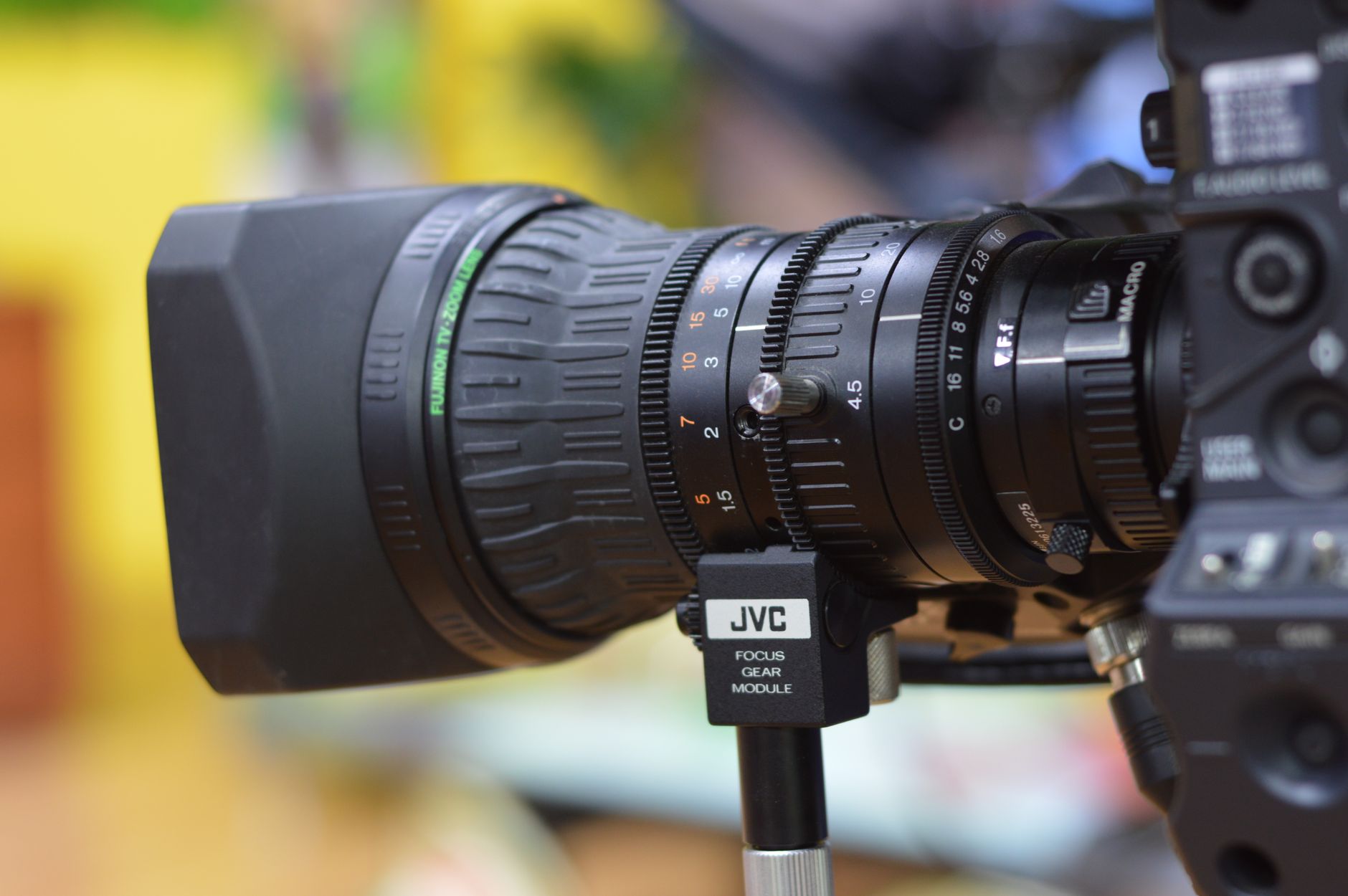
Vision systems are the primary enabler. These are not simple cameras, but integrated hardware and software packages designed for industrial environments. They range from 2D cameras that check for presence, placement, and surface-level defects to advanced 3D vision systems that measure depth, profile, and volume. Artificial intelligence is increasingly used to analyze this visual data in real time, allowing the system to identify subtle inconsistencies the human eye might miss.
Beyond vision, other sensors play a crucial role. Force-torque sensors, often built directly into the cobot's joints, allow it to perform physical tests, such as checking the fit of a press-fit component or verifying button functionality with specific force. External sensors, like laser scanners or ultrasonic probes, can be mounted on the cobot's wrist for non-destructive testing to find internal flaws.
How Does the Automated Inspection Process Work?
A typical automated quality control cycle involves a few distinct steps. First, the part is presented to the cobot. This can be done via a conveyor, a tray, or by an employee. The cobot may use custom fixturing to hold the part securely, ensuring it is positioned correctly for a consistent scan.
Next, the inspection begins. The cobot moves its integrated camera or sensor along a pre-programmed path, capturing images and data from multiple angles. If a part is large, the cobot can bring the camera to the product; if small, it might present the product to a stationary camera. This flexibility allows one system to inspect various parts with minimal changeover.
The system's software then analyzes the acquired data instantly. It compares the measurements and images against a digital 'golden standard' or a CAD file. Based on predefined tolerances, the system makes a pass or fail decision. Failed parts can be automatically sorted into a rejection bin, while the data from every inspection is logged for process analysis and traceability.
Which Inspection Tasks Are Best Suited for Cobots?

Collaborative robots excel in a wide array of quality control applications across numerous industries, from automotive and electronics to medical devices and consumer goods. Their ability to handle repetitive, precision-critical work makes them an ideal fit for several key tasks.
Common applications include:
- Surface Defect Detection: Identifying minute flaws like scratches, dents, or imperfections in finish on metal or plastic parts.
- Dimensional Metrology: Using vision or laser sensors to measure parts and ensure they fall within strict dimensional specifications.
- Assembly Verification: Confirming that all components are present, correctly installed, and properly oriented in a complex assembly.
- Non-Destructive Testing: Carrying specialized probes to perform tests, such as ultrasonic or eddy current inspections, to find internal material flaws without damaging the part.
- Packaging and Label Inspection: Verifying the correct placement of labels, legibility of barcodes, and proper package assembly before shipping.
What Are the Primary Benefits of This Automation?
Automating quality control with cobots delivers benefits that extend far beyond simply replacing a manual process. The most immediate advantage is a dramatic increase in consistency and the near-total elimination of human error caused by fatigue. This leads to higher product quality and a reduction in costly rework, scrap, and customer returns.
These systems operate tirelessly, enabling 24/7 inspection and increasing overall throughput without adding labor costs. In fact, many deployments have a rapid payback period. Furthermore, automated inspection generates a wealth of actionable data. Every measurement and defect is logged, creating a detailed digital record that allows teams to identify trends and perform root-cause analysis to improve upstream production processes.
Finally, it elevates the role of human workers. By assigning the monotonous, physically demanding inspection tasks to cobots, skilled technicians are freed to focus on more complex, value-added work like process improvement, data analysis, and managing the automated systems.
Are Pre-Engineered Systems Making Cobot QC More Accessible?
Yes, one of the most significant developments in this space is the rise of standardized, pre-engineered inspection systems. Historically, automating an inspection task required a custom-built solution with high engineering costs and long lead times, placing it out of reach for most small and mid-sized enterprises (SMEs).
That model is changing. Pre-engineered systems offer a foundation of a cobot, vision hardware, and software that are designed to work together out of the box. This approach significantly reduces complexity, cost, and deployment time, making powerful automated quality assurance accessible to a much broader market. It flips the script from one-off custom projects to scalable, practical platforms.
This trend is a key driver for SMEs looking to automate. It provides a lower-risk entry point for a manufacturer to implement an `inspection robot rental` or `cobot rental for manufacturing` before committing to a large capital expenditure.
How Does a Business Integrate a Cobot Inspection System?
Successfully deploying a cobot for quality control requires more than just buying a robot arm. It involves a holistic approach to ensure the system meets the specific needs of the application. This is where a vendor-neutral integrator like Service Robot Co. becomes essential. The process begins with a thorough site assessment to understand the part, the environment, and the quality criteria.
As an OEM-neutral partner, we are not tied to a single manufacturer. We select the best robotic arm, vision system, and end-of-arm tooling for your specific job. This ensures the technology fits the task, not the other way around. Our nationwide network of engineers then manages the entire lifecycle, from initial design and integration to on-site training and go-live support.
Service Robot Co. offers turnkey robot deployment, handling all the complexities of programming, safety assessments, and integration with your existing workflow. We provide flexible acquisition models, including `robot leasing for business` and `RaaS monthly subscription` programs that eliminate the need for significant upfront capital. With a single point of contact for financing, deployment, and our `robot maintenance service plan`, you get one partner and one number to call for the entire life of your system.
What Are the Key Considerations Before Deploying?
While modern cobot systems are designed for ease of use, a successful deployment depends on careful planning. One critical factor is the environment. Lighting, in particular, must be consistent and controlled, as shadows or glare can interfere with the vision system's accuracy.
Part presentation is another key detail. The part must be positioned repeatably for the cobot. This may require designing custom fixtures or trays. It is also important to define clear pass and fail criteria and to build a library of known defects to train the system effectively.
Finally, consider the data. Decide how inspection data will be stored, analyzed, and used. Integrating the cobot's output with your existing quality management system can provide powerful insights for continuous improvement across your entire operation.