Key takeaways
- Gausium case materials describe FMZ Imst deploying Scrubber 50 with WS-01 in November 2023 across about 4,000 square meters on floors 1 through 3 and the entertainment center.
- The project targeted maximum autonomy, including workstation water and battery cycles and elevator integration with a roughly 15-year-old lift.
- Night scheduling kept cleaning away from daytime shoppers while addressing labor gaps and third-party cleaning spend.
- US mall operators should validate elevator interfaces, overnight security handoffs, and map updates before copying multi-floor autonomy.
- Service Robot Co. can compare OEM-neutral scrubbers, finance deployment, and support RoboCare service after site walks.
What did FMZ Imst automate with the Scrubber 50?
FMZ Imst is a shopping center in Austria that mixes retail with entertainment across three floors. According to Gausium case materials published in January 2025, the property partnered with Gausium Österreich in November 2023 to deploy the Gausium Scrubber 50 with WS-01 workstation.
The robot was configured for the highest level of autonomy the platform allows. Case copy says it cleans nearly 4,000 square meters overnight across floors one through three and the entertainment center, then returns to its start point ready for the next cycle.
For a US reader, the headline is not novelty for novelty's sake. It is whether a single scrubber can reliably cover a multi-level common area without pulling janitorial staff off tenant coordination tasks at closing time.
Retail common areas also include cinema lobbies and family entertainment zones where gum, popcorn oil, and tracked-in rain show up in the same shift. A mapped night route can hit those zones in a fixed order while day staff focus on tenant requests.
Why did traditional cleaning fall short at this mall?
Gausium lists three pressure points FMZ Imst faced before automation: labor shortages, high spend on outside cleaning firms, and uneven results that hurt the guest experience.
Mall common areas see food courts, cinema traffic, and seasonal promotions that leave grit at entries. When contractors rotate crews, polish on stone and tile can look different from one week to the next.
Night staffing is especially brittle in tourism and retail towns where workers have options across hospitality and logistics. A robot on a fixed map does not call in sick, but it still needs supervision when elevators, gates, or event build-outs change traffic patterns.
Third-party contracts also hide variability in supervisor turnover. A new foreman may skip the same mezzanine corner your tenants photograph for social media.
How does the WS-01 workstation change overnight labor?
Manual dump-and-fill cycles are where many scrubber pilots quietly fail. Operators intend full autonomy, then someone must meet the machine at 2 a.m. to swap tanks.
Gausium describes the Scrubber 50 docking at WS-01 to take on fresh water, dispose of waste water, and recharge without a person at the station. That is what lets FMZ Imst claim complete automation for water and power chores.
US facilities teams should still plan for consumables, squeegee wear, and emergency stops. Workstation autonomy reduces headcount at the dock, not accountability for slip-and-fall readiness before doors open.
Place the workstation where night security already patrols so alarms and plumbing issues get eyes without adding a new desk job.
Can a scrubber really ride a legacy mall elevator?
Multi-floor malls were not designed for robots. FMZ Imst needed the scrubber to move between levels without a human escort every trip.
Gausium case materials highlight elevator integration coupled to a roughly 15-year-old elevator system. That matters because many US properties defer lift modernization and fear any new interface will void maintenance contracts.
Before copying the model, ask your integrator for a written test plan: door timing, car leveling, fire recall behavior, and what happens when a late-night film crowd holds the doors. A scrubber should pause safely, not wedge into a closing door.
Film schedules can keep elevators busy after retail anchors close. Build hold points on each floor so the robot waits instead of competing with guests.
Why run scrubbing only at night?
Case copy states all cleaning was scheduled at night to avoid disruption during operating hours. Shoppers should not dodge a machine between anchor tenants, and wet floors need time to dry before morning rush.
Night runs also align with how malls already schedule waxing and deep scrubbing. The difference is consistency: the same path, the same speed, the same coverage map every shift.
Security and cleaning leads should share one calendar. If patrol rounds change when a robot is on floor two, both teams need a single source of truth for hold points and elevator priority.
Morning opening crews can then focus on storefront glass and restroom restock instead of chasing missed corners on the main concourse.
What results did Gausium report after go-live?
Gausium attributes several outcomes to the deployment: less reliance on manual labor, lower dependence on third-party cleaning companies, more consistent quality across the roughly 4,000 square meters covered, and minimal daily supervision because the robot self-manages cycles when maps stay stable.
Those claims are manufacturer case language, not an independent audit. Treat them as a checklist for what to measure on your site: hours redeployed to tenant requests, contractor invoice trends, and guest comment themes about cleanliness near food court and cinema entries.
Photograph the same corridor tiles weekly for thirty days if leadership needs visual proof alongside machine logs.
Compare slip-and-fall incident reports before and after automation only if your risk team signs off on consistent definitions.
What should US mall and mixed-use operators verify first?
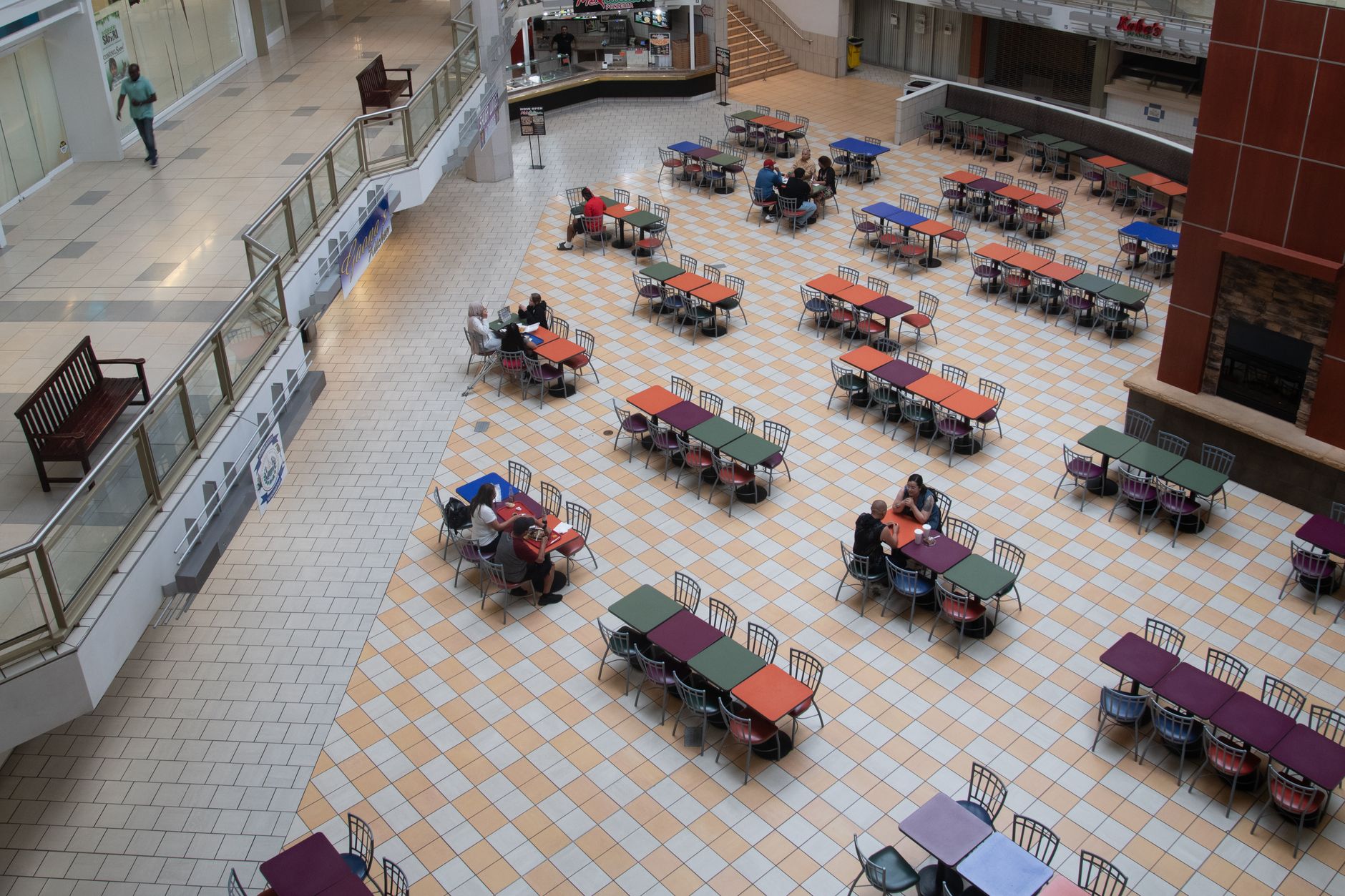
Start with square meters you can actually close to the public. FMZ Imst focused on shopping and entertainment zones, not every back-of-house service corridor.
Confirm floor types, expansion joints, and ramp grades in a written site walk. Austrian stone and US polished concrete behave differently under squeegee pressure and detergent dosing.
Map how the robot crosses loading docks, fire doors, and after-hours security checkpoints. A US property may need separate paths for cinema spill versus retail entries.
Plan training for security to pause or recall the unit without breaking the next morning schedule.
- Elevator interface test plan with your lift vendor and fire alarm vendor present
- Workstation plumbing and drain compliance for local codes
- Tenant communication for night noise near cinema exits
- Spare battery and brush strategy before holiday peak weeks
- RoboCare escalation path when maps change after a pop-up build
Where does an OEM-neutral integrator fit?
Gausium Österreich acted as national distributor and deployment partner for FMZ Imst. US owners rarely have a single OEM shop; they need comparisons across scrubber brands, financing, and service response.
Service Robot Co. selects scrubbers, delivery robots, and patrol units across manufacturers, then lines up lease or purchase options, deployment, training, and RoboCare service with regional engineers. That is the same lifecycle bundle FMZ Imst wanted, without locking every property into one logo.
Bring floor plans, elevator manuals, and last year's cleaning spend to a site assessment. Integrators should show how workstation placement affects night routes before you sign.
Ask for references from retail sites with similar square footage and hours, not only from warehouse pilots.
How do you keep autonomy from becoming a science project?
Maximum autonomy still needs change control. Seasonal kiosks, movie premieres, and school holiday events reshuffle furniture overnight.
Assign one facilities owner to approve map edits and to review machine logs each Monday. Gausium case copy emphasizes the robot returning to its starting point ready for another cycle, which only holds if maps match reality.
Pair the scrubber with human tasks robots do not cover: glass, restrooms, and food court tables still need staff. Automation should shrink repetitive floor miles, not hide understaffed restrooms from tenants.
Document who can restart a stalled unit before the 6 a.m. security walk-through.
When anchor tenants extend hours for a product launch, treat the calendar change like a mini reopening for the robot map.