Key takeaways
- Yes, many hotels should automate ice and amenity delivery before tackling bigger room service workflows.
- The best fit is a narrow, high-frequency delivery loop: ice, towels, toiletries, linens, and late-night extras.
- Current labor data supports the case. According to AHLA, housekeeping and front desk remain two of the toughest hotel roles to staff.
- A hotel delivery robot rental model can make more sense than a large capital purchase when a property wants speed, service coverage, and maintenance included.
- The project works when the property can support elevator access, secure handoff rules, and a clear operating window for staff and guests.
The short answer
Yes. For many hotels, ice and amenity delivery is one of the first service jobs that makes sense to automate. The work is repetitive, guest-facing, time-sensitive, and operationally awkward. It pulls front-desk agents away from arrivals and guest questions, and it pulls housekeeping away from room turns and linen flow.
That matters because the staffing backdrop is still tight. According to AHLA's February 20, 2025 staffing survey, 65 percent of surveyed hotels reported staffing shortages, 71 percent said they had open roles they could not fill, and the most commonly cited shortages were housekeeping at 38 percent and front desk at 26 percent. When a workflow repeatedly taps the two most strained teams, it becomes a good candidate for an amenity delivery robot.
This is also a cleaner starting point than full room-service automation. A room service robot handling plated meals introduces more variables around timing, temperature, and presentation. Ice buckets, towels, toiletries, extra pillows, and late-night sundries are narrower jobs. They are still guest-visible, but the service promise is simpler and easier to operationalize.
- Best candidates for automation: ice delivery, towel runs, toiletry refills, extra linens, pillows, blankets, and packaged late-night items
- Weak candidates for first-wave automation: custom in-room dining, alcohol service, high-touch VIP setups, and tasks that require judgment inside the guest room
Why do these small delivery runs create such a big labor drag?
Because the task is not just the handoff. A single request can force a staff member to stop current work, locate the item, cross the property, wait on elevators, navigate guest traffic, complete the delivery, and walk back empty. The trip absorbs time from a role that is already under pressure.
Current labor data puts that in context. The U.S. Bureau of Labor Statistics lists 420,800 maids and housekeeping cleaners and 247,700 hotel, motel, and resort desk clerks in accommodation for 2025. In the same 2025 industry table, the median hourly wage was $16.78 for maids and housekeeping cleaners and $16.82 for desk clerks. Those are essential roles, but they are not cheap idle capacity.
The physical burden is real too. BLS says maids and housekeeping cleaners spend an average of 95.2 percent of the workday standing, and work in low postures is required for more than 95 percent of workers in the occupation. That is a strong argument for taking low-value transport work off the plate where possible, especially on days when room turns are heavy.
- Front desk cost of the run: lost queue coverage, slower check-ins, less upsell time, and more interrupted guest conversations
- Housekeeping cost of the run: fewer cleaned rooms per hour, more stop-start motion, and more fatigue across the shift
What makes ice and amenities a better robot job than full room service?
The workflow is tight. Items are standardized, packaging is simple, and the guest expects speed more than ceremony. That gives hotels a tractable service loop with fewer failure points.
Ice and amenities also cluster at inconvenient hours. A front desk that is lightly staffed late at night still gets requests for toothbrushes, towels, razors, bottled water, and extra blankets. A room service robot built for plated dining has to solve a broader operating problem. An amenity delivery robot only needs to do one thing reliably and do it often.
There is also less brand risk in the handoff. If a robot delivers a sealed toiletry kit or a stack of towels, the guest usually judges the experience on promptness and correctness. Food service adds plating quality, spill risk, freshness, and order complexity. Narrow jobs usually pencil out first.
- Lower complexity payloads
- Cleaner stocking process
- Fewer temperature-control concerns
- Simpler staff training
- Easier guest recovery if a run needs human backup

Which hotels tend to see the best operational fit?

Properties with long corridors, multiple guest towers, frequent elevator use, and steady late-night front-desk activity usually have the clearest case. The same is true for hotels that field constant requests for towels, toiletries, bedding extras, and ice because guestrooms are far from service closets or because guest expectations skew high.
Staffing pressure sharpens the fit. According to AHLA's March 17, 2026 owner survey, labor costs were cited as a top financial pressure by 65 percent of respondents and workforce shortages by 42 percent. More than half of respondents said their properties were somewhat or severely understaffed. When management is already paying more for labor and still running short, repetitive transport automation becomes easier to justify.
The best candidates are not only luxury properties. Select-service and full-service hotels can both benefit if the request mix is heavy and the labor model is thin on nights, weekends, and shoulder periods.
- Strong fit: urban hotels, airport hotels, convention hotels, resort towers, and larger select-service properties
- Weaker fit: very small inns, properties with frequent locked fire doors that cannot be integrated, and buildings with erratic elevator access
What has to be true operationally for the program to work?
First, the hotel needs a disciplined pickup and stocking point. Most failures in delivery automation come from messy handoffs, not from the robot drive itself. The robot should leave from a predictable back-of-house area with clearly labeled amenity kits and a simple dispatch rule.
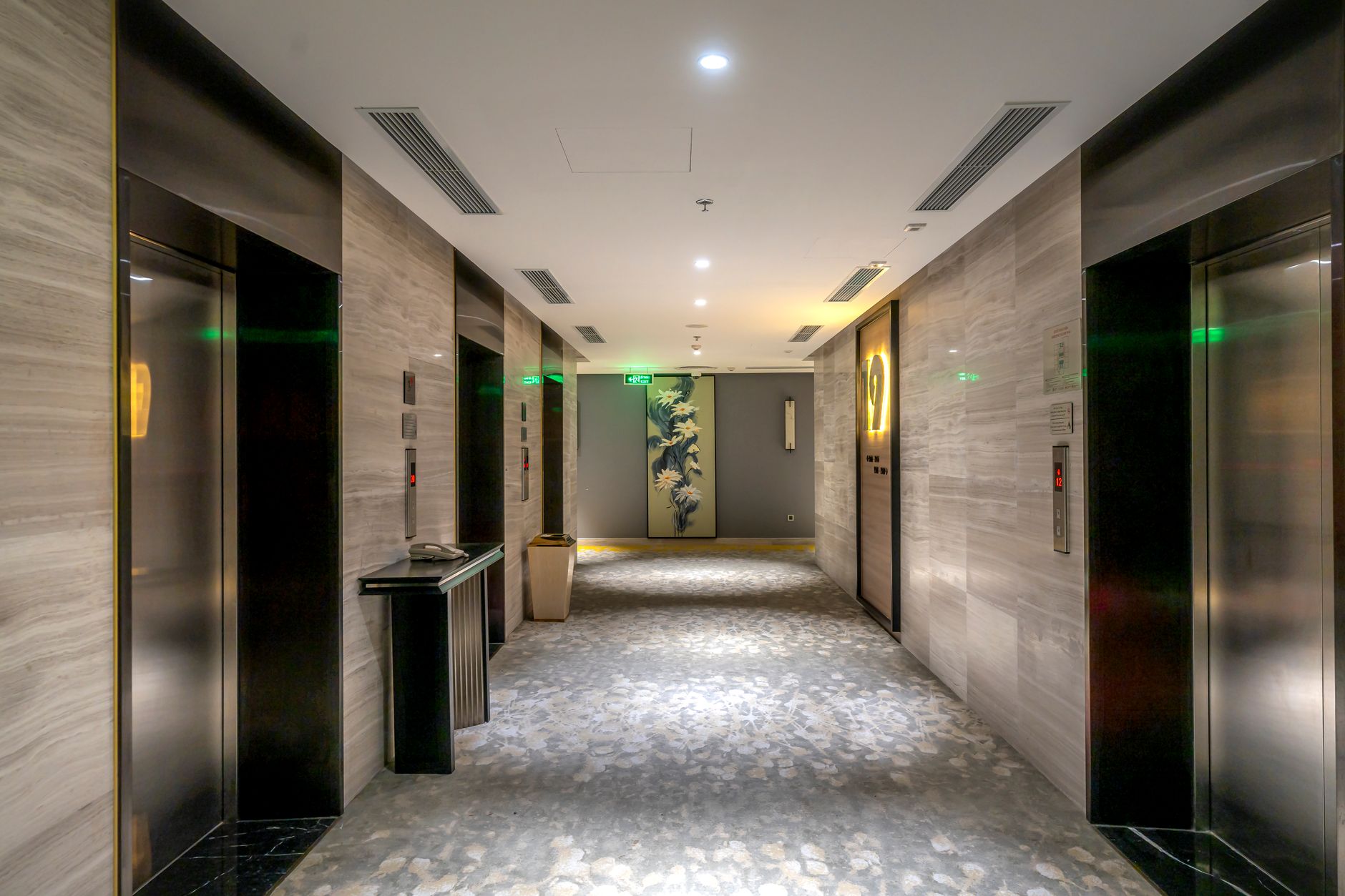
Second, elevator and access control matter. If the robot cannot move floor to floor reliably, the value collapses. The property does not need exotic infrastructure, but it does need dependable integration between the robot, the elevator workflow, and the building's operating rules.
Third, guest communication needs to be plain. The guest should know what is arriving, how to retrieve it, and what happens if they miss the handoff. According to AHLA's 2025 partner trends report, cleanliness remains a top priority for guests and integrated guest services from arrival to departure matter. That means the delivery experience has to feel orderly and intentional, not gimmicky.
- Defined amenity menu
- Locked or traceable compartments when needed
- Clear service hours and fallback coverage
- Simple front-desk dispatch workflow
- Documented recovery steps for missed deliveries or blocked routes
How should a hotel think about the business case?
Start with labor recapture, not labor elimination. The point is usually not to cut a single full-time role on day one. The point is to stop burning expensive attention on narrow transport work so that front desk and housekeeping can stay on their core jobs.
The labor environment supports that framing. AHLA said in February 2025 that hotel employment was still nearly 10 percent below pre-pandemic staffing levels. A hotel does not need to prove that a robot replaces an employee outright. It often only needs to prove that the robot absorbs enough low-value runs to protect service levels with the team already on hand.
That is why many operators prefer a service robot rental or hotel delivery robot rental structure first. Robot leasing for business, monthly payment programs, and robot as a service options can reduce friction when a property wants no upfront capital, maintenance included, and a quicker go or no-go decision after a pilot.
- Useful ROI inputs: delivery volume by shift, average staff interruption time, late-night coverage gaps, guest satisfaction around response time, and recovery cost for missed requests
- Common commercial structures to compare: lease rental or sale, robot as a service, a month to month robot lease, and a robot pilot program with try before you buy terms
Where does Service Robot Co. fit in?
This is one of those hotel jobs where integration discipline matters more than robot hype. Service Robot Co. works as an OEM-neutral, full-service commercial robot integrator for U.S. businesses. For a hotel that wants an amenity delivery robot, that means one partner can evaluate the property, pick the right platform, handle financing, deploy the unit, connect the workflow, train the staff, and support the fleet after launch.
That matters because hotel operators do not just need hardware. They need an operating model. A vendor neutral robot integrator can align the robot with the building, the shift structure, and the service promise. Service Robot Co. also supports the full lifecycle through a nationwide U.S. engineer network, which is especially relevant for owners who want commercial robot repair service, remote triage, on-site dispatch, and emergency response nationwide without juggling multiple vendors.
For properties testing the category, a free site assessment, turnkey robot deployment plan, and flexible commercial terms such as monthly payment programs can be more practical than forcing a large one-time purchase decision before the workflow has been proven on site.
- One vendor for finance, deployment, integration, training, and service
- Useful for single-property pilots and multi-property rollouts
- Particularly relevant when the hotel wants one partner, one number, and maintenance included
What should a hotel do before saying yes?
Measure the workflow honestly. Count the requests that are truly repetitive. Separate ice, towels, toiletries, linens, and sundries from requests that actually need human judgment. If the bulk of the volume sits in that narrow lane, automation is worth serious consideration.
Then check the building. Look at elevator behavior, service-closet placement, corridor widths, nighttime traffic, and dispatch ownership. The question is not abstract interest in robotics. The question is simple: can this property run a repeatable delivery loop every day with minimal friction.
Finally, set the success standard before launch. A hotel delivery robot rental program should be judged on response consistency, recovered staff time, fewer desk interruptions, and guest acceptance. If those indicators improve, the property has found a job that automation can handle well. If not, the hotel should adjust the workflow before expanding into broader room service robot use.
- Map the request categories for 30 days
- Identify the busiest request windows by shift
- Test elevator and route reliability
- Define human backup rules
- Review results before adding more service tasks