Key takeaways
- In 2026, leading QSRs are adopting robotics primarily to guarantee consistent food quality, not just to increase speed.
- Automated systems excel at repetitive tasks like frying, dispensing, and assembly, dramatically reducing human error and food waste.
- Real-world deployments at chains like McDonald's and Chipotle show a clear trend towards robotic assistance for standardized preparation.
- A vendor-neutral integrator is crucial for managing a diverse fleet of specialized robots from different manufacturers.
- Robot as a Service (RaaS) models make this advanced technology accessible to more businesses through monthly subscriptions with no large upfront capital.
Why Is Consistency the New Focus for QSR Automation?
Major fast-food chains are embracing robotics for a reason that goes beyond pure speed: perfect, repeatable quality. In 2026, the strategic advantage of automation is less about shaving seconds off ticket times and more about ensuring the customer in Dallas gets the exact same quality of product as a customer in Duluth. This shift addresses a core challenge for any Quick Service Restaurant (QSR): human variability.
Brand loyalty is built on trust and predictability. When a customer orders their favorite item, they expect it to taste and look the same every single time. Robotics removes the variables of employee fatigue, distraction, or differences in training. An automated system performs its programmed task-be it frying potatoes or dispensing sauce-with mathematical precision, 24/7.
This trend is already in motion. In recent years, McDonald's has been expanding its use of AI and robotics to improve drive-thru order accuracy. Similarly, Chipotle began piloting collaborative robots to handle the labor-intensive task of preparing avocados for its guacamole, a move that could cut prep time by 50% and ensure a consistent base product. These initiatives highlight a clear industry direction: automation is now a primary tool for quality control.
How Do Robots Standardize Food Preparation?
The power of robotics in the kitchen lies in its ability to flawlessly execute simple, repetitive functions where precision is key to the final product's quality. This standardization occurs across several key stages of food preparation.
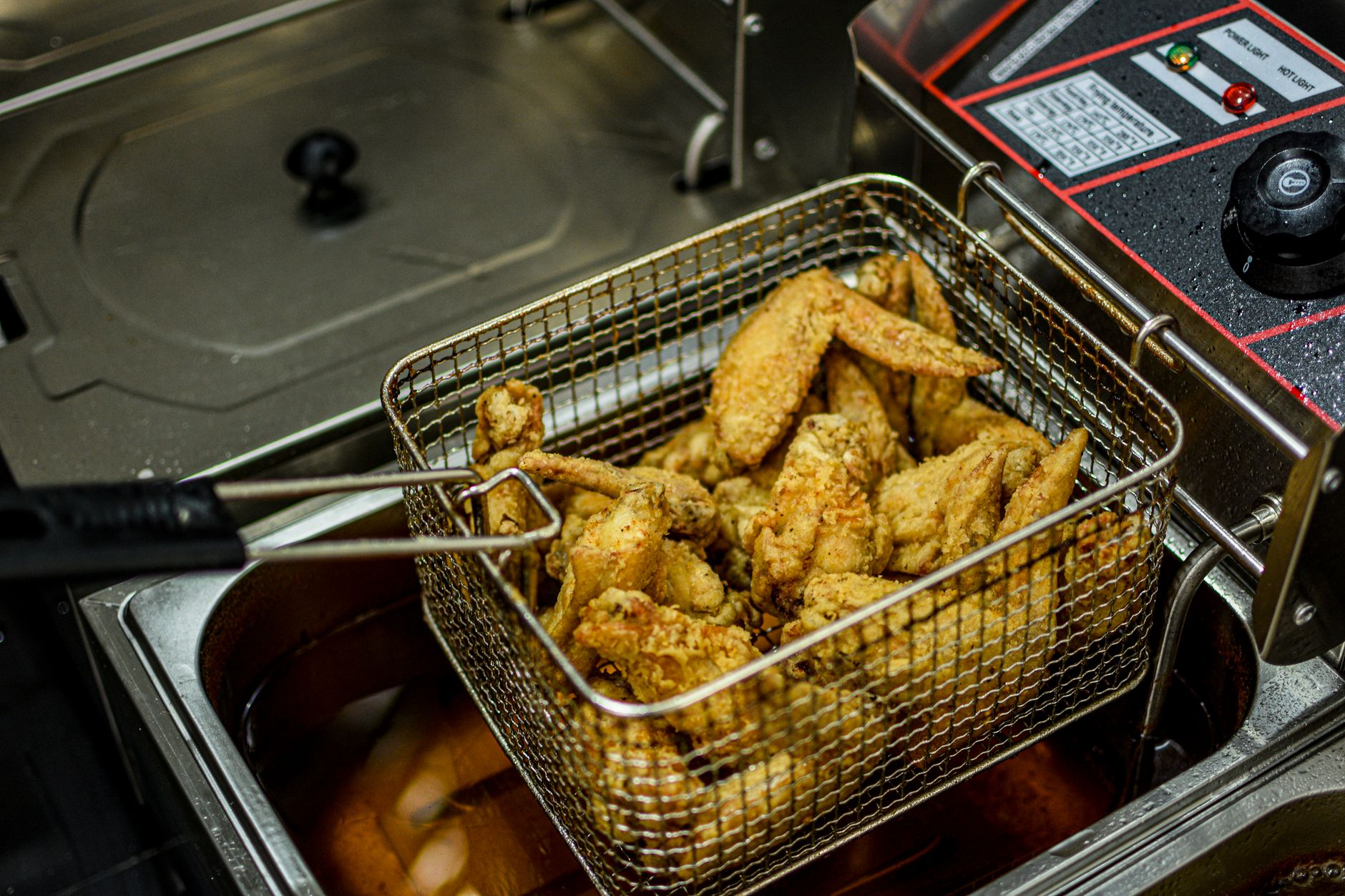
Automated frying systems, for example, submerge and retrieve baskets with perfect timing, cooking french fries to the ideal temperature and duration. This eliminates the chance of undercooked or burnt products that can result from a busy kitchen environment. The result is a consistent texture and taste that customers expect.
Precise dispensing is another critical area. Robotic systems can apply the exact same amount of ketchup, mayonnaise, or signature sauce on every single sandwich. This not only guarantees a uniform taste profile but also aids in portion control, which directly impacts food costs and reduces waste.
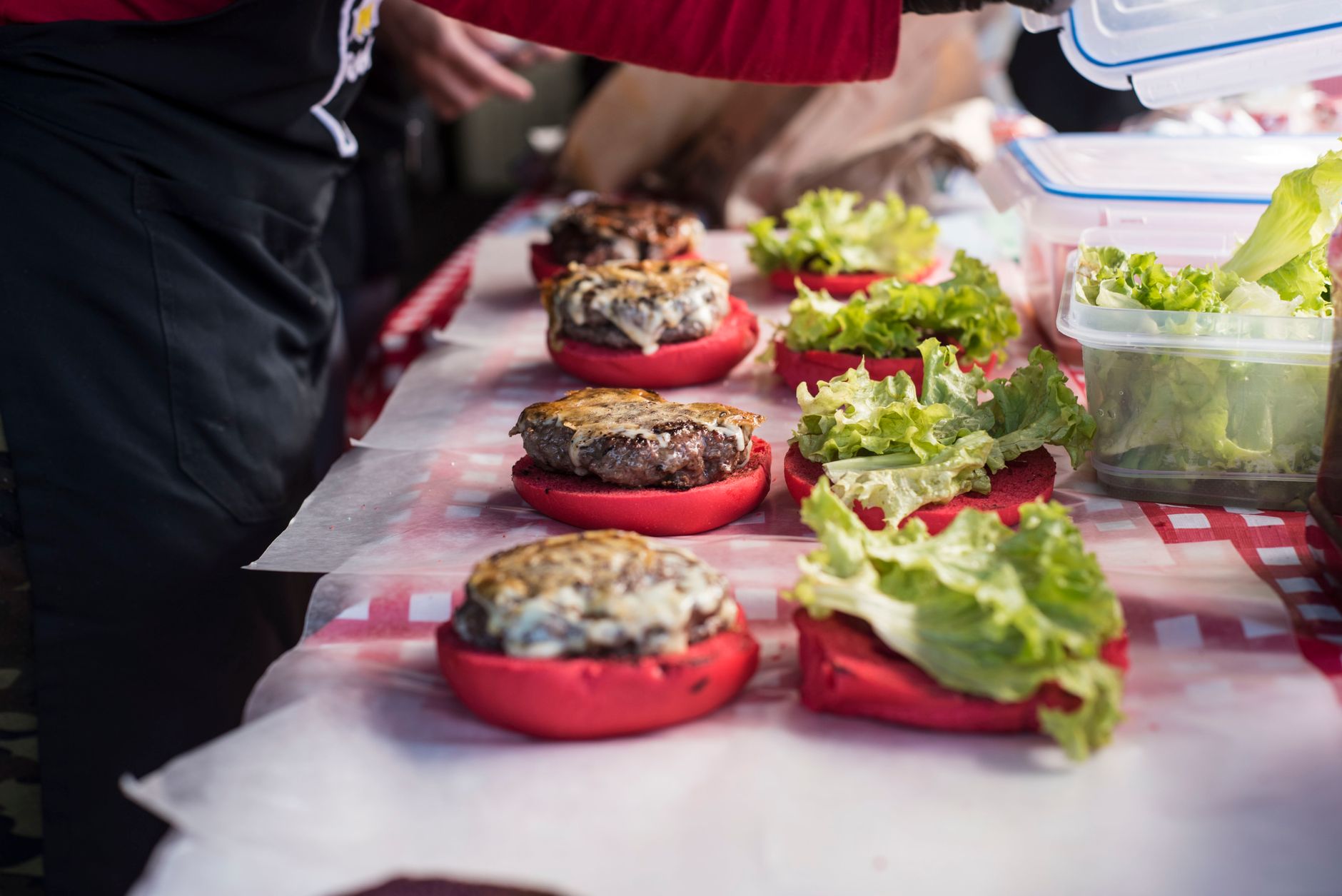
For more complex items, collaborative robot arms, or cobots, assist in assembly. They can place patties, cheese, and toppings in the same sequence and location on every bun. This ensures the build of the product is identical, which affects everything from its taste to how well it holds together for the customer.
What Is Automation's Role in Order Accuracy?
Quality control begins the moment an order is placed. A perfectly prepared meal is still a failure if it is not what the customer actually requested. This is why leading QSRs are also applying automation to the ordering process itself.
AI-powered voice assistants at the drive-thru are becoming more common, designed to understand orders and reduce the miscommunication that can happen between a customer and a human employee in a noisy environment. According to research by PwC, 61% of consumers will switch brands after just one bad experience, making order accuracy a critical factor for retention.
Once the order is confirmed, it is relayed digitally to the kitchen, often appearing on a Kitchen Display System (KDS). When this accurate digital order is sent to automated cooking and assembly stations, the risk of human error in translation is completely removed. The system prepares exactly what was ordered, leading to higher customer satisfaction and less food wasted on remakes.
What Are the Operational Benefits Beyond a Consistent Product?

While consistent quality is the main prize, robotic automation brings a host of other operational advantages that fortify a restaurant's bottom line and improve its working environment.
Robotics can lead to a significant reduction in food waste. By using precise amounts of every ingredient, from cooking oil to shredded lettuce, waste is minimized. When a robotic system prepares an avocado, for instance, it can be programmed to extract the maximum amount of fruit, potentially saving millions in food costs annually when scaled across a large chain.
Employee satisfaction also sees a notable improvement. Automation takes over monotonous, physically demanding, or potentially hazardous tasks, such as operating deep fryers or performing the same slicing motion for hours. This allows staff to be reassigned to more engaging, higher-value roles, such as customer interaction and quality assurance, which can help reduce employee turnover in a high-churn industry.
How Does a Restaurant Manage Many Different Robots?
A modern automated QSR kitchen is rarely a single-vendor environment. The best robotic fryer is likely made by a different company than the best automated beverage dispenser or the most efficient server assistant robot. This creates a complex ecosystem of hardware and software that can be a nightmare for a restaurant manager to handle.
This is where the role of a vendor-neutral robot integrator becomes essential. Instead of juggling multiple vendors for purchasing, installation, and repairs, a business can rely on a single partner. At Service Robot Co., we specialize in being this unified point of contact. We assess your unique operational needs and select the most effective robots for each task, regardless of the manufacturer.
Our approach provides one partner and one number to call for the entire lifecycle. From the initial site assessment and mapping to the final go-live support, our nationwide network of engineers handles the entire process. This turnkey robot deployment ensures that all systems work together correctly and that if an issue arises, you have a single source for a solution, including on-site dispatch and a comprehensive robot maintenance service plan.
Is This Technology Only for Giant Corporations?
A common misconception is that a significant capital investment is required to bring this level of automation into a business, making it a tool only for the largest global chains. However, modern financing and service models have made this technology widely accessible.
The Robot as a Service (RaaS) model has been a game-changer. Instead of purchasing equipment outright, businesses can opt for a RaaS monthly subscription. This approach eliminates the large upfront capital expenditure and converts it into a predictable operating expense. This is a key reason why robot leasing for business is growing in popularity.
At Service Robot Co., our financing programs, including robot rental on a monthly basis, are designed to make automation attainable. These plans often include maintenance, repairs, remote triage, and even emergency robot replacement, which guarantees zero downtime. By removing the financial barrier and the risk of ownership, operators of any size can benefit from the quality control and efficiency that robotics provides.
Looking Ahead: The Future of Quality and Personalization
The integration of robotics in QSRs is still evolving. The next frontier is the use of data and AI to move from simple consistency to active quality improvement and hyper-personalization. Robots in the kitchen can track ingredient usage with perfect accuracy, providing managers with powerful data to optimize inventory and reduce spoilage.
In the near future, automation will connect the entire customer journey. A restaurant's app could remember a customer's preferences, and upon their arrival, signal the robotic kitchen to prepare their usual order exactly to their liking, every time. This level of personalized, consistent service is the ultimate goal of QSR automation.
As these systems become more interconnected, the data they generate will drive smarter business decisions, from staffing levels to menu adjustments. The robot that cooks for you today will be the source of business intelligence that helps you grow tomorrow, ensuring that quality control is not just a process, but a continuous cycle of improvement.