Key takeaways
- Robotic cleaners directly support LEED and WELL certification by using less water and fewer chemicals, aligning with sustainability goals.
- Autonomous scrubbers improve indoor air quality by using HEPA filtration and reducing airborne particulates and volatile organic compounds (VOCs).
- Detailed data reports from robotic fleets provide verifiable proof of cleaning schedules and performance, simplifying compliance documentation.
- Optimized cleaning paths and precise resource dispensing by robots reduce energy, water, and chemical waste.
- A full-service robot integrator ensures the right machine is selected and properly maintained for consistent, certifiable cleaning results.
Meeting Modern Building Standards with Robotic Precision
Modern building certifications like LEED (Leadership in Energy and Environmental Design) and WELL are redefining what it means to have a high-performance, sustainable building. These standards place a heavy emphasis on occupant health and resource efficiency, with a significant focus on indoor environmental quality (IEQ) and sustainable operating practices. Cleaning protocols are a cornerstone of these certifications, directly impacting air quality, resource consumption, and overall building health.
Autonomous floor cleaners are powerful tools for facility managers aiming to achieve or maintain these stringent certifications. By design, these machines offer a level of precision, consistency, and data tracking that manual methods struggle to match. They systematically address key requirements in both LEED and WELL standards by optimizing the use of water and cleaning solutions, improving air quality through advanced filtration, and generating detailed reports that serve as verifiable proof of compliance.
How Do Robots Enhance Indoor Environmental Quality (IEQ)?
Both LEED and WELL certifications have extensive criteria focused on maintaining superior indoor air quality. Harmful ingredients in some cleaning products can emit volatile organic compounds (VOCs), which can cause irritation and other health effects. Robotic cleaning equipment directly contributes to a healthier indoor environment in several critical ways.
Many commercial robotic vacuums and scrubbers are specified with HEPA filtration systems. A HEPA filter is capable of trapping 99.97% of particles that are 0.3 microns in diameter, capturing microscopic pollutants like dust, pollen, and pet dander that can trigger allergies and asthma. By consistently removing these fine particles, robotic cleaners reduce the overall particulate matter in the air, a key metric for IEQ.
Furthermore, the precise nature of autonomous cleaning reduces the overuse of chemical agents. Robots are programmed for exact dilution ratios and controlled dispensing, which minimizes the release of VOCs into the atmosphere. This supports the goals of LEED's Green Cleaning credits and WELL's Cleaning Products and Protocols feature, which require the use of certified, low-toxicity cleaning products and methods that do not degrade air quality.

Can Automation Reduce Water and Chemical Consumption?
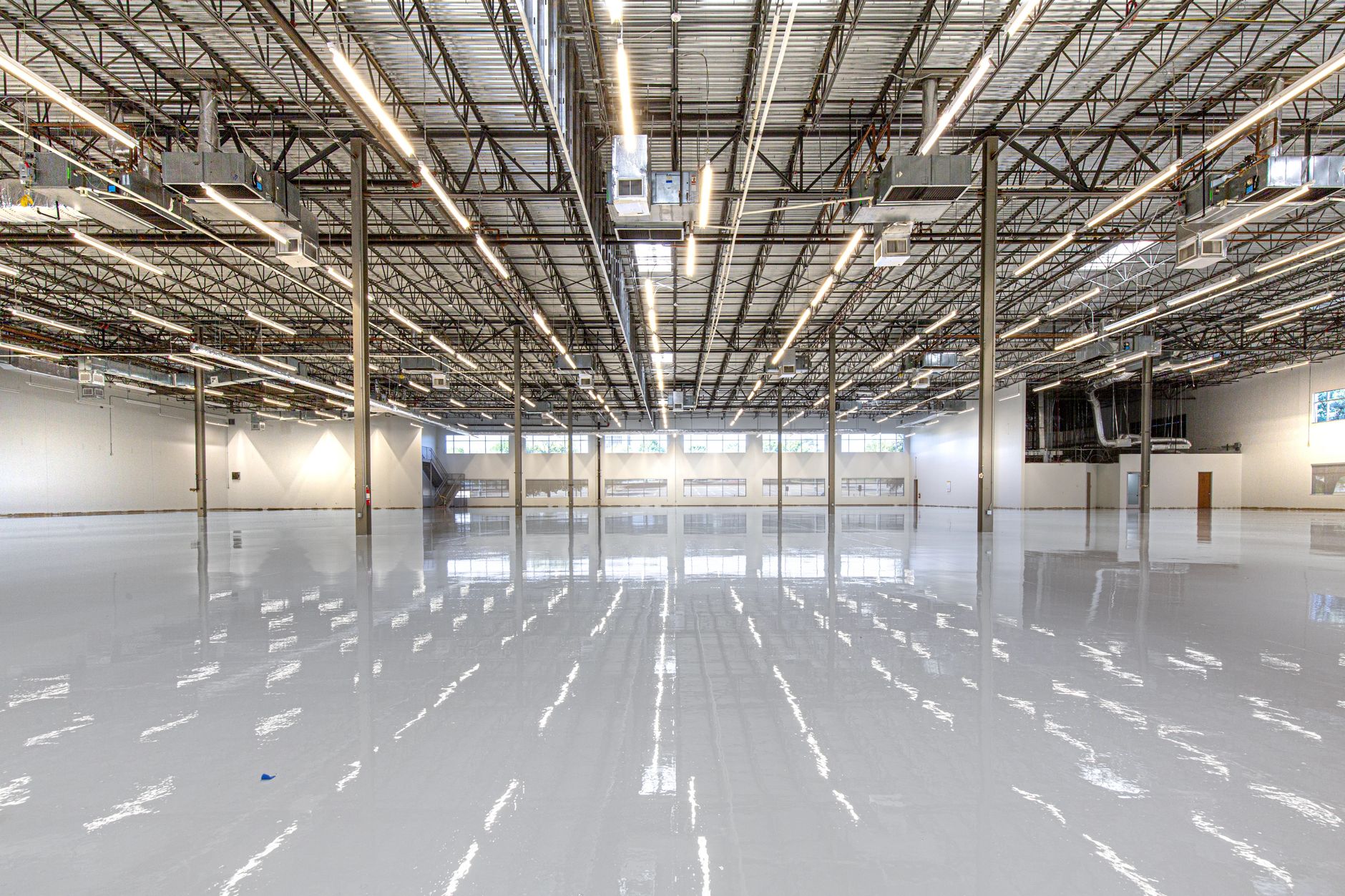
Yes, significantly. Water efficiency is a major category for LEED certification, and reducing chemical use is vital for both LEED and WELL. Robotic floor scrubbers are engineered for resource optimization. Compared to manual mopping, which often involves frequent water changes and inconsistent application of cleaning solutions, automated systems are far more conservative.
Advanced robotic scrubbers use sophisticated technologies to minimize water and detergent use. Some systems can reduce overall water and detergent consumption by up to 90 percent compared to traditional methods by filtering and reusing water during the cleaning cycle. Even without recycling systems, the precise, computer-controlled dispensing of solution ensures no more is used than is absolutely necessary for the floor type and soil level. This directly translates into lower operating costs and a smaller environmental footprint, helping facilities earn points toward green building certifications.
How Does Robotic Cleaning Data Support Compliance Reporting?
A core requirement for maintaining both LEED and WELL certifications is meticulous documentation. Facility managers must provide evidence of adherence to their established green cleaning policies, including schedules, procedures, and product usage logs. This is where the data-driven nature of robotic cleaning becomes a powerful compliance tool.
Modern robotic cleaning fleets are connected to cloud-based management platforms that track every aspect of their operation. These platforms generate detailed reports that can include:
This verifiable data provides concrete proof of service. Instead of relying on manual logs and spot-checks, a facility manager can present detailed, time-stamped reports to auditors, demonstrating consistent adherence to the cleaning protocols required by LEED and WELL. This solves the proof problem, replacing assumptions with a digital record of machine activity.
- Which specific areas were cleaned.
- The exact time and date of each cleaning run.
- The total square footage covered.
- The duration of the cleaning task.
- Data on water and solution consumption.
- Machine health and maintenance alerts.
What Is the Role of an Integrator in a Certified Building?
Achieving and maintaining certifications like LEED and WELL requires consistency. A cleaning robot that is poorly matched to the floor type, improperly configured, or frequently out of service undermines the entire program. This is where a vendor-neutral, full-service integrator like Service Robot Co. becomes essential.
Because we are OEM-neutral, our process begins by analyzing your facility's specific floor types, traffic patterns, and certification goals. We then select the right autonomous floor scrubber or fleet from across multiple manufacturers, ensuring the chosen technology has the features-like HEPA filtration or advanced water-saving capabilities-to meet your sustainability targets. A direct purchase from a single manufacturer can limit your options, potentially leaving you with a machine that is not the best fit for your compliance needs.
Service Robot Co. manages the entire lifecycle beyond just selection. We handle the financing, expert deployment, and site integration to ensure the robots operate flawlessly within your environment. Crucially, our nationwide network of engineers provides ongoing maintenance and on-site service. This commitment to uptime is vital; consistent, nightly cleaning is key to IEQ and compliance, and a down machine can create gaps in your documented cleaning logs. With one partner and one number to call, you ensure your robotic cleaning program reliably supports your building's prestigious certification, day in and day out.
Does Robotic Cleaning Go Beyond Floors?
While autonomous floor scrubbers are the most common application, the principles of automated, data-backed cleaning extend to other areas relevant to building health and sustainability. For instance, UV disinfection robots can play a role in WELL's advanced cleaning protocols. These robots use ultraviolet light to neutralize pathogens on surfaces, offering a chemical-free method of sanitization that can be documented and verified through usage reports.
As technology advances, robotic systems for windows and other surfaces will continue to integrate into the ecosystem of smart, sustainable building maintenance. The core benefits remain the same: greater efficiency, reduced resource consumption, improved worker safety, and the ability to provide data that proves compliance with the world's leading building standards.