Key takeaways
- Predefine alarm behavior before go live, not during the first evacuation.
- Robots must yield egress and never ride passenger elevators on alarm.
- Building fire panels and robot fleets need a tested integration path.
- Recovery after all-clear requires a checklist, not an automatic resume.
What should robots do when an alarm sounds?
When a fire alarm or evacuation signal activates, every mobile robot needs a written default: stop, hold, retreat, or continue only on an approved exception list. Guessing during a real alarm blocks exits and erodes fire marshal trust.
Life safety rules override productivity metrics. A scrubber mid-aisle or a delivery robot in a corridor becomes an obstacle if it keeps cleaning while people move toward stairs.
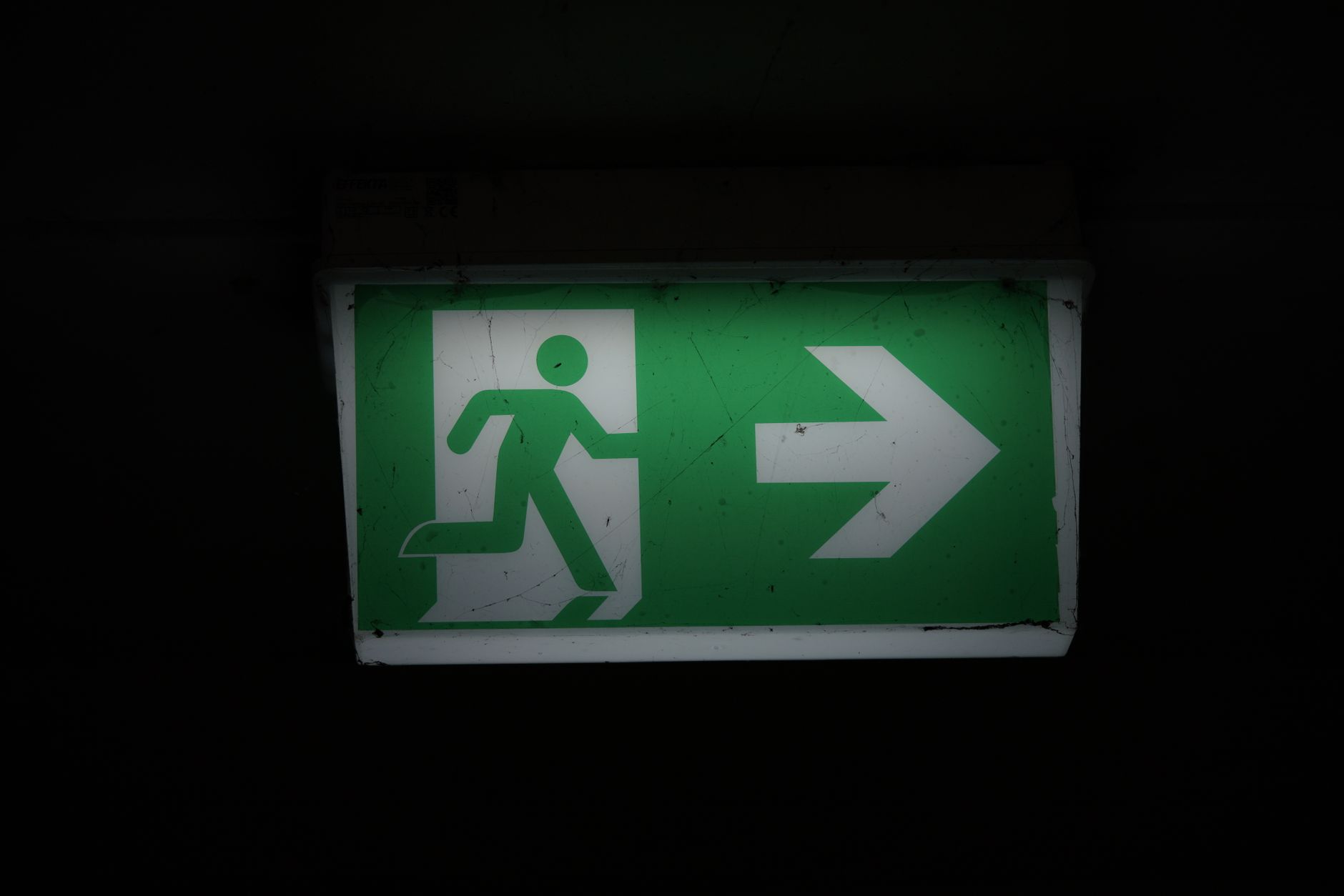
The National Fire Protection Association life safety code requires occupant egress paths to remain available during emergencies. Robot programs should be reviewed with your local authority having jurisdiction before production traffic mixes with public evacuations.
Where should safe-stop zones be?
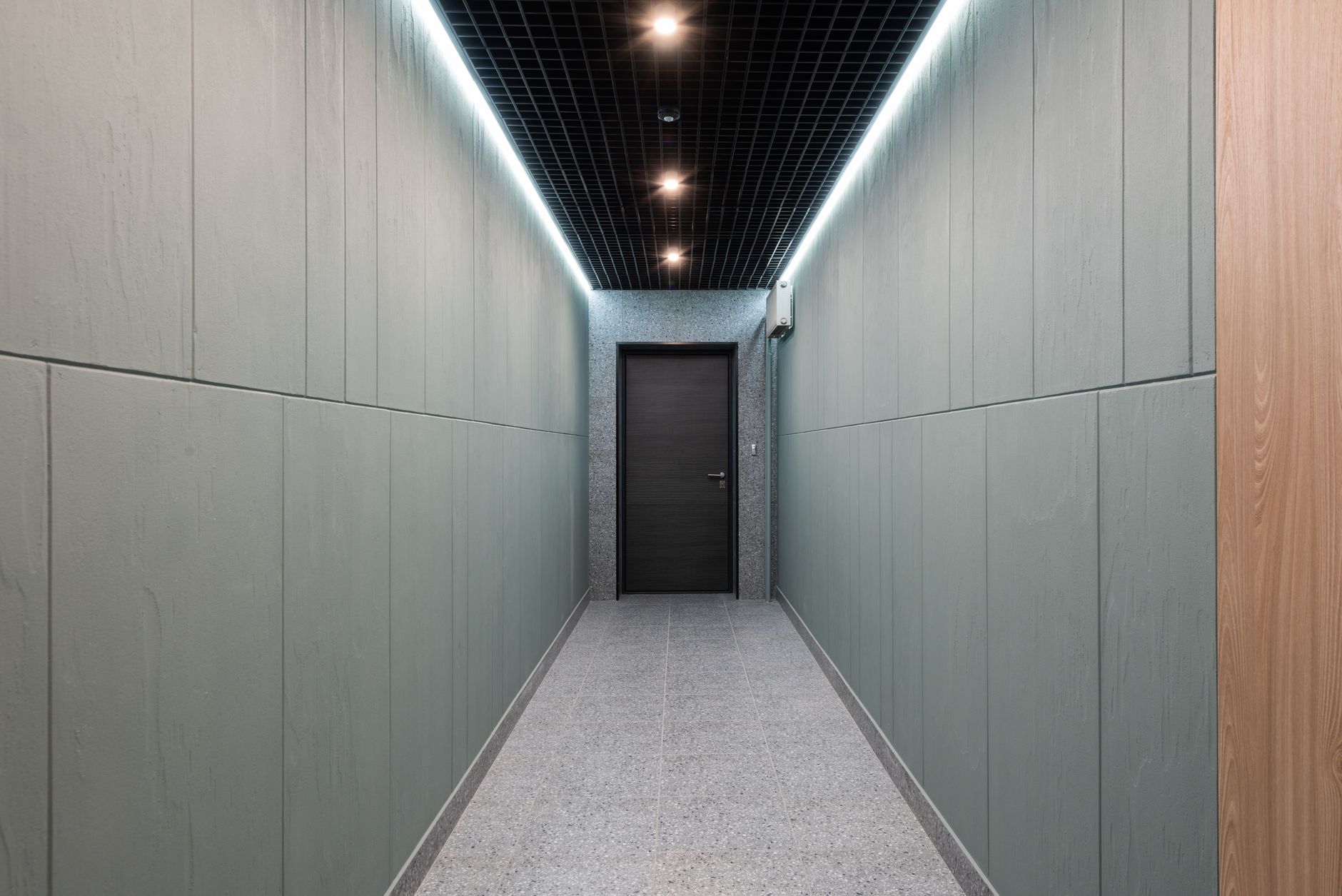
Safe-stop zones are pre-mapped parking areas outside egress lanes, not wherever the robot happens to be when the horn sounds. Mark them on the same drawing set your fire plan uses.
Prefer stops in alcoves, equipment rooms, or charging bays that sit off the exit access path. Wide lobbies need geofences that keep units away from door lines.
Test stops during a drill with staff walking the route. If a stopped robot still reduces the clear width below code, move the zone before the next shift.
How do elevator restrictions change robot plans?
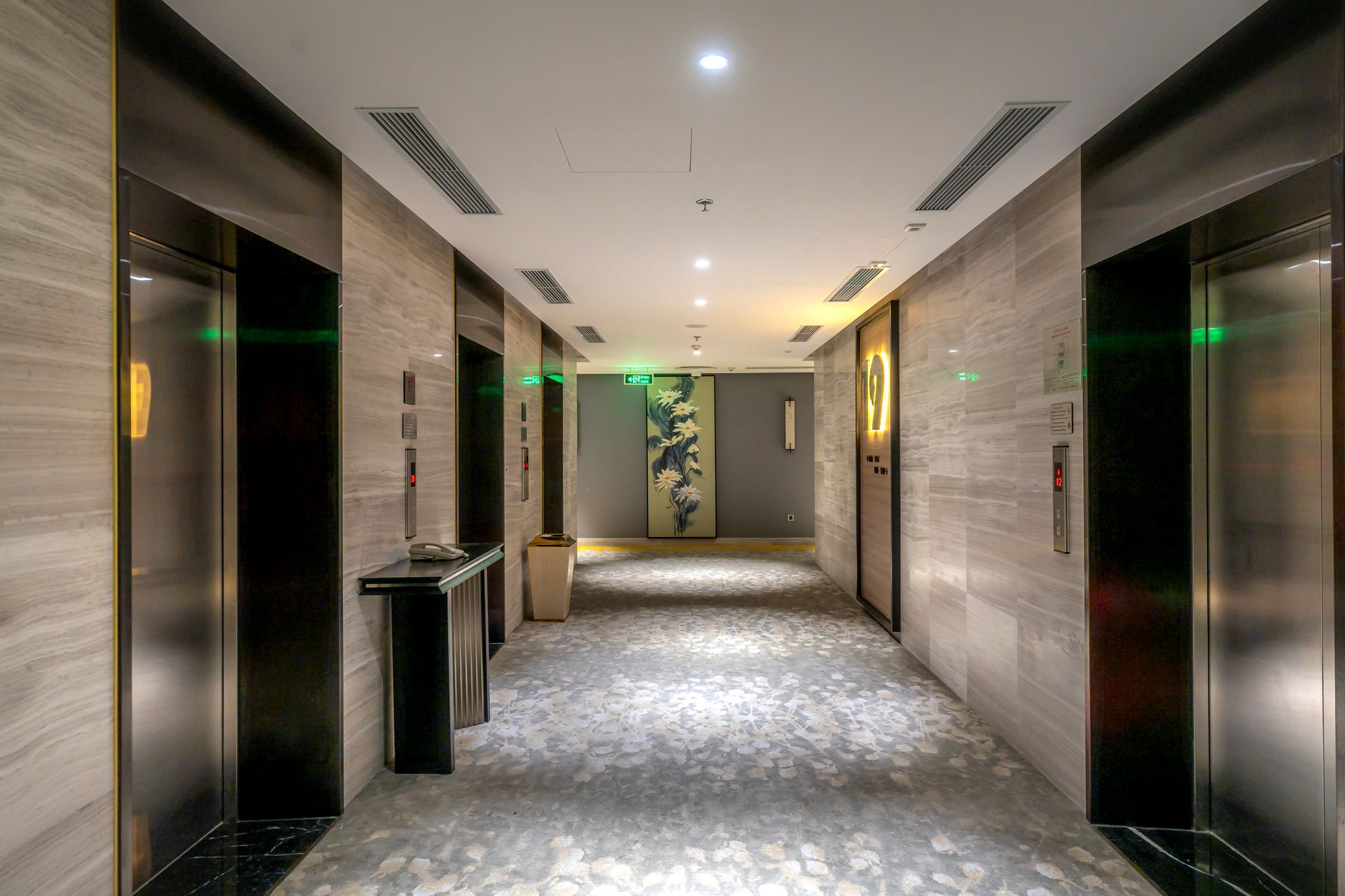
Passenger elevators must not be used for robot travel or human evacuation during a fire alarm in most high-rise protocols. Robots waiting inside a car when recall activates can trap hardware until service returns.
If your fleet uses elevators daily, program automatic recall behavior and floor exit on alarm. Document who retrieves a unit from a lobby if doors stay shut.
Stair-adjacent handoff points beat elevator-dependent routes for alarm resilience. Multi-floor delivery pilots should prove ground-floor fallback before you depend on upper floors.
Which missions should cancel immediately?
Cancel cleaning, delivery, patrol, and transport missions on alarm unless fire leadership explicitly exempts a life-safety task. Partial completion flags should not restart scrubbing mid-evacuation.
Queue depth matters for recovery. Log canceled jobs with timestamps so operators know what to reschedule after all-clear instead of blindly resuming a stale route.
Security patrol robots may need a different tier if they carry cameras for post-incident review, but they still must not block exits. Define that tier in writing with security and fire wardens.
How should robots tie into building systems?
Integrate alarm input from the fire panel or certified gateway so robots react to the same signal occupants hear. Polling a help desk ticket is too slow.
Map signal types: general alarm, drill, trouble, and supervisory. Robots should treat confirmed evacuation signals differently from a single-device fault when your jurisdiction allows.
Record integration tests with the integrator and fire vendor present. A passed site acceptance test for cleaning is not a passed life safety integration test.
What manual overrides must operators have?
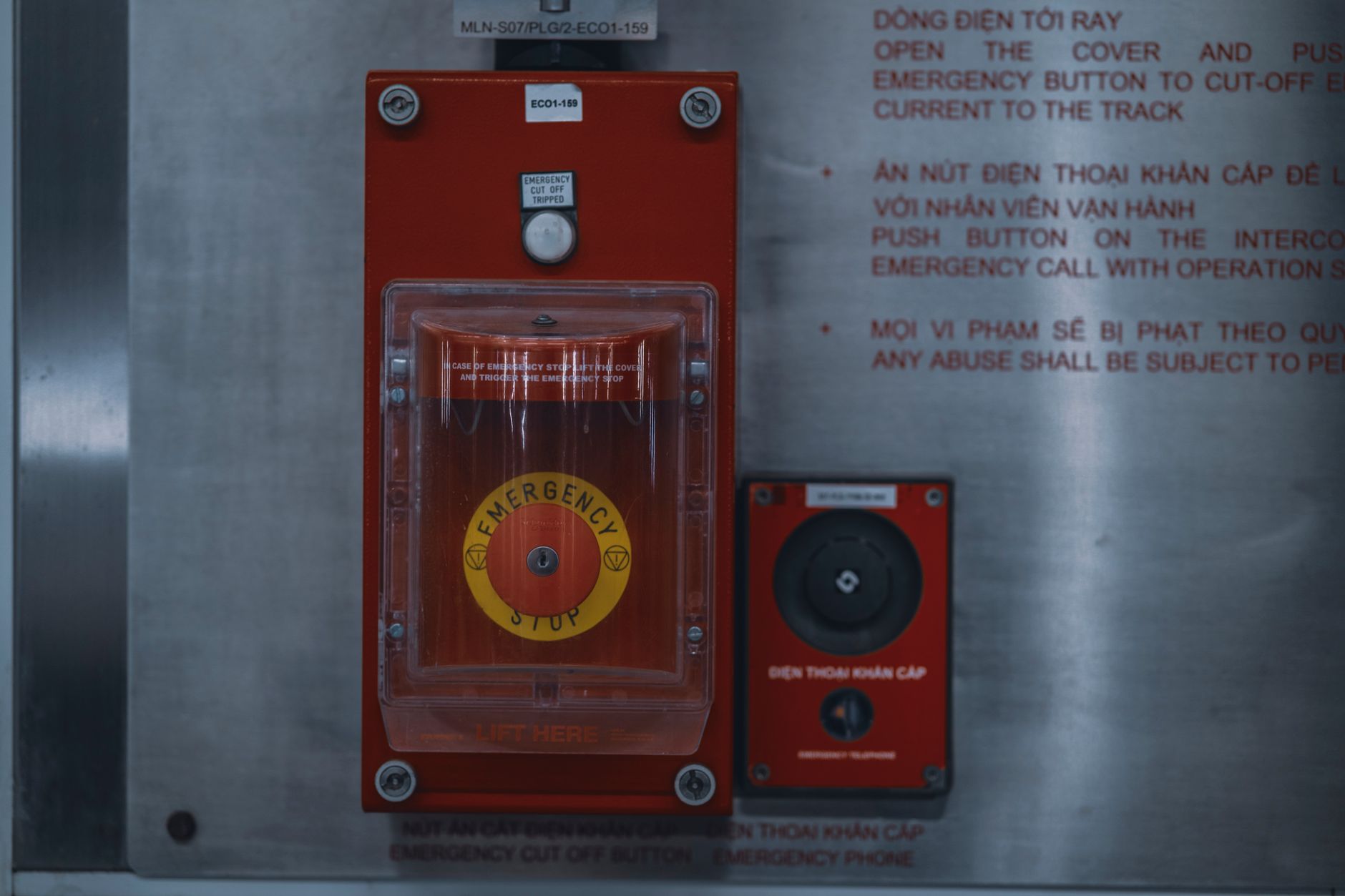
Every fleet needs a big-red-stop equivalent on the operator console and a physical e-stop path where codes require it. Phone apps alone fail when networks saturate during evacuations.
Train floor wardens on how to halt or move a robot that drifted into an exit lane. Laminated cards beat searching a manual during smoke.
Overrides should log who acted and why for insurance and after-action reviews. Silent kills make root cause analysis impossible.
How do you recover after the all-clear?
Do not auto-resume full production when the horn stops. Walk egress paths, confirm clear widths, inspect chargers, and get written release from fire leadership where required.
Run a short functional check on each unit before reopening public floors. Batteries may have depleted while parked in hold mode.
Update routes if furniture moved during evacuation. Reset canceled missions deliberately rather than replaying overnight scrubbing on a lunch crowd.
How can Service Robot Co. help plan alarm behavior?
Service Robot Co. is a vendor-neutral integrator for US hospitals, hotels, retail, and campuses. We document alarm defaults during deployment, finance pilots, and service fleets nationwide.
Commercial robot rental lets you prove stop zones and panel integration during a scheduled drill before purchase. We coordinate with your fire vendor instead of treating alarms as a software afterthought.
The right alarm plan is boring on paper and reliable in a drill. We help you earn that reliability before go live.