Key takeaways
- Locker halls fail when cleaning runs on a day-shift schedule while dirt peaks at shift change.
- Map benches, lockers, shoe zones, and restroom doors before you draw a robot route.
- Separate dirty-side and clean-side paths so autonomous scrubbers do not cross-contaminate.
- Use timed no-go zones and human escalation rules when personal items block aisles.
- One integrator can lease, deploy, train, and service scrubbers across multiple sites.
Why locker corridors need their own cleaning plan
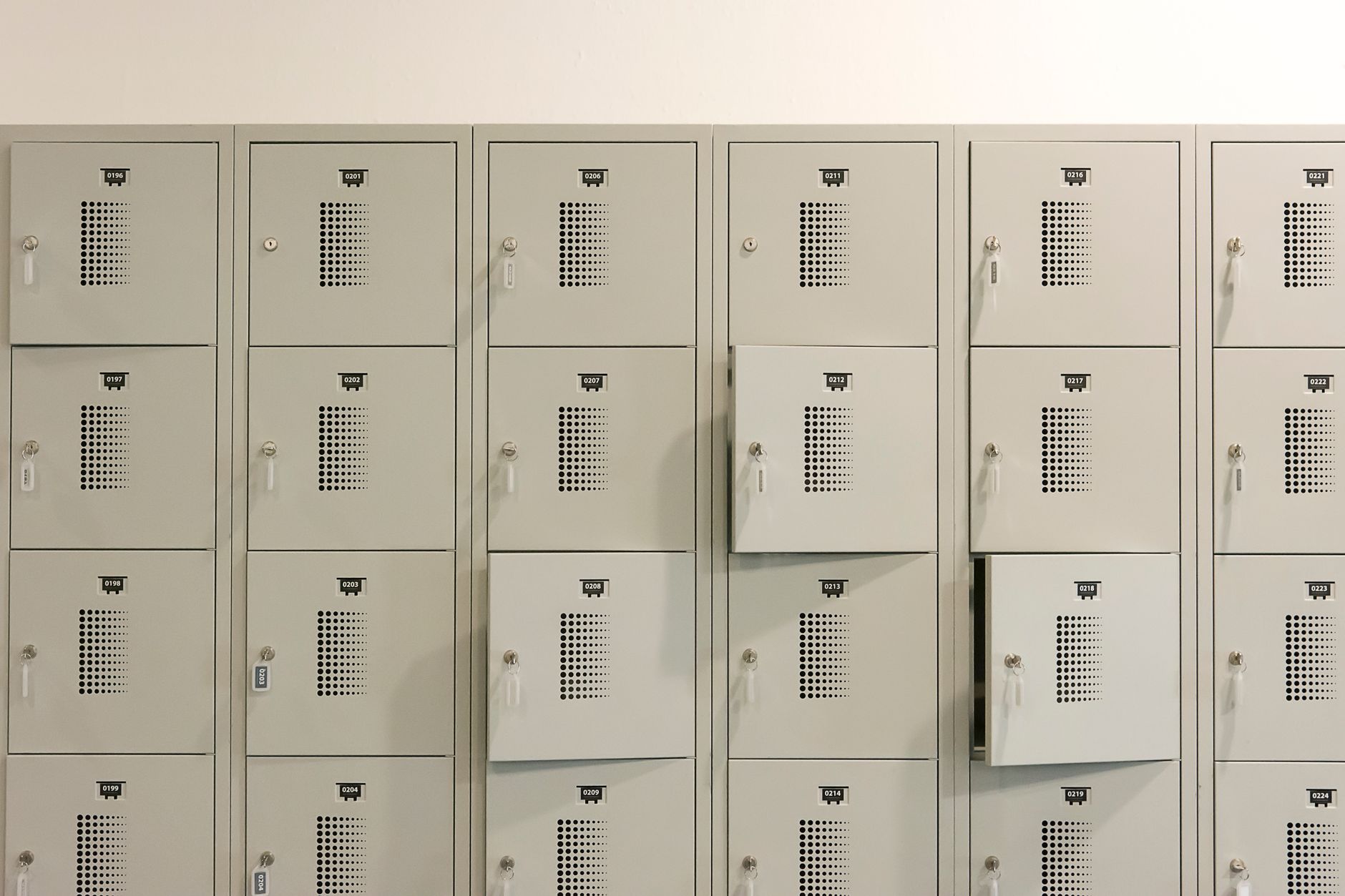
Employee locker halls sit between the production floor and the rest of the building, which makes them easy to overlook until shift change hits. Workers track grit from the floor, moisture from boots, and lint from uniforms through the same narrow aisles twice a day. Benches, open lockers, and personal bags shrink the usable aisle width just when traffic is highest.
Automating cleaning here means treating the locker zone as its own micro-facility, not an afterthought on a warehouse scrubber route. You are planning for peaks, obstructions, and hygiene boundaries that a open bay rarely faces. Done well, an autonomous scrubber runs when the hall is empty and returns floors to a consistent baseline before the next crew arrives.
According to OSHA's sanitation standard at 29 CFR 1910.141, permanent workplaces must maintain clean and orderly conditions, with housekeeping that keeps floors dry where workers walk. Locker halls are personal service areas under that rule set, so they deserve the same deliberate upkeep as production aisles.
What makes locker halls different from warehouse aisles
Width changes every few feet. Locker doors swing into the aisle. Benches sit offset so two people can tie boots at once. Shoe racks and drip mats concentrate moisture at the entry from the plant side. Restroom doors add another pinch point where people queue between shifts.
Shift-change peaks compress ten minutes of heavy foot traffic into a corridor that might see only a trickle an hour later. A static nightly schedule misses that pattern unless you align scrubbing with when the hall is actually empty. Many plants find a window right after the outgoing shift clears and before the incoming shift stores gear.
Contamination control matters when change rooms are required. OSHA interpretation of 29 CFR 1910.141(e) ties separate storage for street clothes and protective clothing to jobs with toxic contamination risk. Even where a full change room is not mandated, many sites still split clean and dirty sides of a locker bank. Your robot plan must respect that invisible line.
Step 1: Walk the hall and mark fixed obstacles
Start with a paced walkthrough at shift change, not at noon on a quiet day. Mark locker ends, bench locations, fire extinguisher cabinets, hose reels, and any floor drains. Note where workers leave gym bags or lunch coolers on the floor even though policy says otherwise.
Measure effective aisle width with locker doors open, because that is the real constraint for an autonomous scrubber. Record which tiles are sealed concrete, painted epoxy, or rubber mat zones at entries. Mats often need to be lifted or bordered so a scrubber does not snag edges.
Photograph restroom thresholds and any step where a scrubber squeegee might leave a streak that reads as a slip hazard. According to OSHA toilet facility guidance in 29 CFR 1910.141(c), rooms must be maintained for employee use; keeping approach paths dry supports the same sanitation intent even though robots do not replace restroom cleaning contracts.
Step 2: Define dirty-side versus clean-side routes
Draw two logical zones even if they are not labeled on the wall. The plant-side entry usually carries the most grit. The restroom or office side often needs a lower-residue finish. Your autonomous scrubber should not drag plant-side slurry across a clean-side bench row.
Program separate routes or sequential legs with a dock rinse between them if your unit supports dual tanks. Where that is not available, run plant-side passes first, return to dock for dump and refill, then run clean-side passes with fresh water.
Keep human locker access clear by timing runs when lockers are empty. If a site runs three shifts, you may need two short scrub windows instead of one long one. A free site assessment from a vendor-neutral integrator can translate your shift roster into realistic run windows before you sign a monthly lease.
Step 3: Plan for shift-change obstructions

Personal items will block the aisle sometimes. Boots under benches, backpacks on hooks that swing low, and temporary laundry carts all appear without warning. Your deployment plan should state what the robot does when lidar sees a new object: stop, notify, and wait rather than push through.
Assign escalation paths. Night security, the shift lead, or a remote monitoring contact should get an alert with a photo and location pin. Define a ten-minute response target so the scrubber can resume before the next peak. Repeated obstructions at the same bench row are a layout problem, not a robot fault.
Train crews on a simple rule: if it touches the floor during shift change, it must move before the scrubber window closes. Post the robot schedule on the locker room door so people know when the hall must stay clear.
Choosing scrubber features that survive locker halls
Favor compact autonomous scrubbers with tight turning radius and side brush control near walls of lockers. Narrow decks fit alternating locker bays better than wide warehouse platforms. Look for chemical dosing suited to industrial soils but mild enough for daily use on coated concrete.
Water recovery matters at restroom boundaries. A strong squeegee and vacuum pickup reduces streaks where workers pivot in socks or booties. If your hall mixes mat wells and hard tile, confirm the unit can transition without leaving a wet lip at the mat edge.
Connectivity for route edits lets you shorten a leg when a temporary construction wall appears. You want map updates without flying a technician cross-country for every tweak. Service Robot Co. bundles deployment mapping with nationwide service so route edits and repair share one contact.
Restroom boundaries without crossing roles
Autonomous scrubbers should clean the approach and the hall outside restroom doors, not replace inside restroom programs. Mop crews or restroom specialists still own fixtures and stalls. The robot owns the shared corridor where foot traffic mixes.
Mark a stop line a few feet before each restroom entrance if splashes inside create a hazard at the threshold. Some sites run a manual spot mop at the door daily and let the robot handle the long straightaways. That split keeps accountability clear for audits.
When OSHA-linked change rooms apply, treat the path from production to lockers to showers as a sequence. The robot supports floor hygiene on that path; it does not store PPE or manage laundry. Keep those tasks in human procedures so the automation story stays credible.
Pilot, measure, then scale across sites
Run a four-week pilot on one hall with a defined success metric: dry-floor checks after each run, slip reports, and janitorial spot hours saved. Capture before and after photos at the same locker rows so leadership sees a visual delta.
Log blocked-route events separately from mechanical faults. High block counts mean layout or behavior fixes. High fault counts mean service or machine sizing fixes. According to OSHA's general housekeeping clause in 29 CFR 1910.141(a)(3), places of employment shall be kept clean to the extent feasible; your pilot data shows whether automation closes a gap or only shifts work.
After the pilot, clone routes to similar halls in other plants with the same locker vendor layout. Finance the fleet through lease or robot-as-a-service monthly programs if capital is tight. One integrator can standardize docks, training decks, and spare parts so each new hall launches faster than the last.
Where Service Robot Co. fits
Locker hall projects touch finance, mapping, chemical selection, and night-shift training. Service Robot Co. acts as one OEM-neutral partner across those steps instead of splitting vendors by machine type.
We match scrubber size to measured aisle width, set escalation rules with your safety team, and keep maintenance on a nationwide network of regional service engineers. That matters when a stalled scrubber would otherwise leave a hall dirty before the next shift wave.