Key takeaways
- A control group is the manual baseline you trust, not the week you hope was average.
- Match building zone, shift, season, and traffic before you compare robot hours to human hours.
- Track quality and exceptions alongside speed, or you will scale the wrong metric.
- Labor allocation must stay honest: do not pull people off the control side to make the pilot look good.
- Sample long enough to hit your busy season and one bad weather week.
Why does a robot pilot need a control group at all?
A pilot without a control group is a story, not evidence. Leadership hears that the robot saved time, but no one can say compared to what on the same floor, same shift, and same season. A credible control group is the manual operation you would have run if the robot never arrived.
Measurement design matters as much as hardware. Industrial teams have compared automated lines to manual cells for years using matched periods and clear KPIs. Service robot pilots need the same discipline when the work is scrubbing, delivering trays, or moving totes.
If you skip the control, you risk funding fleet scale on a quiet week that would have been easy for a mop bucket anyway.
What should you match between pilot and control areas?
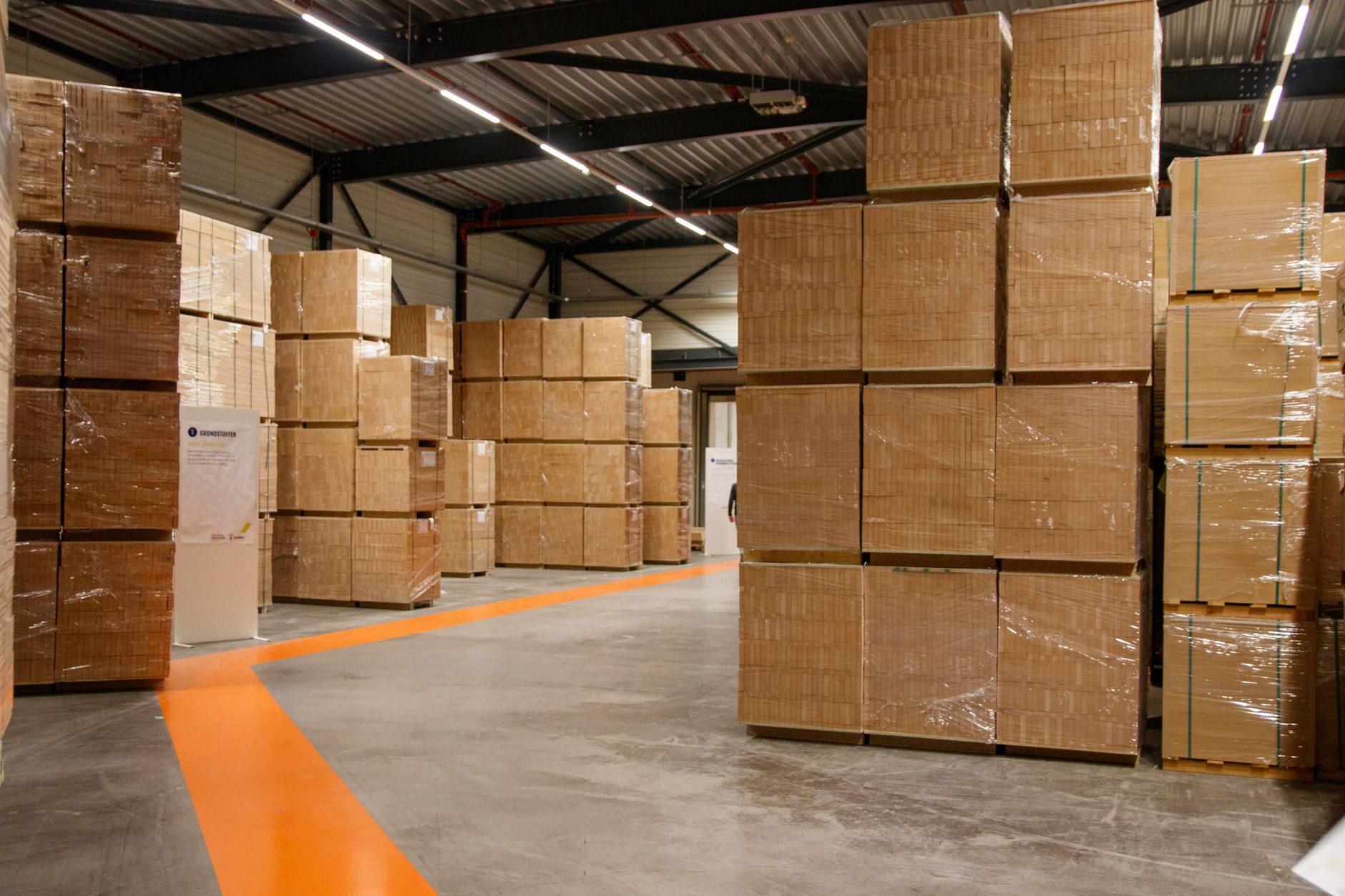
Start with physical similarity. Same floor type, similar square footage, comparable door counts, and comparable clutter. A polished showroom aisle is not a fair control for a stockroom with pallet wrap scraps.
Match shift and occupancy. Night scrubbing pilots need a night control route with similar debris load. Lunch delivery loops need the same meal rush timing.
Match seasonal load. Retail pilots that start in January miss summer humidity and holiday traffic. Agriculture adjacent sites need harvest weeks in the sample window.
- Floor material and slope.
- Average foot or forklift traffic per hour.
- Spill and debris type.
- Lighting level for night work.
- Distance between start, work, and charger.

How do you pick control shifts without skewing labor?
Name the control shift before anyone touches schedules. If the robot runs graveyard, the control route runs graveyard with the same headcount you would normally schedule, not a skeleton crew pulled to help the pilot.
Rotation can reduce bias. Some teams alternate weeks: robot on east wing, manual west, then swap. That exposes layout quirks that favor one side.
Document who does what on both sides. Escorts, spotters, and manual touch ups belong in the labor tally for the robot arm as well as the mop arm.
Which quality metrics belong beside productivity?

Area per hour is useless if the floor stays wet or if delivery trays arrive cold. Pair throughput with outcome checks your operation already trusts.
Cleaning pilots often add slip resistance checks, visual audit scores, or ATP swabs where sanitation rules apply. Delivery pilots track mis routes, door hold time, and handoff errors. AMR pilots track damaged loads and missed handshake scans.
Record exceptions explicitly. A robot that stops for every pallet skew may show low productivity but high safety. That is a finding, not a failure, if exceptions are counted honestly.
How long should the sample run to be believable?
Short pilots catch setup pain, not operations reality. Plan enough days to include your busiest weekday, a typical weekend if you are open, and at least one disruptive event such as heavy rain at entries or a promo delivery surge.
Many teams use a minimum of two full work weeks per mode before executives see scaling slides. Add a third week if your business has strong monthly seasonality.
Stop the clock during unrelated outages. Fire alarm tests and power work belong in footnotes, not in robot uptime math.
How do you handle exceptions and human help fairly?
Define an exception taxonomy before day one: safety pause, blocked path, manual reposition, software fault, network drop, and customer intercept. Tag each stop with a code in the log.
Count human interventions on both sides. A manual team that calls a supervisor for every stuck cart should not be compared to a robot that pages maintenance silently.
When the robot needs help, record minutes of human time. That number belongs in ROI math even if the robot still beat manual throughput.
What seasonal effects break naive comparisons?
Salt and mud seasons change scrubber fill rates and pad wear. Pollen weeks change filter loading on vacuums. Holiday decor changes patrol sight lines.
Tourism and school calendars change delivery peaks. A college town pilot in August misses move in week unless you extend the sample.
Weather notes belong in the control log. Two inches of rain at the loading dock explains both slower manual mopping and more robot recovery events.

How should you report results so leadership can decide?
Show side by side tables: pilot zone versus control zone, same metrics, same units. Include labor hours, exception counts, quality scores, and customer complaints if they exist.
Call out unfair matches plainly. If the control zone had a broken auto scrubber that week, say so.
End with a decision gate: scale, extend pilot, or redesign scope. Avoid a slide that only shows hero photos.
Where does Service Robot Co. fit control group planning?
We help draft the rubric before hardware ships: matched routes, exception codes, and sign off roles. Vendor neutral selection means the control design survives even if you change robot type mid pilot.
Our nationwide network of regional service engineers supports remote triage when exceptions spike, so your logs reflect product limits rather than mystery downtime. A free site assessment can identify fair pilot and control zones before you commit monthly rental spend.