Key takeaways
- Robots fit best in turns where the work is repetitive, time-boxed, and easy to standardize across many units.
- The first wins usually come from vacant-unit floor care, corridor and lobby resets, and documented inspection walks.
- A good turn program is operational, not theatrical. Map the workflow, set handoff points, and measure turn time, reclean rates, and downtime.
- Labor pressure in multifamily is real, so the buy case often starts with coverage and consistency before it starts with headcount reduction.
- A full-service, vendor-neutral integrator matters when a property group needs financing, deployment, training, and service under one roof.
Where do robots actually help during apartment turns?
Yes, they can help, but only in the right parts of the turn. The best robot program for a property turns team targets repeatable work with a clear finish line: scrubbing hard floors in vacant units, resetting corridors and amenity spaces after make-ready traffic, and capturing consistent inspection walks before a unit goes back online.
That matters because turns are deadline-driven. A unit is not earning until it is back in service, and the surrounding common areas often take a beating while painters, cleaners, maintenance techs, and movers cycle through the building. According to the U.S. Census Bureau, the national rental vacancy rate was 7.3 percent in the second quarter of 2026. That does not mean every unit is sitting empty, but it does mean operators are still managing real vacancy exposure while new supply and leasing softness keep pressure on turn speed.
The point is not to replace every task in the punch list. It is to automate the loops that are repetitive, easy to schedule, and annoying to staff manually at scale. In practice, that usually means a commercial cleaning robot rental or robot leasing for business tied to floor care first, then inspection robot rental workflows second if the portfolio has enough monthly turn volume to justify standardization.
Why is the turn workflow such a good fit for automation?
Turns are messy, but they are not random. Every unit follows a version of the same sequence: move-out inspection, trash-out, maintenance, paint, cleaning, final walk, and release. That predictability is exactly what robots need. They do best when the route, surface type, and success criteria are defined ahead of time.
The labor backdrop also favors automation. The National Apartment Association reported 56,716 unique apartment-industry job postings in Q2 2026, up 13.7 percent year over year, with maintenance technician pay postings up 3.8 percent. Those are not abstract signals. They point to the same on-site strain operators feel every summer when turn calendars compress and skilled maintenance coverage gets thin.
Cleaning labor remains large but hard to stabilize. The U.S. Bureau of Labor Statistics says janitors and building cleaners had a median wage of 17.27 dollars per hour in May 2024 and about 351,300 openings per year are projected over the decade. Grounds maintenance workers had a median wage of 18.50 dollars per hour and about 171,600 openings per year. For a turns team, that means the real constraint is often dependable coverage, not just the posted wage rate.
Vacant-unit turns are usually the first place to start
Vacant units give robots their cleanest operating lane. There is less resident traffic, fewer moving obstacles, and a simple success metric: the floor is clean and the unit is ready for the next step. On hard-surface-heavy assets, an autonomous scrubber or robot floor cleaner rental can handle the repetitive square footage while the human crew focuses on detail cleaning, fixtures, cabinets, glass, and repairs.
This is where operators should be strict about scope. A robot is not the whole make-ready crew. It is one station in the line. It should enter after debris removal and major repair dust are handled, and before the final detail pass. That sequencing prevents the familiar failure mode where a robot gets blamed for a dirty unit that was never actually ready for robotic floor care.
The strongest early candidates are garden-style portfolios with repeated unit plans, mid-rise assets with long hard-floor corridors feeding turns, and contractor-led turn programs handling dozens of units per month. In those settings, overnight cleaning no operator coverage starts to matter because the machine can work while supervisors queue the next unit batch for the morning.
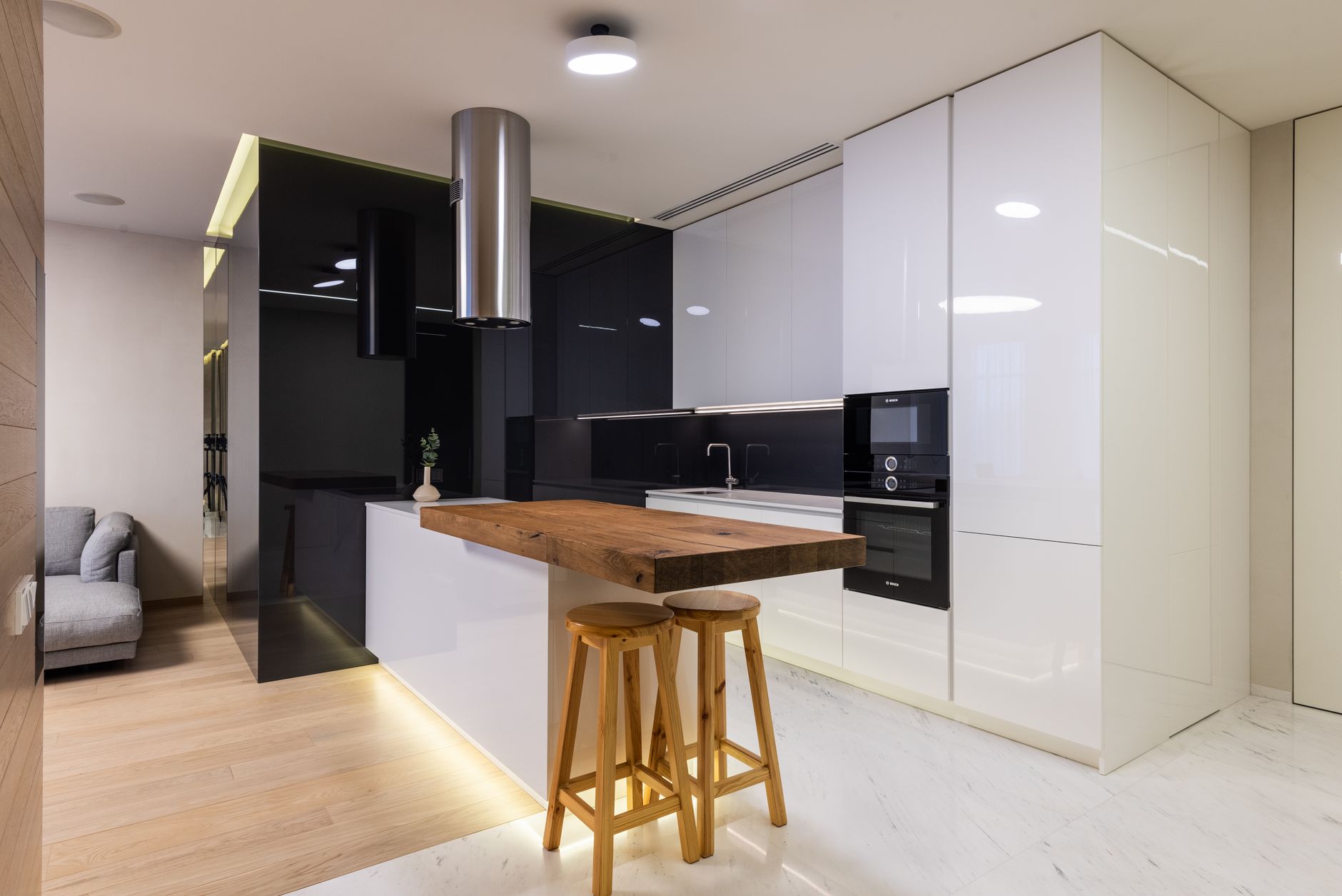
Common-area resets may pay back faster than the unit itself
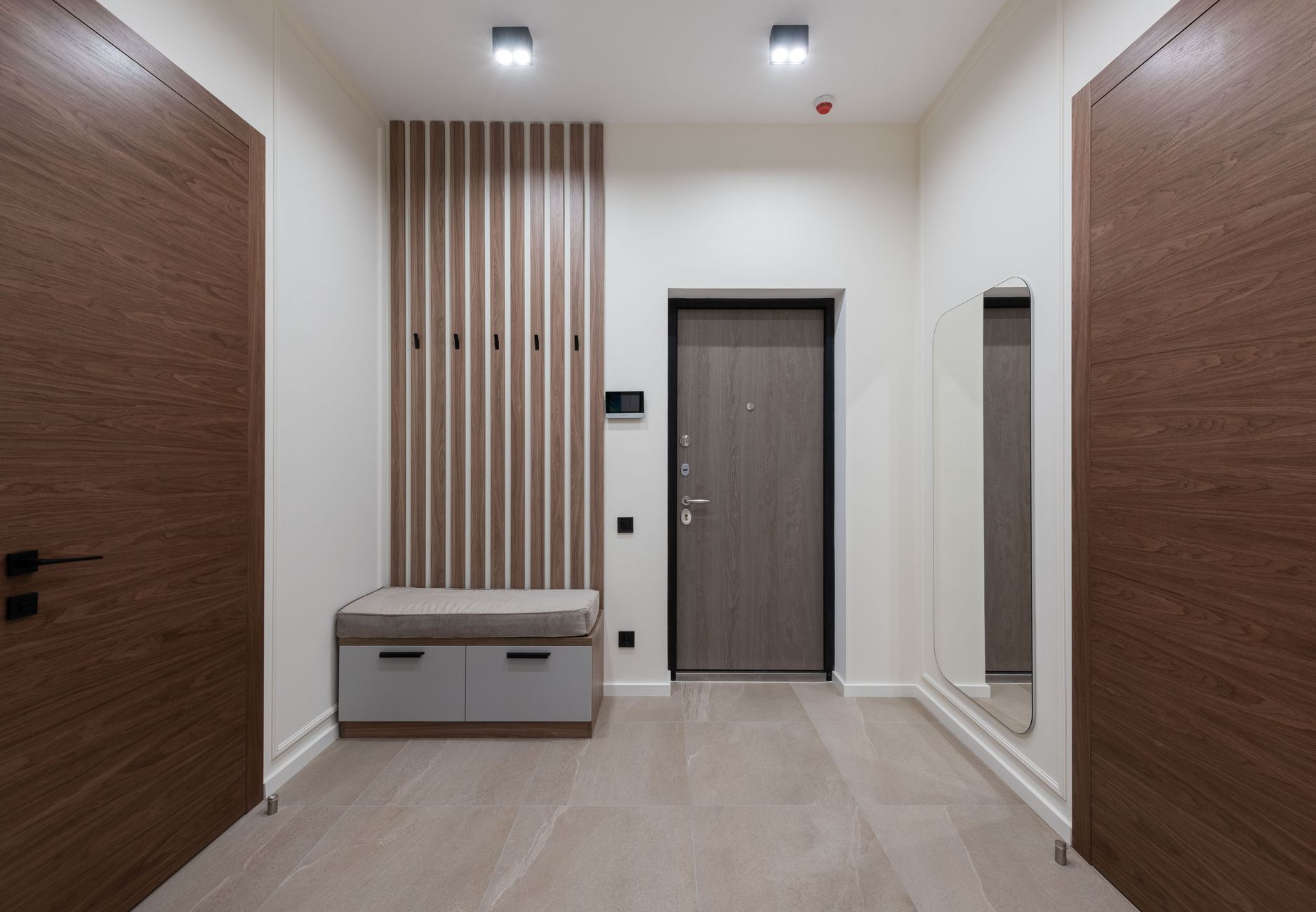
Many operators assume the unit is the whole story. It is not. Turn season drags carts, debris, paint dust, shoe traffic, and trash through hallways, elevators, lobbies, mail rooms, and clubhouses. Those spaces affect leasing tours and resident perception immediately, and they often get cleaned reactively because the staff is buried in unit work.
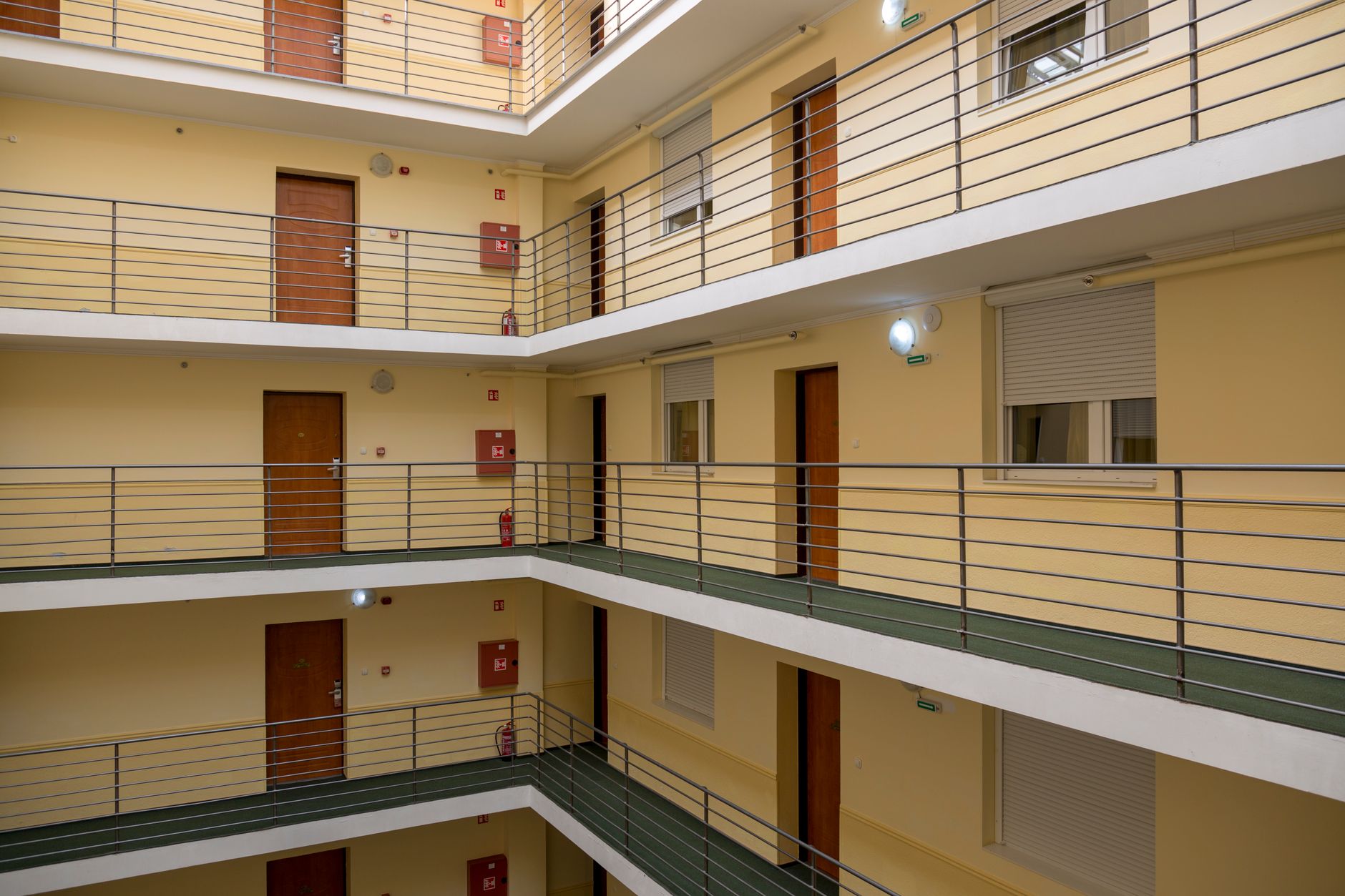
A robot program can stabilize that layer fast. A floor scrubbing robot or autonomous vacuum robot rental can run corridors and shared areas on a fixed overnight schedule, then re-run problem zones after contractor traffic peaks. The value is not glamorous. It is operational. The building looks reset every morning without pulling a tech or porter off a unit turn.
This is also one of the clearest places for a service robot rental or robot as a service monthly subscription. Common-area cleaning is portfolio-wide, recurring, and easy to benchmark. Managers can compare before and after using reclean tickets, leasing-tour readiness, and the number of staff hours pulled away from unit completion to handle hallways and lobby complaints.
- Corridors after paint and flooring traffic
- Elevator lobbies during heavy turn weeks
- Clubhouses and leasing paths before tours
- Mail rooms and package corridors with constant foot traffic
- Back-of-house routes used by vendors and trash crews
Inspection walks need consistency more than speed
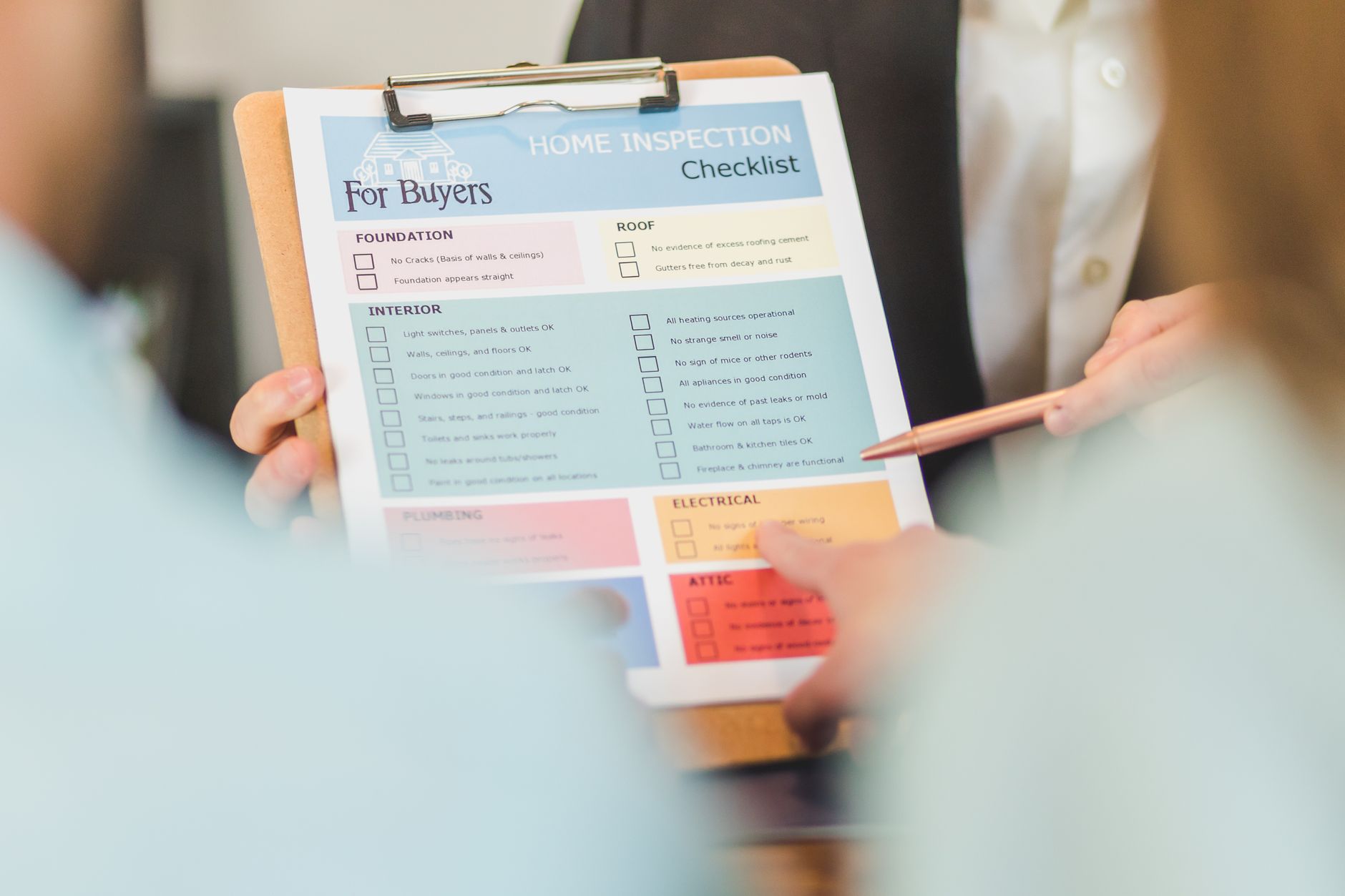
Inspection is the other strong use case, but the goal is different. Here the win is not raw speed. It is repeatable documentation. A robot-assisted inspection walk can capture the same route, the same checkpoints, and the same timestamped record across dozens of units or common spaces. That helps operators catch misses before a final signoff becomes a delayed handback.
Think in terms of standard work. The turns supervisor should define the route, the photo or video checkpoints, and the exception path when something fails. Then the robot supports the walk instead of freelancing through it. On large properties or student housing assets with stacked turn volume, this can reduce the variability that creeps in when three different inspectors each have a slightly different idea of what complete looks like.
The same logic applies to amenity and common-area resets. A documented walk after the cleaning run gives the manager proof that the building was set, not just a verbal assurance from the night crew. For contractor-heavy programs, that paper trail matters.
What should stay human-led?
A lot. Robots are poor substitutes for judgment-heavy work. Unit-specific punch decisions, resident-damage assessment, plumbing or electrical diagnosis, ladder work, stain treatment, trash-outs, and detail finishing still belong to people. The best programs get stronger when they admit that early.
They also stay human-led anywhere the environment changes too much from turn to turn. Deeply cluttered units, soft flooring mixed with debris, unfinished construction zones, or buildings with unreliable Wi-Fi and bad elevator workflows can turn a promising pilot into a maintenance headache. In those cases, the better choice may be a narrower robot pilot program or no robot at all yet.
That honesty is useful. Service Robot Co. is OEM-neutral, so the right answer is not to force one machine onto every asset. The better move is to pick the robot that fits your floor, your turn cadence, and your building rules, then back it with deployment, training, and service so the operations team is not left babysitting hardware.
How do you build the program without disrupting live operations?
Start with one workflow, one property type, and one scorecard. Most teams should begin with vacant-unit floor care or common-area overnight floor care, not both at once. The first 30 to 60 days should answer four questions: did turn time improve, did recleans drop, did supervisors trust the result, and did the robot stay available when scheduled.
After that, lock the operating model. Who stages the unit. Who confirms the floor is ready. Who starts the run. Who handles exceptions. Who cleans and charges the robot. Who owns the data. If those handoffs are fuzzy, the machine will drift into no-man's-land and become another thing staff avoids.
This is where a full-service commercial robot integrator earns its keep. Service Robot Co. can finance, deploy, integrate, train, and service every unit through a nationwide U.S. engineer network, which matters when an owner-operator or turn contractor wants one vendor for the whole lifecycle. For multi-site groups, that is often cleaner than piecing together robot rental monthly terms, integration help, and repair coverage from separate parties.
- Pick one property archetype, not the whole portfolio
- Define entry and exit criteria for each robot run
- Train the on-site lead and the backup lead on the same SOP
- Track turn completion time, recleans, missed inspections, and robot downtime
- Expand only after the first site is boringly repeatable
What numbers should a property team track?
Good robot programs are measured like operations, not like demos. Start with the metrics the regional manager already cares about: average turn days, percent of units delivered on schedule, reclean rate, supervisor touch time, and common-area complaint volume during turn weeks. If those do not move, the program is decoration.
There are also a few robot-specific numbers worth watching. Scheduled run completion rate tells you whether the machine is actually dependable. Exception rate shows how often staff intervention is needed. Labor reallocation tells you if porters, cleaners, or maintenance techs got pushed toward higher-value work instead of simply absorbing another device into their shift.
For disinfecting tasks, be careful with claims. The CDC says high-touch surfaces need more frequent attention than low-touch ones, and the EPA notes that disinfectants must keep the surface visibly wet for the full labeled contact time to work. That means a robot can support repeatable surface coverage in the right setting, but your SOP still has to match the chemistry, the label, and the site policy.
What separates a pilot that scales from one that stalls?
The scalable pilot is narrow, scheduled, and boring. It uses the same building conditions, the same shift windows, and the same checklist long enough to expose the real operational friction. It does not try to prove that one robot can do everything in a turn program.
The stalled pilot usually starts with too much ambition. Mixed surfaces, unclear ownership, no service plan, and no rule for what happens when the robot stops mid-route. Then the site quietly goes back to manual work and calls the technology the problem.
If you are turning many units per month, the practical path is simple. Start where the route is repetitive, the deadline is hard, and the floor condition can be standardized. Build the SOP. Measure it like an operator. Then expand into adjacent workflows. That is how apartment turns become a real automation program instead of a gadget story.
Frequently asked questions
Sources
- U.S. Census Bureau Q2 2026 Housing Vacancies
- National Apartment Association Labor Report Q2 2026
- BLS Janitors and Building Cleaners Outlook
- BLS Grounds Maintenance Workers Outlook
- BLS 2025 Occupational Wages Release
- CDC Facility Cleaning and Disinfection Guidance
- CDC Environmental Cleaning Procedures
- EPA Selected Registered Disinfectants