Key takeaways
- Start with overnight terminal floor care, because it is repetitive, visible, and lighter on integrations than other airport robot programs.
- Treat inspections as phase two, especially for repeatable rounds that create better documentation without shifting regulatory accountability away from staff.
- Delay passenger-facing service robots until routes, staffing, and demand are stable enough to justify daily use.
- Build the business case around coverage, consistency, and redeployed labor hours, not around copying the fleet sizes of major hubs.
- A regional airport usually needs one lifecycle partner that can finance, deploy, train, and service mixed robot fleets without adding a new in-house robotics department.
What should a regional airport automate first?
A regional airport should usually build its first robot program around overnight terminal floor care, then add inspection rounds, and only later test passenger service support. That sequence fits the reality of mid-size operations. Fewer people on shift, tighter budgets, and less tolerance for downtime than the large-hub case studies make it unwise to start with the flashiest machine in the terminal.
The practical rule is simple. Automate the work that happens every day, across the same route, with the same standard, and with the least operational drama if a unit pauses for help. In most airports, that points to public-area floor scrubbing first. Next comes structured inspection work that benefits from repeatable routes and better documentation. Service support belongs later, once the airport has proved it can support autonomous equipment through charging, storage, cleaning, dispatch, and incident response.
That is the mid-size airport playbook. Do not copy the staffing model of a major hub with dedicated innovation teams and round-the-clock technicians. Build a program that one operations lead, one facilities lead, and a reliable service partner can actually run.
- Phase 1: Terminal cleaning
- Phase 2: Repeatable inspections and rounds
- Phase 3: Passenger or staff service support
Why do mid-size airports need a different robot strategy from major hubs?
The Federal Aviation Administration classifies airports by their share of total U.S. passenger boardings. Medium hubs account for at least 0.25 percent but less than 1 percent of national boardings, small hubs account for at least 0.05 percent but less than 0.25 percent, and nonhubs are primary airports above 10,000 annual boardings but below 0.05 percent. That matters because the staffing depth behind those categories is rarely symmetrical, even when compliance expectations remain serious.
The FAA also says the National Plan of Integrated Airport Systems includes about 3,300 public-use airports eligible for federal planning attention and funding pathways, not just the handful of giant facilities that dominate conference presentations. Regional airports sit inside that much broader operating base. They still manage safety, cleanliness, traveler perception, and airline expectations, but usually with leaner overnight crews and less room for experimental deployments.
In other words, the robot program has to behave like airport infrastructure, not like a demo. It should reduce repetitive labor pressure, cover more square footage with consistent output, and fit into an operations calendar that already revolves around turns, weather, custodial windows, and FAA readiness.
Why is terminal cleaning usually the first real win?
Cleaning is the strongest first use case because it is frequent, measurable, and easy to judge. A concourse floor either got covered last night or it did not. A machine either completed the route, hit its charging routine, and left a clean handoff for the morning crew, or it created rework. That clarity is useful in a first deployment.
Labor economics reinforce the point. According to the U.S. Bureau of Labor Statistics, the median hourly wage for janitors and cleaners, except maids and housekeeping cleaners, was 17.71 dollars in the May 2025 occupational wage data. Regional airports do not automate floor care because people disappear. They automate it because repetitive night work is hard to staff consistently, and the same crew can then be redirected to edge work, restrooms, spill response, glass, and day-of-operation cleanup that a machine cannot finish alone.
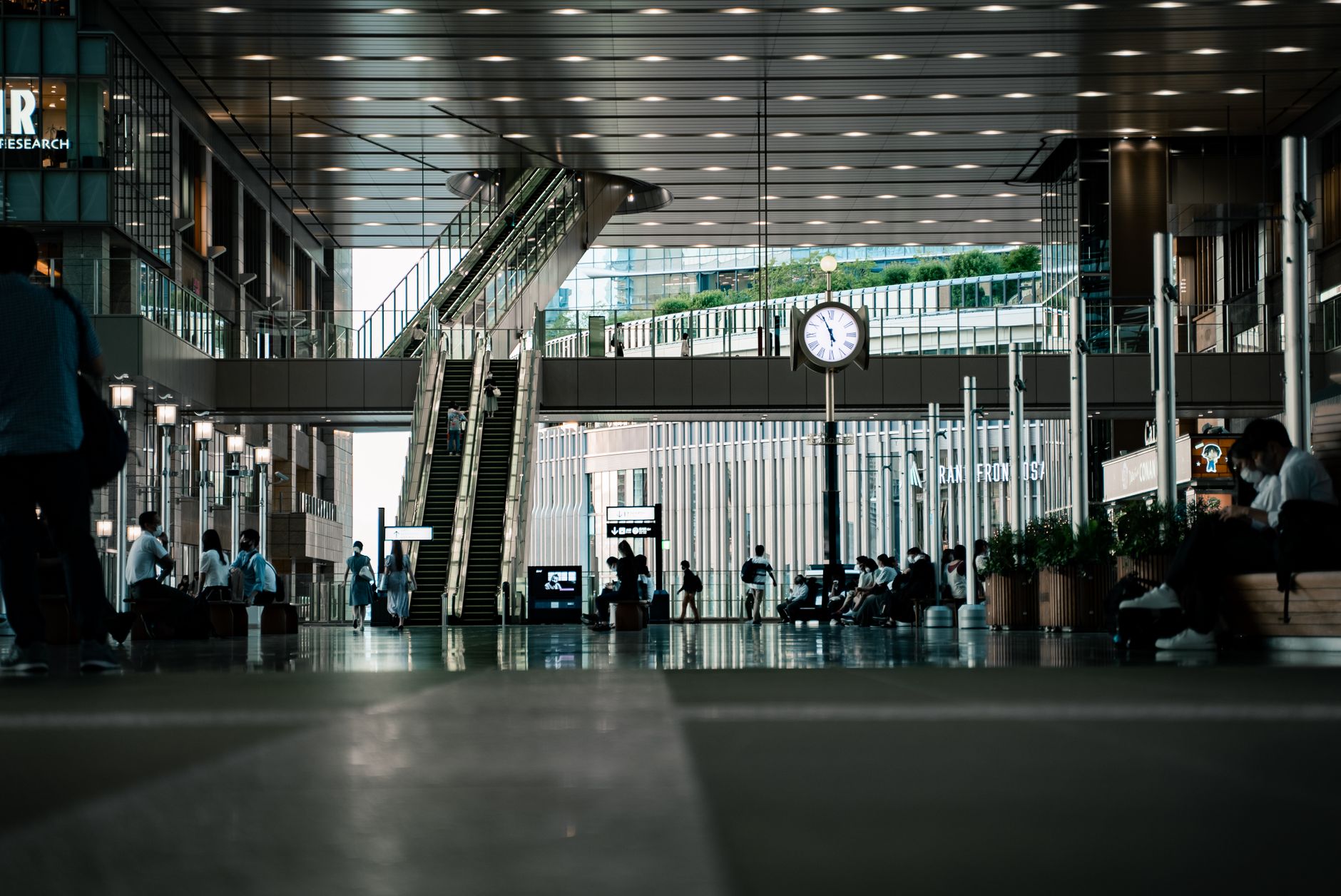
Airport cleaning also asks relatively little from the rest of the airport stack. You need route mapping, charging, storage, water service, and a clear escalation path when the robot cannot complete a pass. You usually do not need elevator integration, passenger interaction scripting, or deep operational change control on day one. That makes airport cleaning robot rental or a robot pilot program far more defensible than jumping straight into guest-facing tasks.
- Best fit areas include hold rooms, main corridors, baggage claim public space, and large landside lobbies
- Keep humans on detail work, spill response, and irregular operations
- Measure success by completed coverage, morning-ready floors, and reduced manual scrub hours

How do inspections fit without turning the airport into a science project?
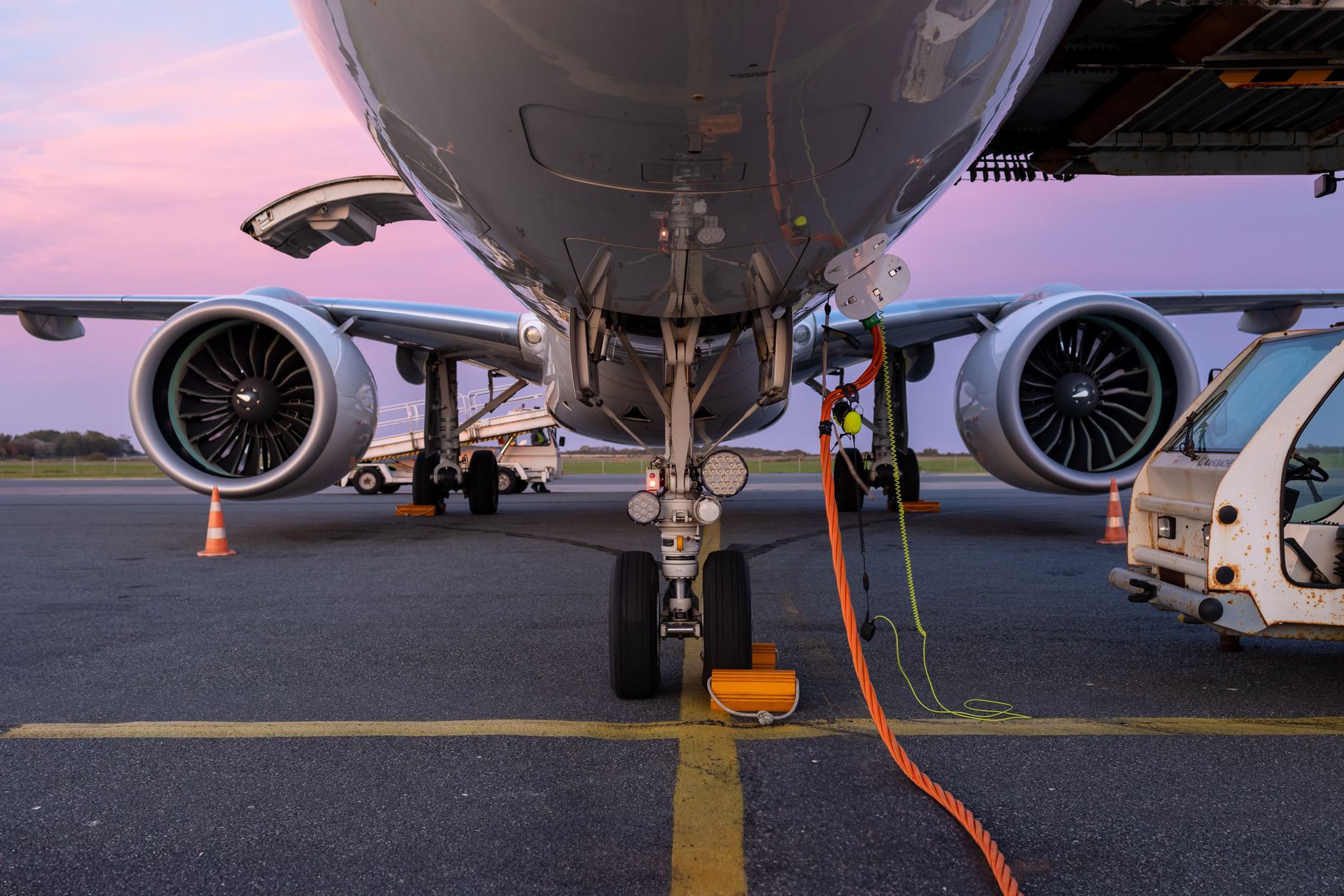
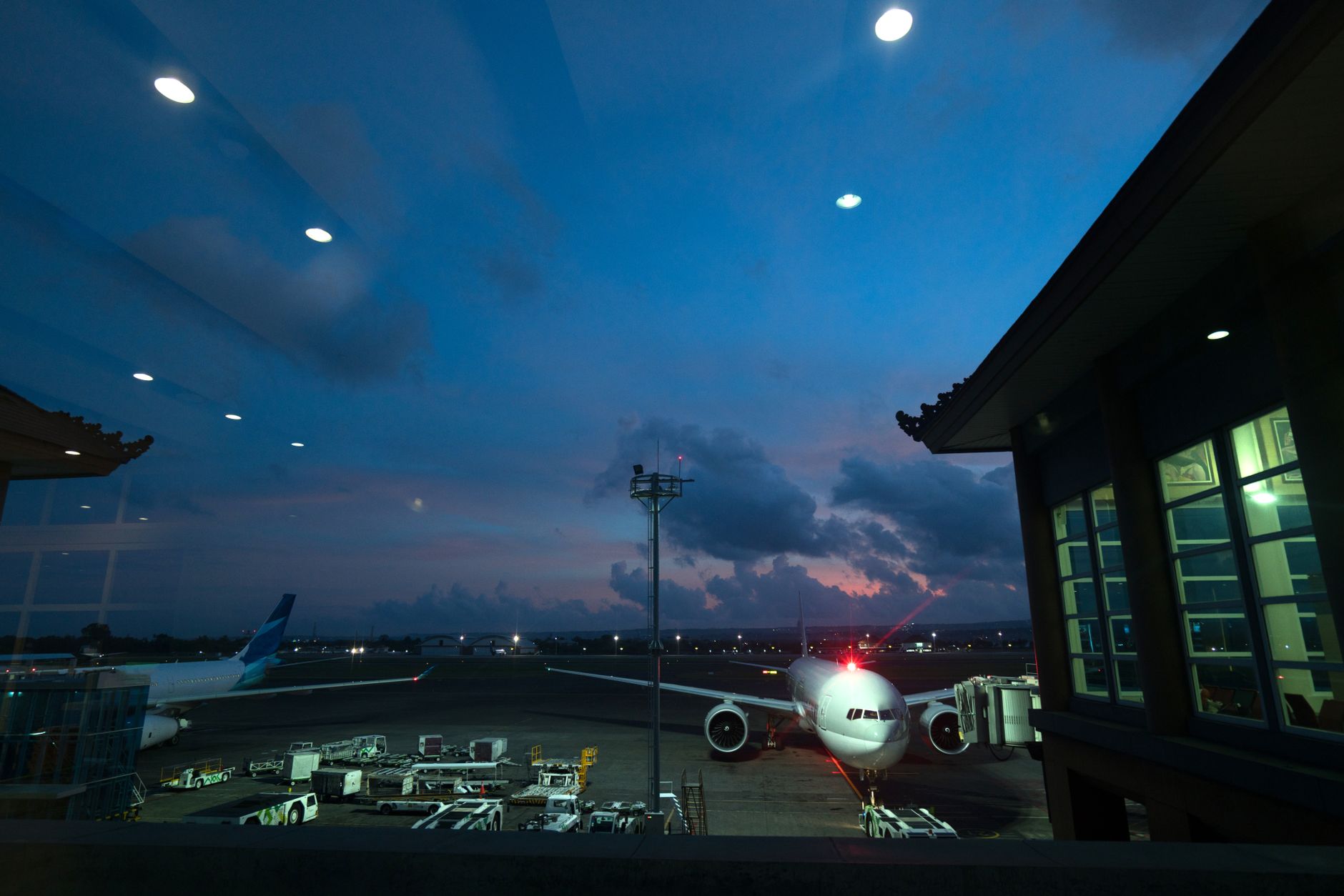
Inspection work becomes attractive after the airport has learned basic fleet discipline. FAA Part 139 remains the key backdrop for many commercial-service airports. The FAA states that Part 139 certification inspections are typically yearly and may also be unannounced, and those inspections review items such as Notices to Airmen, airfield self-inspection forms, movement areas, lighting, signage, wildlife presence, and fueling records. Robots do not replace that accountability. They can, however, make recurring rounds more consistent and better documented.
The FAA's active advisory circular AC 150/5200-18D covers airport safety self-inspection programs and even provides a sample daily checklist. That is a useful signal for regional airports. If a round already exists on paper, or in a tablet workflow, and staff repeat it the same way, part of that route may be a candidate for robotic support. Think structured terminal checks, utility corridor rounds, asset condition imaging, or after-hours documentation in areas where walking the same path every shift adds little judgment value.
Phase-two inspection work should stay narrow. Start with one route, one reporting format, and one owner. The machine gathers observations and evidence. Airport staff still decide what requires a work order, a NOTAM, a follow-up walk, or a call to operations. That division keeps the program useful without blurring responsibility.
When do passenger and staff service robots actually make sense?
Later than most airports assume. In a regional terminal, walking distances are shorter, passenger wayfinding is simpler, and the labor pain often sits more in cleaning and facilities coverage than in public-facing delivery. A service robot can still earn a place, but only when the airport has a stable use case such as repetitive staff transport inside the terminal, concession support during fixed hours, or information assistance in a layout that does not change every week.
This is where many mid-size airports overreach. They buy the visible robot first because it photographs well, then discover that utilization is thin and the support burden is not. If the machine spends much of the day parked, or it requires constant human shepherding during peak banks, the airport has built a marketing asset instead of an operating asset.
A better threshold is this. Add service support only after the airport has already proven it can keep one autonomous system charged, cleaned, monitored, and serviced with discipline. If that operating muscle is not there, another use case should come first.
What does a sensible business case look like at a regional airport?
The business case should be built around labor redeployment, coverage consistency, and service resilience. Do not begin with a headline claim about replacing entire shifts. Begin with square footage covered per night, number of repeat rounds completed, reduction in deferred cleaning, fewer missed checks, and the amount of staff time returned to work that only people can do well.
For many airports, financing structure matters almost as much as the robot itself. A monthly program, lease rental or sale choice, or robot as a service model can fit better than a large capital purchase when traffic and budget priorities move around. Service Robot Co. is useful here because the company operates as an OEM-neutral commercial robot integrator for U.S. businesses. It can match the use case to the right machine, then finance, deploy, integrate, train, and service the fleet through a nationwide engineer network instead of forcing the airport to assemble five vendors on its own.
That matters more at a regional airport than at a giant hub. A smaller operation usually needs one partner, one number, and one service standard. If a program depends on the airport becoming its own robotics department, the program is already too complicated.
What operating model keeps the program from stalling after launch?
Regional airports do not need a large robotics office. They do need named ownership. One person should own operations outcomes, one person should own facilities readiness, and at least one backup should be trained to restart, recover, and document basic incidents. Without that discipline, even a good machine turns into a stranded pilot.
The FAA notes that there were 518 certificated Part 139 airports referenced in its 2025 staffing survey notice. That is a reminder that many airports operate under serious compliance expectations without massive in-house teams. Your robot program should respect that reality. Keep the support model light, document who responds after hours, define the handoff between janitorial staff and operations, and decide in advance when a route is skipped versus manually completed.
This is another place where a full-service integrator earns its keep. Service Robot Co. can handle site assessment mapping, deployment and integration, go-live support, maintenance included programs, remote triage, on-site dispatch, and emergency replacement planning. For a mid-size airport, those lifecycle details usually determine success more than the hardware brochure does.
- Assign one airport owner and one backup before delivery
- Set route windows around actual flight banks, not around an arbitrary cleaning clock
- Define incident rules for spills, crowding, cordoned areas, and battery recovery
- Track uptime, completed routes, and manual intervention rates weekly for the first 90 days
How should a regional airport phase the first year?
Start small enough to learn, but not so small that the data are meaningless. One terminal cleaning route with clear square footage and a fixed overnight window is usually enough to establish whether the airport can support autonomy day after day. If that succeeds, add a second cleaning zone or one tightly defined inspection route. Do not open three use cases at once.
The first year should produce an operating pattern, not a trophy. By the end of that period, the airport should know where autonomy works, which handoffs still create friction, how much service support is actually required, and which future tasks deserve expansion. That evidence is far more valuable than a flashy launch with thin utilization.
Regional airports win by sequencing. Cleaning first. Inspections next. Service support later. That order respects budget, staffing, compliance, and the reality that a useful robot program is built on repeatable work, not novelty.
Frequently asked questions
Sources
- FAA Airport Categories
- FAA National Plan of Integrated Airport Systems
- FAA Part 139 Overview
- FAA Airport Safety Self-Inspection AC 150/5200-18D
- FAA Part 139 Certification Status List
- DOT Notice on ARFF Staffing Survey at 518 Part 139 Airports
- BLS 2025 Occupational Wage Table
- ACI-NA Medium Hub Airports Committee