Key takeaways
- Pattern shop AMRs should start on closed loops between storage and molding prep, not under active crane hooks.
- Fragile wood and plastic patterns need low speed, soft fixtures, and dust control before you worry about payload ratings.
- OSHA silica rules push engineering controls first, so robot routes must not stir more dust than manual carts already do.
- BLS foundry employment data shows thousands of mold and core roles, the skilled work AMRs should not pull off the bench.
- Service Robot Co. can align integrator, finance, and nationwide service on one phased pattern-shop pilot.
Where should a pattern shop pilot start?
Start where the route repeats and the load is predictable: pattern storage to a staging bay near molding or core making, or tooling returns after a job closes. A foundry pattern shop is not a warehouse. Floors are uneven, aisles narrow, and overhead cranes own the vertical space.
Autonomous mobile robots fit when they replace the third and fourth manual walk with the same pattern cart on the same shift. They do not replace layout inspection, parting-line repair, or crane lifts.
Pick one job family with stable dimensions for two weeks before you add a second loop. Mixed short-run patterns punish fleets that have not proven fixture discipline yet.
How do fragile irregular loads change the design?
Patterns and core boxes are awkward, not heavy in the forklift sense. Center of gravity shifts with appendages, sand buildup, and wooden extensions. Top modules need cradles sized to your shop drawings, not a generic pallet fork.
Speed limits matter more than acceleration specs. A corner taken at catalog top speed can snap a weak extension or walk a box off a cart.
Label every cart with max dimensions and fragile flags. The fleet manager should reject missions when the pattern ID maps to a fixture that is not on the approved list.
- Photograph and weigh representative loads before fleet sizing.
- Test emergency stops with the actual cradle, not an empty cart.
- Keep crane-only moves on a written exclusion list.
What role does foundry dust play?
Pattern shops share air with grinding, sand handling, and shakeout. Respirable silica is a regulated exposure in general industry. OSHA sets a permissible exposure limit of 50 micrograms per cubic meter as an eight-hour time-weighted average for respirable crystalline silica.
AMRs should not raise dust compared with manual cart traffic. Wider tires, slower turns, and routed paths away from active sand transfer reduce stirred particulate.
Clean robot wheels and casters on the same interval you clean pattern carts. A dust layer on the floor becomes a dust cloud when a tug spins in place.

How do cranes and AMRs share the floor?
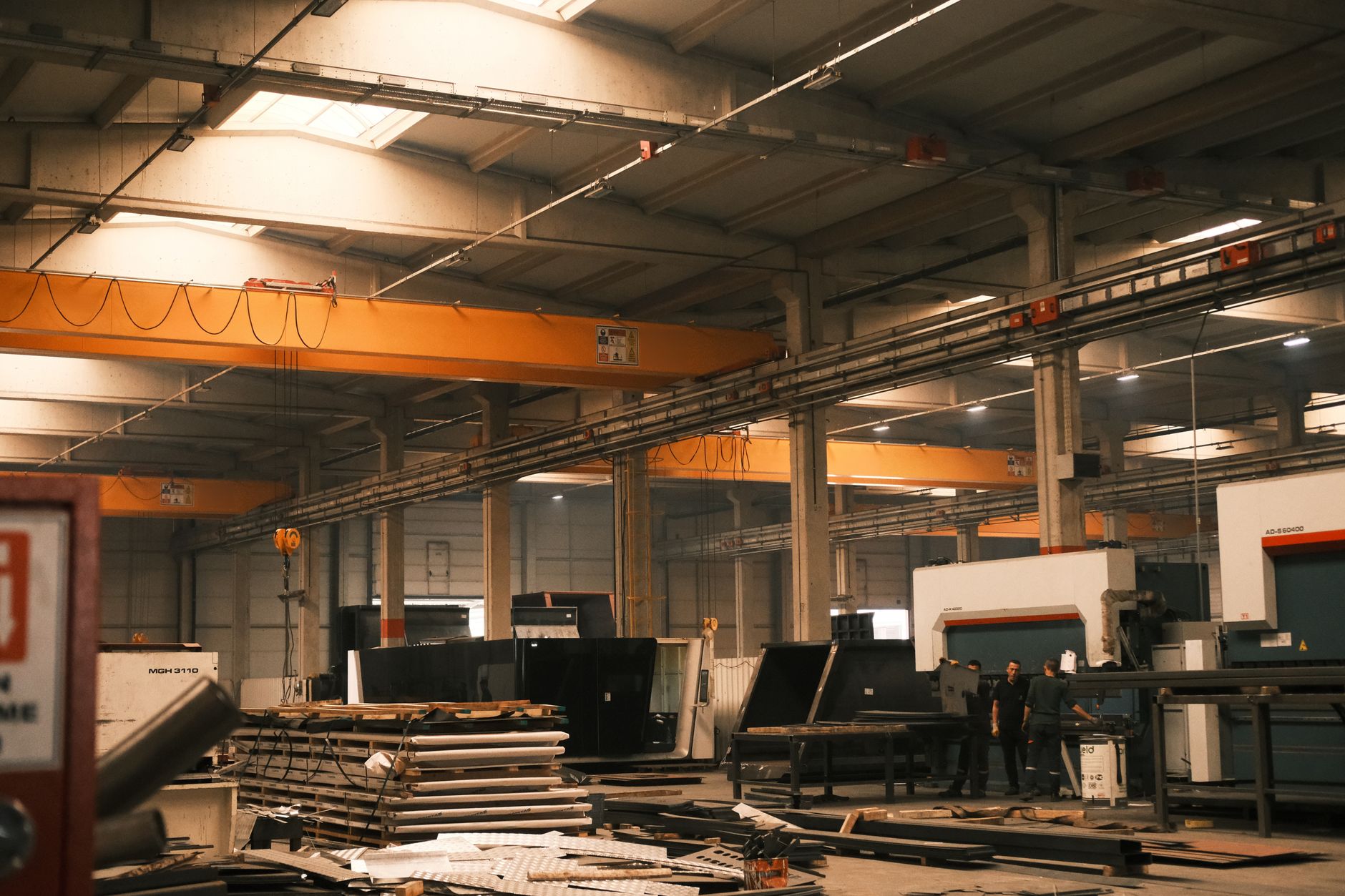
Overhead cranes always win right-of-way. Geofence crane bays and paint stop lines where hooks travel. AMR missions pause when a crane is active in the shared aisle unless your risk assessment documents a sensor interlock.
Never route under a suspended load. Pattern shop staff already know that rule for people. The robot SOP must repeat it without exception.
Staging bays should sit outside the crane hook travel envelope but close enough that molders do not revert to manual carries because the robot stop is too far away.
How should identification and staging work?
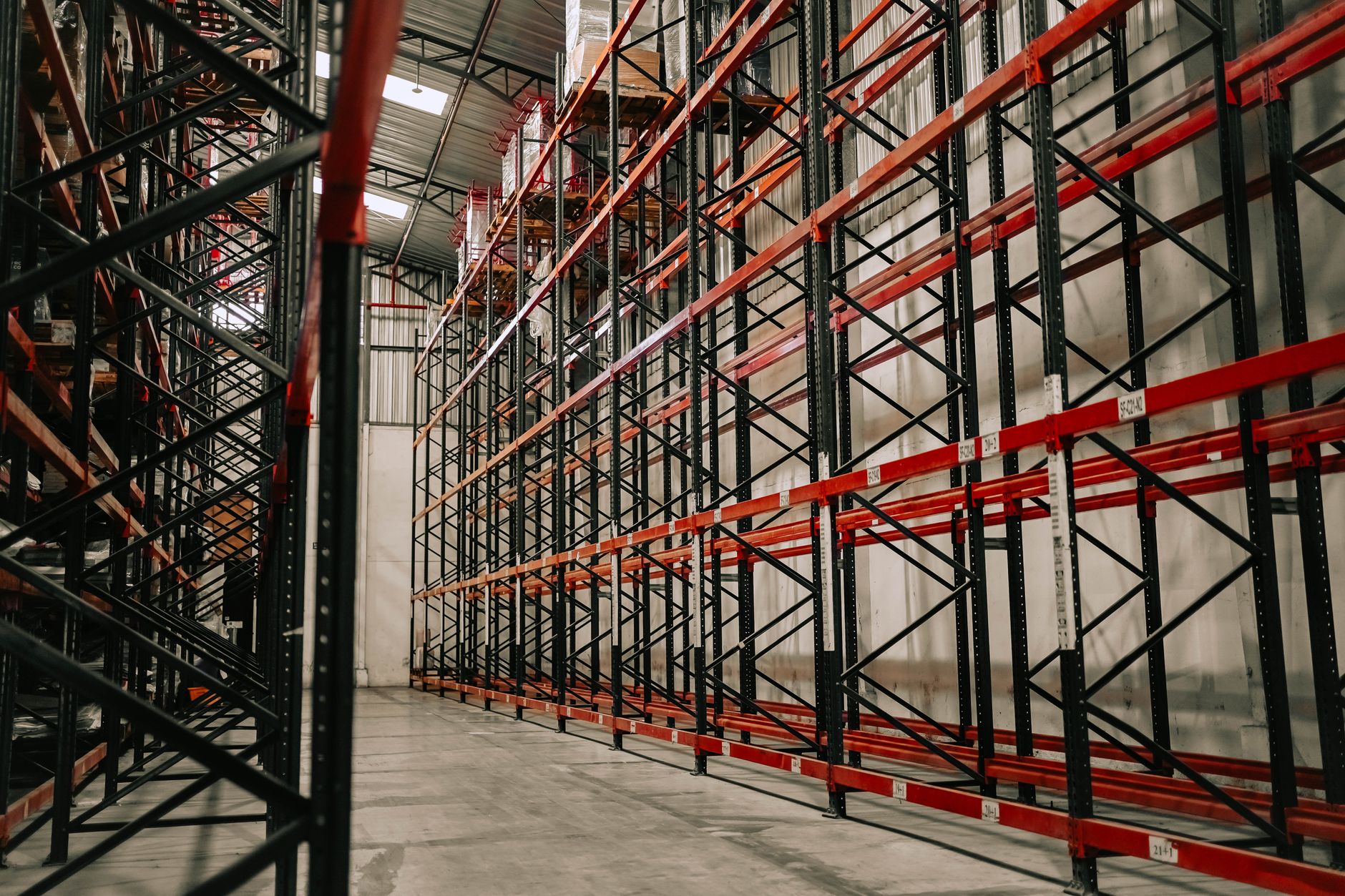
Every pattern, core box, and tooling cart needs a readable ID tied to job number and priority. Barcode or RFID at the storage slot should match the mission the AMR accepts.
Staging lanes need capacity for rush jobs. When molding calls a hot pattern, the fleet manager must preempt lower-priority loops without orphaning a half-finished move.
Close the loop in software when the molder acknowledges receipt. Otherwise transport latency hides in tribal knowledge instead of timestamps.
How do changing job priorities affect the fleet?
Foundries live on schedule changes. A broken mold or customer expedite reshuffles the floor hourly. AMR value shows up when dispatch rules are visible on a board everyone trusts.
Keep one human dispatcher role during pilot month. They approve preemption and override paths when a crane maintenance window opens.
Log every override. Those notes tell you whether the next investment belongs in more robots or in better staging geometry.
What labor context should planners respect?
May 2023 BLS data count about 7,990 foundry mold and coremakers and about 14,200 molding, coremaking, and casting machine operators in the foundries industry. Those are skilled and semi-skilled roles at the bench and machine, not cart-walking jobs.
Metal pourers and casters in foundries numbered about 2,230 in the same industry profile. AMRs should not encroach on molten-metal paths or furnace fronts without a separate safety case.
Automation here targets repetitive transport between storage and prep so mold makers stay at the table where pattern quality is decided.
Where does Service Robot Co. fit the pilot?
Pattern shops stall when the robot vendor, crane safety lead, and maintenance team learn on different calendars. Service Robot Co. compares tug and AMR options for your cart fleet, structures monthly programs if capex is frozen, and maps routes with production and EHS together.
Site assessment walks storage to staging with a stopwatch and a camera on crane paths. Nationwide service covers the unit that dies during a hot job week.
Expand only after one loop shows fewer manual carries and no increase in near-miss reports around crane bays.