Key takeaways
- Handoff stations are engineered workstations, not tape marks on the floor.
- Reach, sight lines, and queue depth prevent pinch and strike injuries.
- Visual and audible signals must match what busy operators actually notice.
- Exception paths belong in the station design, not in tribal knowledge.
What is a human-to-robot handoff station?
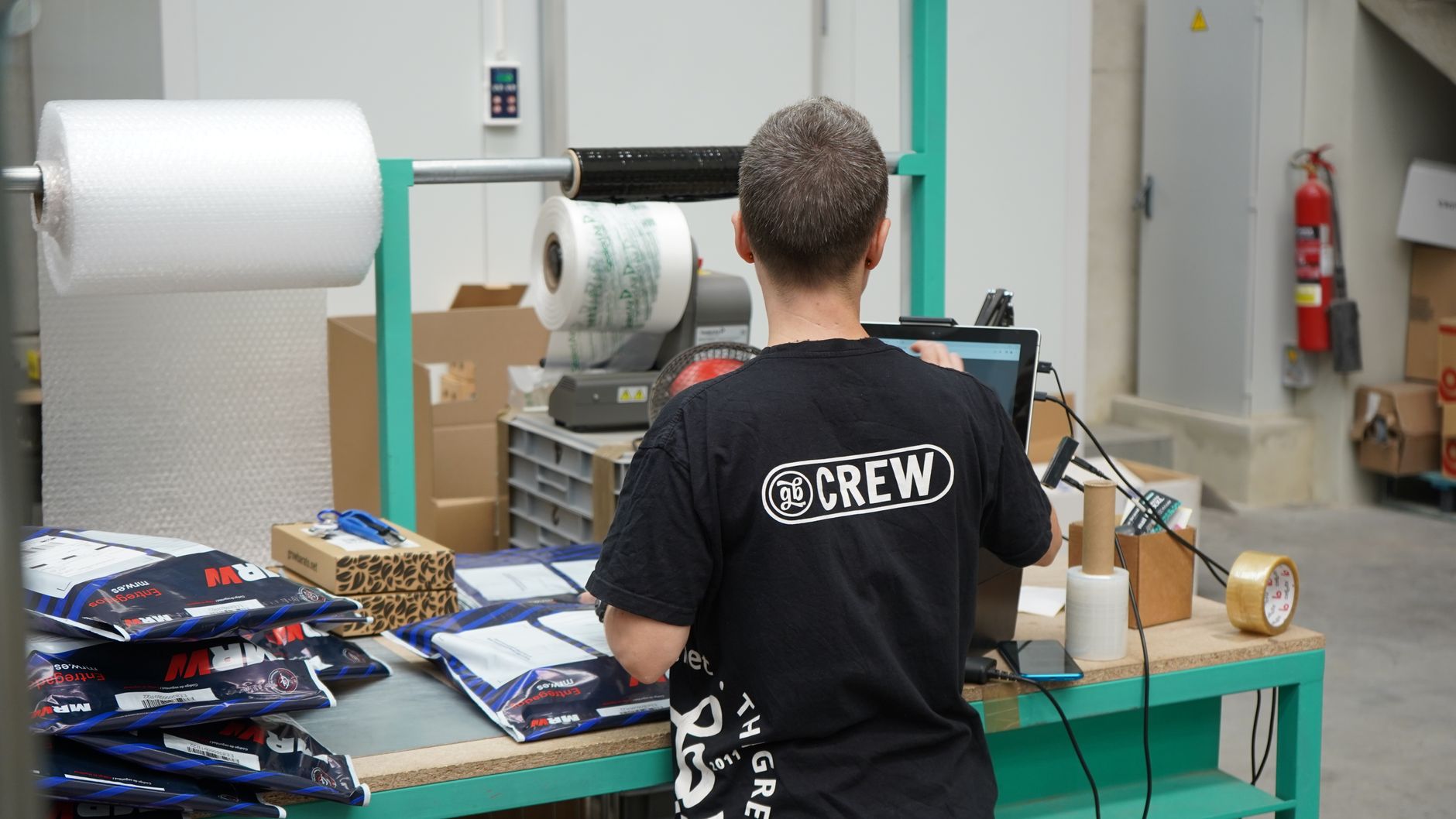
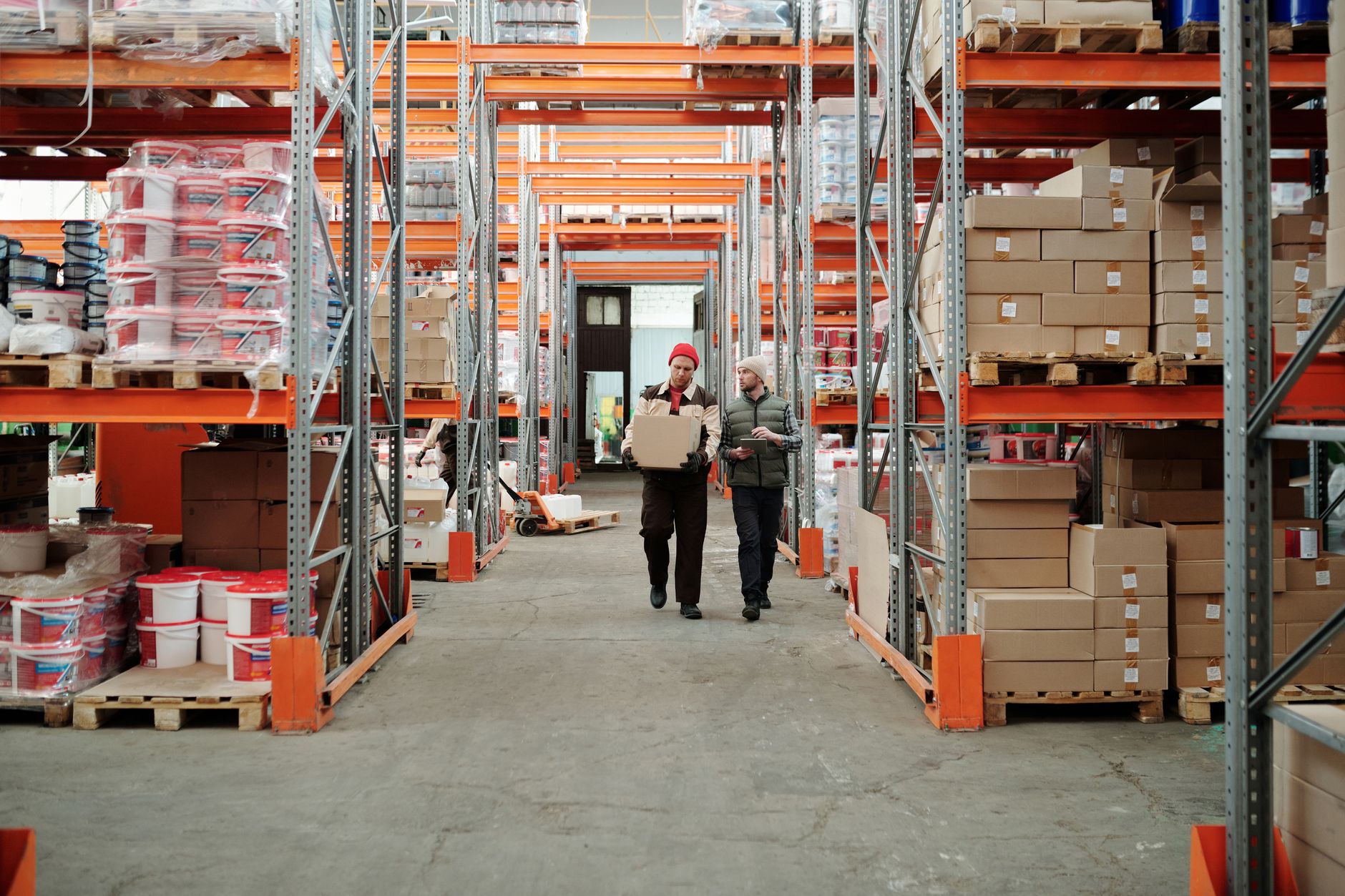
A handoff station is the fixed place where a person loads, unloads, scans, or acknowledges material a mobile robot carries. It is a workstation with ergonomics, traffic rules, and error-proofing, not a casual meet-up in the aisle.
Good stations shorten robot dwell time and protect people from pinch points when carts arrive silently. Bad stations become bottlenecks the first week production runs hot.
Design them before fleet scale-up. Retrofitting tape marks after a near miss costs more than a one-day layout workshop.
How high and deep should the work surface be?
Match shelf height to the fifth to seventy-fifth percentile reach for your actual operators, not a generic industrial table. Mixed-gender crews in logistics often need adjustable or dual-height shelves.
Depth matters for totes and scan guns. Leave space to slide a container without leaning over the robot payload deck.
Kneeling or overhead reaches at a handoff invite strain injuries. If the robot presents at floor level, add a lift table or raised presentation shelf.
Where do pinch and strike risks hide?
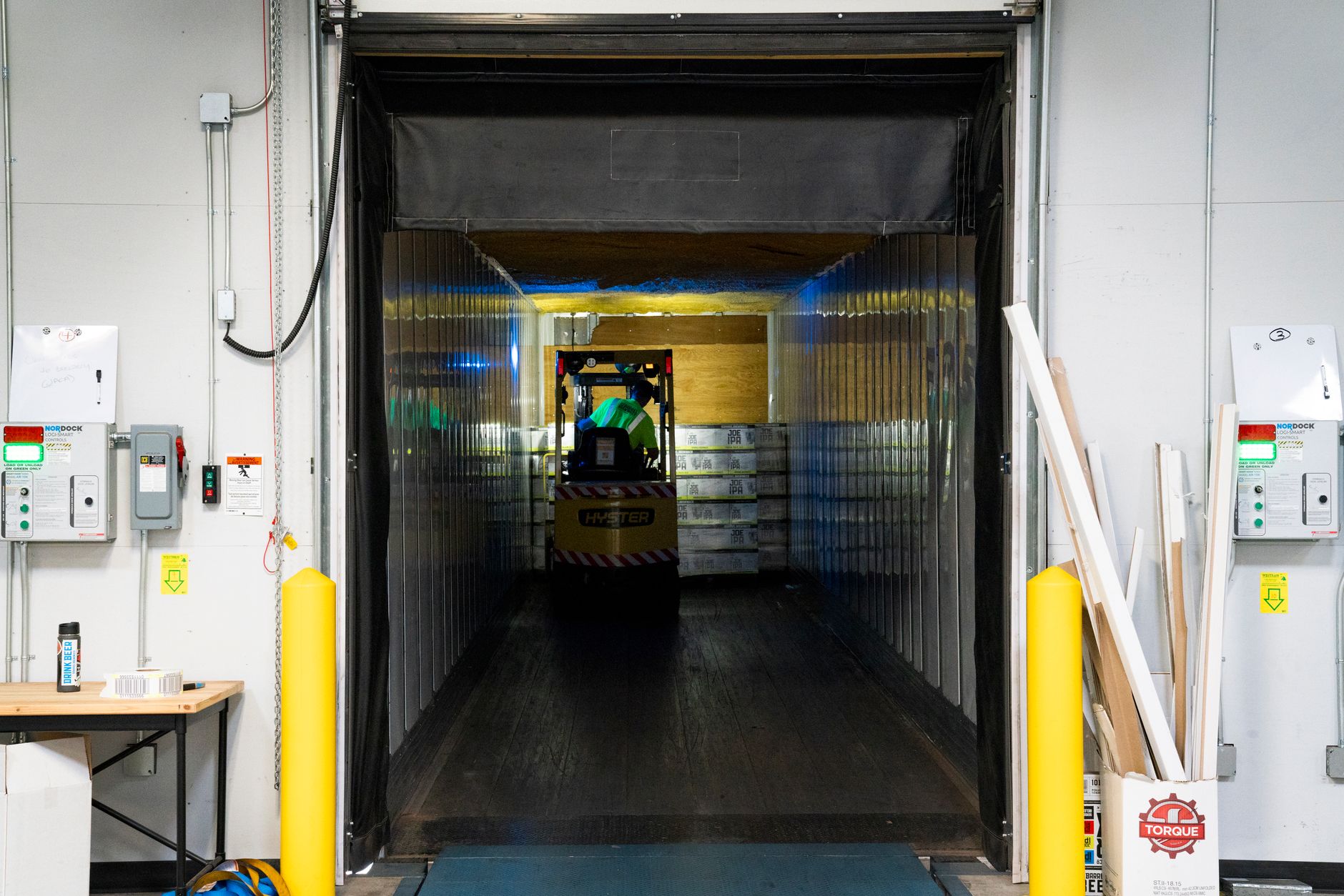
Fingers get pinched between robot chassis and fixed guardrails when queue space is tight. Leave clearance for hands even when the robot stops perfectly every time.
Strike risk rises when operators step backward into forklift aisles while focused on a screen. Separate pedestrian-only zones with physical barriers, not floor stickers alone.
Document stop positions with mechanical locators or vision targets so the robot cannot drift half a meter into the pinch zone on a worn wheel.
How much queue space does each station need?
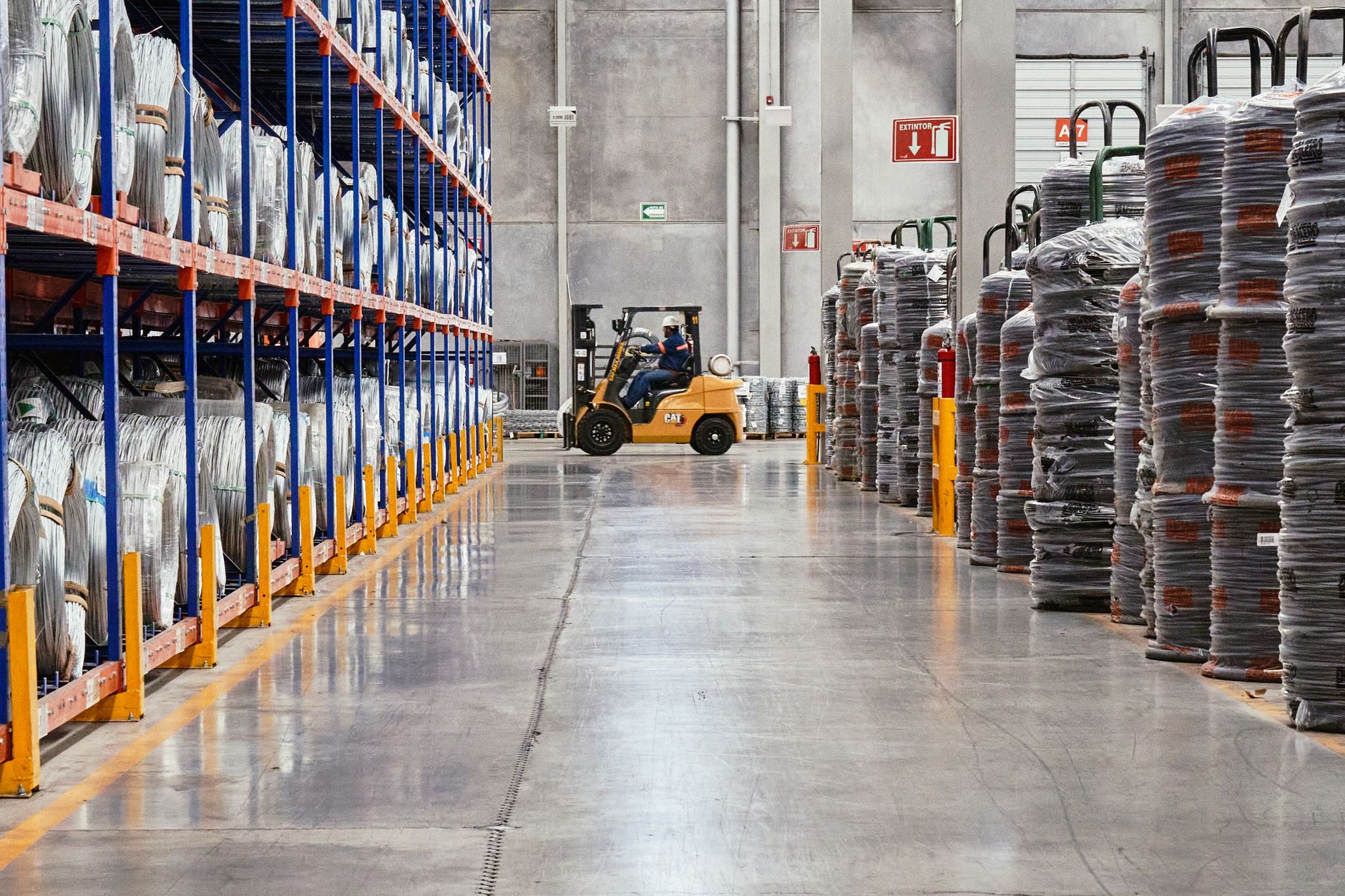
Queue space is the buffer for two robots plus one human working ahead without blocking cross traffic. Undersized queues make robots stack in fire lanes.
Model peak minute rates from your warehouse management or manufacturing execution data. A station sized for average flow fails on Monday morning surges.
Leave an escape lane so operators can step aside when a second robot approaches. Trapped workers override safety interlocks.
Which visual signals actually work?
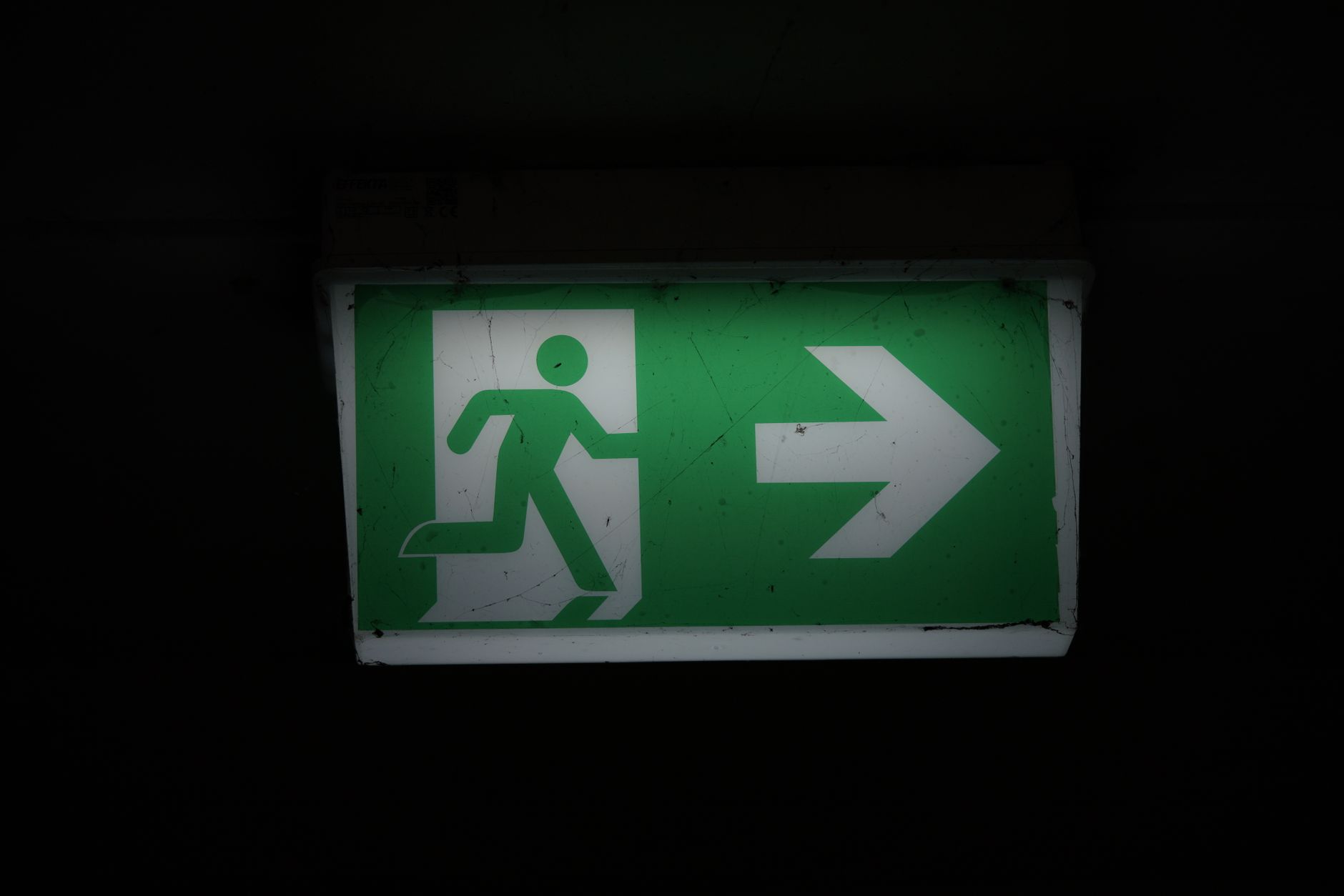
Tower lights, floor projectors, and screen prompts should mean the same thing plant-wide: approaching, waiting, ready for load, fault. Mixed color codes between departments cause wrong-side loads.
Audible cues need volume limits in quiet labs and extra volume in noisy shops. Test signals with hearing protection on.
Confirm signals remain visible when sun hits dock doors or when steam from nearby processes fogs lenses.
How do you error-proof load and unload?
Use weight, barcode, or shape checks before the robot leaves so a half-loaded tote does not shut down a line downstream.
Force a scan-or-acknowledge step that cannot be bypassed with a sticky note over the sensor. Error-proofing dies when night shift shortcuts the gate.
Print exception labels at the station for loads that fail validation so the robot routes to a quarantine loop instead of guessing.
What accessibility and traffic rules apply?
Handoff stations must remain usable for operators who cannot reach high shelves or who use mobility aids. A robot-only height optimized for speed excludes part of your workforce.
Separate robot approach paths from pedestrian shortcuts even when the floor looks empty at design time. Cut-through foot traffic appears the moment someone saves ten steps.
Post travel direction at blind corners where robots and pallet jacks share space. Right-of-way rules should match your material handling plan.
How can Service Robot Co. help design handoff stations?
Service Robot Co. is a vendor-neutral integrator for US warehouses, plants, and campuses. We map handoff stations during site assessment, finance pilots, deploy with safety leads present, and service fleets nationwide.
Commercial robot rental lets you test station geometry with real totes before capital purchase. We adjust locators, signals, and queue tape with your ergonomics team in the loop.
The right station feels obvious on day one and still works when volume doubles. We help you prove that in production, not on a slide deck.