Key takeaways
- Start with baseline people and equipment cycle times before blaming the robot for a felt slowdown.
- Time queues at choke points where robots and humans share aisles, doors, or elevators.
- Log near misses and forced stops separately from completed robot tasks.
- Compare delay minutes per shift, not only robot uptime percentage.
- Redesign routes when delay persists after training fixes.
What is robot-induced workflow delay?
Robot-induced workflow delay is the extra waiting, rerouting, or hesitation that hits people and equipment because a robot shares the same floor. The robot can hit its task count while nurses, pickers, or forklift drivers lose minutes at the same choke point.
This is different from robot downtime. A idle scrubber is obvious. A running scrubber that blocks a dock door every cycle is a workflow problem that uptime dashboards hide.
According to the International Federation of Robotics executive summary for World Robotics 2025 service robots, professional service robot unit sales rose about 9 percent to more than 199,000 globally in 2024. More shared-floor deployments make this measurement worth doing on week one, not after complaints stack up.
What should you measure before go-live?
Record baseline cycle times for the human and equipment workflows the robot will cross. Include elevator waits, aisle crossings, and handoff zones at shift start, mid-shift, and peak.
Note peak concurrent traffic, not only averages. A mean wait time hides two-minute jams at lunch that erode trust fast.
Capture floor maps and one-way rules as they exist today. You need a before picture to prove whether delay came from the robot or from a layout that was already tight.
How do observational studies work on a live floor?
Assign an observer with a simple timestamp log at each choke point for a full shift. Mark when a person or forklift stops, yields, or reverses because of a robot.
Use short reason codes: blocked aisle, waiting at door, elevator priority conflict, audio alert delay, manual override. Avoid vague notes like slow robot.
Run the same observation on two shifts, one weekday and one peak, before you change routes. Patterns repeat by time of day more than by robot model.
- Choke point name and shift window
- Stop start and end timestamps
- Human or equipment type affected
- Robot task state at the moment of stop
- Reason code from a fixed list

Which queue data belongs in the scorecard?
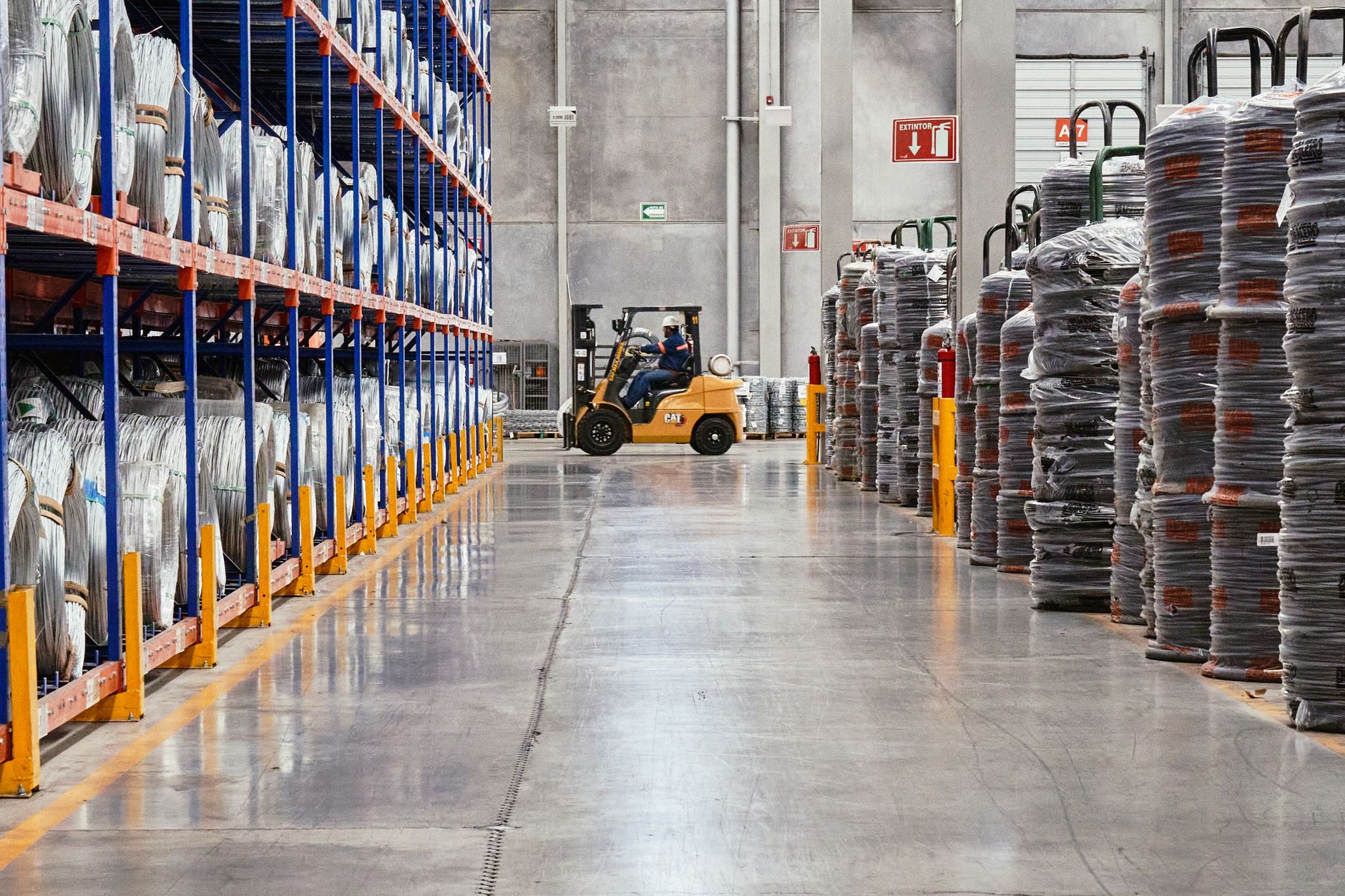
Measure queue length and wait seconds at intersections where robots and forklifts merge. A queue that grows only when the robot runs is a direct delay signal.
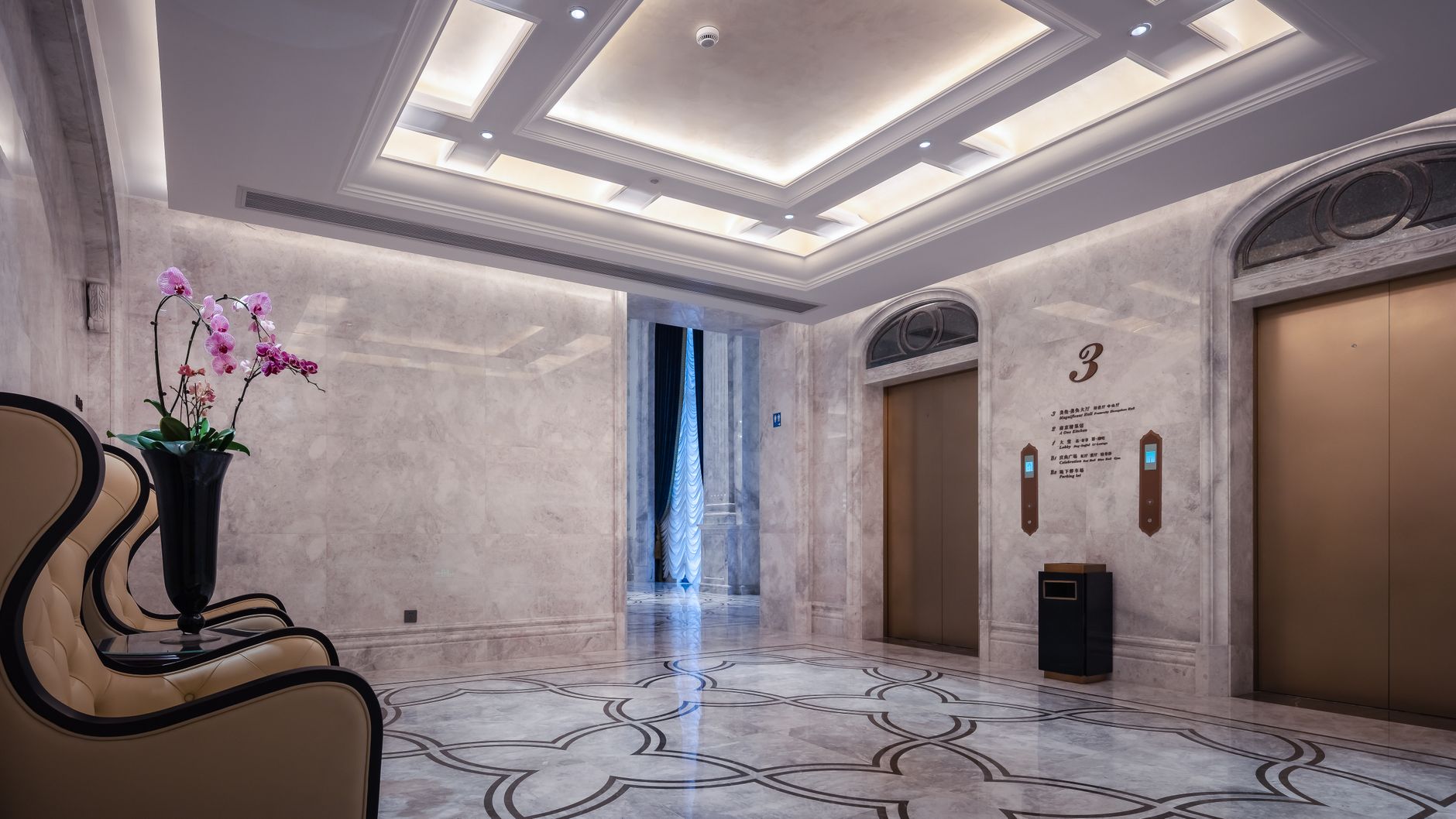
Track elevator calls separately for robots and people if the building assigns priority. Count how often humans lose a car because freight mode locked out passenger use.
Export AMR or scrubber mission logs with timestamps for door requests and zone entries. Overlay those on human queue logs to see overlap, not guess from memory.
Why track near misses apart from completed tasks?
Near misses, hard stops, and manual estops are leading indicators of delay. They often happen seconds before a visible queue forms.
Log who initiated the stop, robot or human, and whether traffic rules were unclear. Repeat near misses at one corner usually mean map or signage failure, not operator error.
Safety teams already review these events. Fold the same records into workflow delay reviews so fixes do not live in two silos.
How do you turn minutes into a decision?
Convert observed waits into delay minutes per shift per choke point. Compare that to minutes the robot saved on its own task, such as scrubbed square feet or tote moves completed.
If delay minutes exceed saved minutes for two consecutive observation weeks, treat route redesign as mandatory, not optional tuning.
Share the math with operations leads in plain units they already use: pallets per hour, trays per run, rooms turned per shift. Robot metrics alone rarely convince a floor manager.
What route redesign levers actually cut delay?
Time-shift robot runs to off-peak human traffic when the task allows. Overnight scrubbing exists partly because aisles are empty.
Add parallel lanes, floor markings, or temporary one-way rules during robot hours. Dynamic no-go zones in software should match physical tape humans can see.
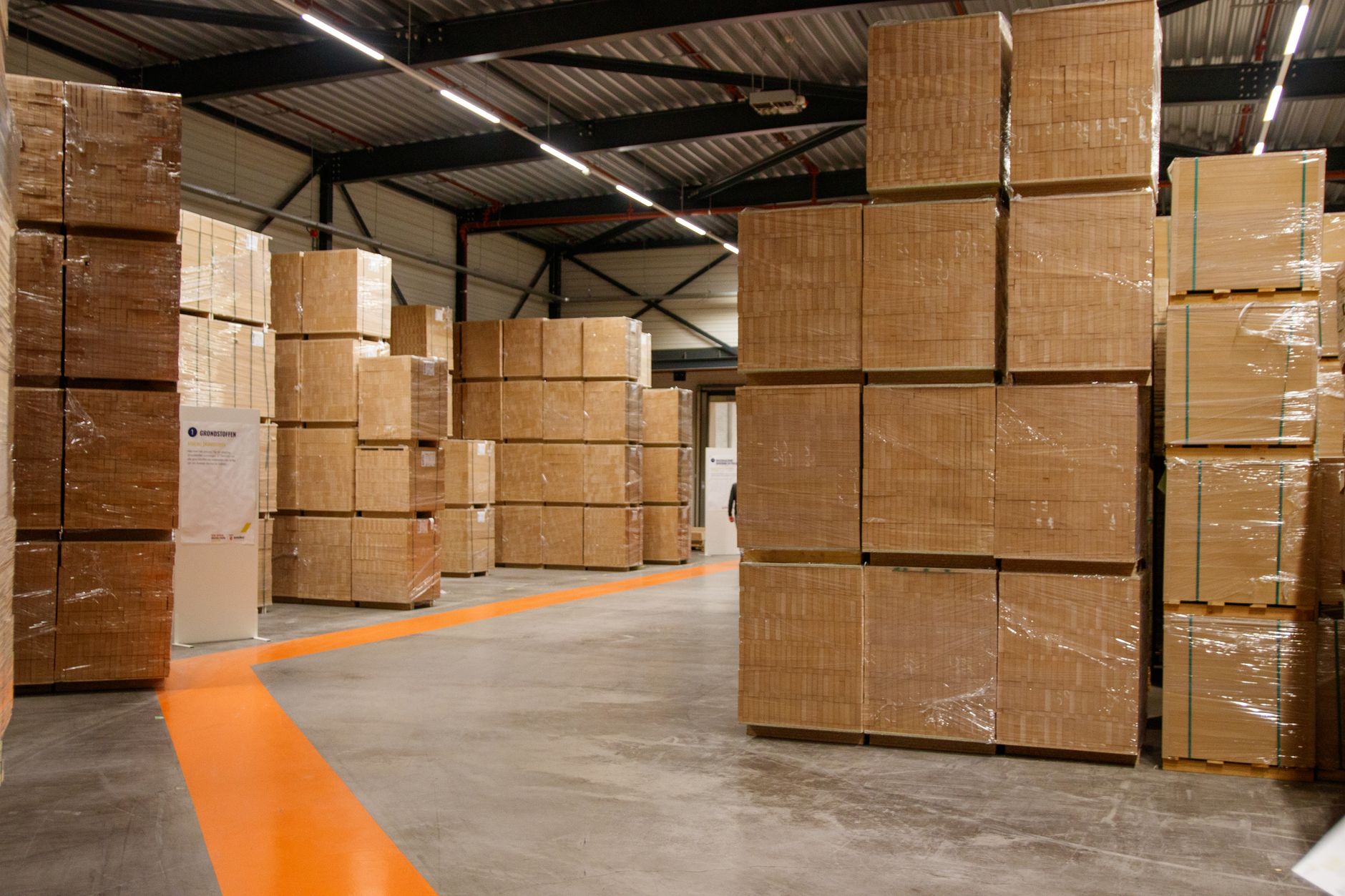
Split long robot routes into smaller loops that release choke points every few minutes instead of holding a crossing for an entire battery cycle.
When should an integrator join the measurement cycle?
Bring the integrator when delay persists after staff training and signage changes. They can adjust fleet rules, docking placement, and elevator integrations with vendor tools you may not access.
Service Robot Co. runs site assessments that include choke-point walks before and after go-live, so delay shows up in the same ticket chain as deployment and service.
Re-measure two weeks after each route change. Workflow delay is a living metric, not a one-time SAT checkbox.