Key takeaways
- Start with one secure evening route, not a whole-building rollout.
- Keep robots out of screening queues and jury surges, and map around ADA clearances and narrow turns.
- Treat the pilot as a labor redesign project, not a headcount stunt, especially in union settings.
- Measure coverage, interruptions, manual touch-up time, and incident-free nights before expanding.
Start with a narrow pilot, not a courthouse-wide bet
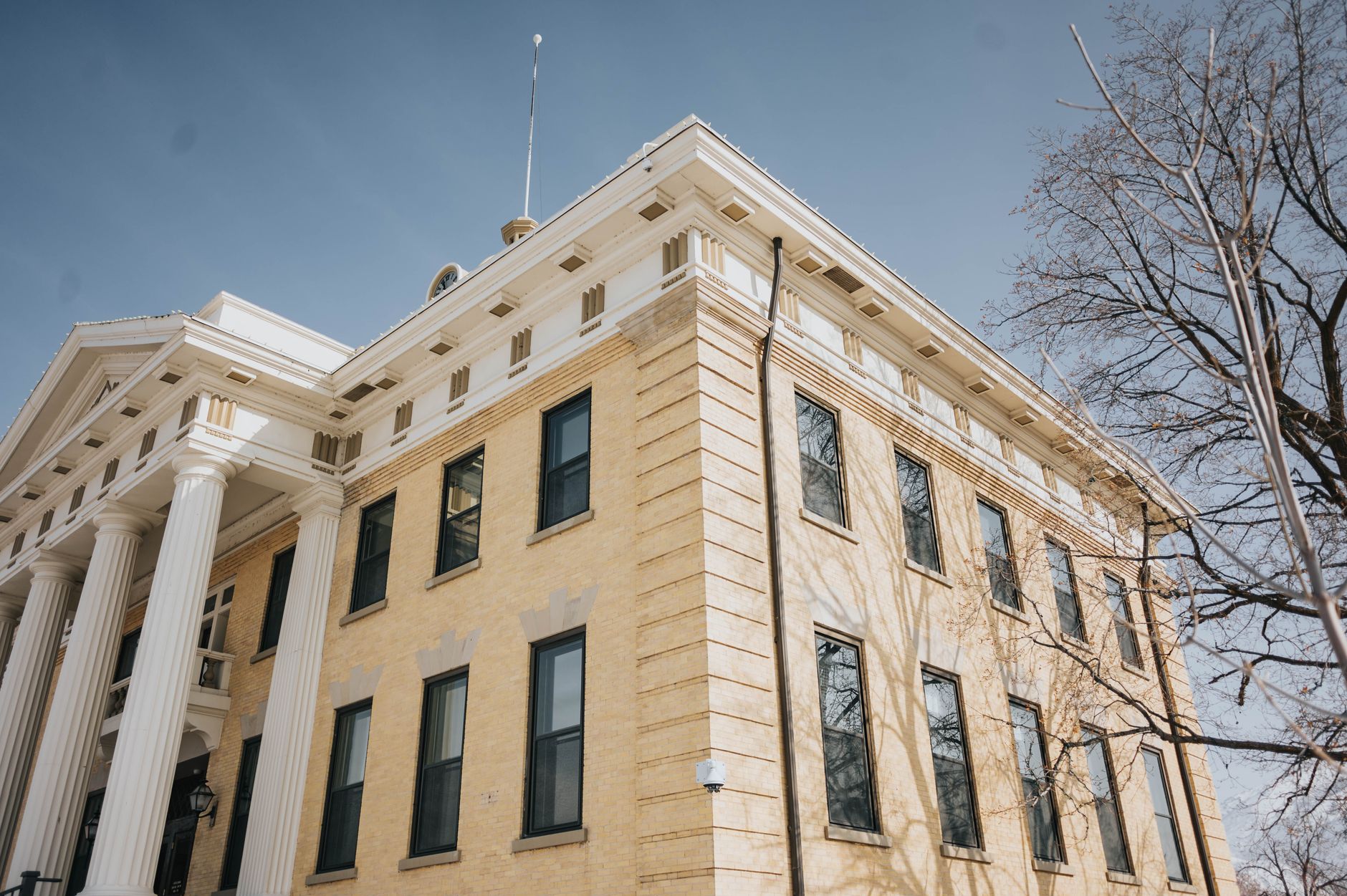
Yes, a cleaning robot can work in a county courthouse, but only if the pilot is fenced to the right zones, the right hours, and the right operating rules. The winning pattern is usually simple: run an autonomous floor scrubber after public traffic drops, keep it out of screening lines and courtroom turnover windows, and use custodial staff for edges, spills, stairs, and anything that calls for judgment.
Courthouses are not generic office buildings. According to the National Center for State Courts, state courts handle roughly 70 million cases a year and 98 percent of U.S. cases. That volume shows up physically as juror arrivals, last-minute line buildups, escorted movement, and bursts of foot traffic that can wreck an otherwise tidy automation plan if you scope the pilot too broadly.
A practical first pilot is one evening route in a marble lobby, wide public corridor, or administrative wing with repeatable floor care demand. Keep the goal tight for the first 30 to 60 days: prove safe navigation, consistent coverage, and a workable handoff between the robot and the night crew.
- Best first zones: main lobby perimeter, long public corridors after close, clerk or records hallways, and other hard-floor areas with repeatable geometry
- Bad first zones: security screening vestibules, holding-adjacent areas, stair landings, cramped alcoves, and any corridor that regularly becomes a waiting line
- Best pilot window: after the building is effectively closed to the public, but before the full night crew leaves so staff can supervise launch and recovery
Which courthouse areas belong in scope first?
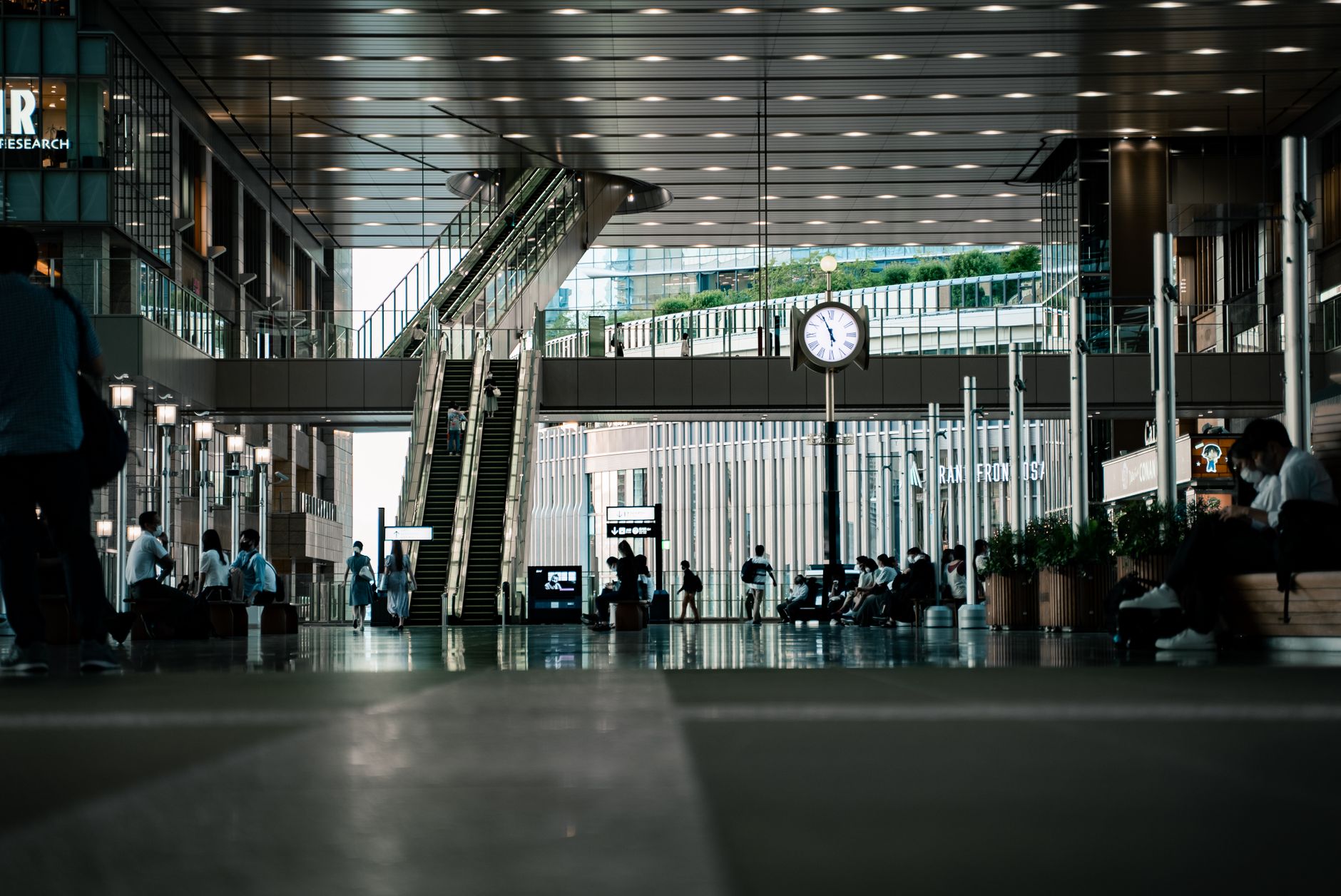
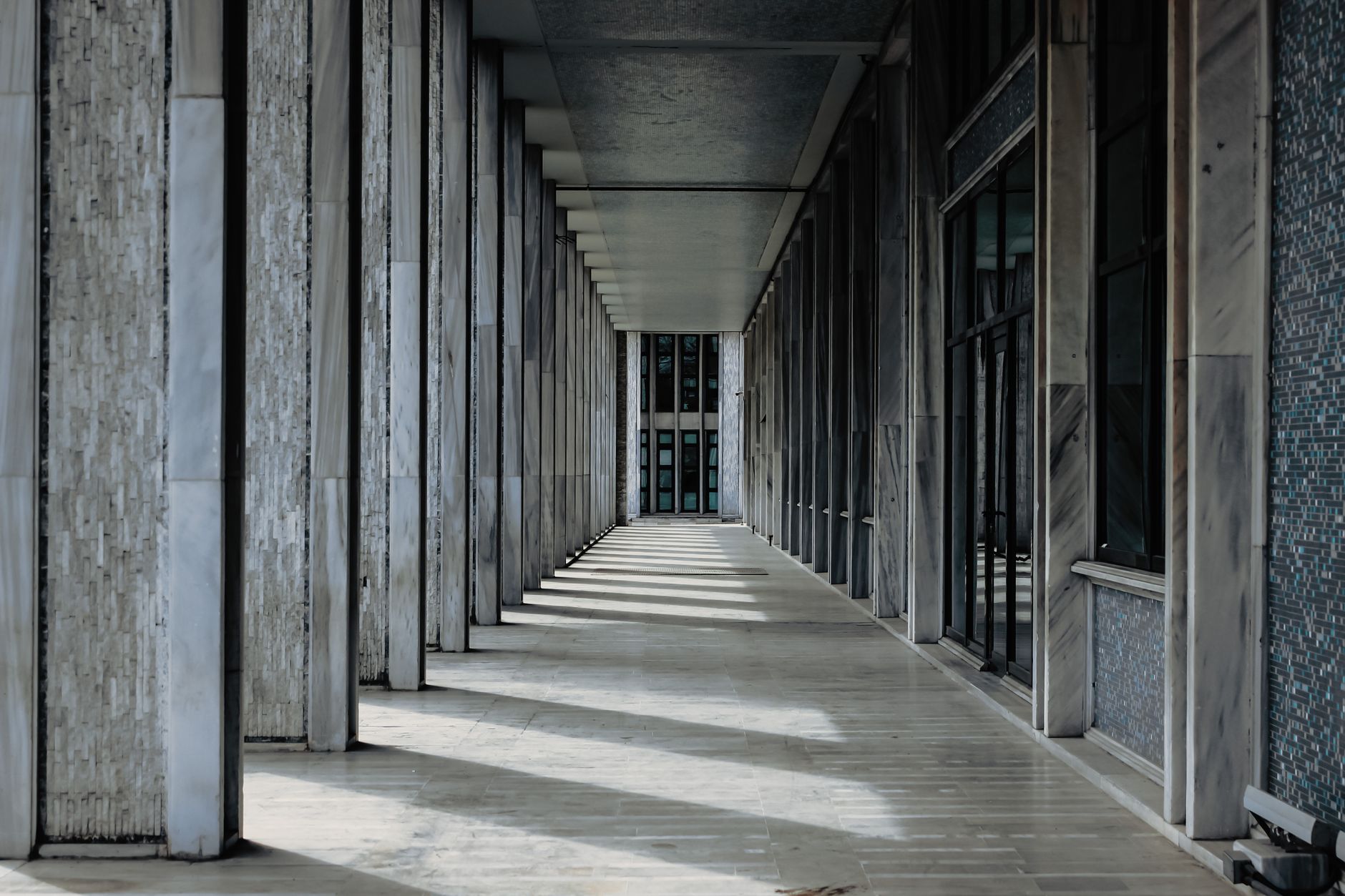
The first pass should favor hard-floor routes with clear edges and stable furniture. Marble lobbies look attractive because they are large and visible, but they also collect weather, grit, and ceremonial traffic. That makes them good pilot candidates only if the route excludes the front-door surge and any ceremonial setup windows.
Narrow side corridors, clerk back halls, and administrative loops are often better than the grand central space. They offer repeatable large facility coverage without forcing the robot through every unpredictable part of the building. In a courthouse, a modest, boring route is usually a better test than the showpiece floor everyone sees.
If your building has multiple floor types, do not ask one pilot to answer every question. Separate hard-floor overnight cleaning no operator work from carpet extraction, stair detailing, and restroom sanitation. A pilot succeeds when it isolates one repetitive task and proves it can stay repetitive.
- Pilot for repeatability first, visibility second
- Exclude any route that depends on moving benches, stanchions, evidence carts, or queue furniture every night
- Require a manual cleanup plan for tracked-in water, paper debris, and edge work the robot will not finish
How do you respect checkpoints and courthouse security?
Treat the screening checkpoint as a red line unless security leadership explicitly wants it included later. Federal courthouse security has tightened materially in recent years. The Administrative Office of the U.S. Courts says Congress allocated 127.5 million dollars for court-based security measures in 2022, and by September 2025 nearly 97.4 million dollars had been committed for design and construction countermeasures at 63 facilities. State and county operators should read that as a signal: courts are in a hardened-building phase, not a convenience-first phase.
In practice, that means your robot route should begin past screening or well after screening equipment is shut down and the front of house is clear. Do not plan around the assumption that deputies or contract security will babysit a machine through magnetometers, queue rails, or bag-check layouts. They will not want that burden, and they should not have it.
Security also needs a plain operating rule set. Who can stop the robot. Where can it be parked. What happens if a late hearing, protest, media scrum, or emergency order keeps the building active. A courthouse pilot is easier when the answer is simple: the robot yields, docks, and humans take over.
- No robot movement through live screening lines
- No docking station in a public vestibule or in sightline-critical security positions
- A named security contact signs off on route maps, stop points, and exception rules before go-live
What floor and corridor constraints break a pilot early?
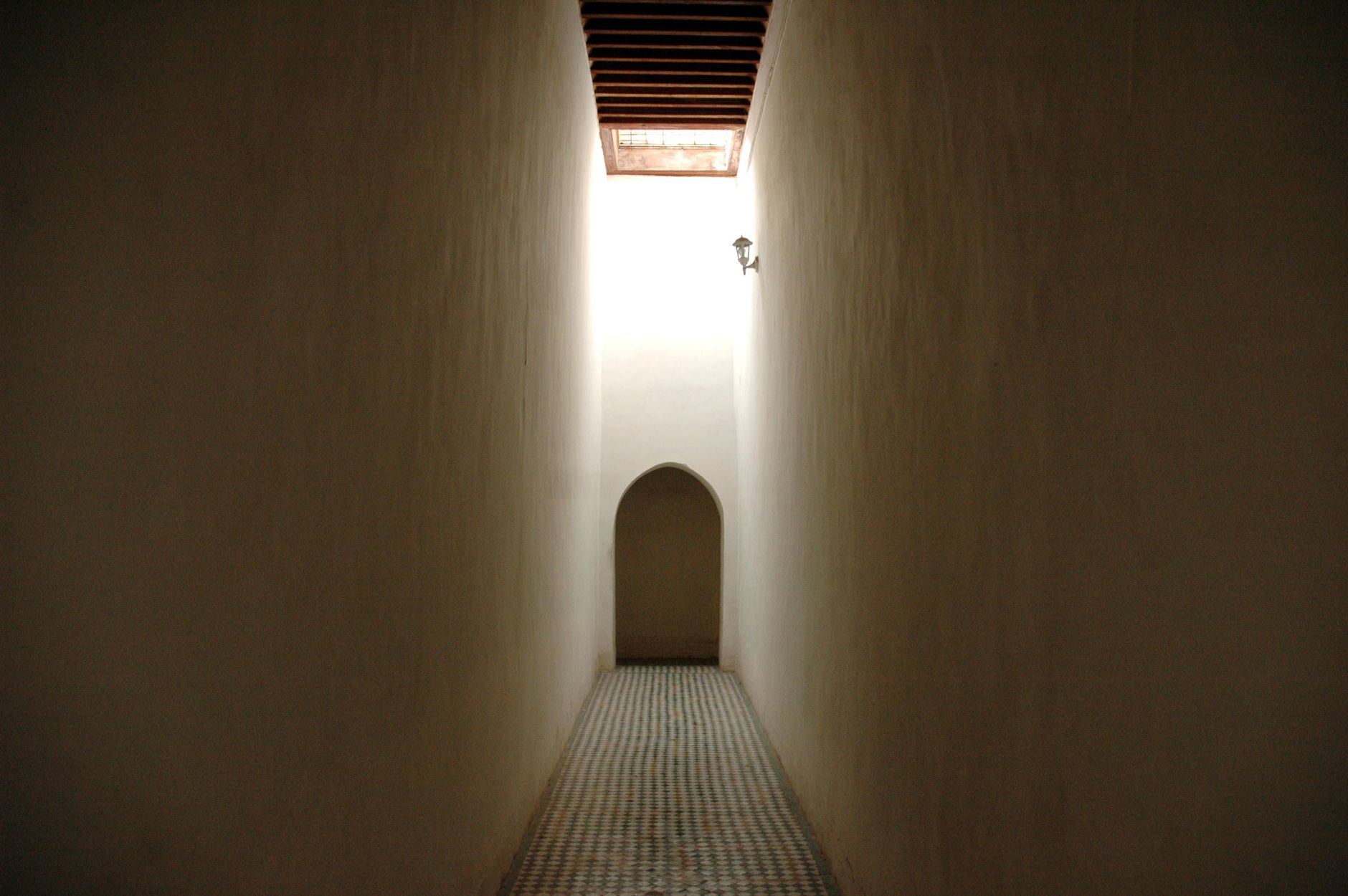
Courthouses punish sloppy route planning. Stone thresholds, legacy door hardware, narrow turns, floor registers, and furniture drift all matter more here than in a newly built warehouse. The ADA standards are a useful reality check. The U.S. Access Board says accessible routes need 36 inches of clear width minimum, with passing spaces required every 200 feet if clear width is below 60 inches, and tighter 180-degree turns need 42 to 48 inches depending on the turn geometry.
That does not mean every compliant corridor is robot friendly. It means any route that already operates close to minimum accessible clearances has very little tolerance for a parked cart, a shifted bench, a trash can, or a waiting member of the public. In other words, legal clearance is not the same thing as operational clearance.
Floor finish matters too. Polished stone and marble can clean beautifully with the right machine, but they magnify bad water recovery and sloppy pad choice. Before launch, test squeegee performance, turning behavior, and drying time on the exact floor finish that dominates the route. A courthouse does not forgive streaks in the morning light.
- Measure actual nighttime clear width, not just as-built drawings
- Check thresholds, elevator gaps, drain grates, and transition strips on every proposed route
- Reject any route that depends on a propped fire door or a manually held secure door
How should you handle janitorial unions and staffing concerns?
This is where many pilots either become durable or die in committee. Public buildings are labor environments as much as they are facilities environments. The Bureau of Labor Statistics reported that public-sector union membership reached 32.9 percent in 2025, and local government was even higher at 37.8 percent. If your courthouse custodial work is union-represented, the pilot has to be framed as task reallocation and floor-care consistency, not as a stealth staffing cut.
The labor economics still matter. BLS wage data for May 2023 shows janitors and cleaners in local government, excluding schools and hospitals, earned a mean 21.23 dollars per hour, or 44,150 dollars annually. Nationally, BLS says the median pay for janitors and building cleaners was 17.27 dollars per hour in May 2024. Those are real operating dollars, but they should be used to size redeployed labor, not to promise instant headcount removal.
The cleaner conversation is operational. Let the robot own repetitive open-floor scrubbing. Let the crew own spill response, corners, elevators, restrooms, courtroom resets, and all the variable work a machine cannot absorb. That is a more credible pilot, and in many courthouses it is the only politically viable one.
- Meet with labor and custodial supervisors before site assessment mapping is final
- Define which tasks move to the robot and which tasks remain manual, by shift and by zone
- Report labor results as hours redeployed to detail work, not jobs removed
What should the night schedule actually look like?
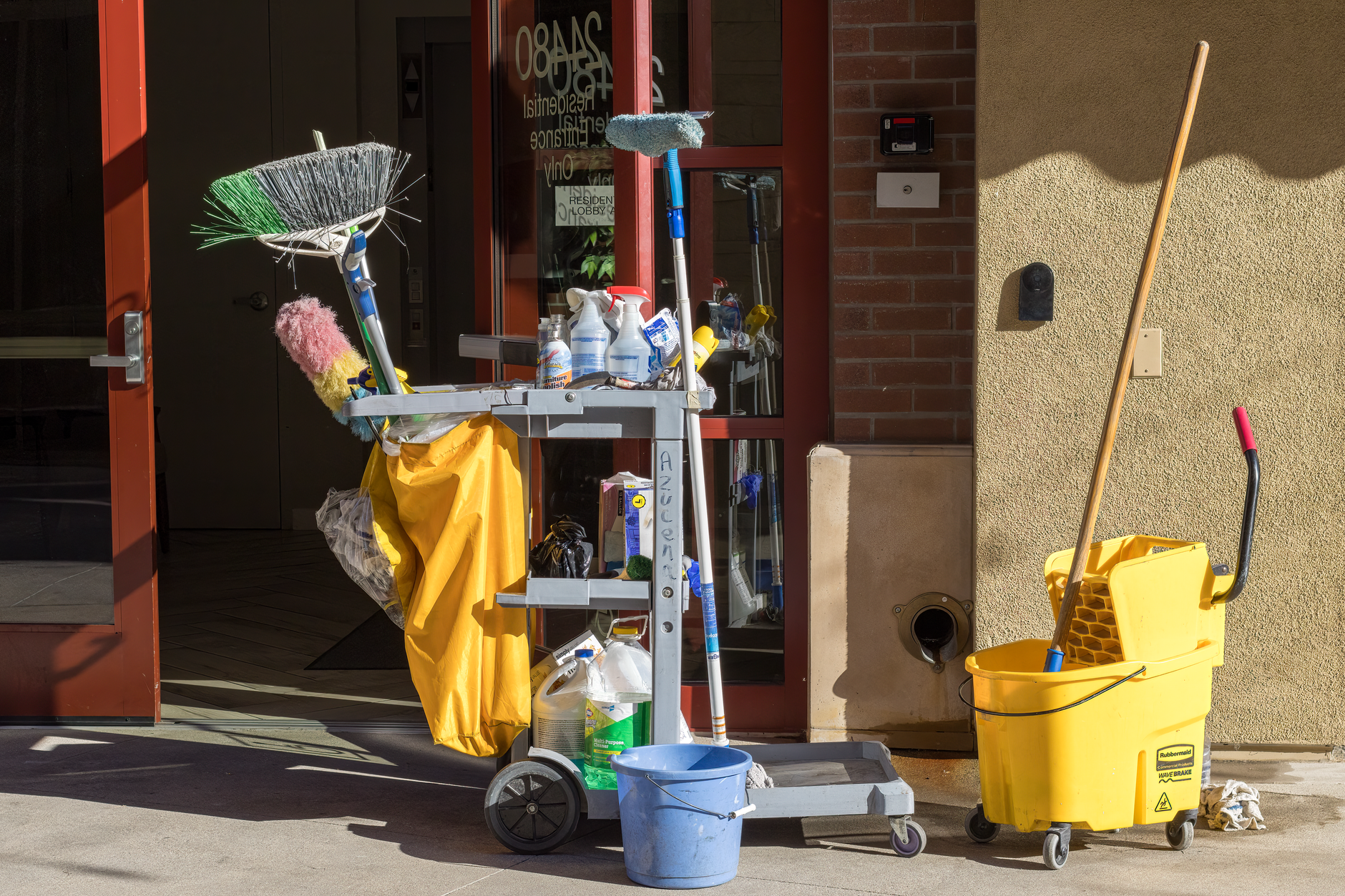
A courthouse pilot usually works best in three beats. First, custodial staff pre-walk the route and clear drift items, check for wet weather buildup, and confirm no late court activity remains. Second, the robot runs the repeatable loop. Third, staff perform edge cleanup, detail work, and a morning-readiness check before the building opens.
This sequencing matches federal safety basics. OSHA requires floors to be kept clean and dry and aisles clear, and CDC guidance for community facilities says high-touch surfaces should be cleaned regularly while other surfaces are cleaned when visibly dirty. The robot should therefore be assigned to what it does best, repeatable floor coverage, while the crew handles touchpoints, exception cleaning, and anything contaminated or visibly irregular.
If you are considering commercial cleaning robot rental, robot leasing for business, or a robot pilot program instead of a purchase, this is also the right stage to insist on go-live support and maintenance included terms. Courthouse night windows are short. A machine that misses its launch or cannot recover from a small fault is not a cheap experiment. It is a morning problem.
- Pre-walk: 10 to 20 minutes depending on route complexity
- Robot run: one repeatable loop with a hard stop before early staff arrivals
- Post-run: inspect drying, edges, and public-facing shine before building open
What should you measure in the first 60 days?
Do not reduce the pilot to one vanity metric like square footage cleaned. Courthouse operators need a balanced scorecard. Track route completion rate, manual intervention count, morning-ready appearance, drying performance, and the number of nights the robot had to yield to court activity or security needs.
Also measure the human side. How many custodial minutes were pulled back into detail cleaning. How much time did supervisors spend launching or troubleshooting. Did deputies or building security have to intervene. A pilot that looks efficient on paper but steals attention from night leadership is not ready to scale.
The threshold to expand should be boringly strict. You want several consecutive weeks of incident-free runs, low intervention, predictable handoff to the crew, and no friction with security or labor. Once you have that, add a second route or a second floor type. Not before.
- Coverage completed as scheduled
- Number of interventions per run
- Average manual touch-up time after each run
- Number of route cancellations due to court or security activity
- Morning readiness score from facilities or custodial leadership
Where Service Robot Co. fits in a courthouse pilot
Courthouse pilots are exactly where an OEM-neutral integrator earns its keep. The issue is rarely just the machine. It is route design, floor matching, shift choreography, training, exception handling, and service response when the building cannot tolerate downtime. Service Robot Co. approaches that as one lifecycle, not a hardware drop-off.
Because Service Robot Co. is a full-service commercial robot integrator for U.S. businesses, the courthouse team does not have to piece together separate vendors for selection, financing, deployment, training, and field service. We pick the robot that fits your floor, handle robot deployment and integration, train the night crew, and support the unit through a nationwide U.S. engineer network.
That matters even more in public buildings with limited cleaning windows. If your courthouse wants a floor scrubber monthly lease, a service robot rental structure, or a lease rental or sale comparison before procurement, the pilot should still be designed around operational fit first. The machine choice comes after the route, the labor plan, and the security rules are real.
Frequently asked questions
Sources
- U.S. Courts Annual Report 2025 Facilities and Security
- National Center for State Courts data overview
- BLS Janitors and Building Cleaners Outlook Handbook
- BLS Janitors and Cleaners wages by industry
- BLS Union Members 2025 release
- U.S. Access Board ADA Chapter 4 Accessible Routes
- OSHA slips, trips, and falls guidance
- CDC facility cleaning guidance