Key takeaways
- Start with a narrow tote route, not a hospital-wide autonomy promise.
- Keep controlled substances, stat runs, and escalations on a tighter workflow than routine medication moves.
- Design the pilot around pickup points, elevator logic, sealed handoffs, and exception ownership.
- Measure turnaround time, successful deliveries, handoff compliance, and nurse interruptions before talking about scale.
What does a good central pharmacy AMR pilot actually look like?
A good central pharmacy AMR pilot is small, disciplined, and operationally specific. It usually starts with routine medication totes moving from central pharmacy to a short list of nursing units on repeatable schedules, with defined pickup shelves, sealed containers, named handoff points, and a human fallback for anything urgent, missing, or restricted.
That is the key point many hospitals miss. The first win is not full autonomy across every medication class and every floor. The first win is a dependable transport loop that cuts nonclinical walking, reduces phone chasing, and gives pharmacy and nursing a cleaner chain of custody for routine deliveries.
In practice, that means excluding edge cases on day one. Keep stat medications, refrigerated exceptions, patient-specific odd dimensions, and many controlled substance movements in a tighter manual or hybrid process until the pilot proves route reliability, elevator coordination, tote security, and staff compliance at handoff.
Why central pharmacy is a sharper AMR use case than generic hospital transport
Central pharmacy has the kind of structured repetition that autonomous mobile robot rental programs need. Orders batch. Totes repeat. Pickup windows cluster. Floors recur. When the route shape is stable, the hospital delivery robot rental discussion becomes less about novelty and more about disciplined repetitive transport automation.
The timing also matters. According to the 2024 ASHP National Survey of Pharmacy Practice in Hospital Settings, published in 2025, more than 80 percent of pharmacy directors reported shortages of experienced technicians, and about 60 percent reported shortages of clinical specialists and clinical coordinators. That is exactly the backdrop in which leaders start protecting licensed labor from long transport walks.
The market is also shifting away from isolated robot point tools. In a July 27, 2026 PR Newswire announcement, a hospital logistics software company said it was bringing a robot-agnostic orchestration platform to the U.S. for medications, supplies, and specimens, with direct integration to elevators, doors, and clinical workflows. That matters because central pharmacy rarely succeeds with a robot unit alone. It succeeds with dispatch logic, access integration, and exception visibility.
Which medication moves belong in phase one, and which do not?
Phase one should focus on routine, non-urgent, tote-based distribution. Think scheduled replenishment to nursing units, first-dose runs that are important but not trauma-level urgent, cart-fill support where your process uses it, and repeat deliveries to units that already receive medications through a predictable staging pattern.
Do not begin with the hardest moves just because they are painful. Controlled substances, compounded sterile preparations with narrow handling rules, oversized IV payloads, and one-off courier requests create policy and variance problems before the robot program has earned trust. A pilot should remove avoidable complexity, not showcase it.
A clean rule is to separate by workflow risk, not by marketing ambition. If the item can travel in a standardized sealed tote, fit within defined payload limits, tolerate a small delivery window, and land at a staffed receiving point, it is a candidate. If it requires judgment at every step, keep it out of the first wave.
- Good phase-one candidates: scheduled med replenishment totes, non-urgent first doses, routine unit restocks, pharmacy-to-ADC support runs
- Usually phase-two or manual: controlled substances, crash-cart items, highly urgent stat medications, unusual cold-chain items, oversized or fragile preparations
How should you define pickup points and tote design?
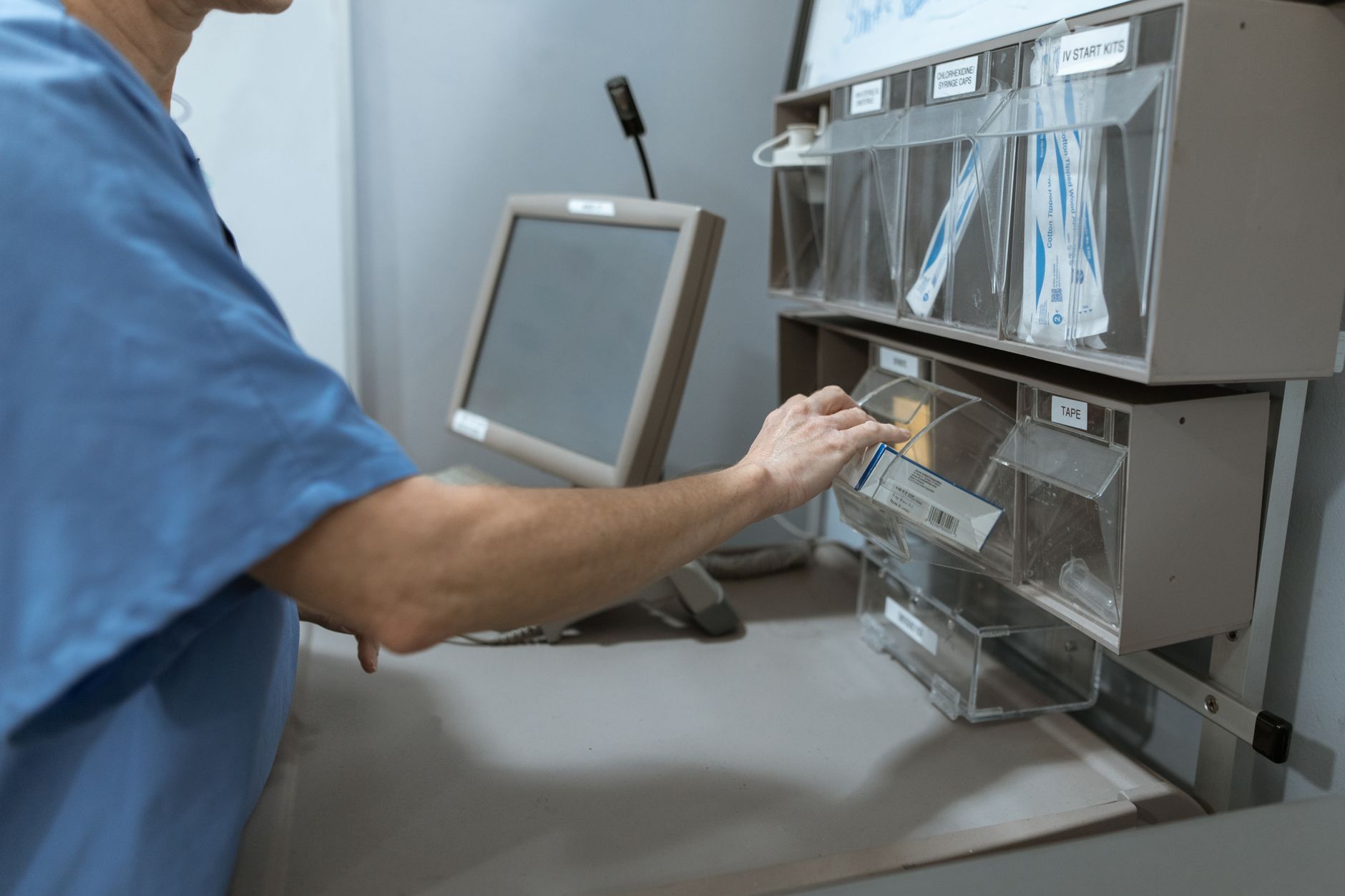
Most pilot trouble starts before the robot moves an inch. It starts at the shelf, counter, or pass-through where pharmacy staff are supposed to stage a tote but the space has no clear ownership, no scan event, and no visual cue that the load is ready. Central pharmacy needs a precise launch point, not a vague area near the window.
Use one staging location per pilot route family, and make it boringly clear. The tote should be sealed, labeled, and associated with a dispatch event before it reaches the robot. If your team cannot tell at a glance whether a tote is waiting, assigned, loaded, or exceptioned, the process is too loose.
Tote design matters as much as route design. Standard dimensions, tamper-evident seals, readable labels, and simple interior organization reduce handling errors. The Joint Commission says medications must be stored securely to prevent tampering, theft, or diversion, and it accepts numbered breakaway tags on emergency carts when the organization has a defined integrity-check process. That same discipline is useful for AMR tote seals and receiving checks.
What makes elevators and multi-floor travel the real gating factor?
In most hospitals, the delivery robot for elevators problem is the project. Navigation in a corridor is the easy part. The hard part is how a multi floor delivery robot interacts with badge-restricted doors, elevator call logic, car availability, fire-service behavior, environmental services traffic, beds in the hallway, and units that do not staff their receiving point evenly across the day.
That is why the first pilot should use a tight building and floor set, ideally with predictable elevator demand and a friendly facilities team. If the robot spends its day waiting on elevator access or getting bounced by traffic patterns, pharmacy will feel the delay long before anyone celebrates automation.
Pilot planning should include a route heat map by hour, elevator cycle timing, fallback paths, and a clear rule for when a human takes over. A hospital that skips this work often concludes the AMR failed, when the real issue was building integration. This is also where a vendor neutral robot integrator earns its keep. The robot that fits your floor is only part of the answer. The building behavior matters just as much.

How do you handle controlled substances and chain of custody without overpromising?
Be blunt with stakeholders here. A central pharmacy AMR pilot does not need to prove autonomous controlled-substance delivery on day one to be valuable. In many hospitals, the right answer is a hybrid model: use the robot for routine non-controlled tote traffic first, then evaluate tighter workflows for restricted medications after the hospital has evidence on seal integrity, scanning discipline, and exception response.
ASHP policy adopted in 2025 calls for standardized policies, closed-loop communication, and chain-of-custody documentation for controlled substance transfers. That language should shape the pilot. If a tote contains restricted medications later in the program, the workflow should define who sealed it, who released it, where it traveled, who received it, what happened if the seal number did not match, and how the event lands in an auditable record.
The DEA also remains the backdrop. Its guidance emphasizes secure storage and records for controlled substances. For a hospital robot pilot, that means no casual handoff culture. No leaving a tote in an unstaffed alcove. No informal text message that says it probably arrived. Either the receiving event is positive and documented, or the run stays open as an exception.
What should the nursing-unit handoff look like?
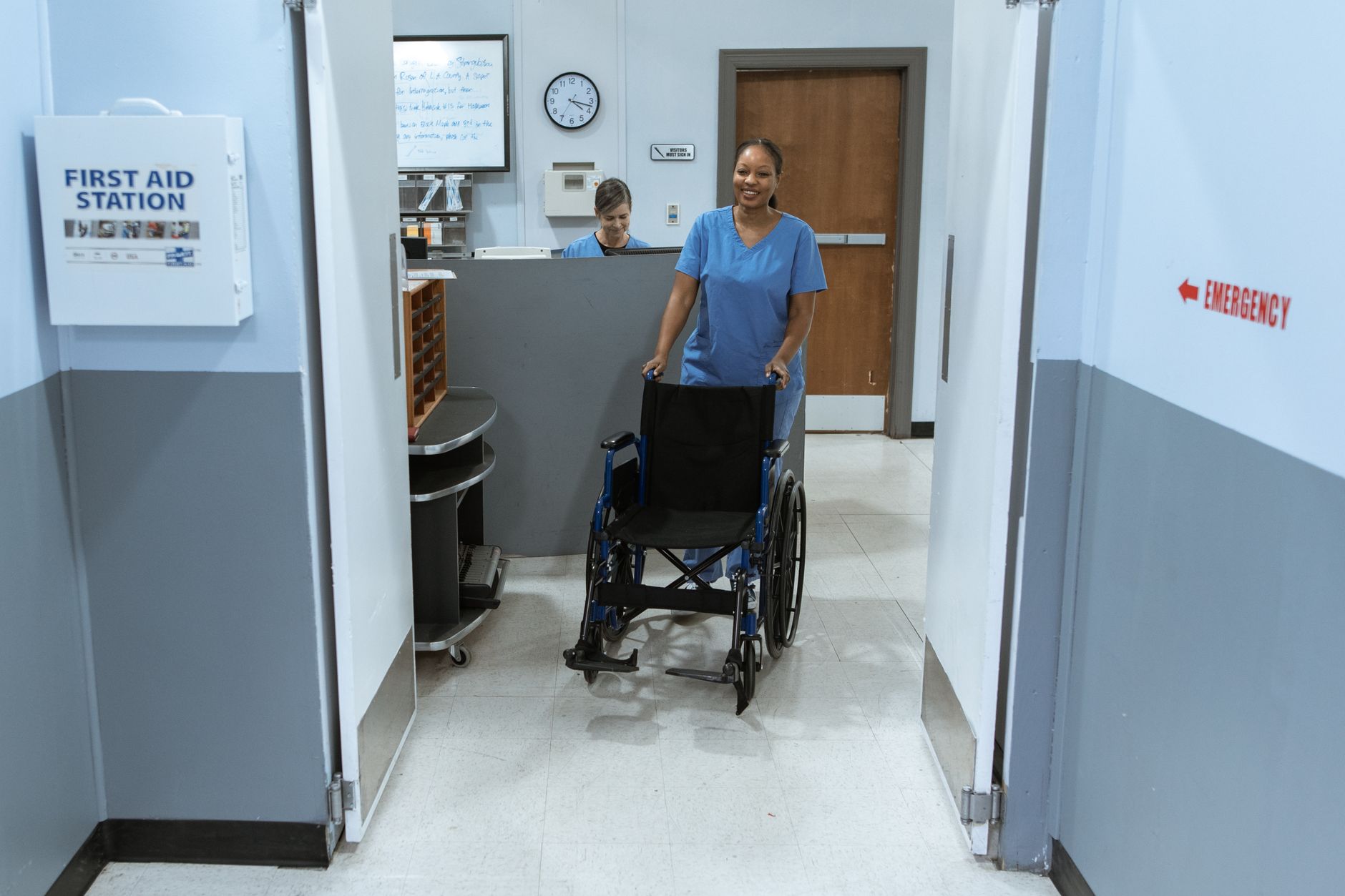
The nursing-unit handoff is where staff trust is won or lost. A robot arriving on time means little if the tote sits unattended, the unit secretary is unsure who can open it, or the charge nurse gets pulled into a search because the intended receiver never acknowledged delivery.
Keep the handoff narrow. Define one receiving role per unit and one backup. Use a specific drop zone, a scan or confirmation event, and a time limit for acceptance before the robot or dispatcher escalates. The handoff should feel closer to medication accountability than to package delivery.
This fits existing hospital practice better than many people think. According to ASHP's 2020 dispensing and administration survey, 74.5 percent of hospitals used automated dispensing cabinets as their primary drug distribution method, and more than 80 percent scanned barcodes when restocking those cabinets. In other words, pharmacy already lives in a world of controlled locations and scan discipline. The pilot should extend that logic, not invent a parallel culture.
Which exceptions deserve a written playbook before go-live?
Exception handling is not a side note. It is the operating model. If the elevator is out of service, the destination unit is on diversion, the tote seal is broken, the receiving point is unstaffed, the route is blocked by a bed, or the order is suddenly upgraded to stat, the pilot needs a named owner and a clock that starts immediately.
Write the exception playbook before the robot moves live medication. That document should say who monitors the queue, who calls the unit, when a technician takes over, when the tote returns to pharmacy, and how the event is coded for later analysis. Hospitals often think they need better robots when they actually need cleaner exception taxonomy.
A practical target is to keep the first month of exceptions boring and enumerable. Ten known failure modes with clear owners are manageable. A vague bucket called delivery issues is not. You cannot improve what you cannot classify.
- No receiver at destination within the acceptance window
- Seal mismatch or damaged tote
- Elevator or badge-access failure
- Urgency change after dispatch
- Blocked route or unit lockdown
- Robot offline, battery constrained, or unable to complete the run
What should you measure in the first 60 days?
Measure operational credibility before financial heroics. Pharmacy and nursing leaders need to know whether the AMR pilot reliably moved the right tote to the right unit, inside the promised window, with a clean receiving event and a manageable exception load.
Start with a compact scorecard: dispatch-to-delivery time, on-time delivery rate, successful first-attempt handoff rate, exception rate by category, seal-compliance rate, and minutes of technician walking avoided on the chosen loop. If a metric cannot change a staffing, routing, or policy decision, it probably does not belong on the first dashboard.
Then add learning metrics. Which units accept best. Which hours cause elevator drag. Which tote types generate confusion. Which exceptions came from building access versus human process. This is the difference between a robot pilot program and a staged deployment plan that can actually scale.
Where Service Robot Co. fits in the rollout
Central pharmacy is exactly the sort of environment where an OEM-neutral approach matters. Hospitals do not just need a machine. They need robot deployment and integration across elevators, doors, dispatch logic, staff training, maintenance response, and operating policy. Service Robot Co. acts as a full-service commercial robot integrator, selecting the right platform across manufacturers and then financing, deploying, integrating, training, and servicing each unit through a nationwide U.S. engineer network.
That model is useful for hospitals that want a robot pilot program without locking themselves into a single hardware story too early. If your team is weighing autonomous mobile robot rental, amr rental, robot leasing for business, or a longer lease rental or sale path, the important thing is not just the monthly structure. It is having one partner who can own the whole lifecycle, from site assessment mapping and go-live support to remote triage, on-site dispatch, and fleet expansion once the pharmacy loop proves out.
The right first result is modest and meaningful. One tote route family. A few nursing units. Clear handoffs. Documented exceptions. Evidence that pharmacy labor is being spent on pharmacy work. That is how central pharmacy pilots earn the right to grow.
Frequently asked questions
Sources
- PR Newswire July 27 2026 hospital logistics announcement
- ASHP 2024 hospital pharmacy workforce survey
- ASHP news summary of 2024 survey
- Joint Commission medication security FAQ
- ASHP policy on safe and secure transfer of controlled substances
- DEA Controlled Substances Act overview
- ASHP 2020 dispensing and administration survey
- ASHP barcode verification statement