Key takeaways
- Start with short, high-frequency back-of-house runs before you touch patient-facing workflows.
- Prove elevator behavior, handoff discipline, and privacy safeguards in the pilot, not after go-live.
- Track minutes returned to nurses and infusion wait time, not just robot trips.
- Pharmacy and specimen moves need tighter chain-of-custody rules than linen and general supplies.
- Scale only after charge nurses trust the operating model on a busy day, not just on a quiet one.
What does a good first pilot actually look like?
A strong first pilot in an oncology or infusion center is small, repetitive, and operationally boring. That is a feature, not a flaw. You pick a handful of short routes that pull staff away from patients, run them on a fixed schedule for a few weeks, and prove three things: the robot arrives on time, staff trust the handoff, and patient care stays protected.
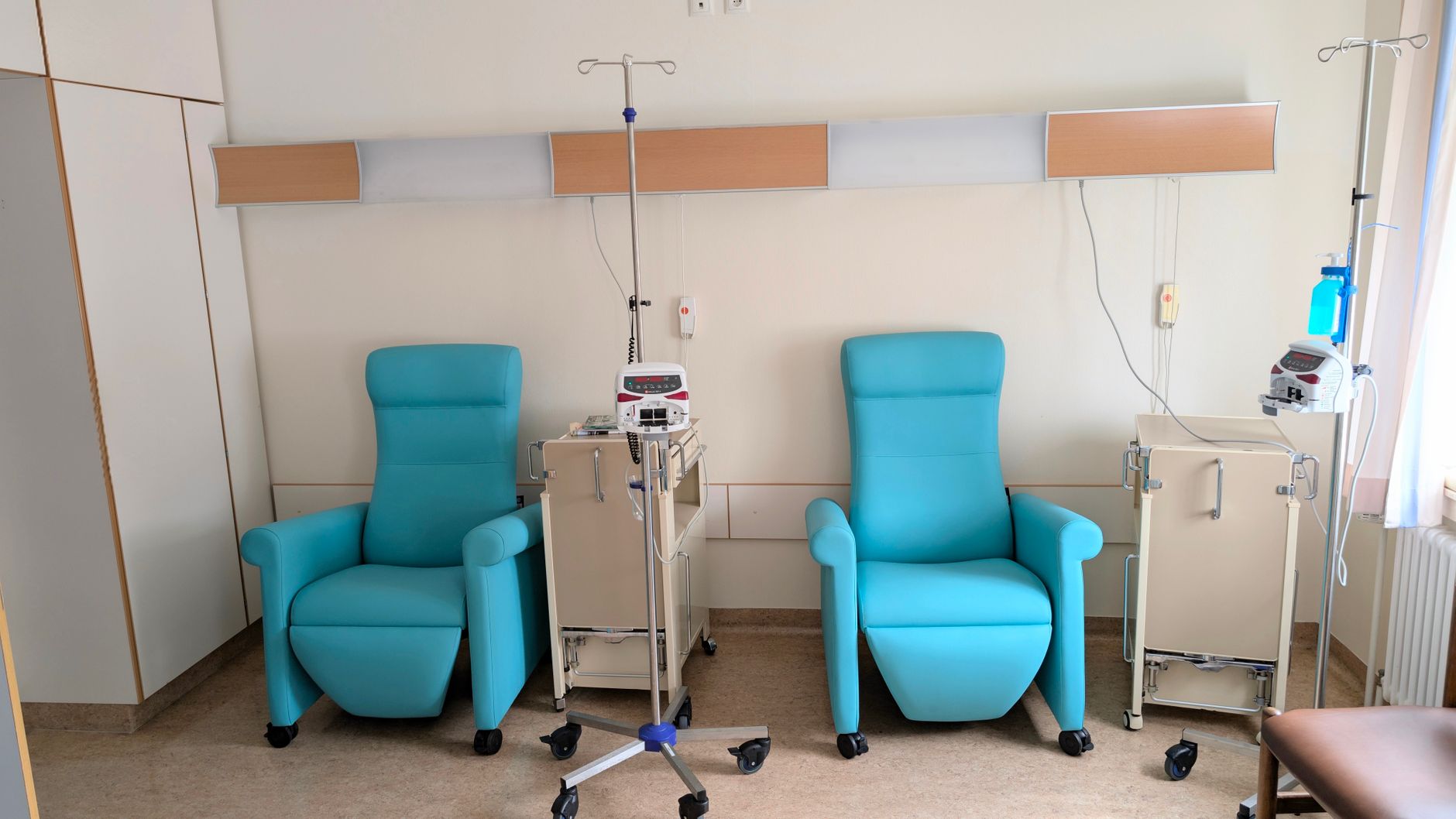
Infusion centers are often a better starting point than an acute-care hospital floor because the environment is calmer and more bounded. Patients still need privacy and careful treatment workflows, but traffic patterns are steadier, corridors are more predictable, and many trips repeat from the same pickup and drop points all day. According to the National Cancer Institute, chemotherapy may be delivered in a clinic, a doctor’s office, or a hospital outpatient department, which is exactly why outpatient transport discipline matters.
The pilot should not begin with every possible delivery task. Start with specimen, pharmacy, linen, and supply runs that already follow a recognizable cadence. If the robot can handle those consistently, you have the evidence to expand into a broader hospital delivery robot rental or office delivery robot rental program later. If it cannot, you have learned that before multiplying risk across the site.
Why are infusion centers such a practical first setting?
The staffing pressure is real, but the floor plan is usually friendlier than a full hospital. Nurses and medical assistants in infusion environments bounce between chairside care, vitals, line checks, calls to pharmacy, lab coordination, and small but constant fetch tasks. A pilot earns its keep when it trims those nonclinical miles without adding noise or confusion.
There is also a time-value argument. An AHRQ-funded 2023 report found nurses in one acute-care setting spent about 9.39 minutes at the bedside per patient during a 12-hour shift, which is a reminder that bedside time is scarce and easily eaten by nonnursing work. In oncology, that matters even more because patients are often sitting for long infusions, symptom monitoring, and medication education.
Process variation is another reason to pilot carefully. A 2019 JCO Oncology Practice study of cancer centers found average infusion wait times ranged from 25 to 102 minutes, with a mean of 58 minutes. A delivery robot will not fix every source of delay, but it can remove the avoidable transport friction that sits between a medication being ready and a nurse having what they need at the chair or in the clean room.
Which routes should you automate first?
Not every repetitive trip belongs in the first wave. The right opening set is the work that repeats many times per day, follows a clean path, and does not require bedside judgment. In most outpatient oncology sites, that means a measured mix of specimen transport, pharmacy handoffs, linen replenishment, and supply shuttles.
Specimen runs are often the most visibly useful because they are frequent and time-sensitive. But they need strict pickup labeling, sealed containers, and no ambiguity about who released the sample and who received it. Pharmacy runs can be excellent pilot routes too, especially for non-hazardous items, pre-positioned support meds, or empty-bin returns, but hazardous drug workflows require a tighter risk review.
Linen and general supplies are usually the easiest routes to start with. They are less clinically sensitive, easy to count, and good for proving route reliability, elevator calls, and docking behavior before you ask the robot to carry anything that could affect treatment timing.
- Specimen route: infusion pod to lab receiving, with sealed-bin handoff and timestamp capture
- Pharmacy route: pharmacy window to infusion support point, starting with lower-risk items and clear acceptance protocol
- Linen route: clean storage to infusion pods and soiled return to staging, if infection control permits the pattern
- Supply route: IV start kits, saline, PPE, pumps, and routine consumables between central storage and pods
How should you scope the pilot before the robot moves a single cart?
Map the pilot like an operations exercise, not a technology demo. Count trips by route, by time of day, by payload type, and by who gets interrupted today. Then identify the narrow windows where reliability matters most, such as the pre-open stocking rush, midmorning specimen peaks, and late-day backfill runs.
A practical baseline includes daily trip counts, average walking time per run, missed or delayed pickups, and the number of times nurses or MAs leave the treatment area for a fetch task. If you do not have those numbers, shadow the workflow for three to five days. The point is not academic precision. The point is to know whether repetitive transport automation is actually buying back labor.
This is also where a robot pilot program lives or dies. The route has to be boring enough for the robot and valuable enough for the staff. A good pilot is usually one floor, a small number of destinations, one elevator bank if needed, and a service schedule that can be audited trip by trip.
What do you need to prove about elevators, doors, and handoffs?
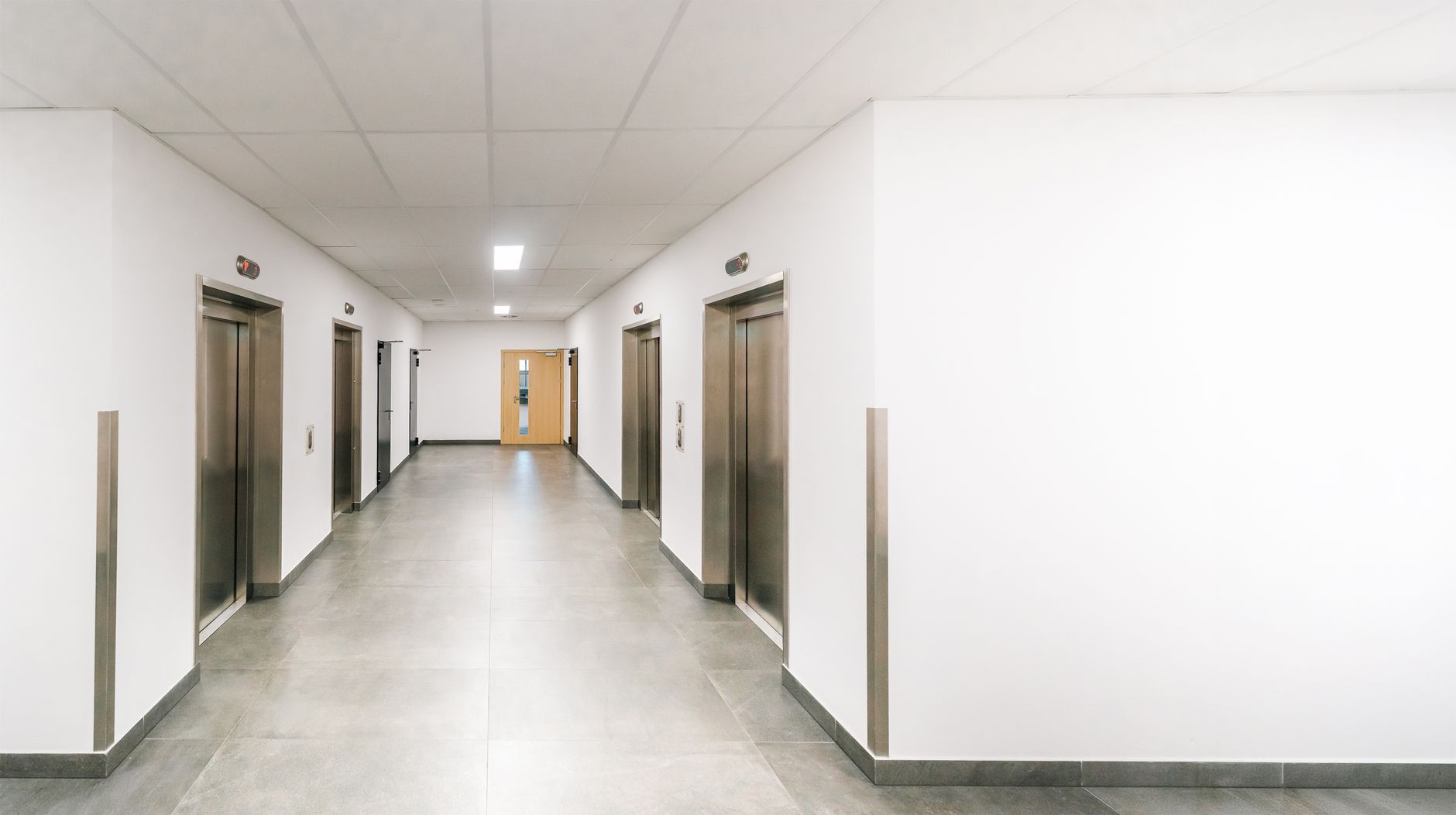
Multi-floor delivery robot work sounds simple until the first elevator miss or blocked doorway. Before scale, test the exact building behaviors that turn a map into a live route. That means elevator call success rate, average wait, door timing, badge or access control dependencies, and what happens when a patient transport cart is already inside the cab.
Run these tests during the real operating day, not just after hours. You want to see how the robot behaves when a volunteer stops it, a visitor stands in the doorway, or environmental services leaves a cart near the threshold. If your pilot depends on a delivery robot for elevators, write the fallback plainly. If the elevator does not answer in a set window, the robot returns to a staffed checkpoint or alerts a runner.
Handoffs matter just as much as navigation. Every route should have a named release point, a named receipt point, and a simple rule for unattended delivery. In most infusion pilots, the safest pattern is not free roaming at the chairside. It is controlled pickup and controlled drop at staff-owned nodes.
- Test elevator completion rate by hour and by car, not just overall
- Measure door-clearance failures and the most common obstruction points
- Require a visible receipt workflow for specimens and pharmacy payloads
- Define who intervenes after a failed trip and how quickly the route reverts to manual
How do privacy and hazardous-drug rules shape the design?
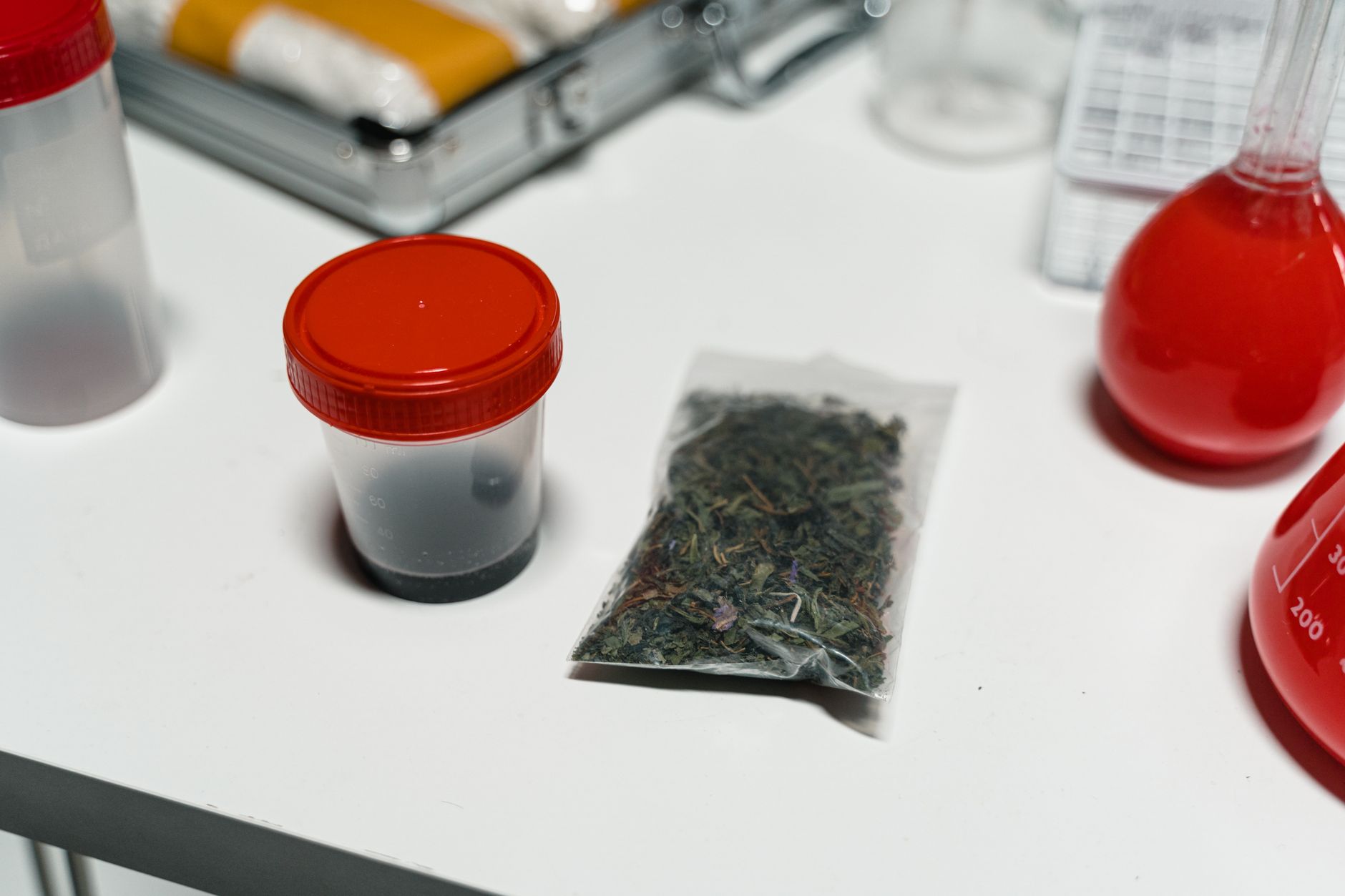
Patient privacy is not a side note in outpatient oncology. HHS guidance says incidental disclosures can be permitted under HIPAA when covered entities use reasonable safeguards and limit information appropriately. For a robot pilot, that means the payload, screen, audio prompts, and route behavior all need to be designed so the robot does not broadcast patient information while moving through semi-public areas.
In practice, that usually means no patient names on exterior labels, no spoken destination details that reveal treatment context, and no open bins. Pickup screens should show only the minimum needed for staff. If a unit pauses near waiting areas, the display should not become a rolling whiteboard of protected health information.
Hazardous-drug workflows deserve a separate gate. CDC says about 8 million U.S. healthcare workers are potentially exposed to hazardous drugs, and USP Chapter 800 applies to personnel who receive, prepare, administer, transport, or otherwise come into contact with them. That does not rule out a medication transport robot, but it does mean your first pilot should distinguish clearly between low-risk supply movement and any route involving antineoplastic handling, spill response, or decontamination requirements.
What wins nurse acceptance before scale?
Nurse acceptance is not won with novelty. It is won when the robot removes nuisance work without creating a new babysitting job. Charge nurses and infusion leads should help choose routes, define handoff rules, and set the hours when the pilot must perform. If they do not shape the playbook, they will not defend it on a hard day.
Keep the human interface blunt and fast. Staff need to know how to summon the robot, how to confirm a handoff, and who to call if the route breaks. According to the Bureau of Labor Statistics, private-industry registered nurses had a 2021 to 2022 days-away-from-work injury and illness rate of 220.9 cases per 10,000 full-time workers. That statistic is broader than transport alone, but it is a useful reminder that reducing wasted motion and avoidable errands is not cosmetic.
One more rule matters here. Do not judge acceptance on a polished demonstration. Judge it on a Tuesday when the chairs are full, the lab queue is uneven, and staff still choose to use the robot because it is faster than sending someone down the hall.
Which pilot metrics tell you to expand, pause, or redesign?
The best scorecard mixes labor, reliability, and care-flow signals. Trip count alone is vanity. What you really want is minutes returned to clinical staff, successful deliveries by route type, handoff compliance, and any measurable change in infusion bottlenecks such as delayed starts caused by missing supplies or late specimen movement.
Track exceptions aggressively. A near miss with a mislabeled specimen, a dropped acceptance step, or an elevator timeout is more informative than a week of uneventful linen runs. For infusion sites, I would also watch patient-facing friction closely: hallway congestion, noise complaints, blocked sightlines, and any instance where staff feel the robot is intruding into the treatment experience.
A reasonable scale gate is simple. Expand only after the pilot meets its service target for several consecutive weeks, staff still use it during busy periods, and the exception pattern is understood. If the robot performs well only with heavy handholding, you do not have a deployment yet. You have a demo.
- Minutes of staff walking removed per day
- On-time completion rate by route
- Manual intervention rate and root cause
- Specimen chain-of-custody compliance
- Nurse adoption rate on busy days
- Patient or visitor complaints tied to the route
Where Service Robot Co. fits in this kind of rollout
For operators, the hard part is rarely picking a robot from a brochure. The hard part is matching the route, payload, building controls, financing path, training plan, and service coverage into one accountable program. That is the work of robot deployment and integration, and it is where an OEM-neutral partner can matter.
Service Robot Co. operates as a full-service commercial robot integrator for U.S. businesses. The company is vendor neutral, which matters in outpatient healthcare because the right robot for a specimen shuttle may not be the right fit for a linen loop or a delivery robot for elevators. Service Robot Co. can finance, deploy, integrate, train, and service each unit through a nationwide U.S. engineer network, so the operator has one vendor for the full lifecycle.
That is useful for a first pilot because the commercial question is tied to the operating question. Some centers want a commercial robot demo or a try before you buy program. Others prefer service robot rental, robot leasing for business, or monthly payment programs with maintenance included while they prove adoption. The right structure is the one that makes the pilot easy to audit and easy to expand if the route economics hold.
Frequently asked questions
Sources
- National Cancer Institute chemotherapy overview
- HHS HIPAA Privacy Rule summary
- HHS incidental uses and disclosures guidance
- CDC hazardous drugs in healthcare
- USP Chapter 800 hazardous drugs handling
- BLS nurse injury and illness rates
- AHRQ nurse bedside time report
- JCO Oncology Practice infusion efficiency study