Key takeaways
- Rank robot jobs by patient, guest, or production impact before any outage calendar entry.
- Pre-stage offline maps, spare batteries, and manual SOPs before Wi-Fi or BMS work starts.
- Charge to target state of charge before planned power cuts and note which docks lose power.
- Run a post-outage validation pass on maps, safety zones, and telemetry before full autonomy returns.
- Loop your integrator into the outage ticket so loaner units and remote triage are pre-authorized.
Which planned outages hit robot fleets first?
Planned outages look harmless on a facilities calendar until you list what robots actually need live. Wi-Fi maintenance kills cloud dashboards and sometimes fleet orchestration. Building management system upgrades can drop elevator integrations or door permissions. Electrical shutdowns starve charging docks on one wing while the other still runs.
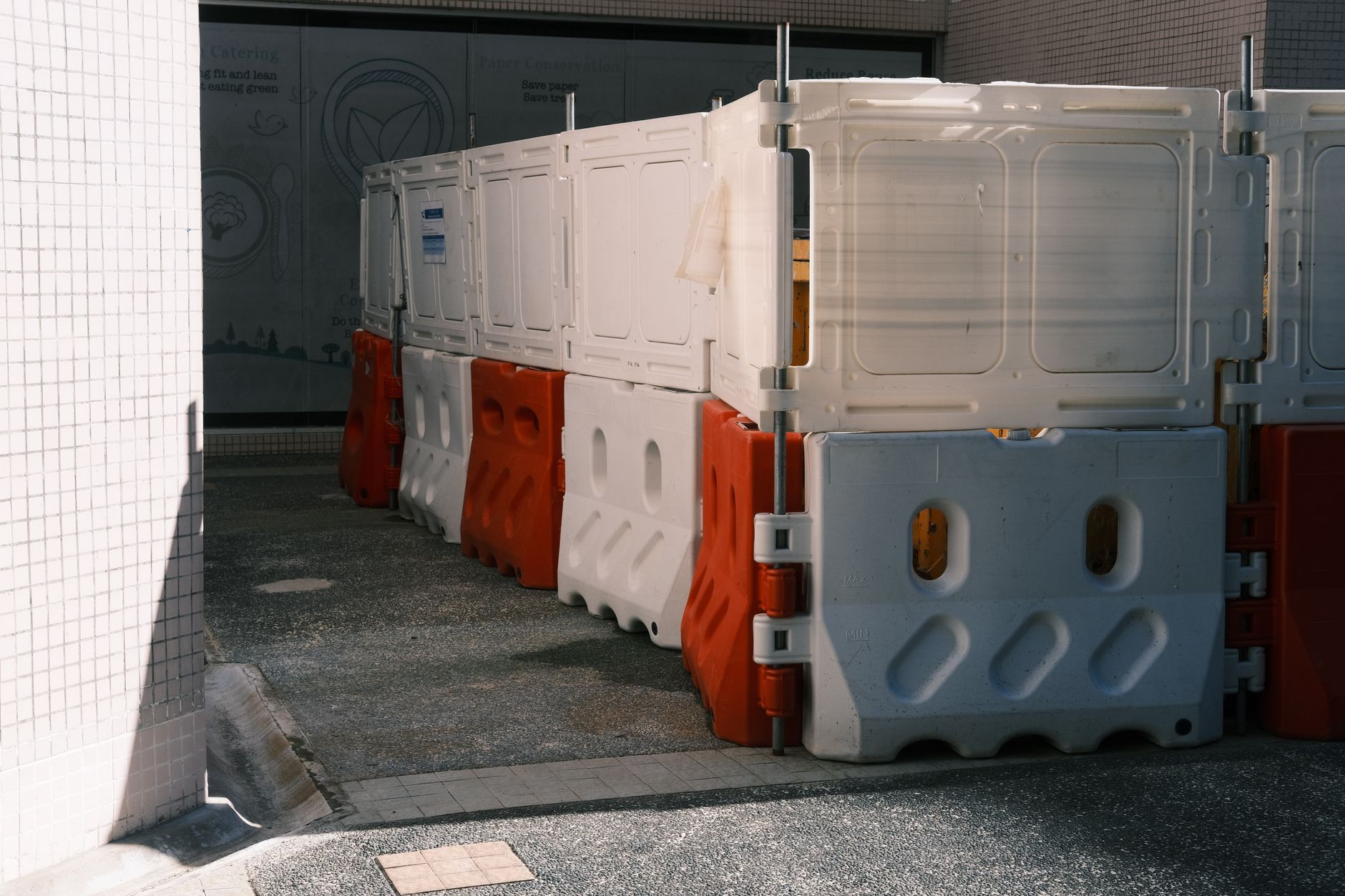
Renovation barricades are outages too. Tape on the floor is a navigation change whether IT planned it or not. Treat every scheduled cut as a robot event, not only as an IT ticket.
According to the International Federation of Robotics executive summary for World Robotics 2025 service robots, professional service robot unit sales rose about 9 percent to more than 199,000 globally in 2024. More sites depend on those units daily, so a missed outage plan now shows up as a missed scrub, tray run, or patrol loop the same night.
How should you tier essential robotic work?
Start with the tasks that protect safety, compliance, or revenue if they slip one shift. Hospital specimen loops, cold-chain patrols, and after-close scrubbing on food floors usually sit in tier one. Lobby polish and optional audit routes drop to tier two when hours are tight.
Write tiers into the runbook, not into someone's memory. Night managers should know which routes to pause first when the window runs long.
Tiering also tells you how many manual backups to schedule. Two porters may cover tier one scrubbing for one wing while tier two waits for the network to return.
What fallback routes and maps should you prepare?
Before maintenance, export the last known good maps and no-go zones to local storage on each robot or edge server that can run offline. Mark alternate paths that avoid the outage zone without crossing renovation tape.
For AMRs, define a manual tug path for tier-one totes when autonomy is paused. For scrubbers, split the floor into east and west loops so half the building still cleans if one AP cluster is down.
Test those fallbacks on a quiet shift the week before the outage. A fallback that never ran in practice will fail when crews are already stressed.
How do you handle charging during power shutdowns?
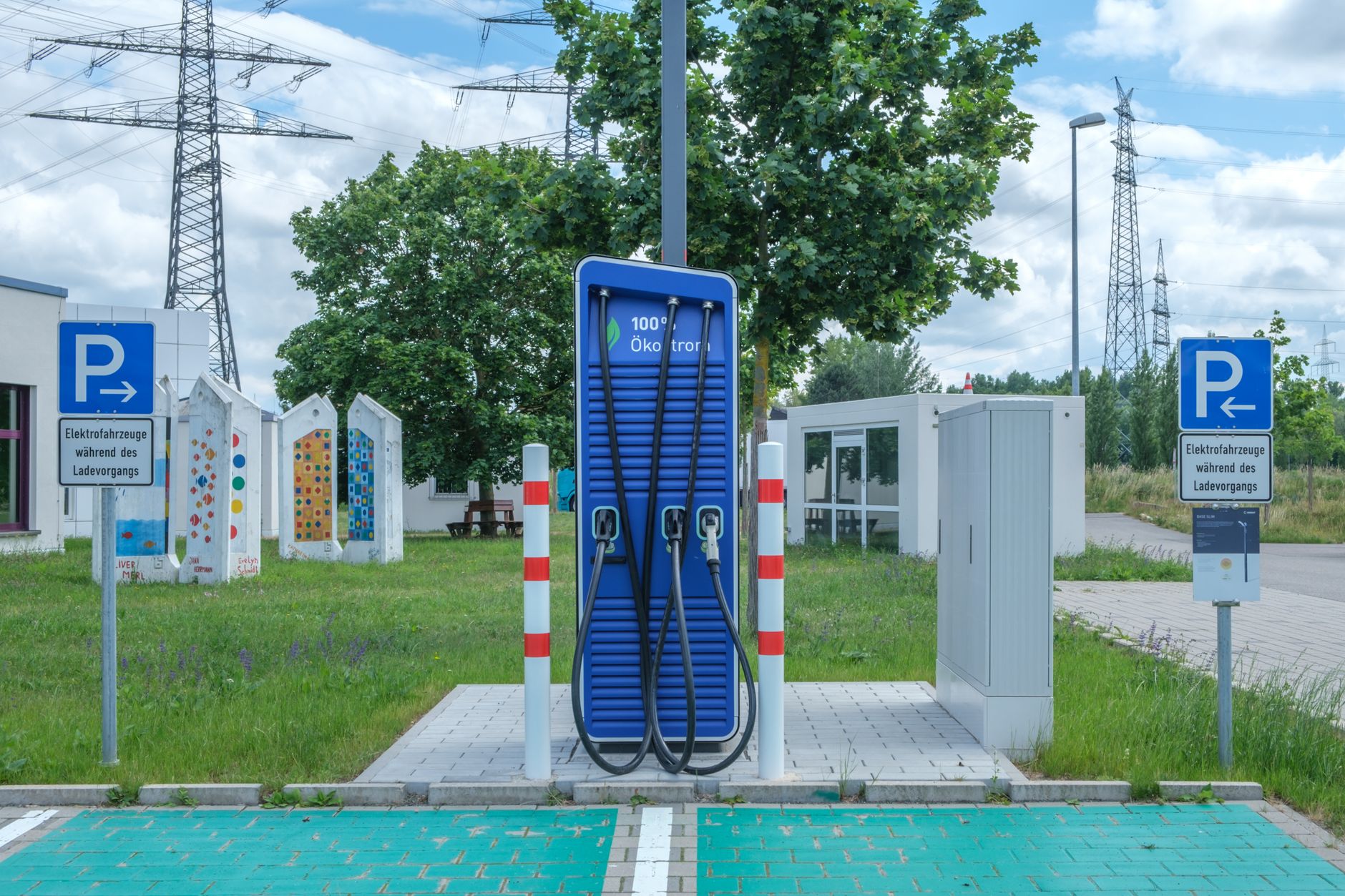
Identify which docks sit on circuits that will go dark. Top off batteries the night before to your vendor's recommended state of charge for storage or partial shifts.
If only part of the dock row loses power, rotate units through live chargers on a written schedule. Label robots that must stay plugged in for firmware work separately from units you need on the floor.
After power returns, wait for full BMS stabilization before fast charging. Voltage sag during generator tests has bricked charging handshakes on more than one site.
What manual procedures backstop paused robots?
Pair every tier-one robot route with a human procedure that covers the same floor or lane at lower frequency. Keep chemical ratios and safety signage identical so audits do not see a gap.
Stock extra squeegees, mop heads, or cart bins where manual coverage runs. Manual backup is not mop and hope. It is a staffed mini-route with a start and stop time.
Brief security and janitorial leads on the same radio channel during the outage. When robots pause, humans need one escalation path, not three.

How should communications run during the window?
Open one bridge call or chat that includes facilities, IT, the night supervisor, and your robot integrator on standby. Post the outage start, expected end, and frozen zones where robots must not enter.
If cloud monitoring is down, assign someone to walk the floor on a timed checklist and log robot states on paper or offline forms. Photos of barricades help the mapping team after reopen.
Service Robot Co. clients can pre-authorize remote triage minutes on integrator service plans so faults during overlap windows get eyes without waiting for a new ticket in the morning.
What belongs on a post-outage validation pass?
Before you release full autonomy, rerun a short supervised loop on each affected floor. Confirm LiDAR sees new wall layouts, elevator doors respond, and wireless handoff is stable at dock approaches.
Compare telemetry timestamps to the maintenance log. Gaps should match the planned window, not mystery reboots.
Run ATP or your chosen cleanliness check on scrubbed areas if the outage interrupted a chemical dwell step. Re-queue any half-finished robot job instead of marking it complete.
- Verify map version IDs match post-renovation layouts.
- Test elevator and door integrations on one live delivery run.
- Confirm each dock reports online on the fleet dashboard.
- Review fault logs for hidden estops during the outage.
- Sign off tier-one routes before tier-two autonomy resumes.
When should your integrator join the outage plan?
Invite the integrator when the outage touches navigation, power at docks, or firmware on multiple units. They can stage loaner robots, push map updates, and align service engineers with your maintenance clock.
Share the same tier list and manual SOPs so integrator staff do not restart routes that facilities intentionally paused.
After validation, one partner number should clear the fleet for autonomous mode again. Split approvals between IT and operations recreate the confusion the outage plan was meant to prevent.