Key takeaways
- Patrol robots collect video, audio, location, and sometimes license plates, so legal, security, IT, and facilities must agree on rules before the first route runs.
- Nineteen U.S. states now have comprehensive consumer privacy laws, and eight of those regimes took effect in 2025 alone, raising the bar on notice, retention, and vendor contracts.
- The FTC expects businesses to collect only needed data, protect it, and dispose of it securely even while commercial surveillance rulemaking remains open.
- A written review should cover capture zones, retention periods, role-based access, subcontractor flows, and on-site signage that matches what the hardware actually does.
- Month to month patrol pilots still need the same privacy baseline as owned fleets because incident clips and cloud backups start on day one.
Why should patrol robots go through a privacy review first?
Because the camera is only the visible part. A patrol robot also generates location history, operator login events, cloud upload metadata, and sometimes license-plate reads or two-way audio files. Those records can identify employees, guests, contractors, or passersby on public sidewalks adjacent to your lot.
Security teams often buy patrol robots to reduce blind spots. Privacy risk shows up when nobody has decided how long clips live, who can download them, or whether microphones stay enabled by default. A structured review forces those choices before union reps, tenants, or regulators ask uncomfortable questions.
According to the Future of Privacy Forum, nineteen U.S. states had enacted comprehensive consumer privacy laws between 2018 and 2024, and Perkins Coie reported that eight such laws became operative in 2025. Even if your site is not a consumer app, those laws shape vendor contracts, employee notice, and how partners expect you to handle personal data.
Who belongs on the patrol robot privacy working group?

Start with security operations and facilities, because they own routes, alarms, and signage placement. Add IT or cybersecurity for identity management, network segmentation, and log retention. Legal or compliance should sit in the room early, not after clips leak to the wrong shared drive.
Human resources matters when robots film break areas, time clocks, or union zones. Property managers and tenant liaisons matter on multi-tenant campuses where one owner's patrol path sees another tenant's dock.
Name a single decision owner who can say yes or no on microphone enablement, plate recognition, and third-party monitoring. Service Robot Co. often joins as integrator to translate vendor defaults into settings your policy can defend.
What data categories should the inventory list?
Video is obvious. Also list panoramic stills, thermal frames if equipped, LPR strings, audio snippets, intercom recordings, GPS or SLAM maps, and diagnostic telemetry that may include Wi-Fi SSIDs or device names.
Map each category to a purpose: theft deterrence, incident investigation, slip-and-fall documentation, or remote guard verification. If a field does not support a written purpose, disable it in configuration rather than collecting out of habit.
The Federal Trade Commission's privacy guidance tells businesses to collect only what they need, keep it safe, and dispose of it securely. Use that sentence as a filter on every checkbox in the vendor admin console.
How should you decide camera fields of view and blur zones?
Walk the route with a printed map. Mark windows, residential sightlines, cash-handling counters, and medical intake areas that should never be stored in full resolution. Many platforms support privacy masks or lowered resolution zones once you load a floor plan.
Night infrared can see farther than daytime lenses. Test after dark, not only at noon. A patrol path that skirts a public sidewalk may still capture faces; angle mounts inward and raise signage where local rules require notice of surveillance.
Document who can change masks after go live. If any operator can drag a rectangle in an app without approval, your governance failed on day thirty.
When are microphones and two-way audio worth the risk?
Two-way audio helps a remote guard speak to someone at a gate. It also records bystander conversation and may capture health or financial information spoken nearby. Default microphones off, enable only on tier-one alarms with a written script and training.
If audio stays on for deterrence, set short retention and restrict playback to named roles. Tell facilities staff where speakers are audible so they do not conduct private disciplinary talks within range.
Some states treat voiceprints or persistent face templates as sensitive data. If analytics go beyond live view into biometric matching, escalate legal review before you toggle those features.
How do license-plate capture and retention get decided?
LPR helps match a trailer to a gate log. It also builds a searchable history of vehicles that belong to employees, vendors, and neighbors. Decide whether plates are stored at all, how long strings remain, and whether exports go to a separate access-controlled system.
Align LPR retention with your written video policy or shorten it further. Mixed policies confuse auditors. If you only need live verification, configure the robot to pass plate text to your access control without keeping a historical database on the vendor cloud.
Contract language should say whether the integrator or OEM can use aggregated telemetry for model training. If the answer is unclear, assume they might and negotiate opt-out in writing.
What signage and notices should match the hardware?
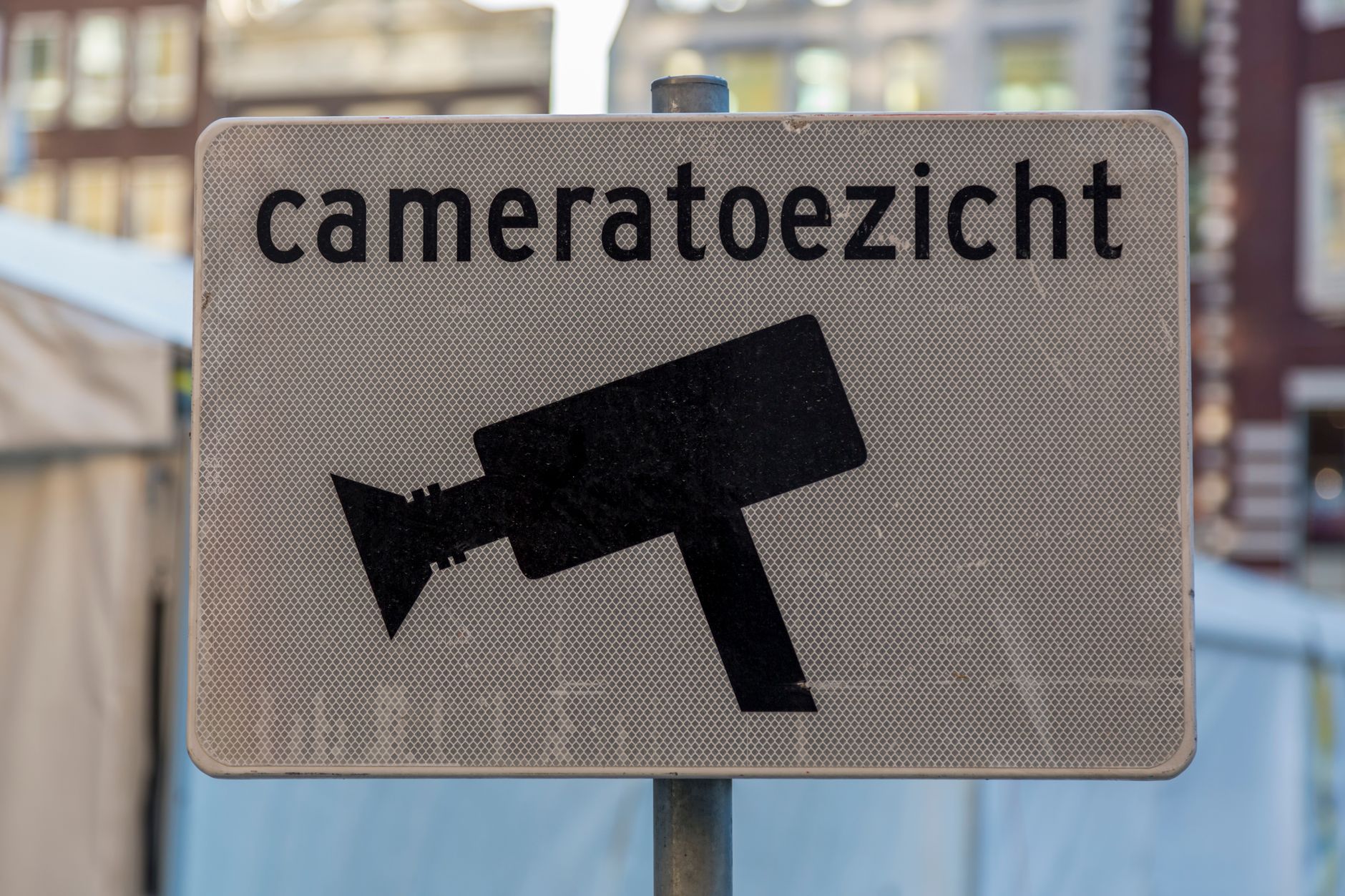
Signage should describe what you actually record, not generic security camera language if the unit also streams audio or reads plates. Place signs at vehicle entries, pedestrian gates, and loading docks where lenses point.
Employees may need a separate notice if robots film parking assignments or clock-in areas. Tenants may need addenda in commercial leases when shared garages are patrolled.
Keep PDF copies of sign artwork and install dates. When you move a dock, update signs in the same change ticket that remaps the robot route.
How do access controls and vendor practices get tested?
Role-based access should separate live view, clip download, configuration, and user administration. Require multi-factor authentication for cloud consoles and disable shared passwords.
Ask vendors where video is processed, whether encryption applies in transit and at rest, and how subprocessors in other countries fit your data processing agreement. The FTC continues to enforce against unfair or deceptive data practices under Section 5 while commercial surveillance rulemaking remains open.
Run a tabletop exercise: someone requests all footage of a specific person over thirty days. Can you produce it? Can you delete it? How long do backups linger? Answers belong in the privacy review packet.
Where does Service Robot Co. fit in the review?
We help operators compare patrol hardware with different default privacy postures, then document the configuration your legal team approves before routes go live. Financing and deployment stay tied to that baseline so a mid-pilot settings drift does not void your sign-off.
Inspection robot rental or patrol robot rental monthly can include a pilot on one garage or yard while legal finishes enterprise-wide policy. We train local staff on mask edits, export requests, and incident holds.
One partner and one number keeps firmware, cloud regions, and spare units aligned with the retention schedule you committed to on paper.