Key takeaways
- Sanitation SOPs belong with the robot map, not in a forgotten binder.
- Removable bins beat spraying electronics every run.
- Contact time matters as much as the brand on the bottle.
- Cross-contamination controls need color coding and sealed routes.
- Logs prove compliance when infection control asks for evidence.
Why do delivery robot compartments need their own SOP?
A delivery robot is a mobile cart with software. Compartments touch food trays, linen bundles, specimen bags, guest amenities, and sealed supply totes. Each payload class carries different spill, odor, and infection-control rules. A single wipe-down habit copied from a human-pushed cart will miss contact times, incompatible chemistry, or bin swaps your quality team expects.
Hospitals, hotels, and central kitchens already document sanitation for manual carts. Autonomous delivery should meet the same bar, plus protect cameras, latches, and interior fans from liquid intrusion.
A written procedure also trains temps who rotate every season. They should not guess which spray is allowed on a meal run versus a linen loop.
According to the Association of Food and Drug Officials pocket guide to the FDA Food Code, sanitization on food-contact surfaces must yield a 99.999 percent reduction of representative disease microorganisms when applied correctly. Robot compartments that carry exposed trays should be held to that same performance standard, not a casual housekeeping wipe.
Which payloads drive different cleaning steps?
Meal and grocery trays need food-contact safe procedures after any visible soil or shift change. Linen and housekeeping supplies need biohazard-aware handling when bags leak. Specimen and pharmacy totes need chain-of-custody friendly logs with named cleaners and times.
Amenity and retail packages are lower risk but still need crumb and allergen control when routes mix guest items with back-of-house tools. Never run a mixed compartment without a defined barrier or removable liner.
Tag each robot route with a payload class in the fleet UI so the sanitation checklist auto-selects the right steps.
Hotel room service, hospital meal tray transport, and commissary sealed totes each sit on different chapters of your infection-control manual. The SOP should name which checklist applies before the robot leaves the charger.
How do you choose compatible chemicals?
Start from your facility approved list for the surface material inside the compartment, usually painted metal, plastic liner, or stainless insert. Infection control or food safety approves chemistry, not the robotics vendor.
Match the label to the task: detergent wash, disinfectant with stated contact time, or sanitizer for food zones. Do not mix bleach and ammonia categories on the same shift without a rinse protocol.
Keep concentrations per manufacturer instructions. Stronger is not faster when it corrodes latch springs or clouds interior cameras.
EPA-registered labels govern what you can claim on food-contact hard surfaces. If a product is only cleared for non-food contact, it stays on exterior handles and bumpers, never on the liner that touches trays.
What contact times should staff actually wait?
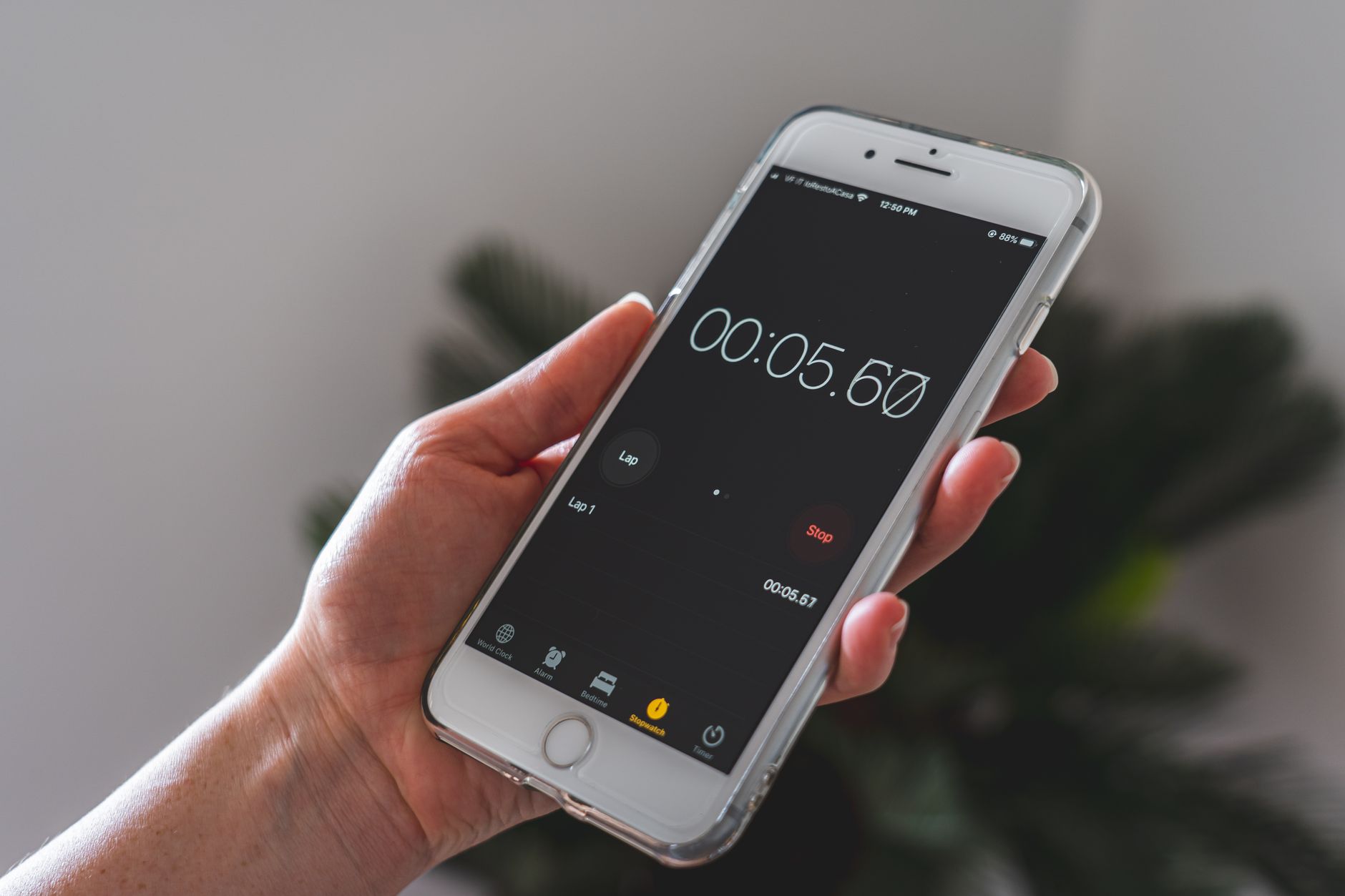
Contact time is the minutes the surface stays wet per label directions. Wiping until dry in ten seconds fails most hospital disinfectant labels and many food-contact sanitizer labels.
The FDA Food Code section on chemical sanitization lists at least 10 seconds contact for chlorine solutions and at least 30 seconds for other approved chemicals when those methods are used on utensils and equipment. Conference for Food Protection guidance for retail and foodservice establishments notes that many food-contact surface sanitizers are labeled for a one-minute wet time, and staff should follow the longest time on the bottle when multiple organisms are listed.
Post a laminated clock card on the charging wall: spray, wait, wipe, inspect. Supervisors spot-check with a timer during busy meal rushes.
When time is short, swap removable bins instead of rushing chemistry. A spare bin on a clean cart beats a half-sanitized cavity.
When should bins come out versus in-place cleaning?
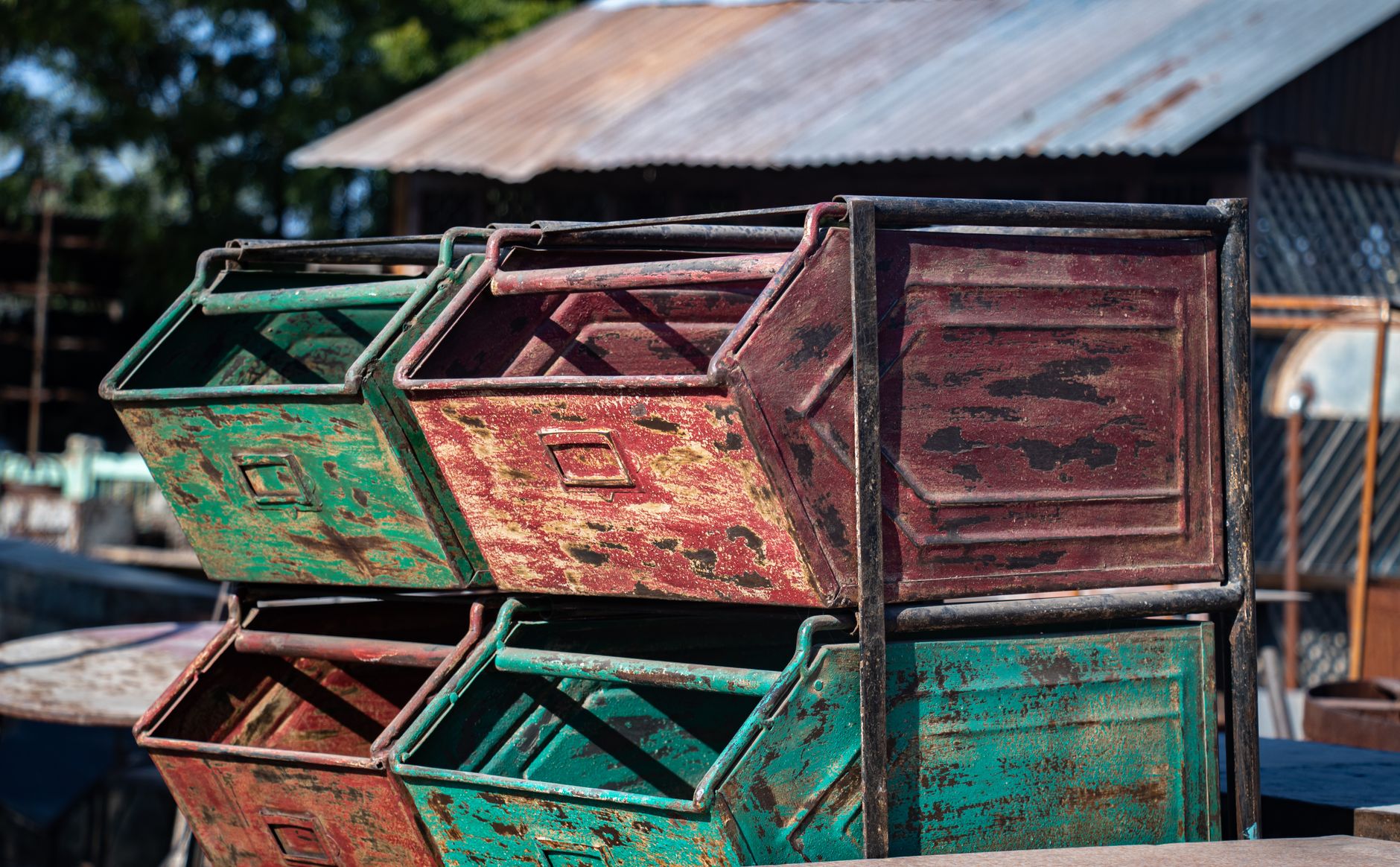
Removable bins should leave the robot for sink or cart-washer cleaning when soil is heavy or odor lingers. In-place wipe-downs suit light dust between identical payload runs.
Assign color-coded bins per payload family. Red for bio-adjacent linen, blue for meal service, clear for sealed pharmacy totes only.
Inspect gaskets and latches when bins return. Pinched seals trap moisture against electronics below the liner.
Warewasher cycles that meet mechanical hot-water sanitization temperatures can replace manual wiping for detachable inserts, but only when your quality team has validated the machine for that bin geometry.
How do you protect electronics during sanitation?
Power down or lock compartments per manufacturer information for use before liquid cleaning. Cover camera lenses only with approved films if your procedure allows, never with random tape that leaves residue.
Never aim hoses at vent slots, USB service doors, or lid sensors. Mist applications beat streaming water.
Dry time before power-on prevents phantom fault codes on the next run. A five-minute air dry belongs in the SOP, not left to chance.
21 CFR 178.1010 allows specific sanitizing solutions on food-processing equipment when followed by adequate draining before food contact. Robot liners that mimic processing equipment should observe similar drain-and-dry steps even when the payload is a guest meal.
What records satisfy infection control and auditors?
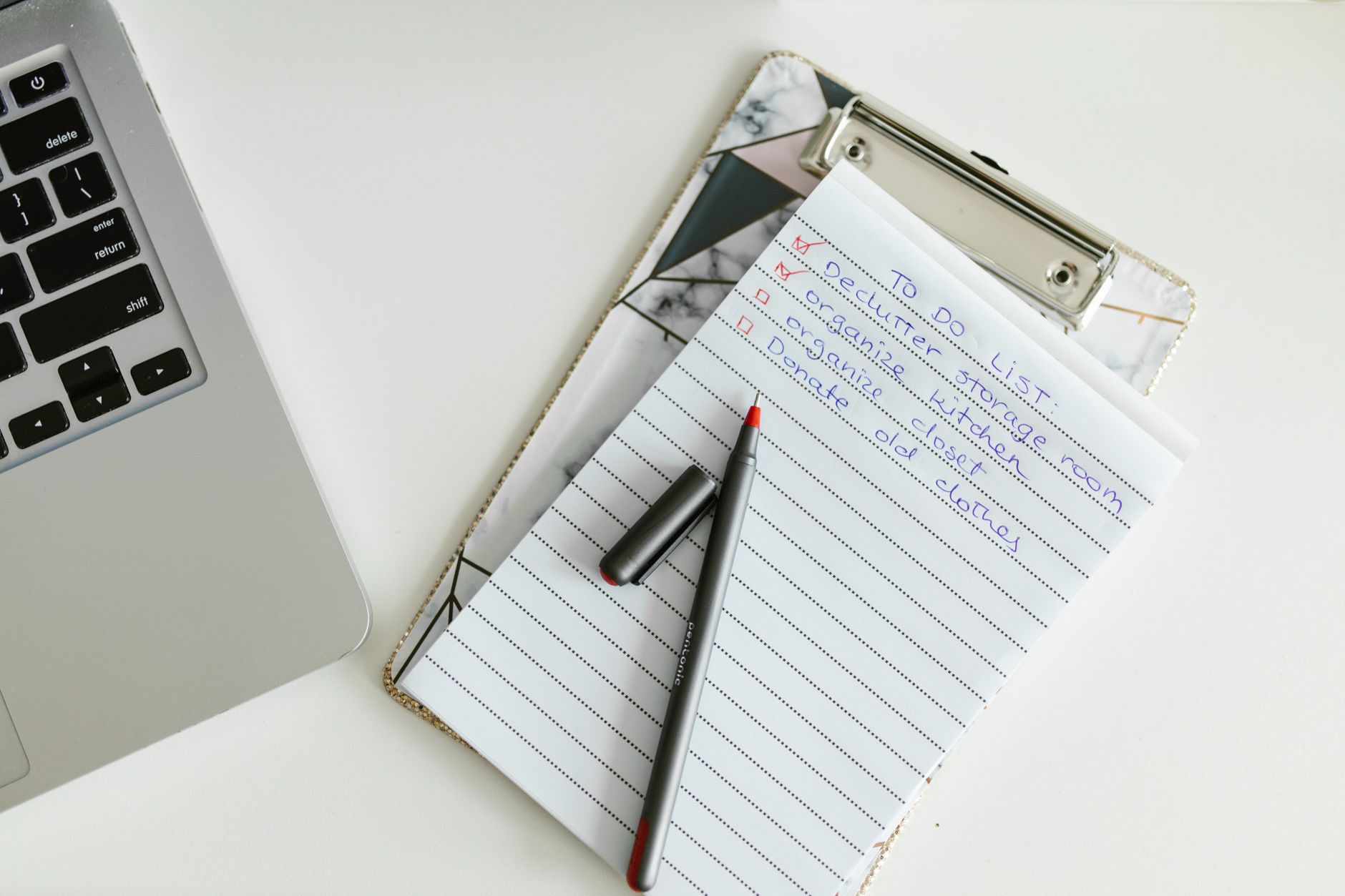
Log robot ID, compartment ID, cleaner name, chemistry lot if required, start and end time, and pass-fail visual check. Digital forms tied to route completion beat paper that never leaves the charging alcove.
Attach photos only if policy allows and storage is secure. Most auditors want timestamps and signatures, not a gallery.
Retain logs for the period your facility policy states, often aligned with food or clinical record rules.
During joint commission or health department walks, investigators often ask for the last three days of sanitation records on any cart touching patient meals. Treat robot logs as part of that packet.
How do you prevent cross-contamination between routes?
Segregate robots or compartments when possible: one unit for meal loops, another for linen. Shared units need full sanitation between class changes, not a quick aromatics wipe.
Define no-mix rules for allergens and halal or kosher paths if your kitchen serves multiple menus. Robotics does not remove religious or allergy boundaries.
Block software routes until sanitation status clears in the fleet dashboard. A green icon should mean a human confirmed the SOP, not that the robot assumes cleanliness.
Color-coded mop heads and microfiber rules that janitorial teams already use should extend to robot liners. Shared rags between linen and meal bins are an easy failure mode during surprise audits.
Who owns sanitation by shift?
Environmental services, food safety, and nursing education each own pieces. Robotics leads own how to open compartments without damaging latches.
Assign a named owner per shift: dayside EVS lead, night kitchen manager, or nursing supervisor for clinical loops. The owner signs the log, not whichever passerby had a spray bottle.
Train on hire, after any chemistry change, and after a spill incident. Seasonal workers need the module on day one before they dispatch robots.
Service Robot Co. customers can bundle refresher visits when new compartments or routes go live so onsite language matches the written SOP.
What belongs on a one-page wall chart?
List payload class, approved products by name from your internal list, contact minutes, bin swap yes or no, and who signs the log.
Add a do-not list: no pressure washers, no unapproved quats on food liners, no shared rags between linen and meal bins.
Update the chart version when the fleet software adds a new compartment size. Old charts teach wrong latch sequences.
- Visual soil check before every shift
- Label-compliant wet time (often one minute on food-contact sanitizers)
- Gasket inspect after bin reinstall
- Route hold until log signed