Key takeaways
- Speed is a zone property, not a single fleet default.
- Stopping distance grows faster than speed, so corners need lower caps than straightaways.
- Payload and floor coating change the safe number even on the same map line.
- Clinical and guest crossings deserve the slowest tier, not a polite sticker.
- Revalidate limits after every layout change or seasonal crowd pattern shift.
Why should speed limits change by zone?
A fleet-wide top speed sounds simple until a robot meets a blind corner, a queue at a clinic desk, or a pallet staged half in the lane. Speed limits by zone match how people actually move through your building. Open pick aisles can run faster. Handoff buffers, elevator lobbies, and marked pedestrian crossings should run slower.
Mobile robot safety guidance treats the operating environment as something you manage over time. When traffic density or layout changes, the safe speed profile changes too. Treat zone speeds as living settings tied to your risk assessment, not a one-time commissioning checkbox.
Operations wins when supervisors can explain why zone three is slower than zone one. Temps and contractors follow rules they understand.
Which zones usually get the fastest speeds?
Long, straight pick aisles with good lighting and no guest traffic are typical fast zones. Visibility is clear, intersections are few, and pedestrians are trained to stay out.
Even fast zones need a ceiling. Run validation on your actual floor coating with the heaviest common payload. Wet or dusty seasons may force a seasonal cap without renaming the zone.
Mark fast zones on the map with a distinct color in the supervisor UI so engineers do not accidentally copy a fast profile into a mixed-traffic corridor.
Where must speeds drop for blind corners and doors?
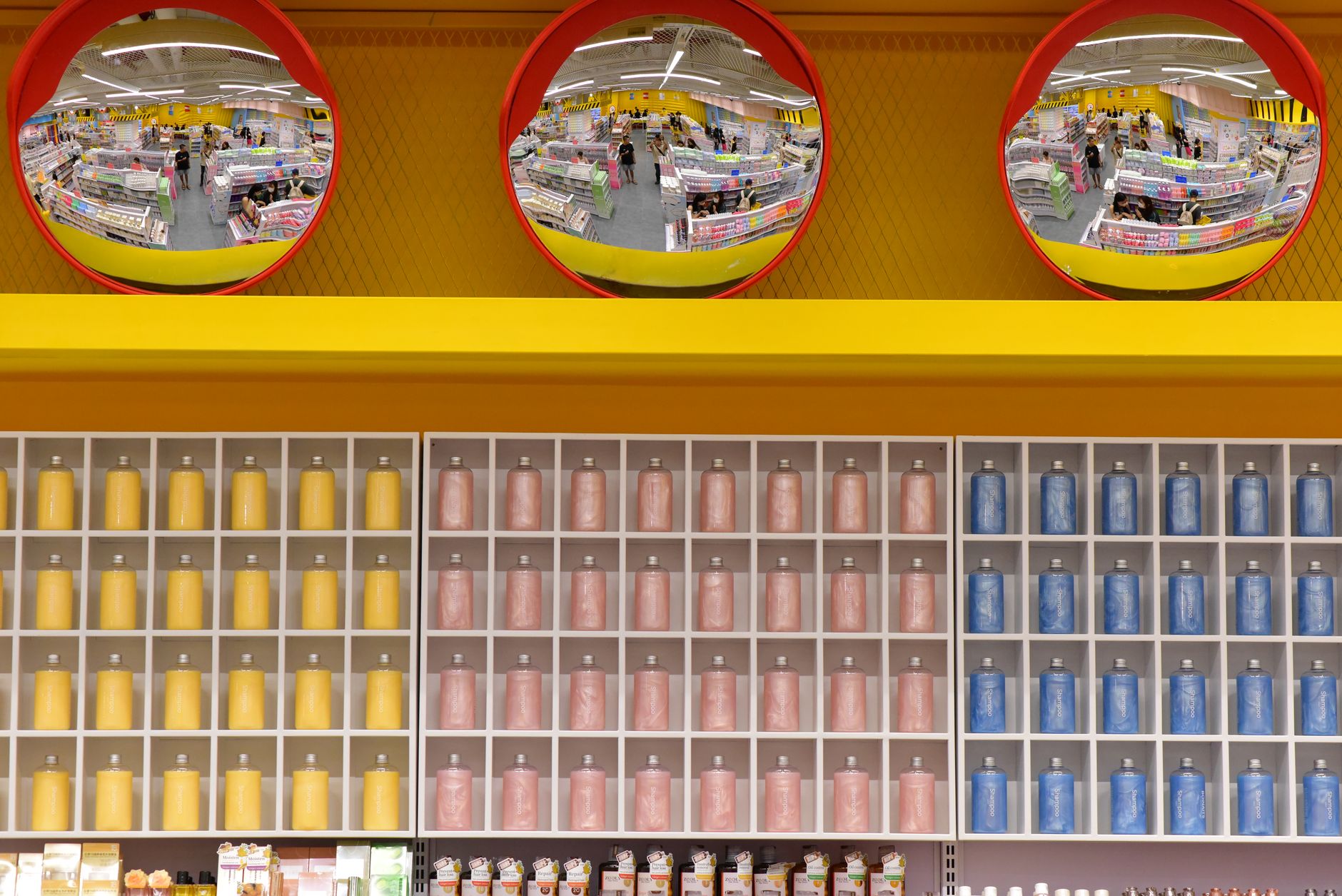
Blind corners hide forklifts, carts, and people until the last second. Lower speed plus mirrored markers or overhead indicators reduces surprise encounters.
Automatic doors and dock levelers are transition zones. Cap speed before the threshold, not at it. Robots should approach expecting a partial block from straps, chains, or humans propping a door.
Industry mobile robot material often references clearance and stopping data supplied with the vehicle. Use that data on your slab, not on the integrator lab floor.
How do pedestrian crossings differ from robot-only lanes?
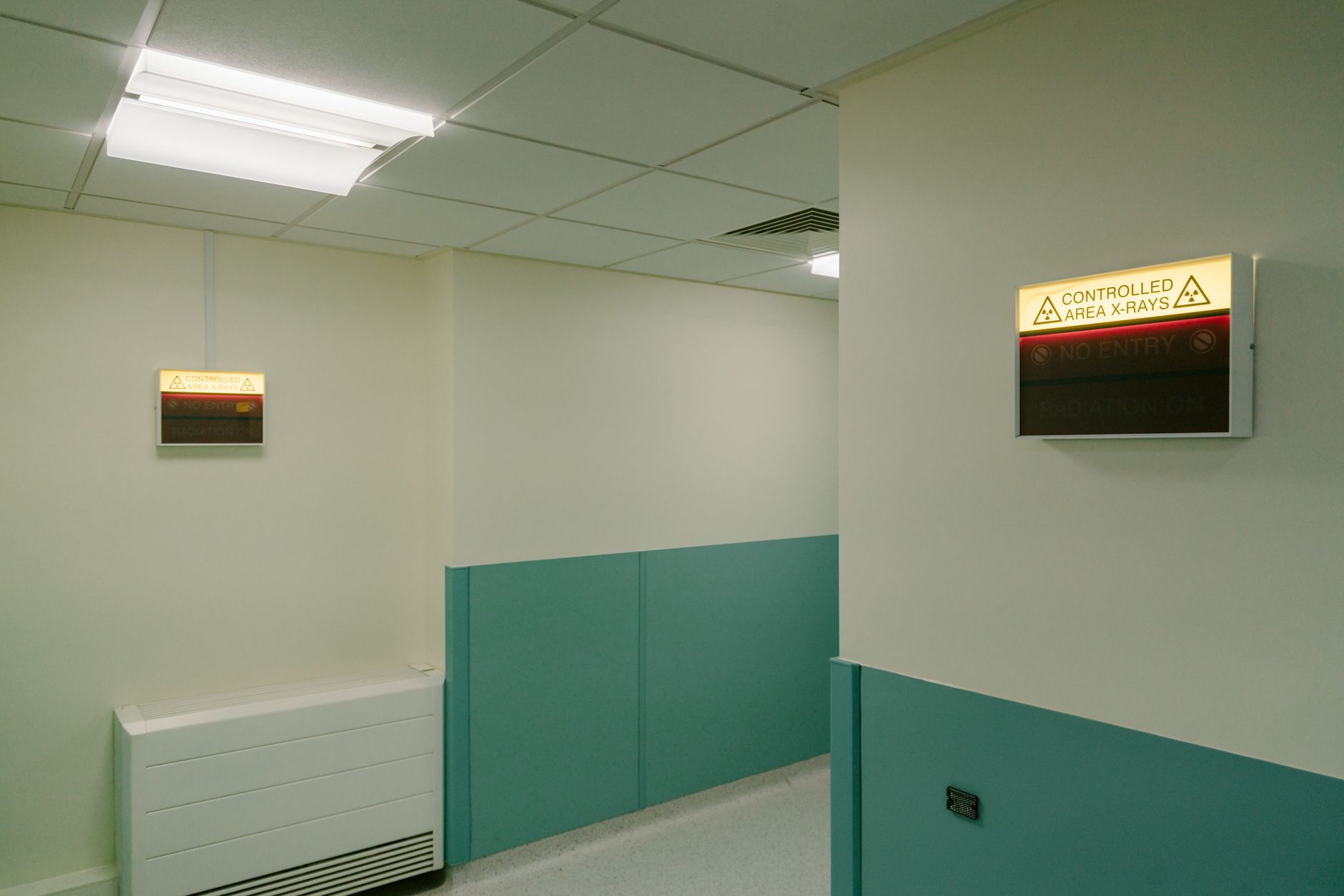
Crossings mix untrained foot traffic with AMR traffic. Speed should drop to walking pace or slower. Add floor markings that match the map geofence so people see what the robot obeys.
Hospitals, hotels, and university corridors need audible or light cues at crossings when policy allows. Silence is not safer if guests stare at phones.
Schedule validation during the shift when crossings are busiest. A midnight test misses stroller traffic and meal-cart pushes.
What changes in clinical or clean support areas?
Clinical support zones prioritize spill control, quiet operation, and predictable stops. Speed caps are low even when the aisle is empty because roles change quickly during rounds.
Keep battery charging and maintenance traffic out of clinical geofences when possible. A fast tug route through a slow zone teaches staff the limits are fake.
Document who may approve a temporary speed bump for a code event. Emergency overrides need a written revert time.
How do payload and traffic density affect the number?
Heavier payloads extend stopping distance on the same tile. Validate with loaded totes, not empty decks.
High density means more pause events per hour. Slower caps can still hit throughput targets if you remove unnecessary full stops at every minor obstacle.
Count concurrent AMRs per intersection during peak. Two robots meeting at slow speed beats one robot at full speed with hard braking.
How should you validate a new speed table?
Measure stopping distance at each tier on dry and damp floors. Record pass-fail with video supervisors can replay during training.
Script approaches to doors and corners with a person standing legally in a crossing. The robot should stop comfortably, not skid to a halt.
Repeat after firmware updates that touch navigation or braking. A silent change to deceleration curves invalidates last quarter sign-off.
- Dry floor stop test at max payload
- Damp floor stop test after cleaning
- Door approach with partial blockage
- Crossing test with two pedestrians

Who owns updates when the map changes?
Operations requests layout changes. Safety reviews speed tables. IT or automation publishes the map. Break any link and you get robots on old speeds in new geometry.
Seasonal pallet builds, holiday displays, and temporary walls all trigger a zone review. A two-week pop-up shop is still a zone change.
Service Robot Co. deployments include map versioning habits so integrator and site leads use the same names for zones during support calls.
How do you train staff on zone speeds?
Post a one-page map at each supervisor station showing zone colors and mph or meters-per-second equivalents in plain language.
Tell temps why the corner is slow before they shortcut through it. Training sticks when tied to a near-miss story, not abstract policy.
Run a monthly spot quiz: name the slowest zone on your route and one rule that applies there.
What should go in the written policy?
List zone names, speed caps, allowed payloads, and hours when stricter night rules apply. Link to the risk assessment paragraph that justified each cap.
Define how to request a temporary change and who must approve it. Ad hoc supervisor edits without documentation fail audits.
Store validation videos or signed test sheets with the policy. Auditors and insurers ask for evidence, not intentions.